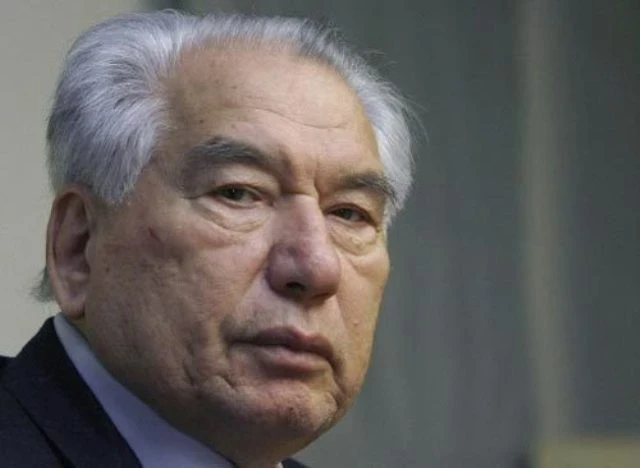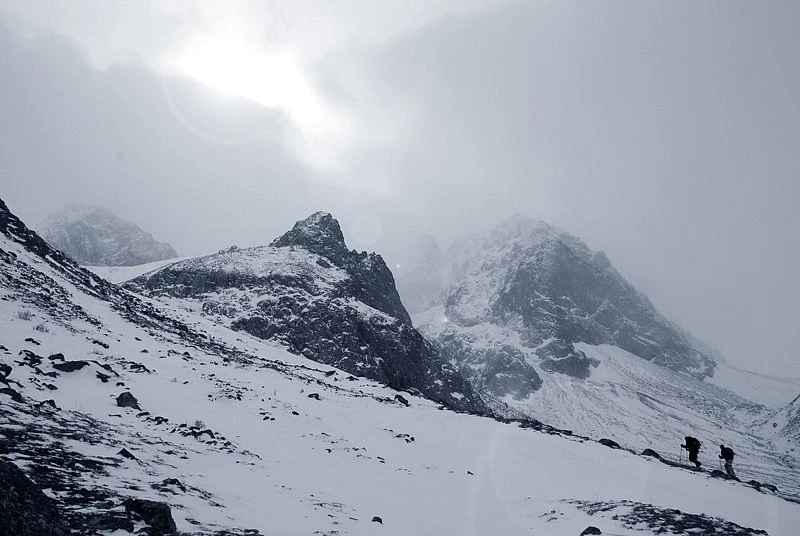
With global warming, humanity faces the threat of losing valuable freshwater reserves stored in glaciers. According to Qu Dongyu, the Director-General of the Food and Agriculture Organization of the United Nations, these water sources may completely disappear in the future.
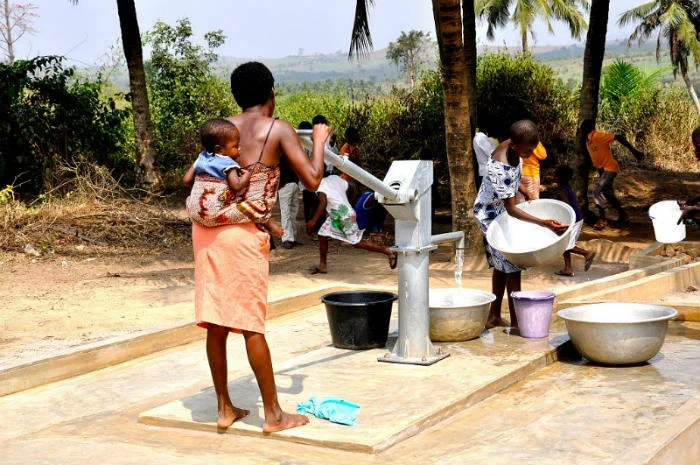
Glaciers are reservoirs of the world's freshwater, essential for billions of people. The melting of mountain ice and snow directly affects the flow levels of key rivers such as the Indus, Nile, Ganges, and Colorado. These rivers not only provide irrigation for agriculture but also serve as a source of drinking water for nearly two billion people and generate electricity.
However, the reduction of glacier areas poses serious problems for water flow, creating risks for billions of people by depriving them of access to water, food, and livelihoods. In the short term, this can lead to ecological disasters, such as floods caused by glacial lake outburst, as well as avalanches and landslides.
In the long term, many glaciers may lose their function as water sources. By the end of the 21st century, their contribution to river flow will significantly decrease, negatively impacting agriculture in both mountainous regions and fertile plains.
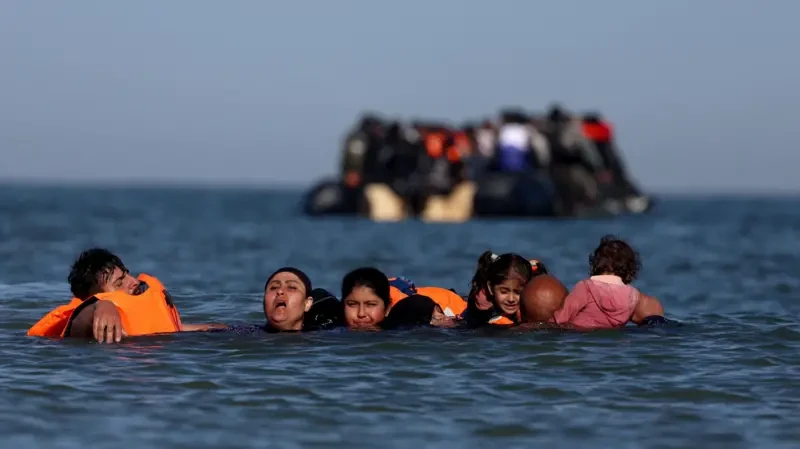
In mountainous areas, where 1.2 billion people live and which occupy more than 25% of the Earth's surface, a higher rate of warming is observed compared to the rest of the world. This makes the populations in these regions particularly vulnerable to climate change and decreasing water availability for agriculture and irrigation. Often, alternative water supply sources are absent, leading to the cessation of agricultural production and potentially causing population migration due to climate change and increased instability.
Over the past six years, glaciers have been retreating faster than ever before, and the consequences are already noticeable. From the Andes to the Himalayas, local residents are facing a reduction in the snow season, instability in water flow, and the loss of reliable water sources. In Peru, the reduction in glacier area has led to decreased crop yields, while in Pakistan, the decrease in meltwater threatens agricultural cycles.
Many glaciers have already reached their maximum flow, after which they will begin to gradually diminish, leading to increased water shortages for all users of glacial-fed rivers.
Moreover, the disappearance of glaciers affects cultural aspects, as glaciers hold sacred significance for indigenous peoples and residents of mountainous regions in Asia, Latin America, and Africa. Their melting threatens centuries-old traditions, rituals, and cultural heritage.
While the situation can still be remedied, global efforts to address these issues often remain fragmented. Therefore, the UN has declared 2025 as the International Year of Glacier Conservation to emphasize that our future depends on preserving these ecosystems.
To ensure food and water security, it is urgent to reassess policies, investments, and resource management, from high-altitude areas to plains.
Key measures include reducing greenhouse gas emissions, effective water resource management, establishing early warning systems, and implementing adaptive agricultural methods to enhance the resilience of agri-food systems.
The challenges arising from glacier melting can be transformed into opportunities for improving the situation. Sustainable agriculture, which is one of the major consumers of water, can be adapted using methods such as terraced farming, agroecology, and agroforestry. These practices help conserve soil and water resources, reducing disaster risks and supporting income sources.
Investments in the development of water and agricultural infrastructure also play a crucial role. Increasing climate finance is necessary to support vulnerable populations in mountainous areas facing difficulties in accessing training and resources.
Governments must ensure the coherence of strategies and actions to address the interconnected issues of water resources, agriculture, and climate adaptation. Often, mountain issues remain overlooked in national climate policies and global adaptation mechanisms.
It is essential to formulate policies and work collaboratively on solutions related to water supply systems, develop transboundary cooperation, and implement risk prevention mechanisms, especially considering that glacial-fed rivers often flow through multiple countries.
To prepare for a future where glacier areas are shrinking, innovation and coordinated efforts are required. In Kyrgyzstan, the FAO is helping to create artificial glaciers formed from the mist of mountain rivers that gradually melt in the summer. This initiative in the Batken region has already preserved over 1.5 million cubic meters of ice, sufficient for irrigating up to 1,750 hectares.
In India, in Ladakh, the social enterprise "Ice Acres" has developed automated systems for collecting and freezing unused water to ensure its availability until spring. In the Peruvian Andes, local residents use a natural filtration system to improve the quality of water contaminated with minerals due to glacier melting.
Nevertheless, efforts must be intensified at all levels. Water is a vital resource that depends on the preservation of glaciers, and ignoring their melting could lead to the loss of global food and water security.
—
The FAO is organizing the International Mountain Day in collaboration with the Mountain Partnership Secretariat, supported by the governments of Italy, Andorra, and Switzerland. The Secretariat is working with UNESCO and the World Meteorological Organization, overseeing the International Year of Glacier Conservation in 2025.