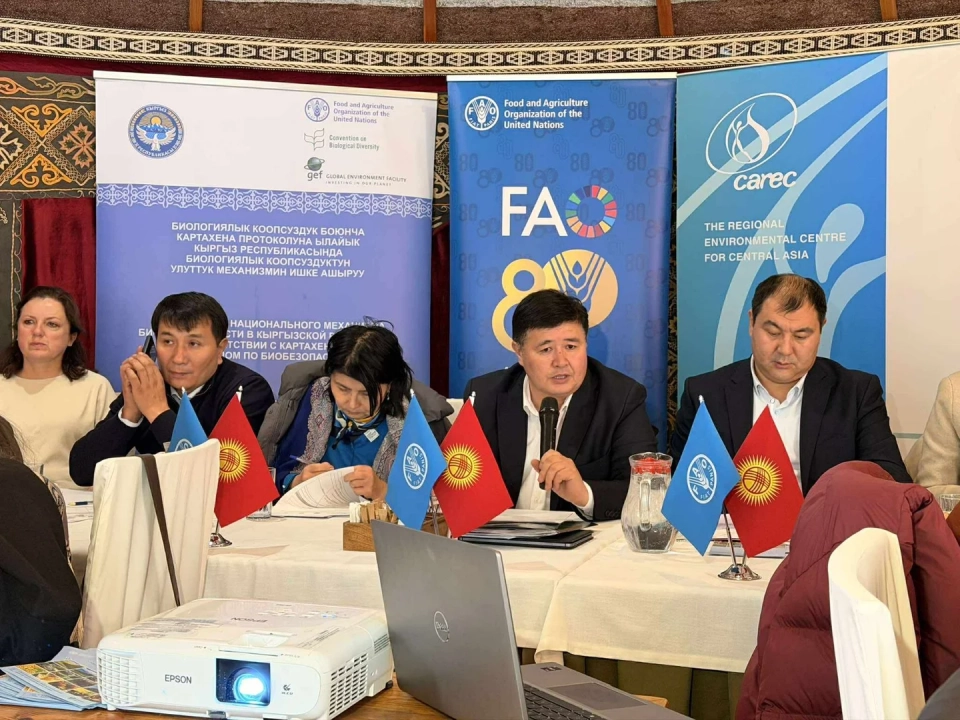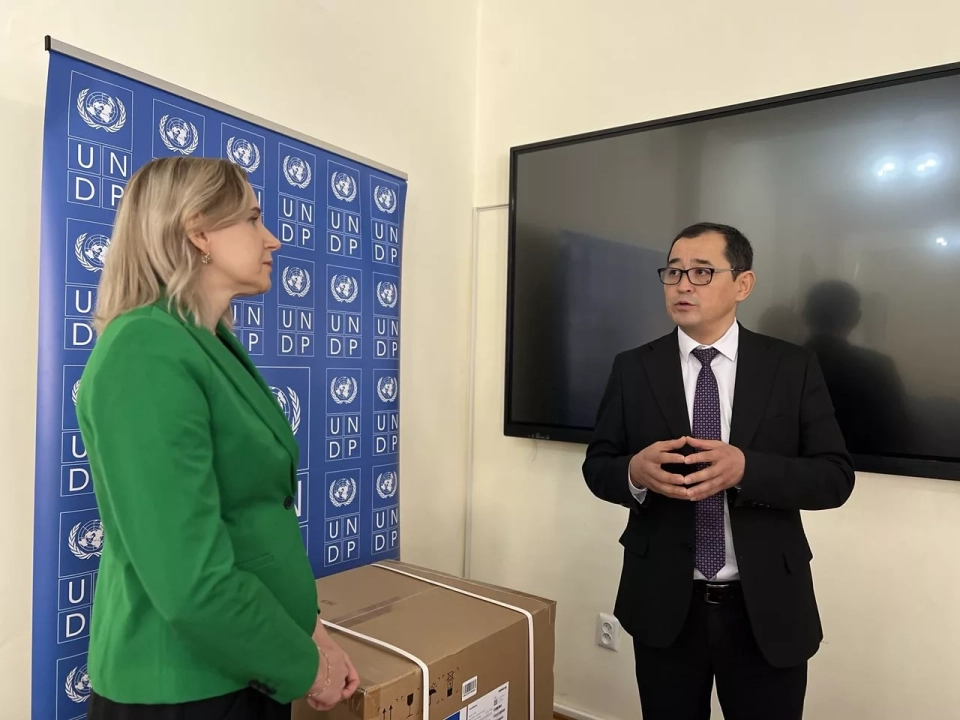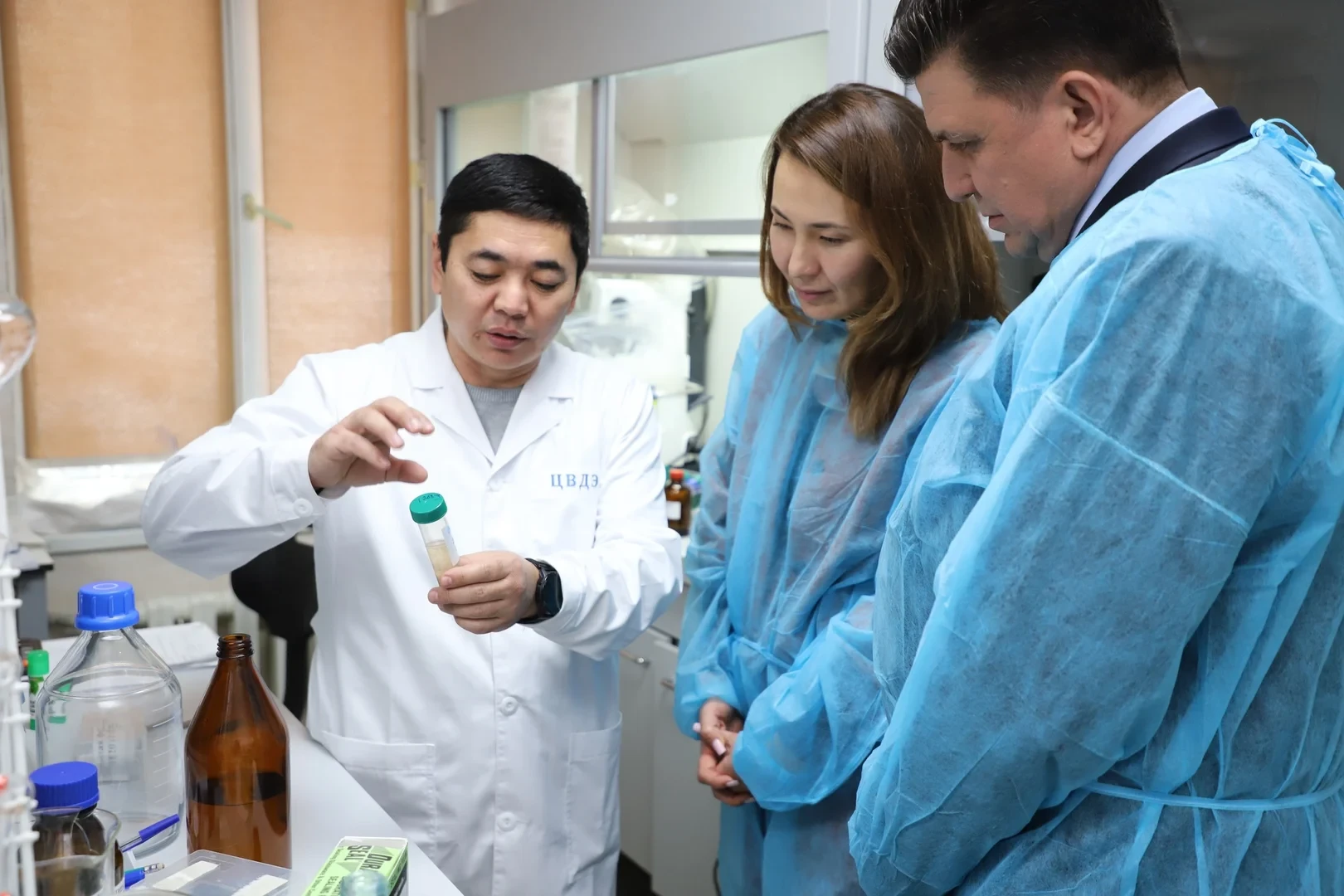
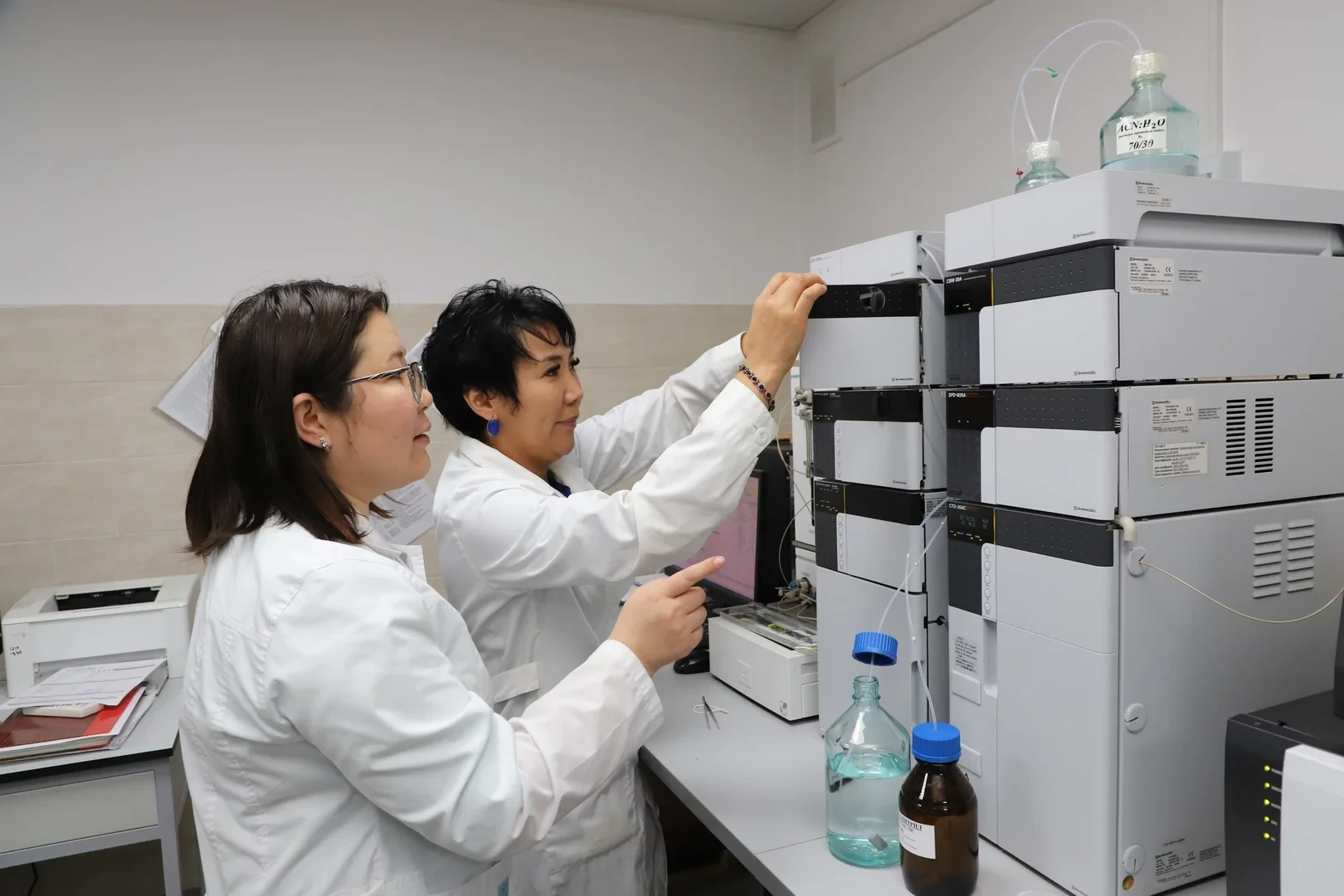
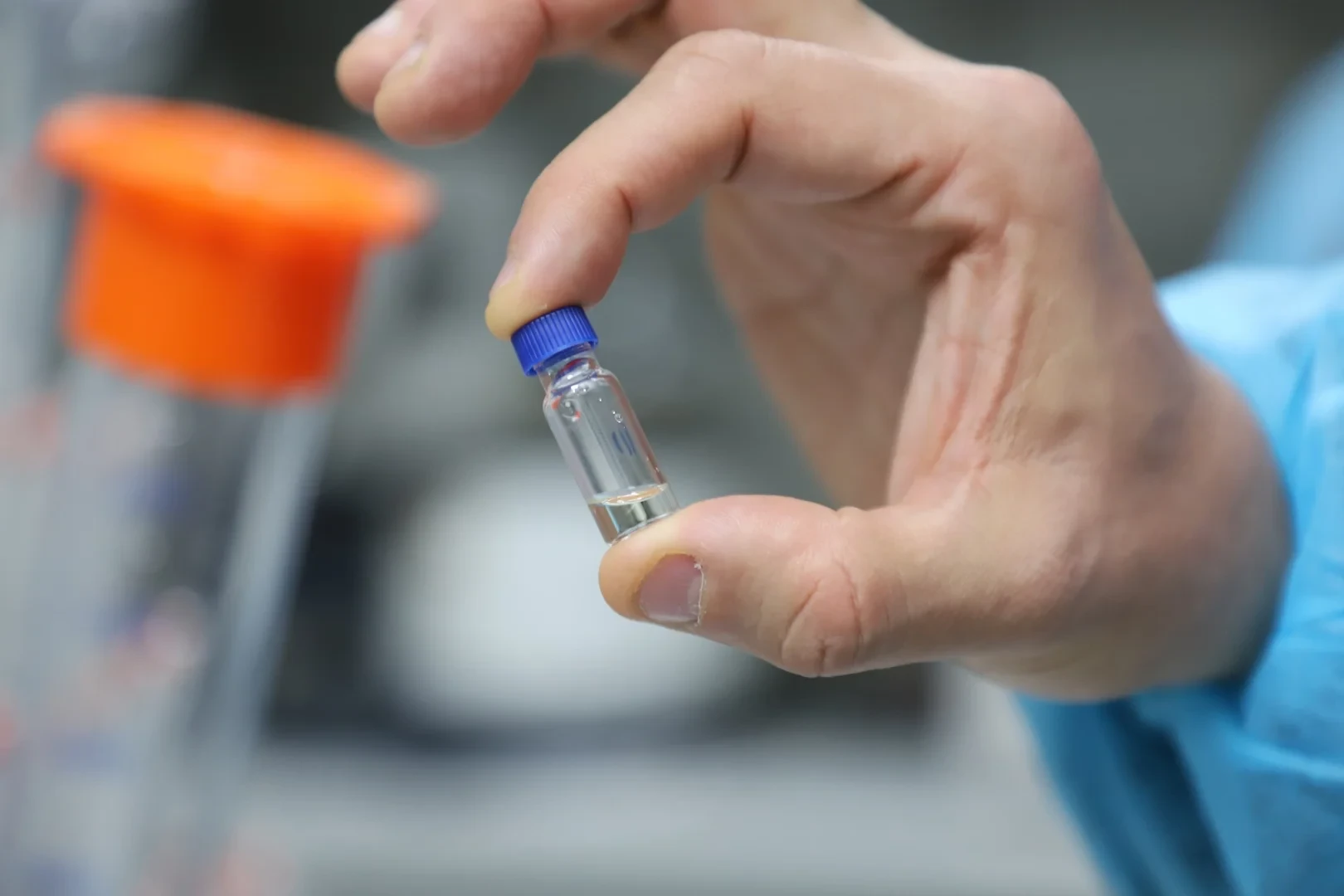
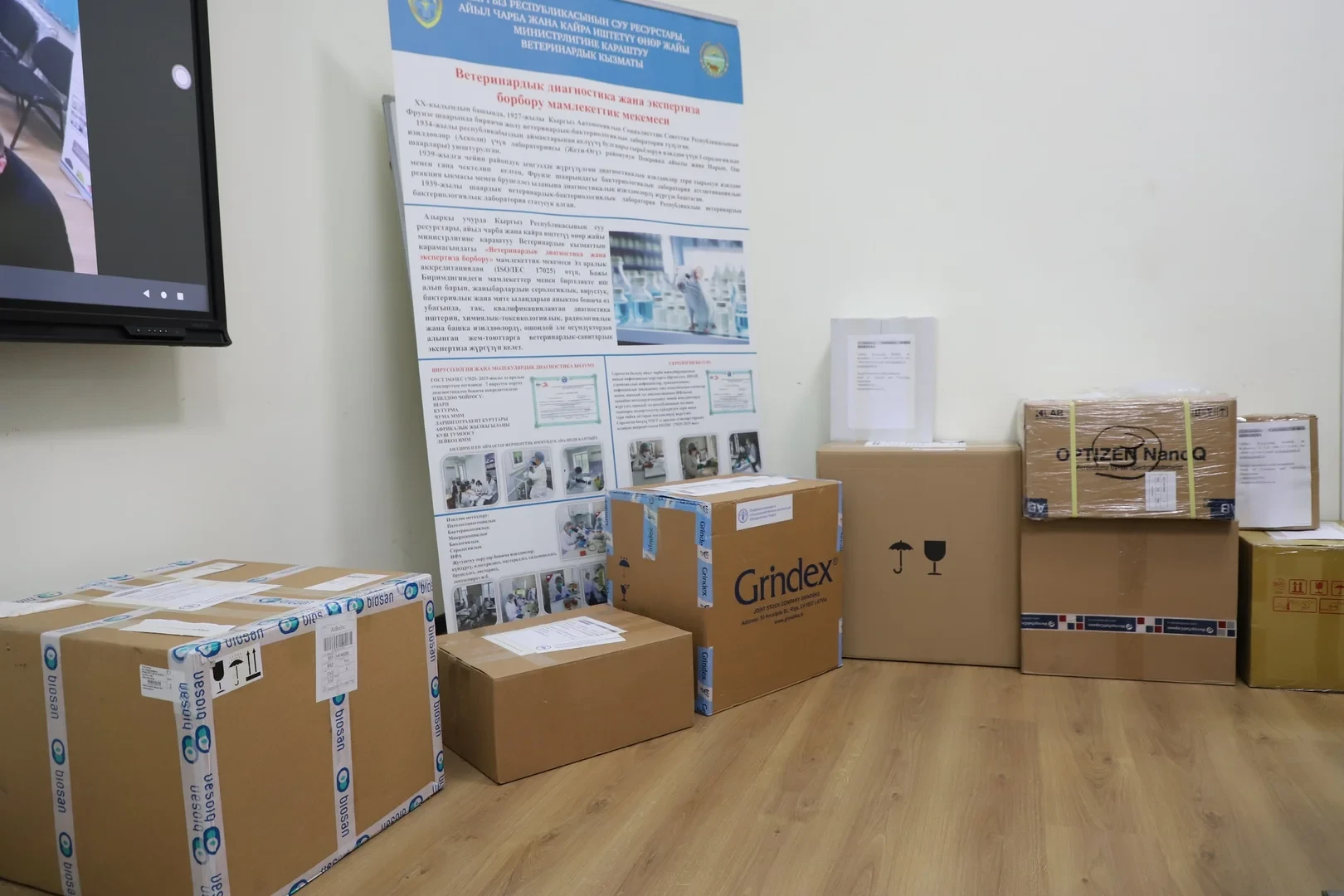

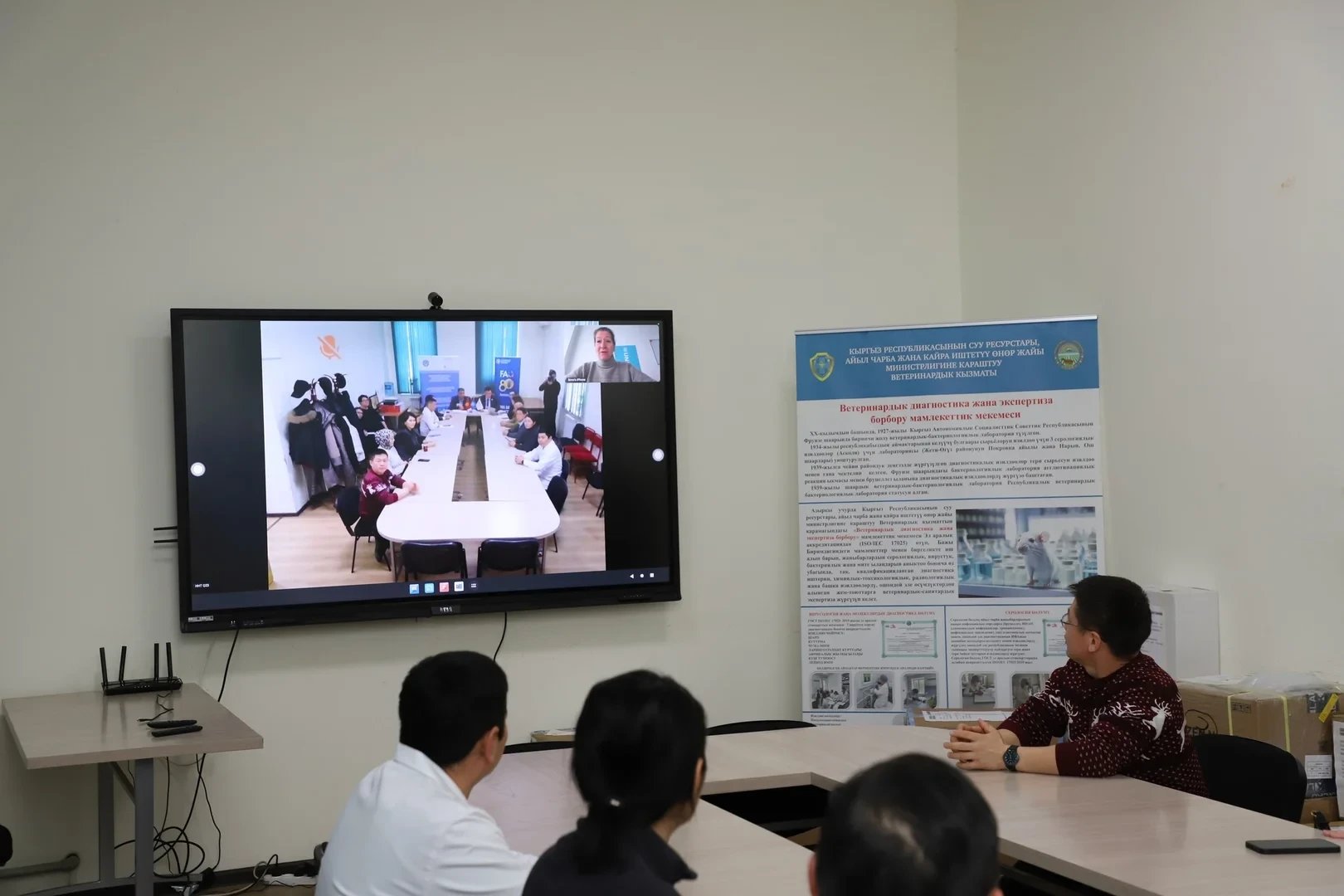
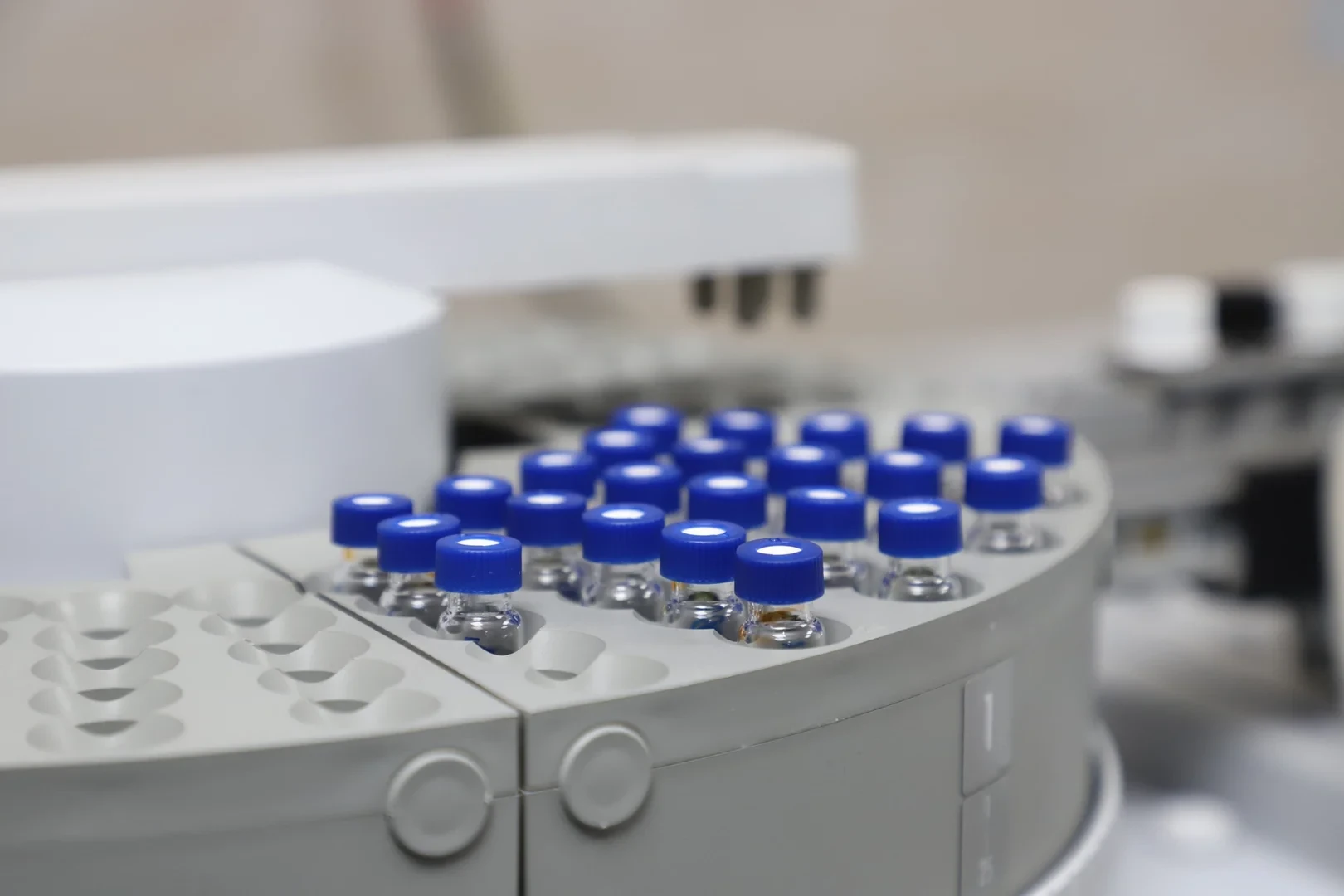


On December 18, a transfer of modern laboratory equipment from the Food and Agriculture Organization of the United Nations (FAO) took place in Bishkek for use in laboratories in Kyrgyzstan. This equipment, including consumables and diagnostic test systems, is intended for the detection of genetically modified organisms (GMOs). This was reported by the organization itself.
It is worth noting that assistance in the procurement and delivery of the equipment was provided by the United Nations Office for Project Services (UNOPS).
This technical support is being implemented as part of the FAO project aimed at establishing a national biosafety mechanism in accordance with the Cartagena Protocol.
Oleg Guchgeldiev, FAO representative in Kyrgyzstan, emphasized that the development of laboratory capacity is a central aspect of the project. He added that the transfer of equipment is an important step towards strengthening the national base for monitoring, identifying, and assessing biotechnological products, as well as analyzing potential risks to public health and the environment.
“The project focuses on building technical capacity. This includes equipping laboratories for the detection of GMOs and living modified organisms, as well as training laboratory staff. In combination with other measures, this will provide Kyrgyzstan with protection against negative impacts on the ecosystem and biodiversity, as well as reduce health risks for citizens,” he noted.
The modern equipment was transferred to the following institutions:
* Veterinary Diagnostics and Expertise Center of the Veterinary Service for Animal Husbandry, Pastures, and Feed;
* Laboratory of Molecular Genetic and Virological Research of the Department of Disease Prevention and State Sanitary and Epidemiological Surveillance of the Ministry of Health;
* Testing Laboratory for Food and Agricultural Products of the Center for Standardization and Metrology (Kyrgyzstandart);
* Institute of Biotechnology of the National Academy of Sciences under the President of the Kyrgyz Republic.
Aigul Jumakanova, head of the Laboratory Testing Center of the Department of Disease Prevention and State Sanitary and Epidemiological Surveillance, noted that the FAO project significantly contributes to strengthening the laboratory capacity of the country. She also reported that over the past two years, specialists from the center have undergone training in detecting GMOs in food, mainly of plant and dairy origin.
“The FAO project combines human capacity development with the technical equipping of laboratories. We received a spectrophotometer, a laboratory mill, and a homogenizer, as well as the necessary consumables and test kits, which allows us to maintain quality and continuous monitoring of food products for the presence of GMOs,” she said.
The mentioned equipment will significantly improve the accuracy and timeliness of laboratory analyses. ```