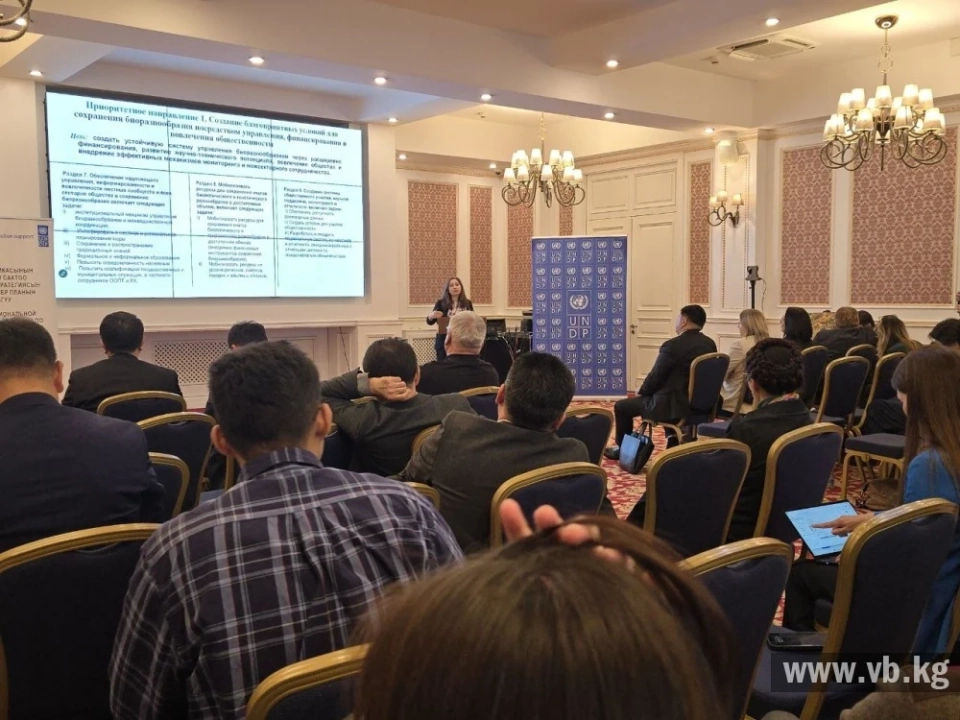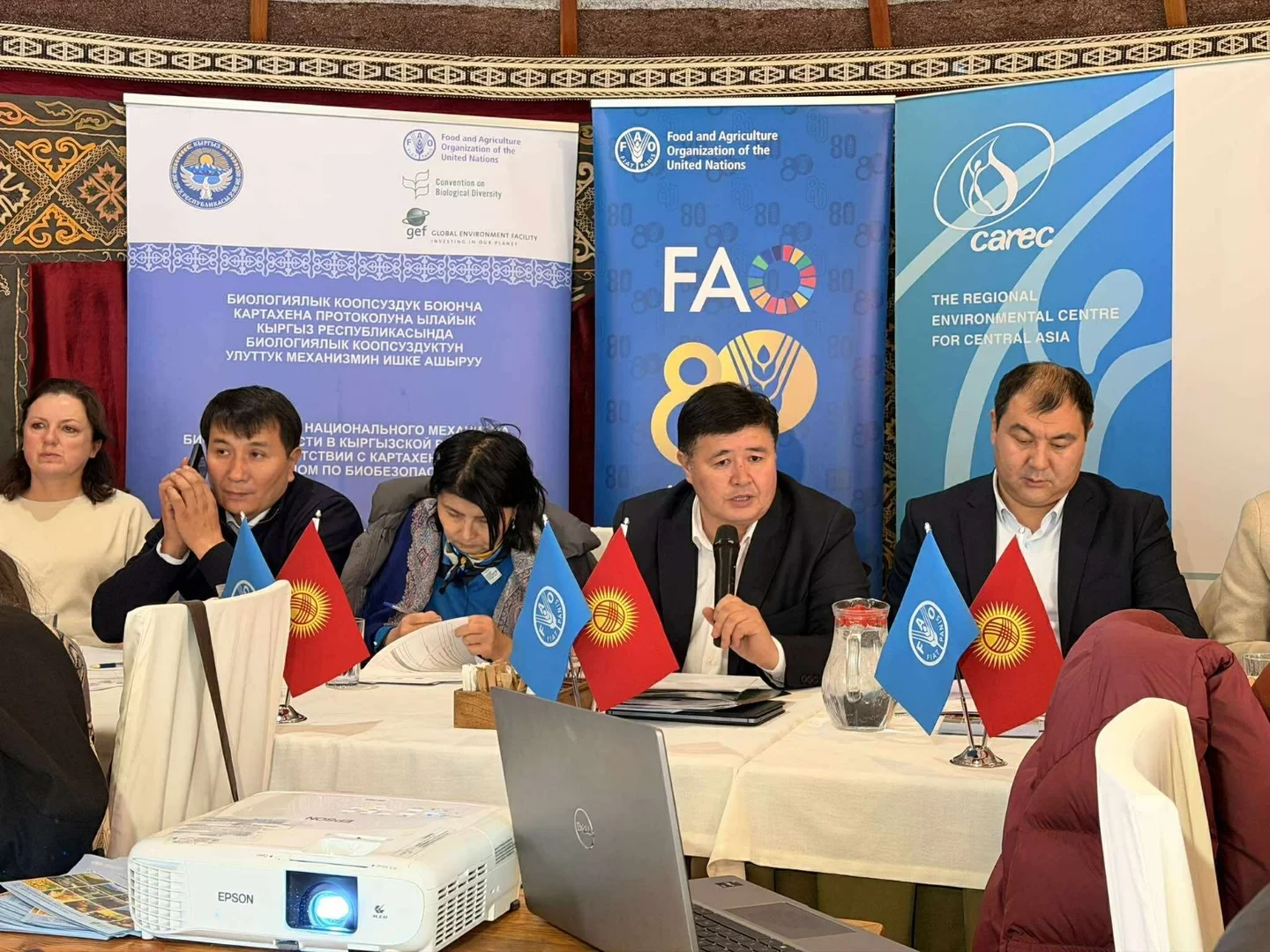
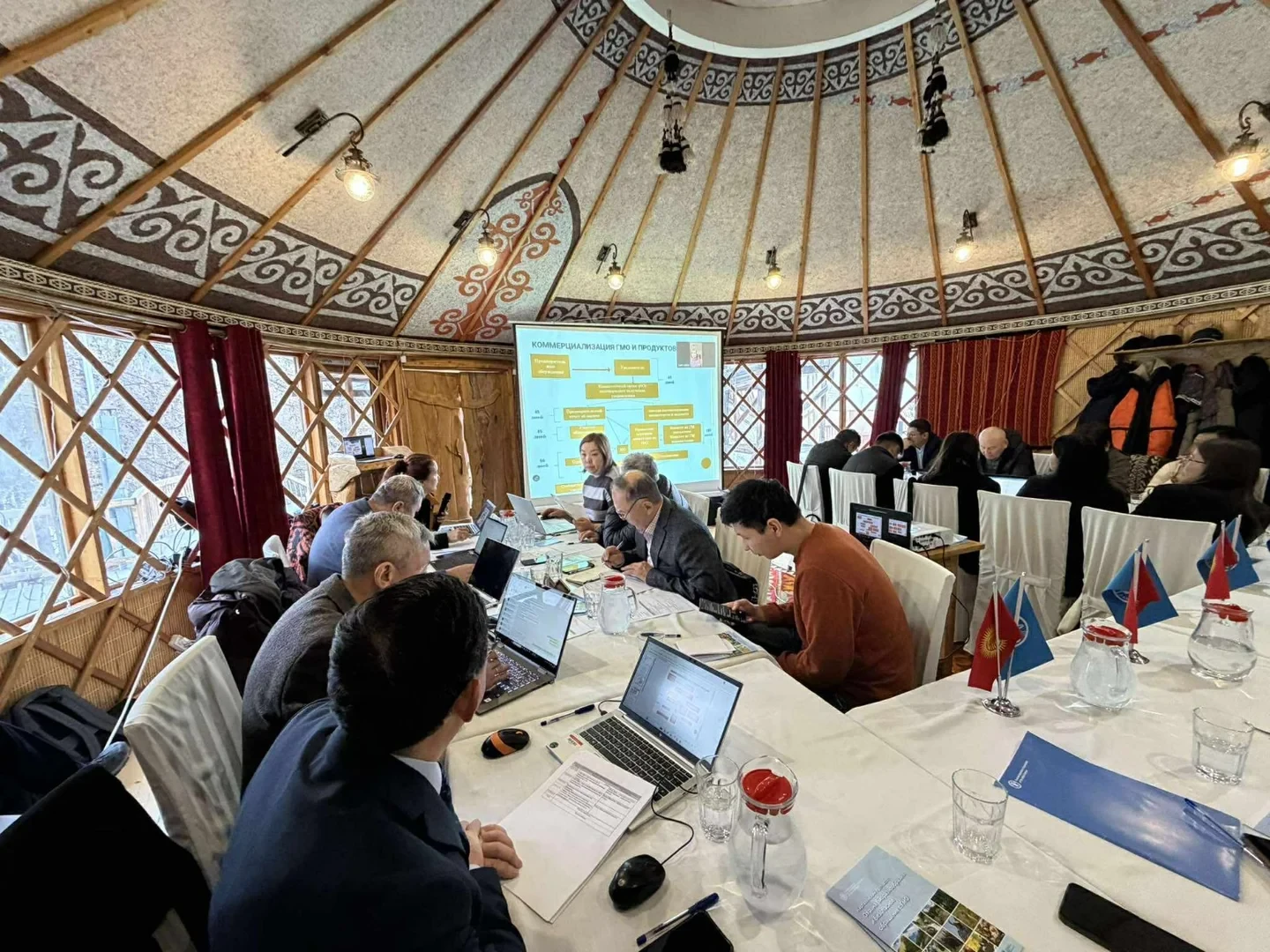
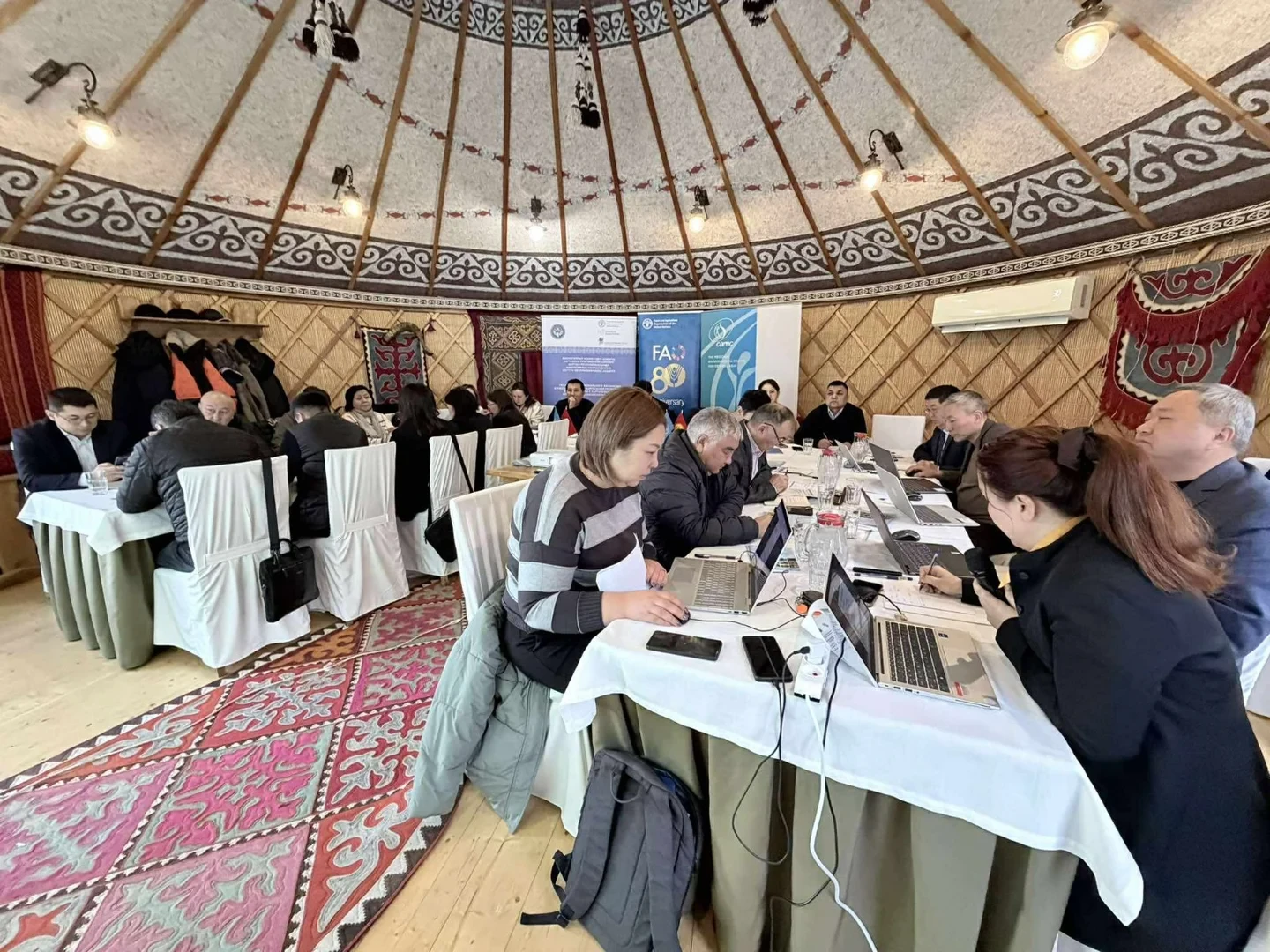
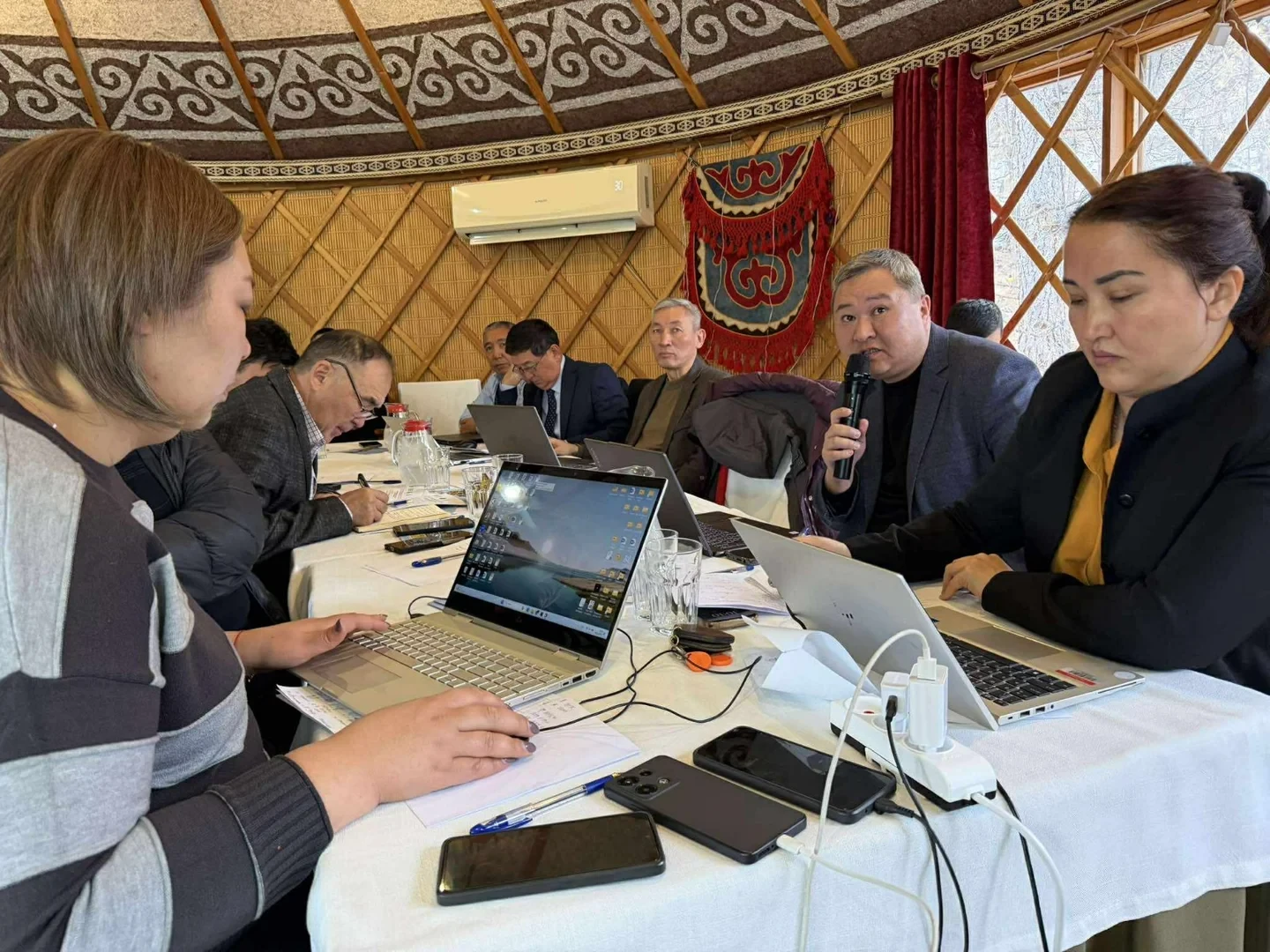
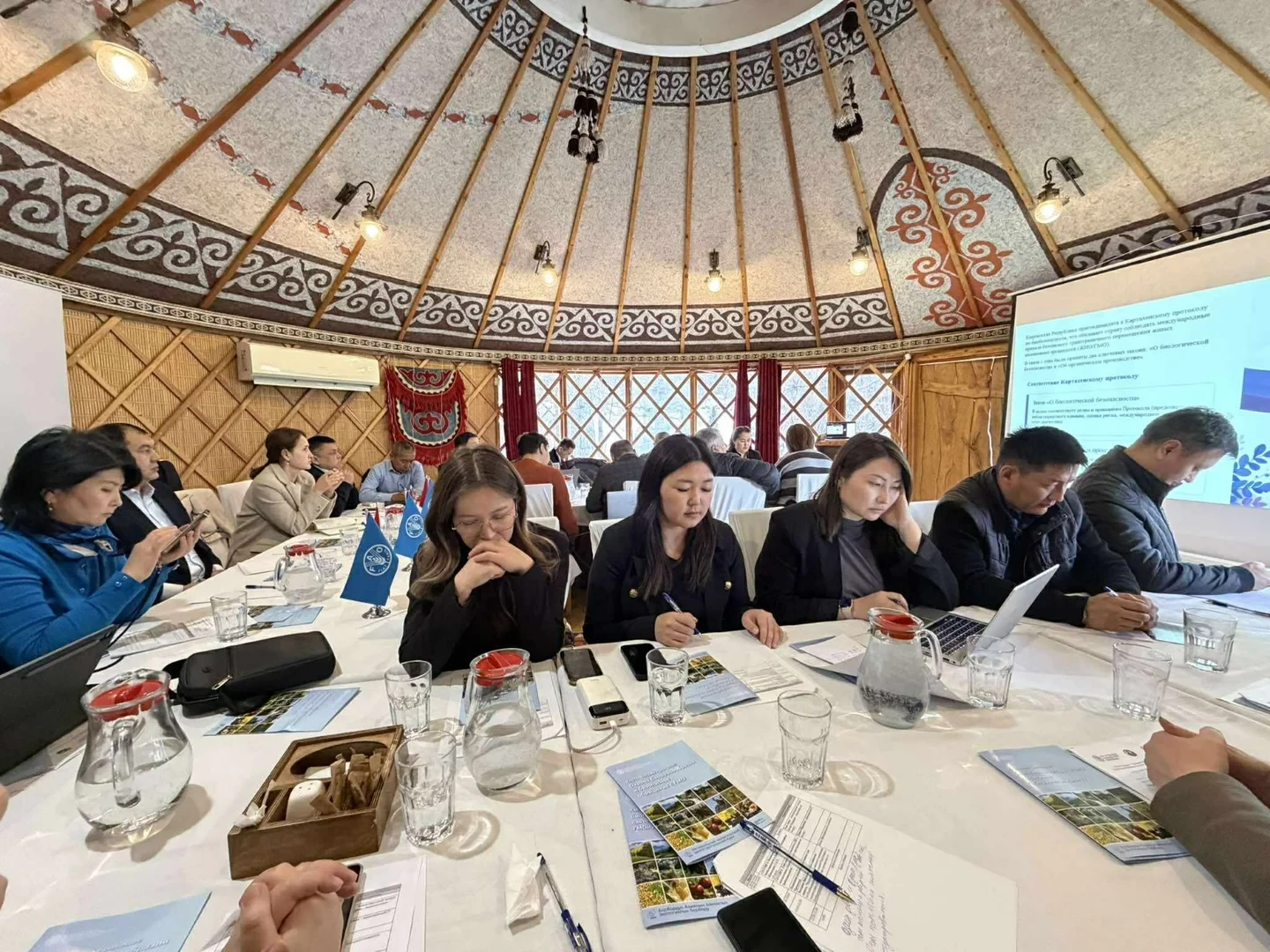
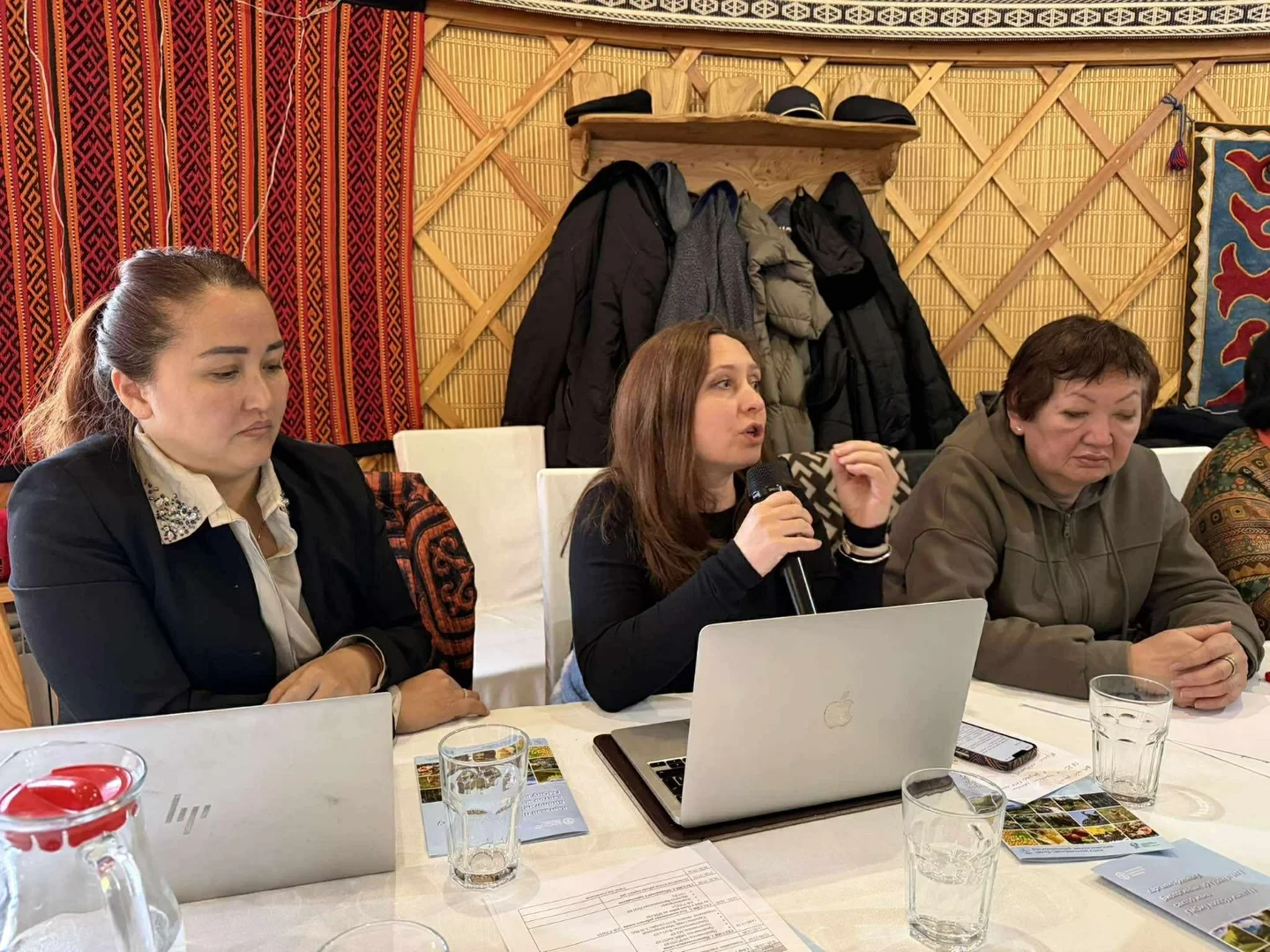


On December 4-5 in Bishkek, two key events took place: a meeting of the supervisory committee and an interdepartmental working group. These meetings provided an opportunity for constructive discussions on current biosafety issues within the framework of the Cartagena Protocol, which is part of the UN Convention on Biological Diversity. Further steps in the implementation of the project "Establishing a National Biosafety Mechanism in Kyrgyzstan according to the Cartagena Protocol on Biosafety" were also discussed.
According to the Ministry of Natural Resources, representatives from various government agencies participated in the meeting, including the presidential administration, the Ministry of Health, the Ministry of Economy and Commerce, the Ministry of Water Resources, Agriculture and Processing Industry, as well as the Customs Service, "Kyrgyzstandart," and the Academy of Biotechnology of the National Academy of Sciences of the Kyrgyz Republic.
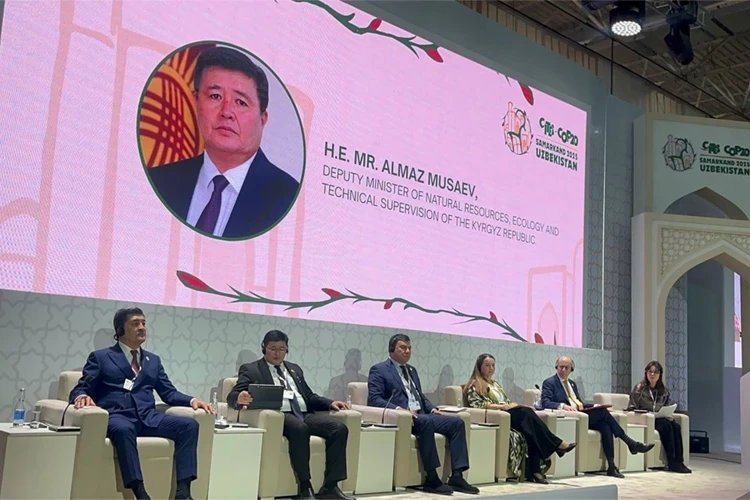
Almaz Musaev, Deputy Minister of Natural Resources, Ecology and Technical Supervision of the Kyrgyz Republic, noted that significant work has been done throughout the project implementation. "Today we are summarizing the results for 2025 and defining plans for 2026. The project working group has accomplished its tasks despite their complexity," he added.
He emphasized that the project aims to overcome the main obstacles in the field of biosafety, such as the lack of coordinated legislation, a shortage of qualified personnel, and limited access to information regarding the consequences of GMO use.
According to him, the project contributes to the development of the national biosafety system, improves coordination between agencies, creates necessary administrative structures, including laboratories for detecting GMOs, and enhances the qualifications of specialists. He also stressed the importance of completing the development of regulatory acts that will ensure the implementation of the Law "On Biological Safety in the Kyrgyz Republic."
Kuban Matraimov, director of the REC Center branch in Kyrgyzstan, presented a report on the work done within the project.
Key achievements include:
- regular meetings of the Interdepartmental Working Group and the Supervisory Committee;
- in cooperation with Kyrgyzstandart, methodological materials for risk assessment and labeling of GMOs/LMOs were developed;
- assistance was provided to the Ministry of Natural Resources in preparing a draft Regulation on the functions of authorized bodies in the field of biosafety;
- strengthening the technical base of laboratories and training specialists;
- creation of a national website on biosafety.
Joining the meeting online were Carolina Starr, project coordinator from FAO, and international GMO expert Juan Lopez Villar. They provided their recommendations for optimizing activities and presented the results of the analysis of the interaction of government agencies in regulating GMOs in Kyrgyzstan.
During the discussions, emphasis was placed on the need to develop and update regulatory acts concerning the handling of GMOs and LMOs. This is important for creating a modern and transparent biosafety system, enhancing interdepartmental interaction, and fulfilling Kyrgyzstan's international obligations.
As a result of the meeting, an action plan for 2026 was approved, which includes completing the development and coordination of necessary regulatory acts, as well as providing support to the Ministry of Natural Resources in preparing subordinate legislation for the implementation of the Law "On Biosafety in the Kyrgyz Republic."
Plans also include further development of the national website on biosafety, which will become an important resource for exchanging scientific, technical, and legal information about GMOs and LMOs.
The decisions made and the approved action plan for 2026 underscore Kyrgyzstan's commitment to strengthening the national biosafety mechanism and fulfilling international obligations in this area.