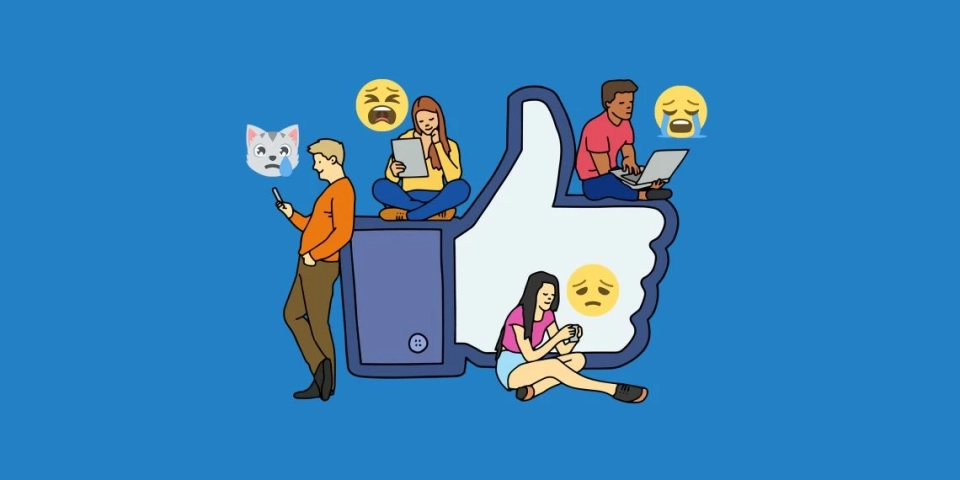
The patent obtained by Meta aims to create a digital continuation of a user on social media. This project could be particularly relevant in cases where a user stops posting content—whether due to the need for a break or because of their death. As the company notes, this could negatively impact the experience of their followers, who will miss their presence.
“If a user leaves forever, their absence can have a serious impact on users who followed their activities,” the document states.
Andrew Bosworth, Meta's Chief Technology Officer, listed as one of the patent's authors, filed the application for its registration in 2023.
A Meta representative told Business Insider that the company does not plan to implement this project in the near future.
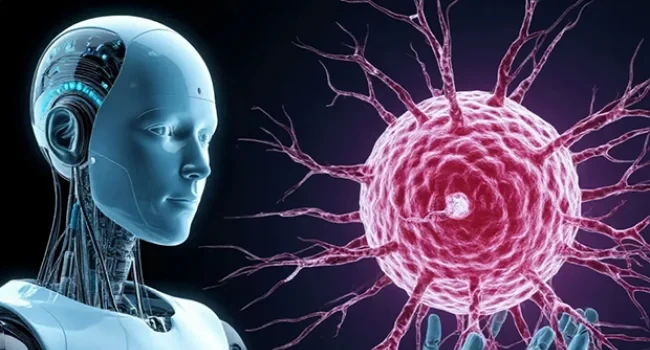
In the patent, Meta explains how it intends to create a digital clone of a user by training a model based on their activity on the platform, including likes, comments, and other actions. This clone will be able to interact with content from other users, leaving comments and likes, as well as responding to direct messages. Such a tool could be useful for content creators who temporarily need a break from social media.
Additionally, the patent mentions technology that allows artificial intelligence to simulate video or audio calls with users.
Although Meta files patents to showcase its ideas, this does not always mean that the company will implement them.
Nevertheless, this raises important questions about technology and grief. Does artificial intelligence have the right to imitate deceased individuals? Edina Harbinja, a professor at the University of Birmingham's law faculty, expressed her concerns about this.
“This touches on legal, social, and philosophical issues,” Harbinja noted in an interview with Business Insider, specializing in digital rights and privacy.
Meta has long been considering issues related to digital legacy management. About ten years ago, Facebook implemented features allowing users to designate “legacy contacts” to manage accounts in the event of death. In 2023, Mark Zuckerberg discussed the possibility of creating virtual avatars of deceased individuals in a podcast with Lex Fridman.
According to him, communicating with digital versions of the departed could help people cope with grief.
There are numerous initiatives aimed at helping people overcome the loss of loved ones through digital copies of their personalities. For example, the startup Replika, developed by Eugenia Kuyda in 2015 after the loss of a friend, offers AI-based chatbots. Another project, You, Only Virtual (YOV), was founded in 2020 by Justin Harrison after his mother was diagnosed with cancer.
Harrison noted that more and more companies are paying attention to this topic, especially in light of recent advancements in generative artificial intelligence.
In 2021, Microsoft also patented the development of a chatbot capable of imitating deceased individuals. According to Harbinja, Meta's patent confirms the growing interest in this technology in the mass market.
“It shows that people are starting to accept this topic as something normal,” Harrison added.
However, questions related to AI, death, and grief remain complex to discuss. The intersection of these topics creates numerous ethical dilemmas.
“Let the dead be dead”
While Meta offers a solution for people experiencing grief, it also creates incentives for the development of new technologies described in the patent, especially for accounts that have temporarily paused their activities.
“This could increase engagement, the volume of content, and data for current and future AIs,” Harbinja noted. “I understand why this is beneficial for business, but I am curious about how and when it will be implemented.”
Questions about how such a system will work remain open. For example, will it apply to all Meta applications? Does it take into account the nuances of communication on WhatsApp compared to Instagram?
Joseph Davis, a sociology professor at the University of Virginia, expressed his concerns about the impact of such technologies on the grieving process.
“The essence of grieving is coming to terms with loss,” Davis noted.
“Let the dead remain dead,” he added. “The idea of resurrecting them in digital form creates confusion.”