The problem arises when cash flow begins to dwindle at the initial stage, compressing the internal rate of return (IRR) before the asset has a chance to reach its true value. In this context, it is important to understand the difference between short-term financial benefits and long-term investment strategies.
At Royal Central Park, the financing structure is not just a short-term benefit but a whole system that takes into account time aspects. This allows investors to manage cash flow by holding onto apartments until the market begins to grow actively, rather than forcing them to exit investments due to high interest rates. The first three years serve not only as a "grace period" but also as a financial buffer aimed at optimizing IRR.

Interior of an apartment in the Atlas building (Y2), phase The Essence
This method is not a novelty on a global scale. Research shows that large projects with phased implementation and developed infrastructure tend to have higher price growth rates than individual properties. For example, according to Savills' report on urban real estate in Asia, apartments in large complexes in Singapore, Seoul, and Shanghai have increased in price by 20–40% more than projects not included in comprehensive plans during the same period.
In London, CBRE research shows that prices for apartments in master-planned areas such as Canary Wharf and King’s Cross have significantly increased as projects have been completed. At early stages, prices were significantly lower, but over 7–10 years, property values increased significantly as these areas transformed into new city centers. Notably, most of the price increase occurred after investors overcame the period of highest capital expenditures.
In the Middle East, integrated areas such as Downtown Dubai and Dubai Marina also show stable price growth, as confirmed by Knight Frank data. These areas attract residents and international investments, while smaller projects around them demonstrate higher volatility. In this context, the key factor is not the interest rate at the time of purchase, but the ability to hold the asset until its value is reassessed.
Returning to the concept of Royal Central Park, the three-year structure without cost of carry allows investors to replicate the successful strategy of global master-planned projects: acquire at an early stage, hold the asset during growth, and start servicing financial obligations only after reaching a new price level. As the market grows and assets are reassessed, the loan-to-value (LTV) ratio will improve, making the debt more manageable.
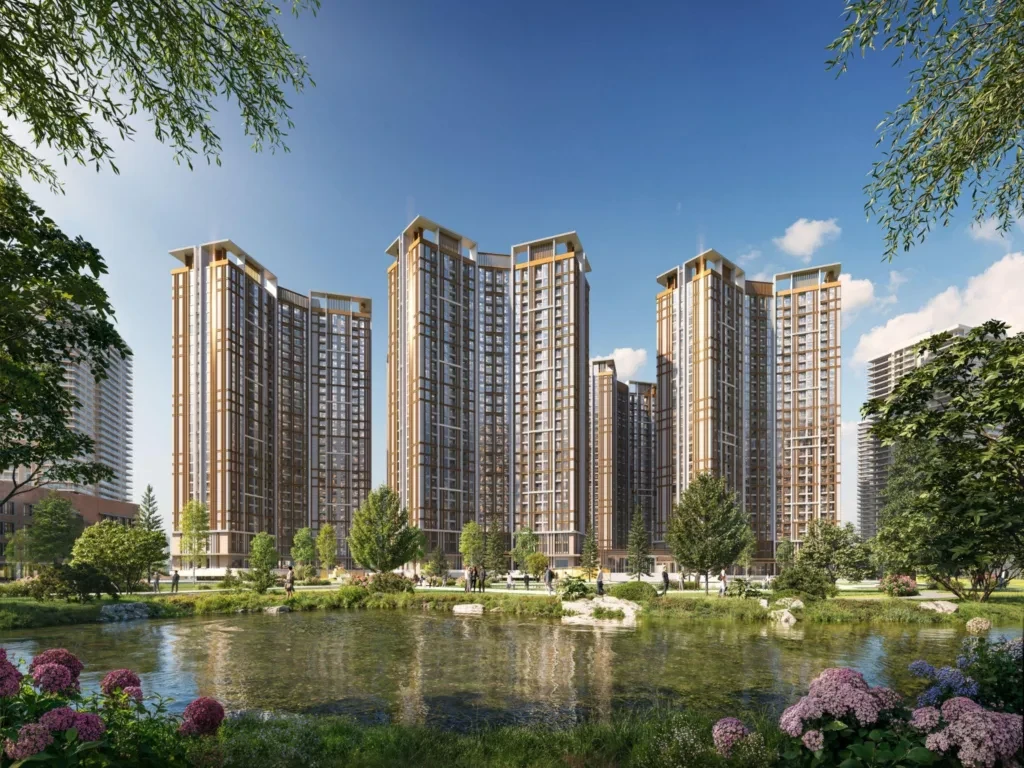
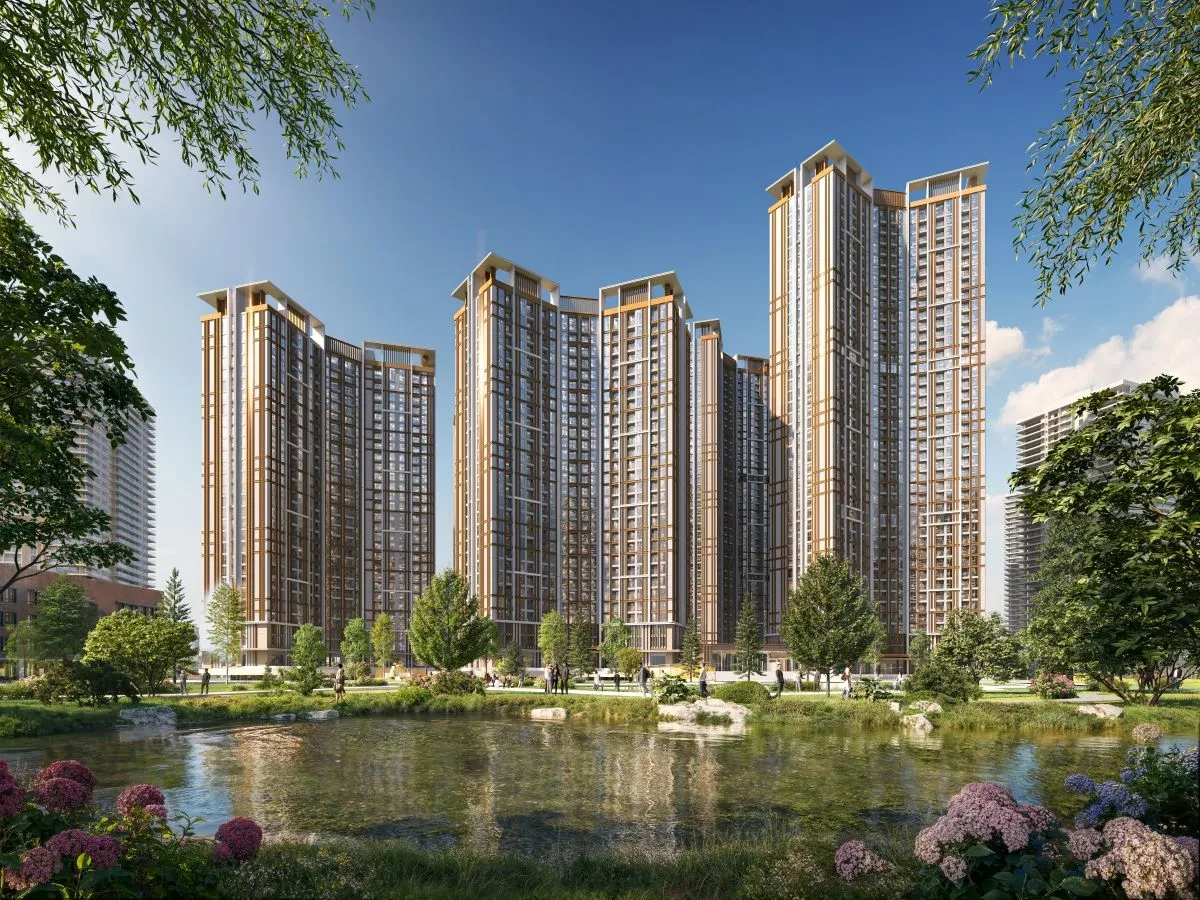
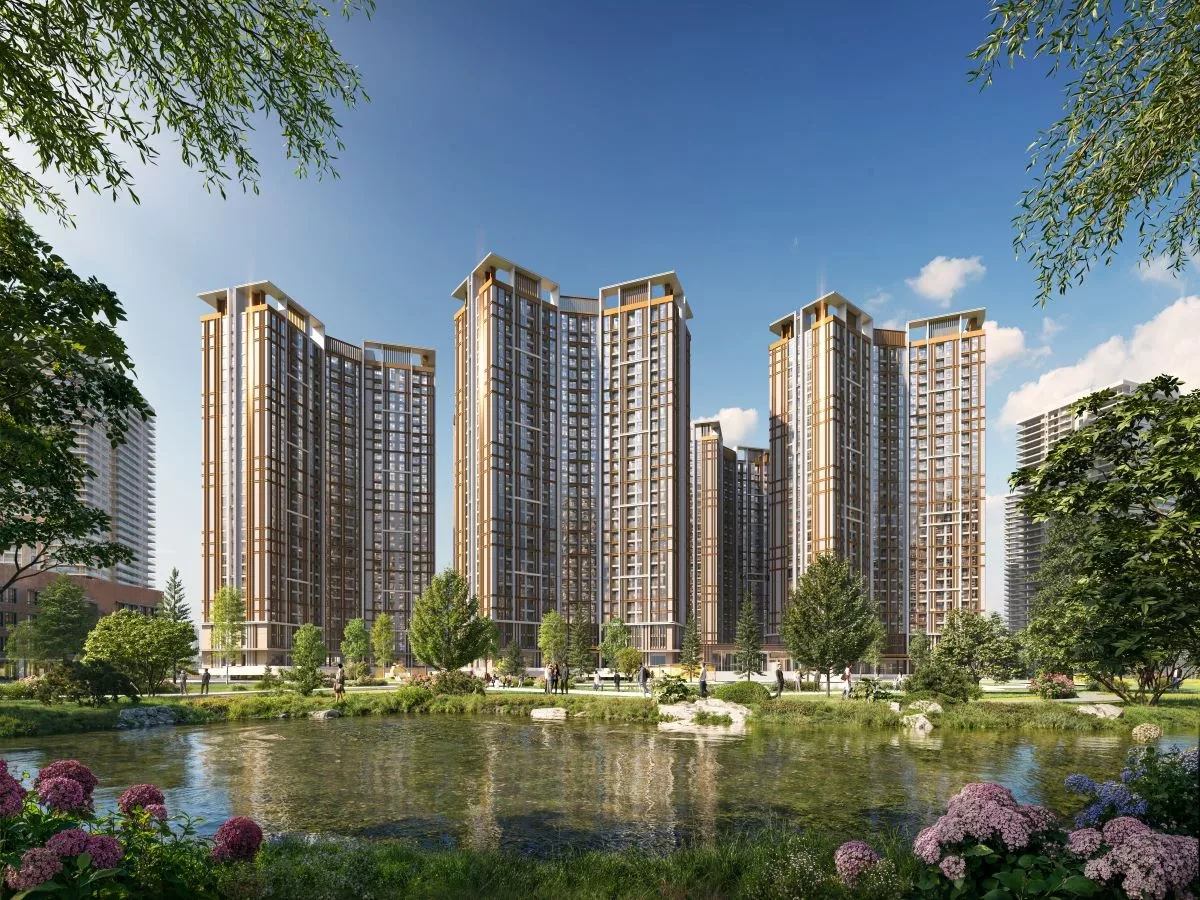
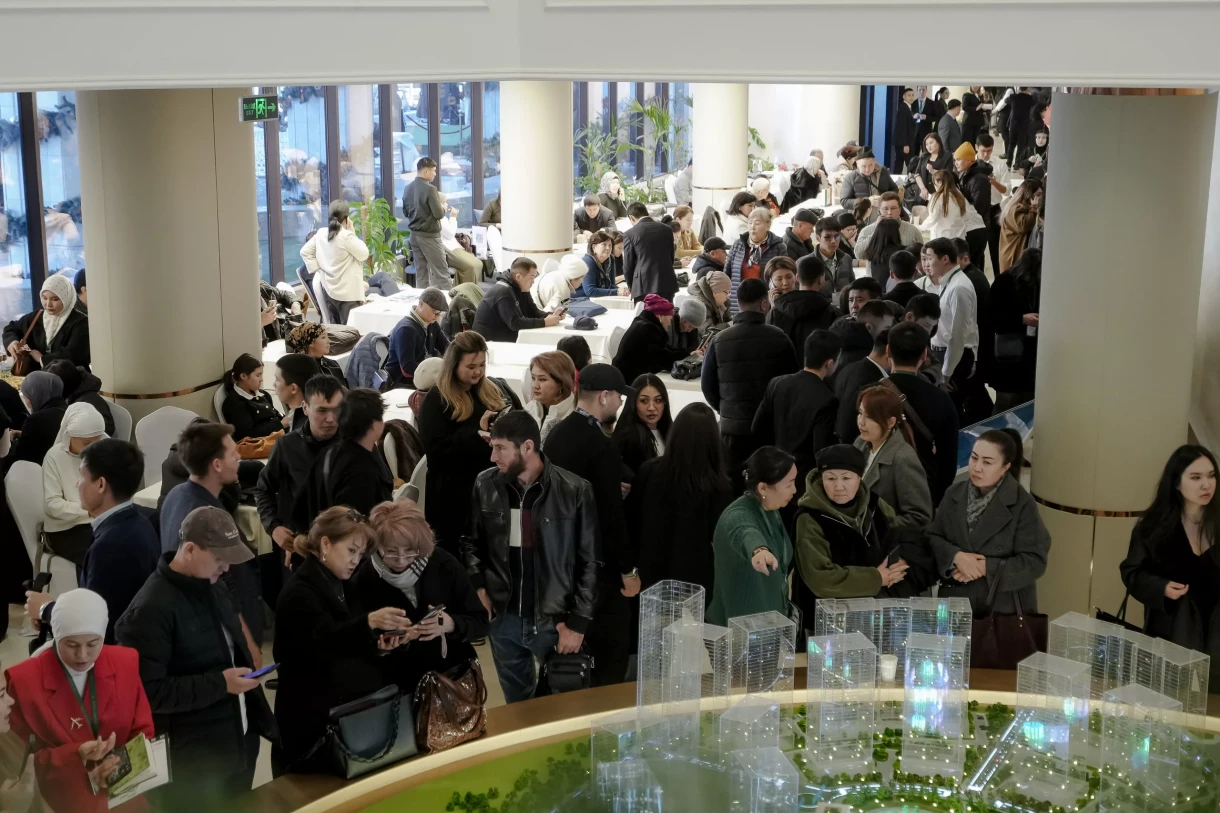
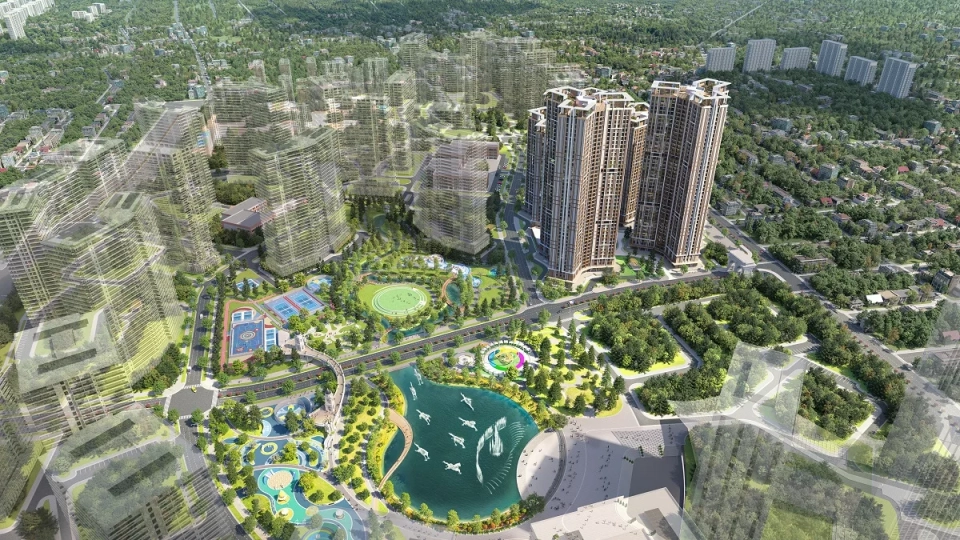
Image of Royal Central Park and the 5 towers of phase The Essence — sales will begin in January 2026.
This is the difference between a passive and a strategic approach. A passive approach leads to simultaneous borrowing and loss of cash flow, compressing IRR from the very beginning. A strategic approach allows for borrowing at the right moment and covering capital expenditures only after the asset has appreciated and the investment position has strengthened.
Investors in Royal Central Park are not just buying an apartment with a "three-year grace period." They are obtaining a structure that allows them to retain the asset during the growth phase of the Bishkek market without reducing IRR due to interest payments. In conditions where time becomes a key competitive advantage, this represents the main value that the project offers to long-term investors.
Modeling Financial Leverage (Interest-Based Model)
To demonstrate the effectiveness of financial leverage, the model is based on percentage ratios rather than the absolute value of the apartment. The investor uses a capital structure of 30% equity and 70% bank loan, with a three-year grace period during which the developer pays the interest.
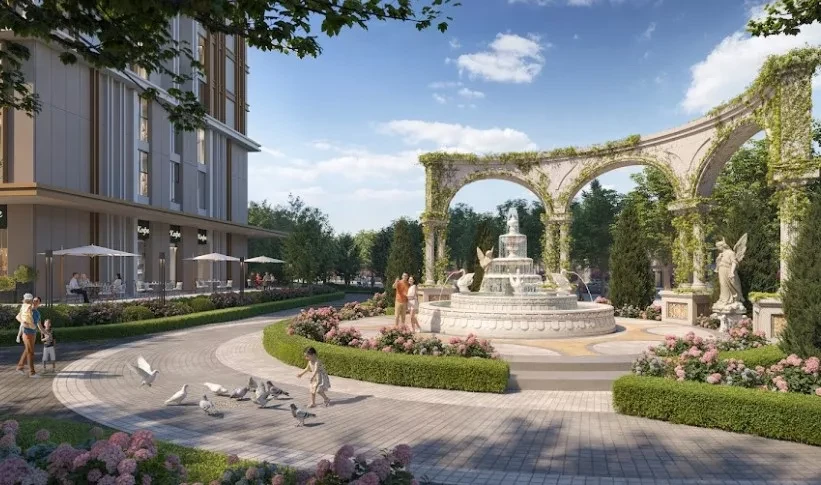
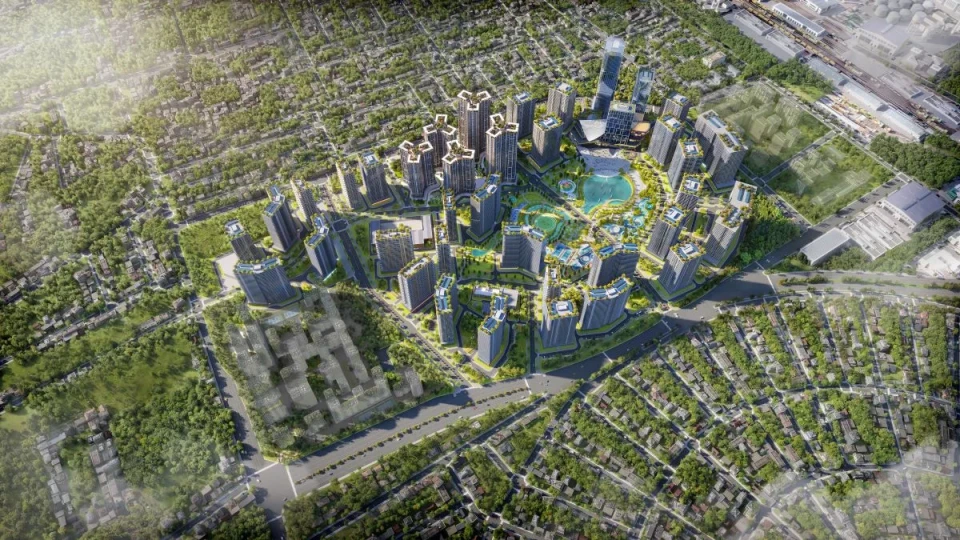
Landscape garden of phase The Essence — large-scale urban complex All-in-one Royal Central Park
The model assumes that the asset value will increase by 35% in the first year and then stabilize for the next two years. This reflects a realistic scenario that allows for the isolation of the net effect of financial leverage.
Thus, over three years, the asset value reaches 135% of the initial level, while the debt remains at 70%. The equity value is 65%, which corresponds to the difference between the total asset value and the debt. Compared to the initial 30% equity, this results in a capital gain of 35 percentage points, which corresponds to approximately 117% return on equity (ROE) over the three-year period, excluding additional factors such as rental income or refinancing.

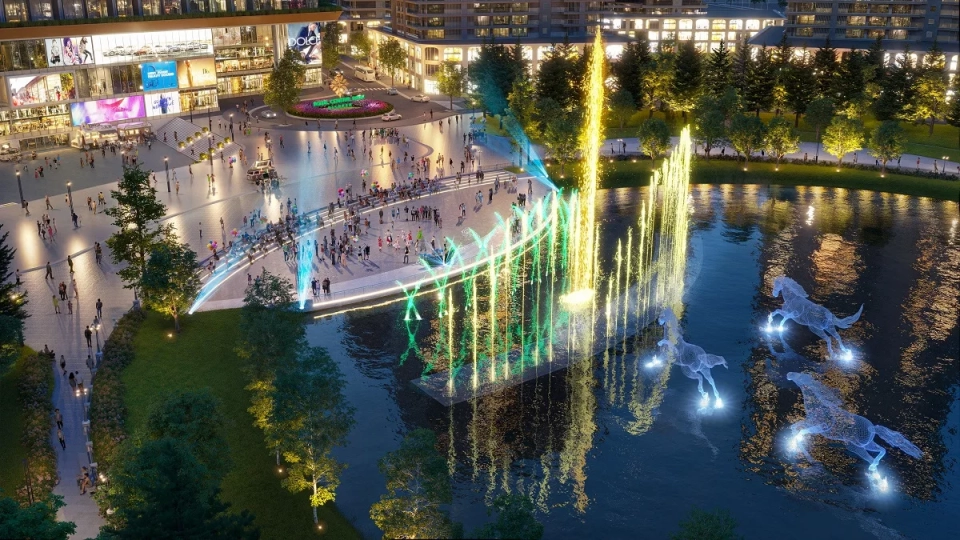
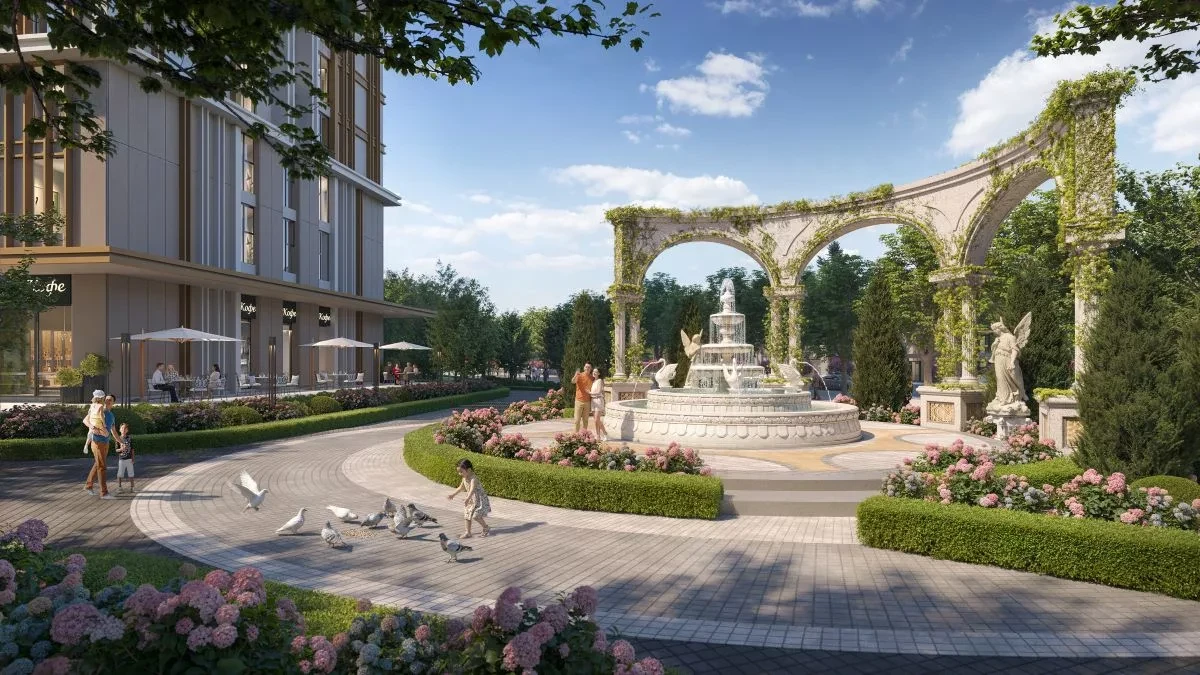
Visualization of the central garden of phase The Essence, inspired by the concept of a Greek garden
______________________________________________________
INFORMATION BLOCK:
Details of the mortgage program in Royal Central Park
- Lender: Kompanion Bank
- Maximum loan amount: up to 70% of the total apartment cost
- Grace period for principal and interest: 3 years — the developer RCA Living pays the interest for the client during the first 3 years
- Maximum loan term: up to 15 years
- No prepayment fee
- Simplified loan processing, with a special advantage — the purchased apartment in Royal Central Park is accepted as collateral for the loan agreement