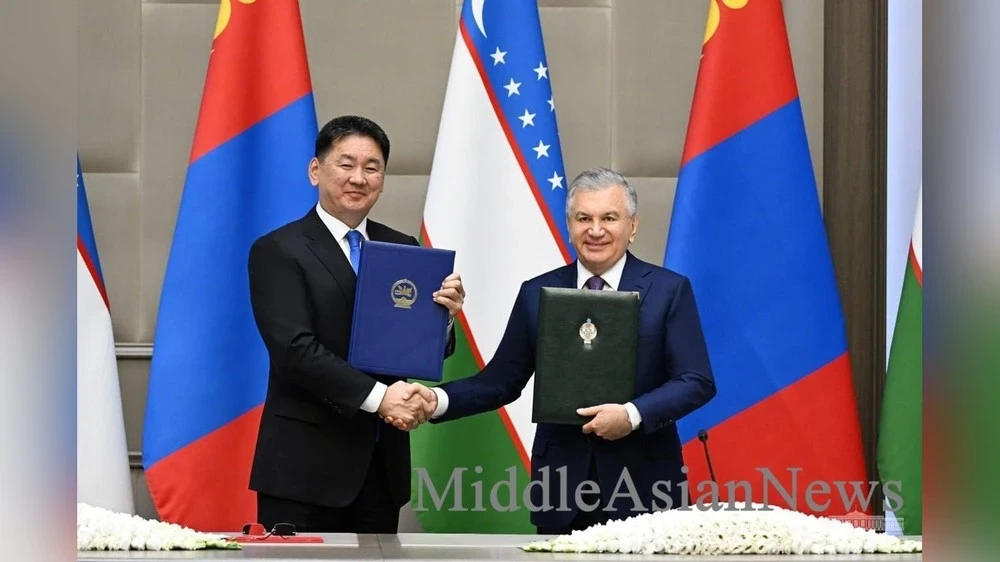
As part of the strategy for the development of the construction industry and the activation of foreign trade, Uzbekistan plans to abolish import duties on goods from Mongolia, Saudi Arabia, and some countries in North Africa. This decision was signed by President Shavkat Mirziyoyev on December 1.
According to the new rules, raw materials necessary for the production of construction materials will be exempt from customs duties until the beginning of 2028. Over the next two weeks, a final list of permissible materials will be formed by an interdepartmental commission working with the World Trade Organization.
The government sets ambitious goals for the construction sector: it is planned that the annual production of construction materials will reach 62 trillion Uzbek sums, and exports will grow to 1.5 billion dollars. The main focus will be on the production of environmentally friendly and energy-efficient materials, as well as ensuring safety.
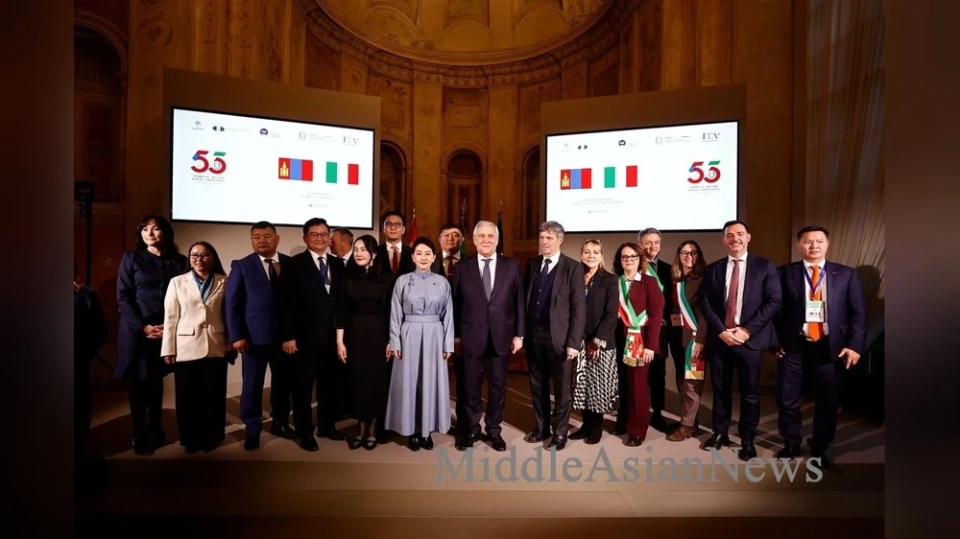
By 2027, Uzbekistan also intends to abolish import duties on goods from Mongolia, Morocco, Algeria, Tunisia, Egypt, Saudi Arabia, and Qatar. In addition, the country will introduce a mechanism for mutual recognition of certificates of origin with these states, which will simplify bilateral trade.
Uzbekistan hopes to launch new investment projects in the field of construction materials worth 3.5 billion dollars. Deputy Prime Minister Jamshid Khojaev, together with local administrations and the Council of Ministers of Karakalpakstan, has been tasked with determining the main parameters of these projects within a month.
As part of the new measures, the government instructs the border troops of Uzbekistan to ensure unhindered passage for representatives of Uzbek businesses through the "Termez" checkpoint on the border with Afghanistan, as well as to support logistics for companies engaged in international trade.
Furthermore, the export of ferrous metals and steel products (HS code 7210) will be simplified: this product will no longer require letters of credit, prepayments, or bank guarantees to obtain currency export benefits.
The law also introduces new rules for calculating import duties for countries with which Uzbekistan does not have a most-favored-nation regime. This makes imports more accessible, improves the flexibility of the system, and may contribute to the growth of foreign trade by expanding the range and reducing prices for consumers and businesses. Companies are expected to revise their logistics schemes and product assortments for import under the new conditions.
Tatar S. Maydar
source: MiddleAsianNews