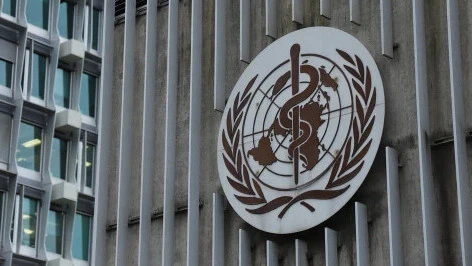
The United States of America has officially severed its ties with the World Health Organization (WHO) and now intends to engage directly with other countries and private organizations in the field of global health, reports Kazinform.
According to statements from the Department of Health and Human Services, the United States will continue to play a leading role in global health, but now outside the framework of WHO.
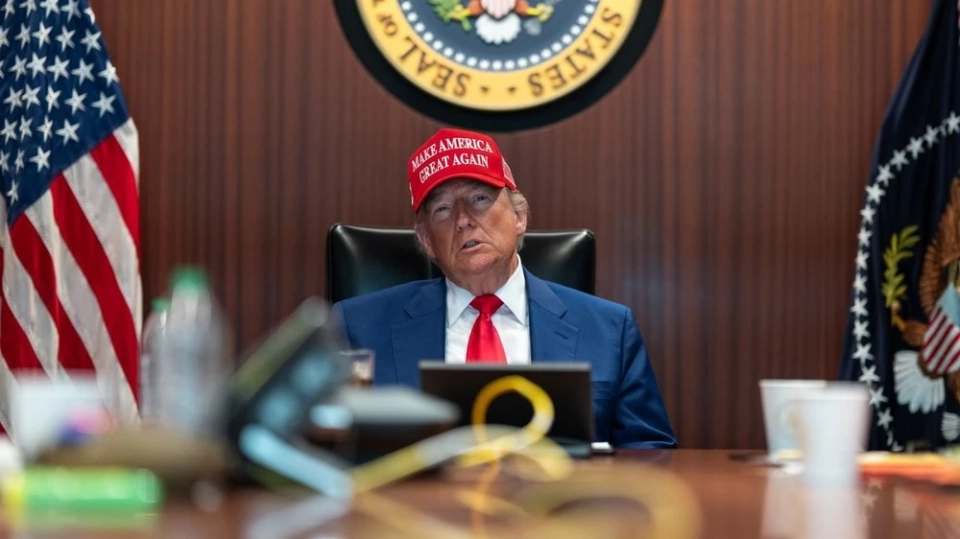
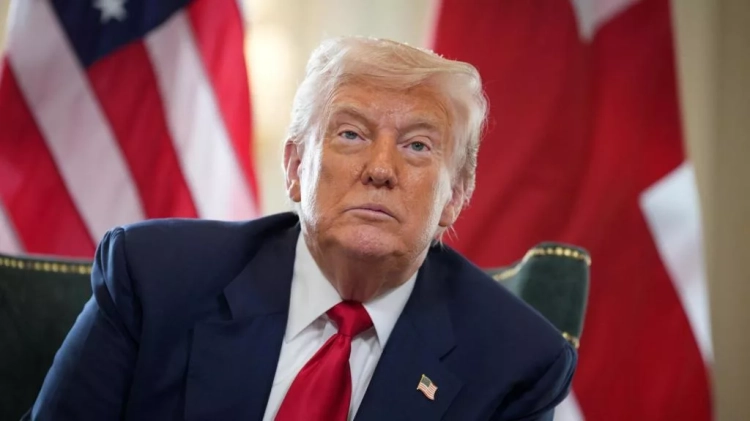
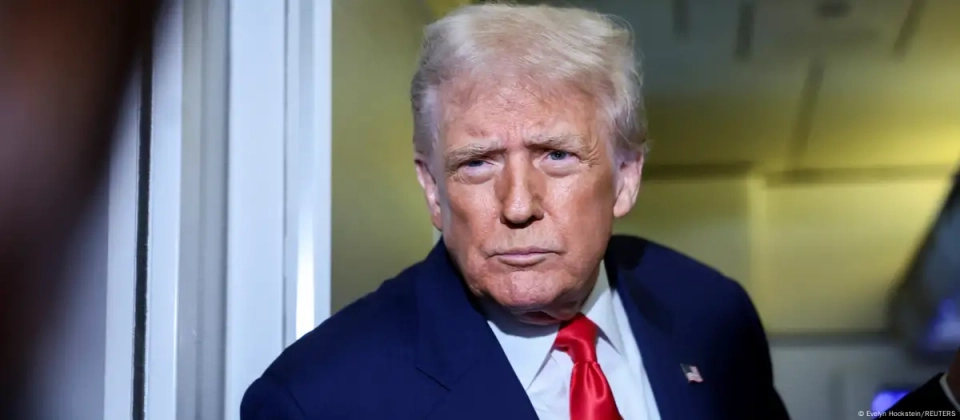
The administration of former President Trump pointed to long-standing disagreements with WHO, accusing the organization of inadequate response to the COVID-19 pandemic, as well as inefficiencies in reforms and unfair financial demands on the U.S. The State Department also reported that funding for WHO has been suspended, as the organization's mistakes have cost the U.S. trillions of dollars. As a result of this decree, American personnel were withdrawn from WHO, and U.S. participation in important international negotiations, such as those concerning pandemic responses, was halted.
Now the U.S. intends to develop cooperation with other states, as well as with non-governmental and religious organizations, as reported by NBC News. Representatives of the Department of Health did not specify whether the U.S. would participate in the upcoming annual WHO meeting scheduled for February 27.
However, the decision to withdraw from the organization is controversial, as the U.S. left a debt of $260 million, failing to pay membership dues for 2024 and 2025, according to information from Inter Bellum News. Legal experts argue that this move may violate U.S. law and complicate the withdrawal from WHO.
Now WHO is facing a budget crisis after losing its largest donor, which accounted for about 18% of total funding.
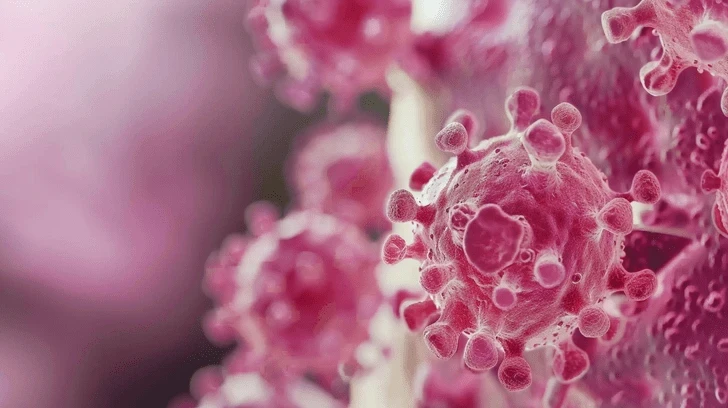
Infectious disease specialists warn that the U.S. withdrawal from WHO could lead to serious problems in disease monitoring and preparedness. This is especially dangerous in the context of the annual flu season.
“WHO has a network of 127 laboratories around the world that are involved in identifying and sequencing flu strains. WHO acts as a sort of library, and the U.S. had the opportunity to access the necessary information. Now, however, we have no access to this 'library',” noted global health expert from Harvard T.H. Chan School of Public Health, Jesse Bump.