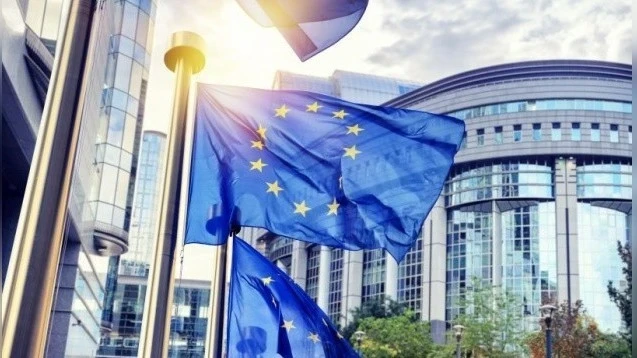
The professor emphasized that the EU became one of the first jurisdictions to establish such restrictions in 1995 as part of harmonizing legislation. The main goal of this step was to create a single market that would allow companies to exchange data for trade while preventing their immediate exit beyond this market.
“The European Union has urged states to amend their legislation to simplify trade, after which it recognized these countries as adequate within its trade agreements, as recently happened with Japan, South Korea, and discussions were held with Brazil,” the professor added.
Thus, according to him, restrictions on data transfer function as tools for conducting business between different countries, highlighting their importance in the EU's trade policy.