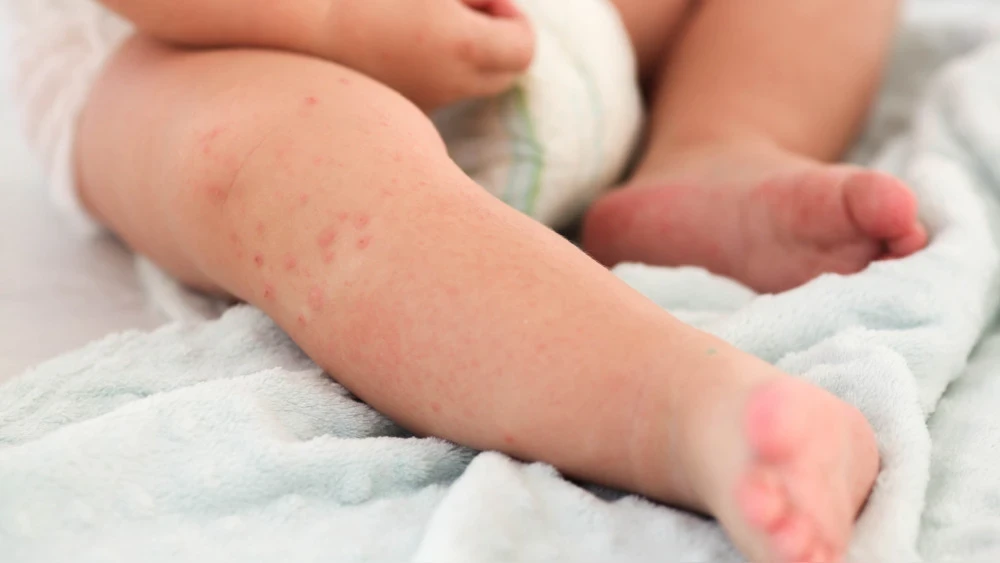
In 2025, Europe and Central Asia saw a significant decrease in the number of measles cases compared to the previous year. According to preliminary reports published by WHO, only 33,998 cases of measles were registered in this region, which is 75% less than in 2024, when the number of cases reached 127,412. However, UNICEF and WHO warn of the ongoing threat of new outbreaks, as reported by the UN press service.
The decrease in incidence is linked to the implementation of special measures and a reduction in the number of people susceptible to infection, which occurred after serious outbreaks in areas with low vaccination coverage. The WHO Regional Director for Europe, Hans Kluge, noted that over the past three years, more than 200,000 people have contracted measles in this region. Despite the positive changes, the incidence rate in 2025 remains higher than in most years since 2000. In some countries, the number of measles cases even increased compared to 2024, and cases continue to be reported in 2026 as well.
UNICEF's representative for Europe and Central Asia, Regina de Dominicis, emphasized that the factors contributing to the spread of measles persist and require a comprehensive approach to address. She highlighted the need to ensure access to vaccination for all children and to combat the spread of misinformation about vaccines.
According to data from 2024, the number of countries where endemic measles transmission persists or is reestablished increased to 19, compared to 12 in the previous year, as determined by the European Regional Verification Commission for Measles and Rubella Elimination.
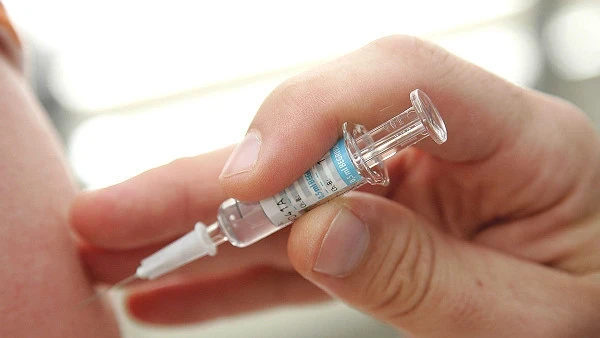
To prevent and control the infection, UNICEF and WHO, together with the governments of the region, are implementing various measures. These efforts include working with local communities, training healthcare workers, strengthening vaccination programs and epidemiological surveillance systems, as well as catch-up vaccination campaigns.
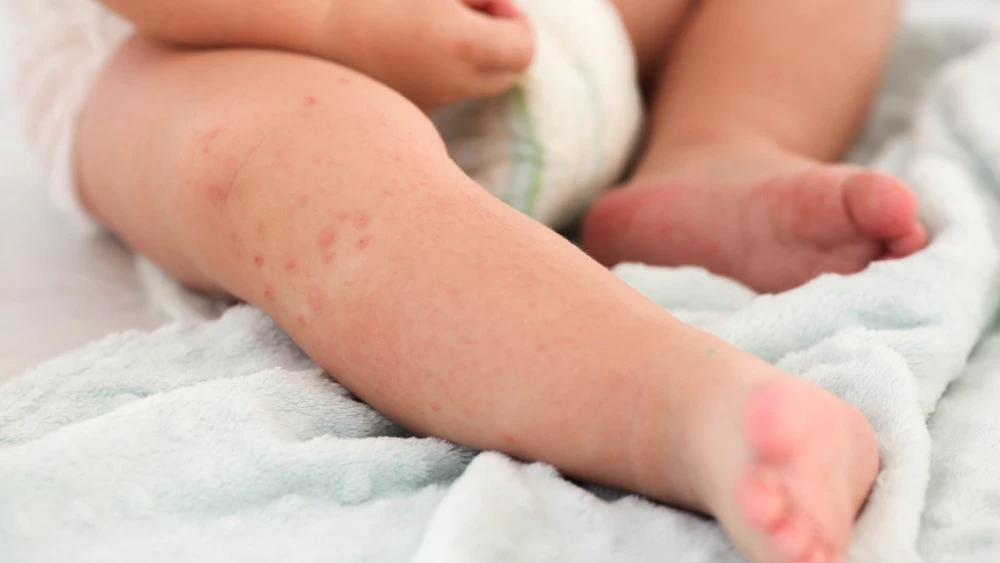
Measles is one of the most contagious viruses, capable of infecting up to 18 unvaccinated individuals from one infected person, making it 12 times more contagious than influenza. The disease can lead to serious complications, hospitalization, and even death, as well as weaken the body's immune memory, increasing the risk of other infections.
Two doses of the measles vaccine provide up to 97% lifelong protection. To achieve herd immunity, at least 95% of the population must be vaccinated, which will help protect infants who have not yet reached the vaccination age, as well as individuals with medical contraindications.