The WHO reported that outbreaks of measles occurred in the mentioned countries in 2024. According to established rules, a country loses its status if there is continuous transmission of the virus for more than a year.
Among the main reasons for the increase in morbidity, experts highlight insufficient vaccination, which leads to a decrease in immunity, especially among children. In the countries that lost their status, children under 10 years old remain the most vulnerable.
Additionally, the WHO notes that the measles virus is actively spreading across many regions of Europe and Central Asia. A significant deterioration of the situation is observed in Romania, while countries with high morbidity include Georgia, Russia, Ukraine, Turkey, France, Germany, Poland, and others. In Central Asia, Kazakhstan and Kyrgyzstan are mentioned in this context.
Since the majority of measles infections have been registered among the unvaccinated, the WHO strongly recommends that vaccination coverage with two doses of measles vaccine reach at least 95% of the population.
To restore the status of a country free from measles, Uzbekistan must ensure the absence of virus circulation for three years and significantly strengthen epidemiological control.
Uzbekistan was officially recognized as free from measles and rubella in 2017. This decision was made based on an analysis of morbidity data from 2014 to 2016.
However, since then the situation has worsened. For example, in 2022, there were only 8 cases of measles in the republic, while in 2023, 1026 cases have already been registered, with morbidity particularly high among children under one year old, many of whom have not received a single dose of the vaccine.
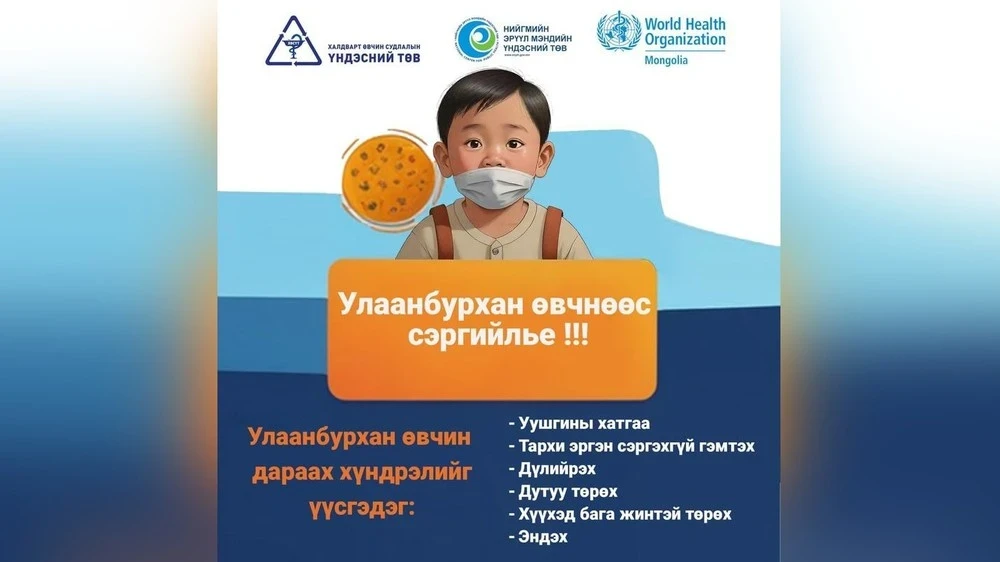
Measles is an acute infectious disease of viral origin, characterized by high fever, cough, runny nose, sore throat, and rashes. This disease can lead to serious complications such as pneumonia, bronchitis, and encephalitis. The only effective way to protect against measles is vaccination.