Overchuk noted that the open customs border with partners in the EAEU creates conditions for the influx of goods that contribute to unfair competition in the Russian market. He emphasized that Russia plans to take "very strict measures" to combat this practice.
To enhance control in this area, a system for confirming the expected delivery of goods (SPO) was launched this year, under which the importer is required to confirm the transaction for the supply of goods from an EAEU member state and issue the corresponding document.
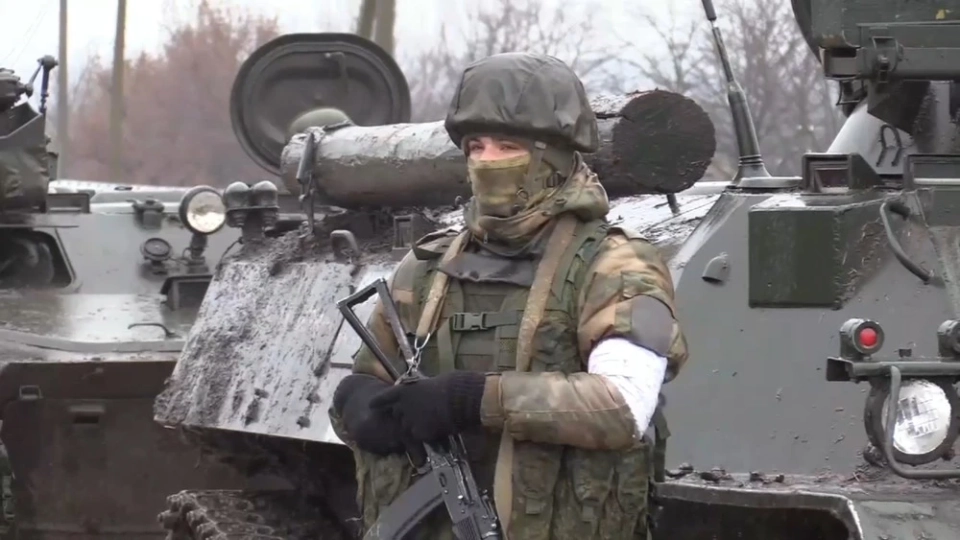
Starting from September 2025, as part of the fight against illegal import and export of goods, the Federal Customs Service of Russia was instructed to strengthen the work of mobile groups at the borders with Belarus and Kazakhstan.
“This is not a temporary initiative,” Overchuk noted. “We will maintain this control permanently. Some have tried to take advantage of the situation at the border with Kazakhstan, hoping for a relaxation of control. But that will not happen. We adhere to a clear position,” he added.
Inspections are conducted jointly with the Ministry of Internal Affairs, the National Guard, the Border Service of the FSB, the Rosselkhoznadzor, the Rospotrebnadzor, and the Rostransnadzor. According to the official, in 2025, mobile groups identified more than 9,000 vehicles transporting 137,000 tons of goods in violation of Russian legislation.
In addition to these measures, Russia has begun to combat "gray" certificates issued in EAEU countries without proper expertise.
“When we strengthened control within the country, we noticed that the relevant documents began to appear on the platforms of our EAEU partners. Products arriving with such certificates create unfair competition for Russian producers and may pose a danger to consumers. To protect the domestic market from counterfeit goods, at the end of 2025, the State Control and Rosakkreditatsiya authorities were granted the power to suspend the validity of certificates issued in EAEU countries,” he reported.
Furthermore, Overchuk reminded that from February 11, electronic navigation seals began to be used in the EAEU. They are intended to help prevent the entry of goods that should not be in the Russian market.
The Eurasian Economic Union (EAEU) includes five countries: in addition to Russia, these are Kazakhstan, Kyrgyzstan, Belarus, and Armenia.
Kazakh political scientist Marat Shibutov commented on Overchuk's statement, questioning the compliance of permanent customs control with the statutory documents of the EAEU. He noted that such measures should be coordinated with partners and inquired about possible retaliatory actions from Kazakhstan and Belarus, adding that integration should not be one-sided.
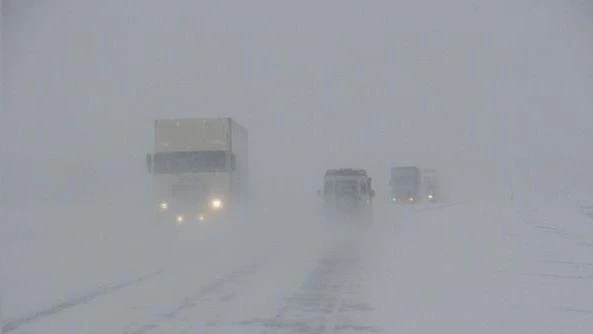
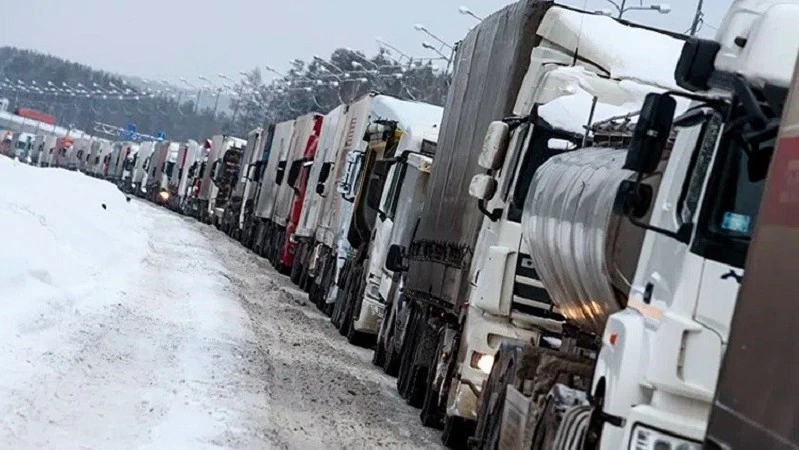
Last autumn, multi-kilometer traffic jams of trucks formed at the border between Kazakhstan and Russia. Market participants noted that the congestion was record-breaking, with between 2,500 to 15,000 vehicles on different days. The customs services of the two countries shifted the responsibility for the situation onto each other. As a result, the Federal Customs Service of Russia accused unscrupulous businessmen of delays, claiming that truck drivers planning to import goods illegally avoided inspections. The Kazakh side, in turn, cited the tightening of control by Russia as the reason for the problems.
The transport collapse led to an almost complete halt of the western route for delivering goods from China to Russia. To improve the situation, in October, Moscow introduced a simplified border crossing procedure that was in effect until the end of 2025.