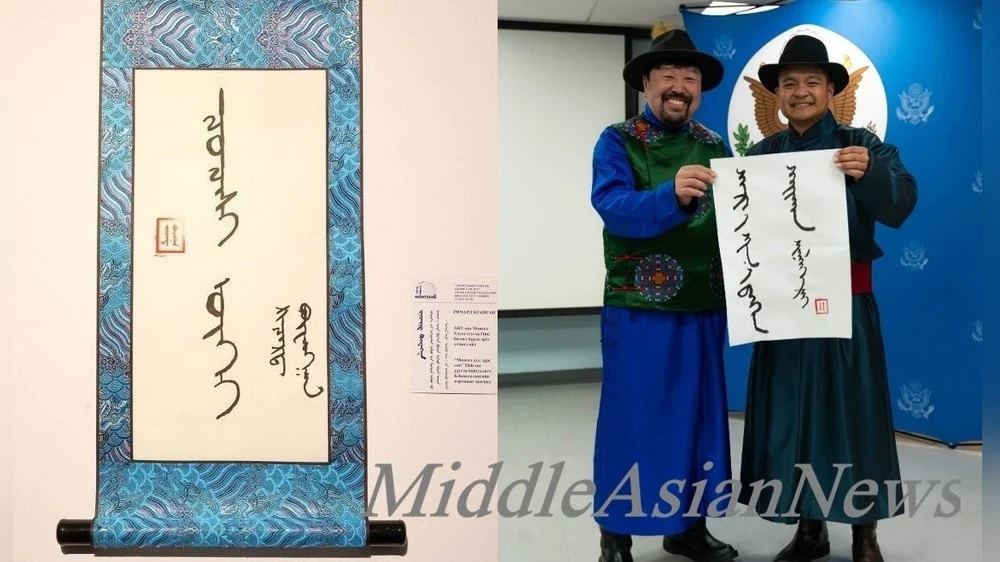
While artifacts taken from Mongolia over a century ago are now displayed in the Hermitage, two unique sutras, representing significant historical and cultural heritage of Mongolia, have been returned from the library of the University of Bern to the country.
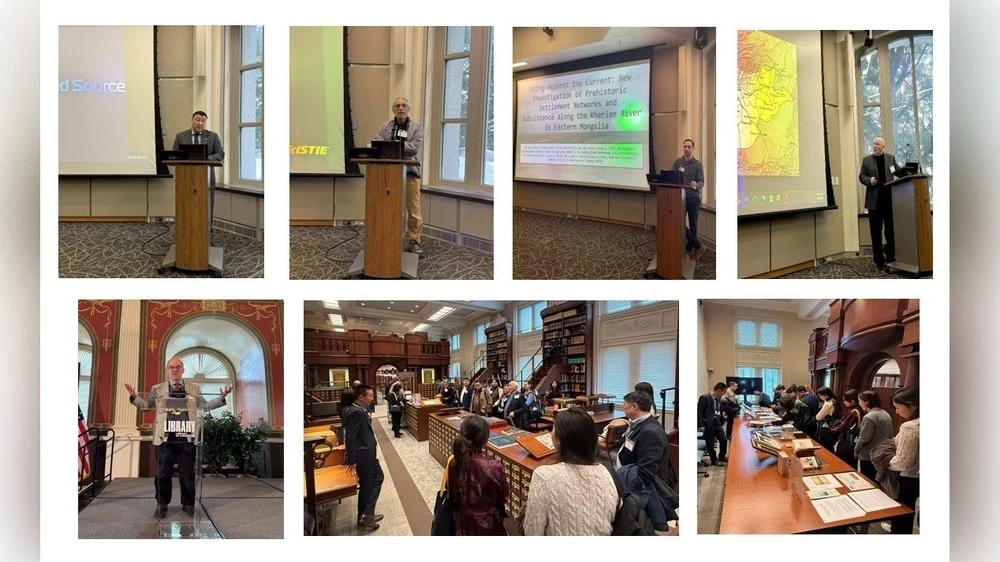
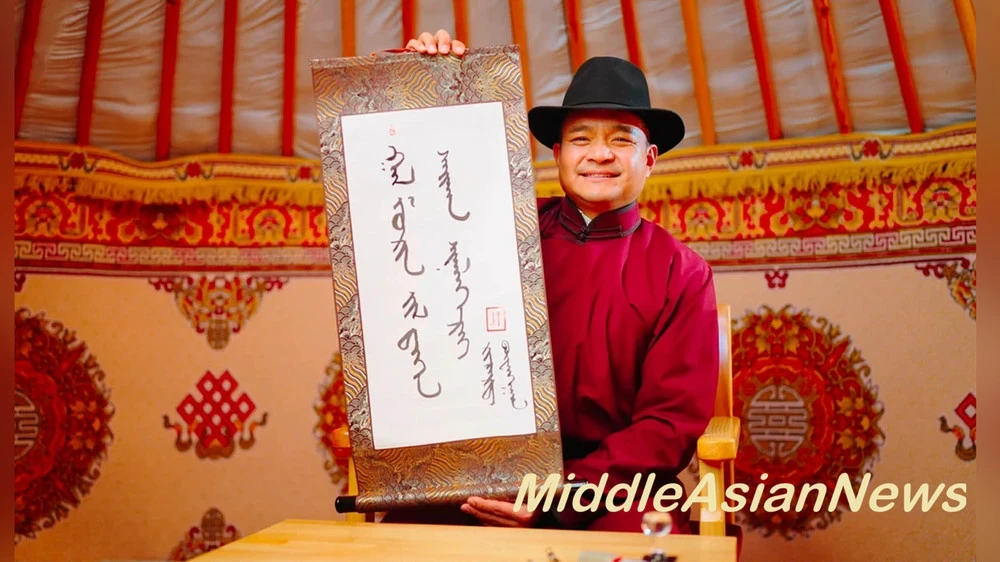
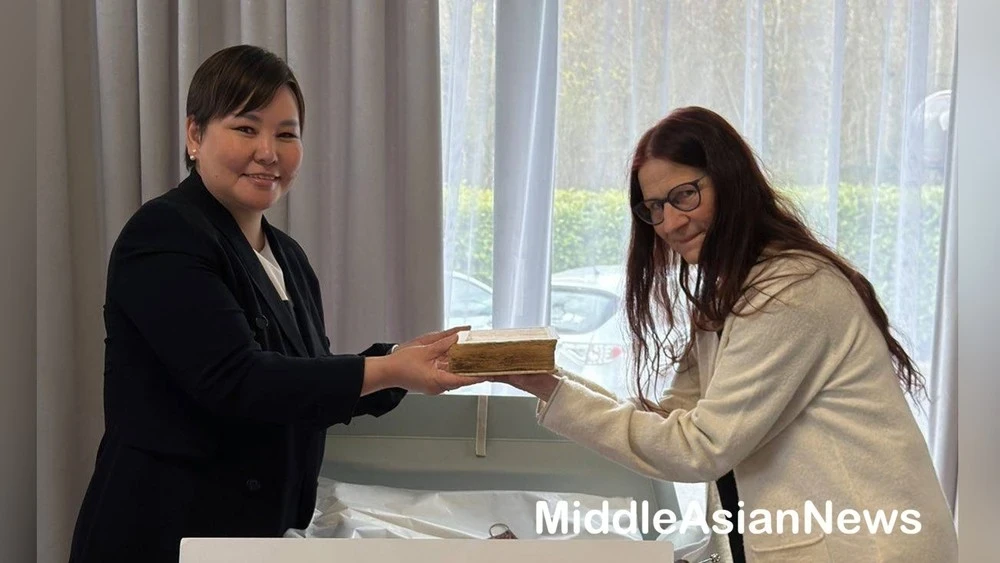
On March 31 of this year, a solemn ceremony was held at the Embassy of Mongolia in Switzerland, during which two rare sacred texts, part of Mongolia's cultural heritage, were returned. These documents had been stored in the library of the University of Bern, as reported by MiddleAsianNews.
The return of the sutras was made possible thanks to the significant contribution of Dr. Karenina Kollmar Paulentz, a professor at the Institute of Religious Studies at the University of Bern. Long studies in the field of Mongolian studies and the university's official decision in accordance with existing norms allowed this process to take place.

The first sutra is a 17th-century manuscript containing the Mongolian translation of "The One Hundred Thousand Songs of Milarepa," created by the Tibetan poet and yogi Milarepa. The scholar monk Shireet-gushu Tsoorju, known as the "good translator," completed this translation at the request of Onbo Khun-taiji, a prominent Tumet nobleman. According to the colophon, the manuscript is dated around 1615 and is a valuable source for studying the history of Mongolian Buddhist literature.
The second text is a rare edition of the heroic epic of Gesar, printed in Beijing in 1716 using traditional woodblock printing. This translation was commissioned by Prince Onbo-noyon and was also done by Tsoorju. Although this volume is incomplete and contains only key chapters, it is of great significance for studying the Mongolian epic tradition and the early history of printing.
Both sutras previously belonged to the private collection of scholar Richard Ernst and were later stored in the library of Bern. They are now returning to their homeland for preservation and further study.
This return symbolizes an important step in the preservation of Mongolia's cultural heritage and highlights the strong ties between academic and cultural cooperation between Mongolia and Switzerland.

Representatives of the Mongolian people, including the Ambassador of Mongolia to Switzerland, Gerelmaa Davaasren, and embassy staff, express their deep gratitude to the University of Bern and Professor Karenina Kollmar Paulentz for their care for Mongolia's cultural heritage and assistance in its return.
What you need to know about Milarepa
Milarepa Shepa Dorje ( རྗེ་བཙུན་མི་ལ་རས་པ, Wylie Rje-btsun Mi-la-ras-pa, 1052—1135) is a prominent teacher of Tibetan Buddhism, a renowned yogi and poet, author of many songs and ballads popular in Tibet. He is one of the founders of the Kagyu school, and his teacher was Marpa the Translator.
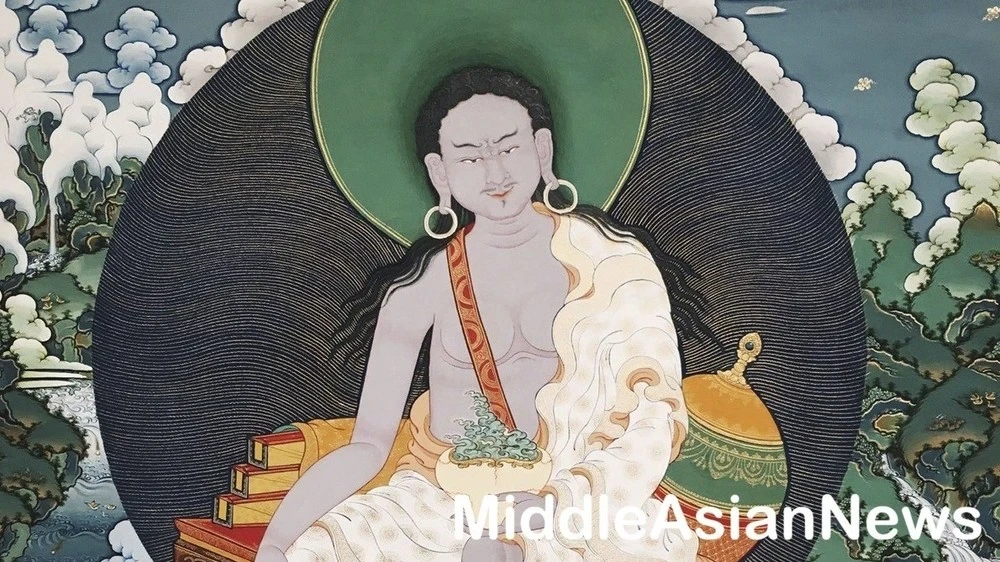
The details of his life are described in various sources. He came from a well-off Tibetan family, but after the sudden death of his father, his uncle took all the property, subjecting Milarepa and his family to harsh treatment. His mother insisted that he learn magic to take revenge on his uncle. Before Milarepa was accepted for study, the masters of magic checked his history. After completing his training, during a celebration, he caused a roof collapse that resulted in the death of 35 people, although his uncle and aunt survived. The villagers, outraged, became even more hostile towards his family, and he summoned a storm that destroyed the crops.
Realizing that revenge was wrong, Milarepa began to seek a Buddhist teacher to atone for his karma. He was directed to Marpa, who, having seen a diamond in a dream, accepted him but with strict conditions. Milarepa tried many times to gain knowledge, but Marpa refused him, forcing him to do hard labor. Eventually, after much effort, Marpa agreed to take him as a student and teach him meditation. It is said that Marpa intentionally created difficult conditions to help Milarepa rid himself of negative karma. After twelve years of meditation, Milarepa attained Vajradhara.
At the age of 45, he settled in the Drakar Taso cave and became a wandering teacher, mastering many meditation practices that he passed on to his students.
His most famous students were Rechung and Gampopa, the latter of whom became the main successor and developed Milarepa's tradition.