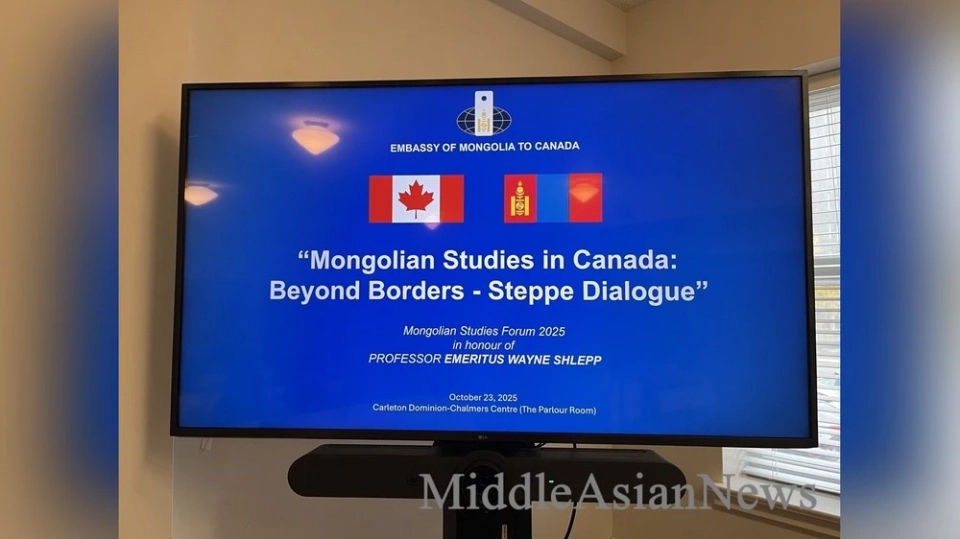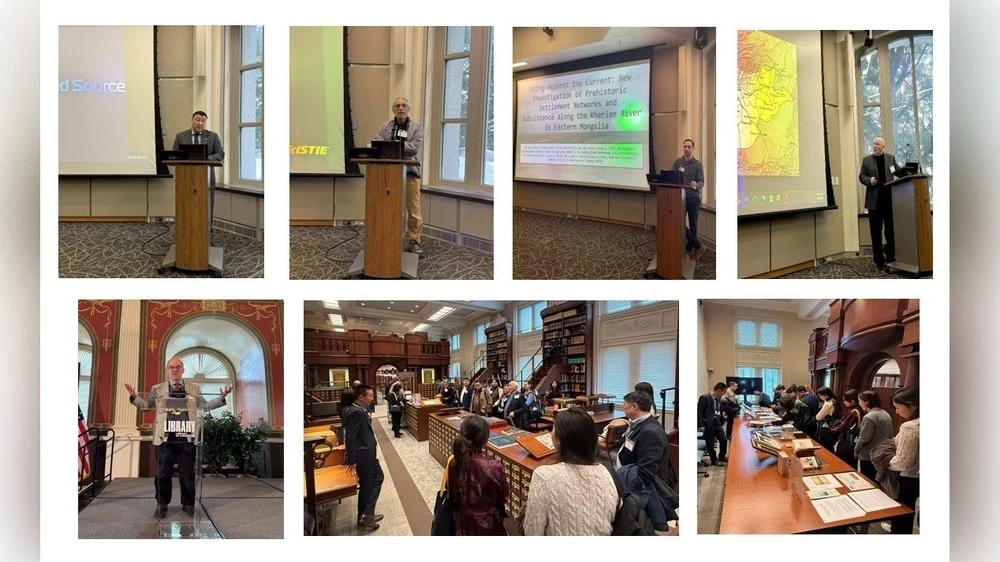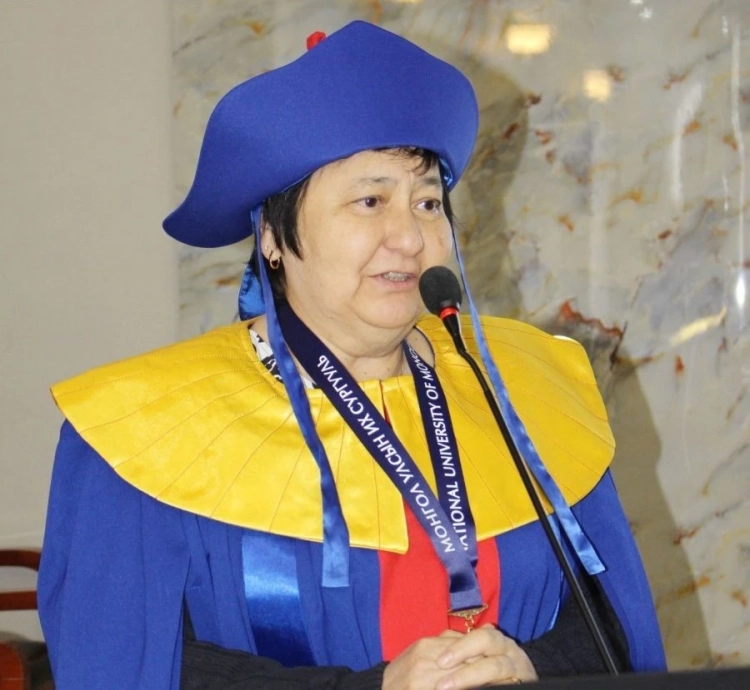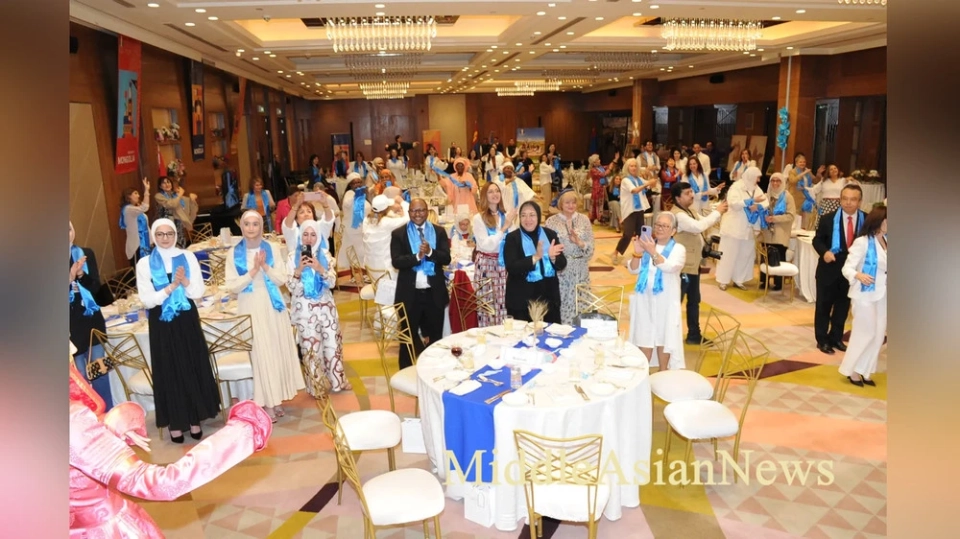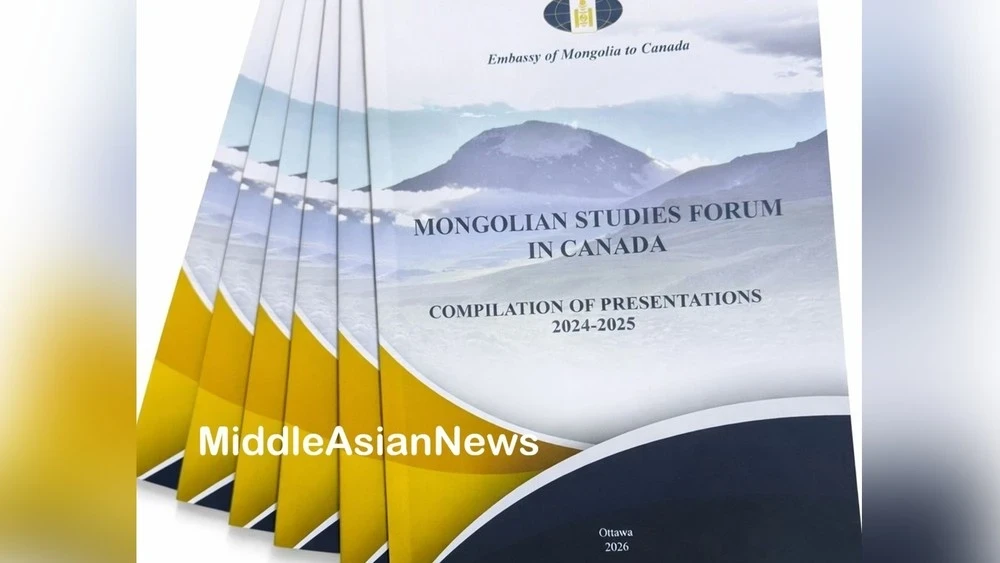
MiddleAsianNews reports that the Embassy of Mongolia in Canada has released a collection titled "Forum on Mongolian Studies in Canada." It includes reports that were presented at forums held in Ottawa in 2024 and 2025.
The collection features works by Canadian scholars engaged in Mongolian studies, covering a variety of topics such as the history, culture, traditions, and archaeology of Mongolia. It also includes reports from prominent researchers from both countries regarding Mongolia's position in the region, its foreign policy, development issues, and the significance of relations between Mongolia and Canada.
This publication aims to enrich academic knowledge about the past, present, and future of Mongolian studies in Canada. It will also promote the establishment of scientific connections and expand opportunities for collaboration among researchers.
The collection pays tribute to the outstanding scholars who laid the foundations of Mongolian studies in Canada over the past fifty years and reflects the ideas of contemporary researchers on how to develop and deepen Mongolian studies in the country.
Since 2023, when a joint event by the embassy and the University of Toronto on Mongolian studies was held to celebrate the 50th anniversary of diplomatic relations between Mongolia and Canada, the embassy has been regularly hosting the Forum on Mongolian Studies aimed at reviving and strengthening Mongolian studies in Canada.
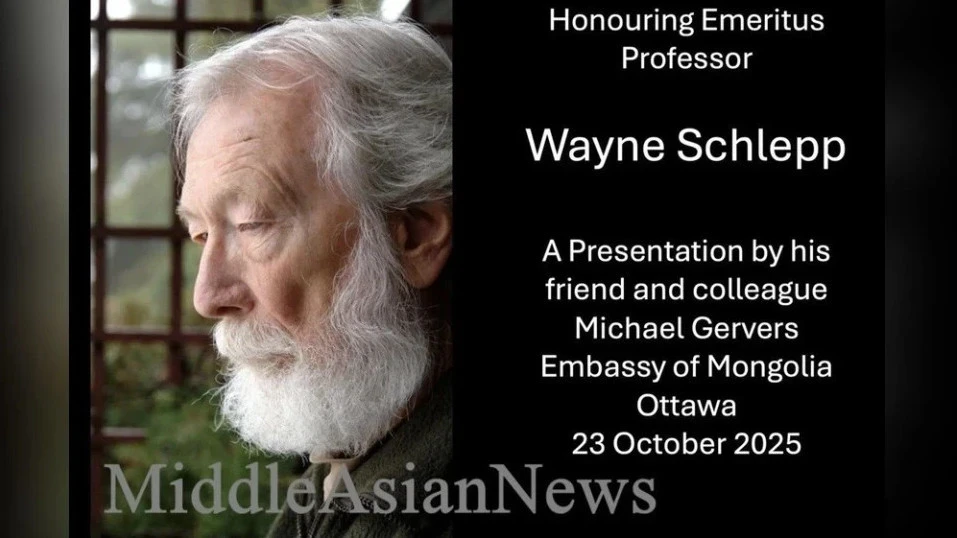
The founder of Mongolian studies in Canada is considered to be Professor Wayne Schlepp, who was born in 1931 in South Dakota. His childhood in the prairies, where he grew up, shaped his character, for which he was grateful throughout his life. After serving in the U.S. Army during the Korean War and studying at the Army Language School, where he learned Chinese, he spent the remainder of his service in an intelligence unit in Tokyo.
Upon returning to the U.S., Wayne Schlepp began working in the Department of East Asian Studies at the University of Toronto. During this period, he conducted research on Chinese poetics and the grammar of the Mongolian language, the results of which were published in such journals as the "Journal of Chinese Linguistics," "Journal of American Oriental Society," "Mongolian Studies," and "Asian Folklore Studies."
The collection "Forum on Mongolian Studies in Canada" is anticipated as one of the results of these efforts, which will be of interest not only to researchers but also to anyone interested in Mongolia. The book can also be read online at this link.