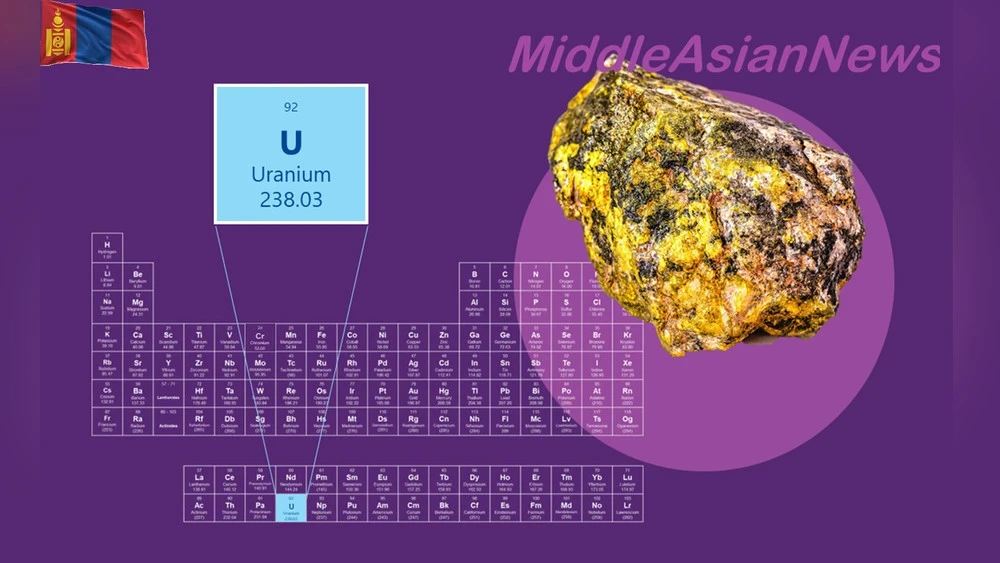
This article from the authoritative American publication The Diplomat examines how Mongolia can learn from Kazakhstan's experience in uranium mining. Discover why this experience is critically important for Mongolia.
Mongolia is striving to develop its infrastructure in critical minerals to broaden the horizons of its mining industry. However, this process is progressing slowly.
The economy of Mongolia has long been heavily tied to natural resources. Despite the presence of various minerals such as copper, coal, and iron ore, recent emphasis has shifted towards uranium and critical minerals. In the context of increasing competition among countries for uranium and rare earth elements, which provide a strategic advantage, Mongolia's mining sector finds itself in a challenging situation.
The goal of the Mongolian government is to utilize its natural resources not only to diversify mineral extraction but also to attract foreign investors. In particular, to develop the uranium sector, Ulaanbaatar can draw on the experience of countries like Kazakhstan.
According to forecasts from the World Nuclear Association, global consumption of nuclear energy, which is based on uranium, is expected to grow by 30% by 2030 and could double by 2040. This is due to many countries actively addressing climate change issues and investing in artificial intelligence and data centers. However, uranium supplies are not keeping pace with the growing demand, raising doubts about their long-term availability.
The leading countries in uranium reserves and production are Australia, Kazakhstan, and Canada, while the largest consumers remain the USA, Russia, China, and France. On this central and competitive market, new reliable suppliers are actively sought, especially in Central Asia and Europe, and Mongolia could occupy one of these niches.
According to the Mongolian Mineral Resources, Oil and Gas Authority, the country has about 190,000 tons of identified uranium reserves, which accounts for about 3% of the world's known reserves. These reserves are comparable to those of both China and the USA. There are 13 registered uranium deposits in Mongolia, with several exploration and mining licenses held by foreign companies.
Additionally, the Mongolian government actively supports geological exploration both domestically and abroad, and it is estimated that potential uranium reserves could reach 1.5 million tons.
Despite these impressive figures, Mongolia still has to turn its reserves into sustainable large-scale production. The uranium sector faces a number of challenges.
The legal framework for uranium mining in Mongolia was established in 2009 with the adoption of the State Policy on Nuclear Energy and the Law on Nuclear Energy.
The 2009 law operates alongside the mining laws adopted in 2006. Companies, both local and foreign, face difficulties in regulation and licensing.
Numerous changes in legislation from 2006 to 2025 — more than a dozen amendments to the Law on Nuclear Energy and several dozen to the Law on Minerals — have created an atmosphere of legal instability.
Kazakhstan, unlike Mongolia, has chosen a more consistent approach and has achieved significant success, which can serve as an example for Mongolia.
KAZAKHSTAN'S SUCCESSES IN THE URANIUM SECTOR
In the early 1990s, the French state company Orano began its operations in both Kazakhstan and Mongolia, but their paths diverged significantly. In Kazakhstan, the joint venture KATCO, created by Orano and the national company Kazatomprom, successfully transitioned from exploration to production, starting operations in 2006. Since then, the plant has produced over 46,000 tons of uranium, with an annual capacity of about 4,000 tons, which corresponds to approximately 7% of global production.
Today, Kazakhstan holds a leading position in the world in uranium production, accounting for over 40% of the total volume. Although uranium production rates in Kazakhstan have slowed in recent years, consistent state policy, technological leadership — especially in the application of in-situ leaching methods — and recent legal reforms have helped strengthen its position as a reliable global supplier.
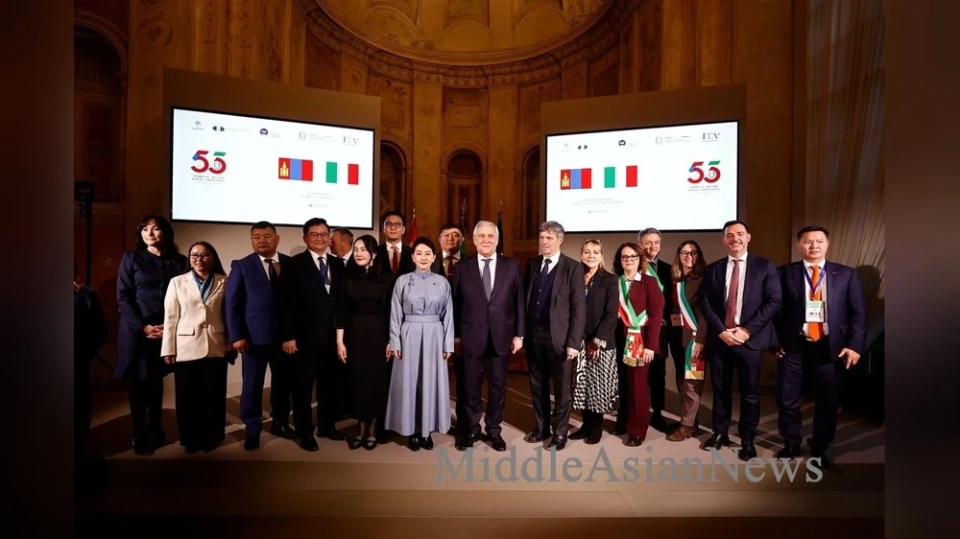
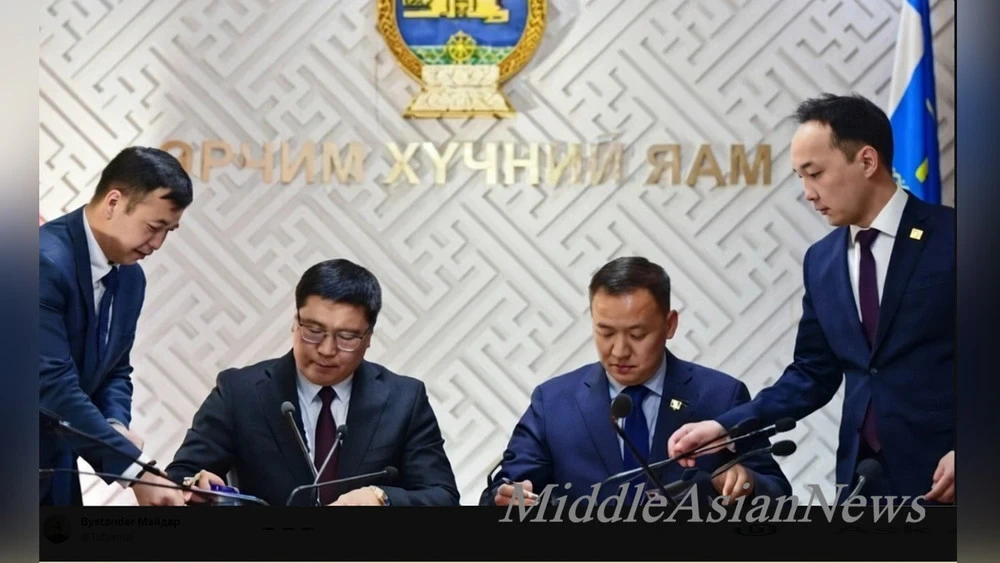
Mongolia's cooperation with Orano has not yielded immediate results. The process of exploration, licensing, and working on feasibility studies has taken over 20 years. A breakthrough occurred as a result of high-level diplomatic negotiations in 2023 and 2024, when Mongolia and Orano signed a major investment agreement worth about $1.6 billion for the development of the Zöevch-Ovoo deposit. Production is expected to start in 2028. To date, Orano has invested about $250 million in pilot projects and initiatives to develop the local sector.
It is estimated that the Zöevch-Ovoo deposit in Mongolia contains about 90,000 tons of uranium, making it one of the largest undeveloped deposits in the world. At full capacity, the plant could produce about 2,750 tons of uranium per year, which would account for around 4% of global production. This project is viewed not only from an economic perspective but also as a way to restore foreign investors' trust in the Mongolian mining sector, especially in uranium.
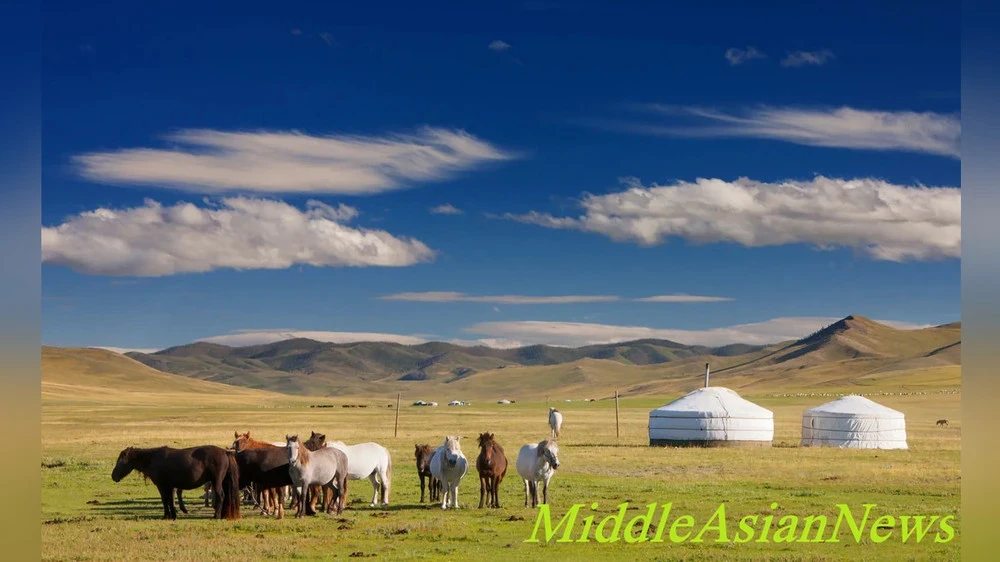
However, the local population's response to uranium development is mixed. Public concerns in Mongolia focus on environmental and health impacts, such as risks of radioactive exposure, groundwater contamination, and the generation of toxic waste. Reports of mutations in livestock and deterioration of the ecology intensify opposition within the country. However, international experience shows that the level of radiation exposure in uranium mining is generally lower than in many medical radiological procedures, provided that necessary safety measures are followed.
The geological conditions in Mongolia are well-suited for in-situ leaching, and it is estimated that this method could extract up to two-thirds of known resources. Effective application of in-situ leaching could help address two major concerns of the population: groundwater protection and land use for grazing. The strategic partnership with Kazakhstan until 2024 provides Mongolia with a chance to learn and implement new technologies.
STRATEGIC IMPORTANCE OF MONGOLIA'S MINING SECTOR
The mining sector of Mongolia, especially in uranium and critical minerals, holds strategic importance for global partners of Ulaanbaatar seeking to ensure supply chain reliability. Mongolia can start with its two closest neighbors.
It is projected that by 2030, uranium consumption in China will account for a significant share of global figures. Mongolia, already a major exporter of coal and copper to China, can add uranium to its export portfolio, leveraging geographical proximity and existing trade infrastructure.
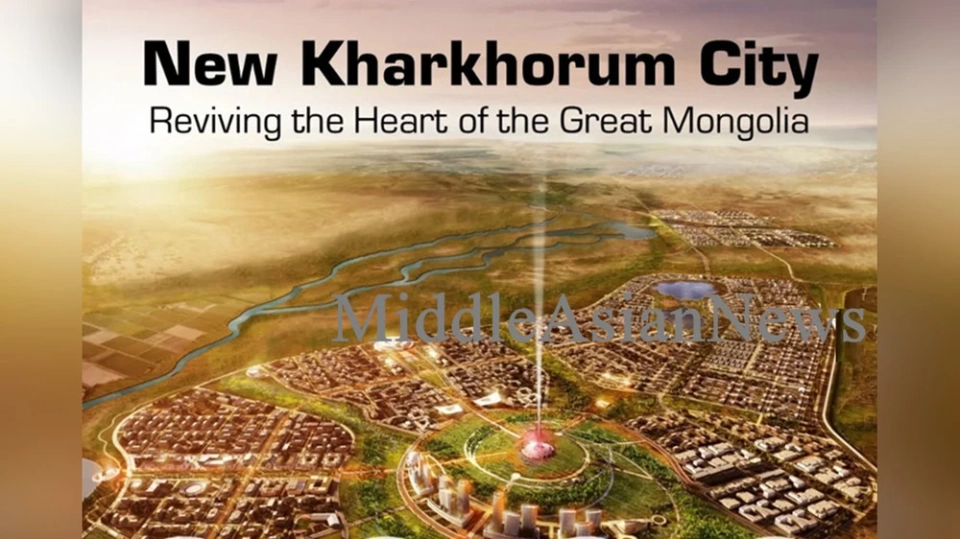
Russia, as a major player in the global nuclear industry, is also interested in deepening cooperation with Mongolia. In 2023, the Russian corporation Rosatom signed a memorandum on the possibility of constructing a small nuclear power plant in Mongolia and opened an office in Ulaanbaatar. The new city of Kharkhorin could become the first in the country to host a nuclear power station.
In addition to its neighbors, other countries, including France, Canada, Japan, South Korea, the Czech Republic, the UK, and the USA, are also showing interest in Mongolia's uranium sector.
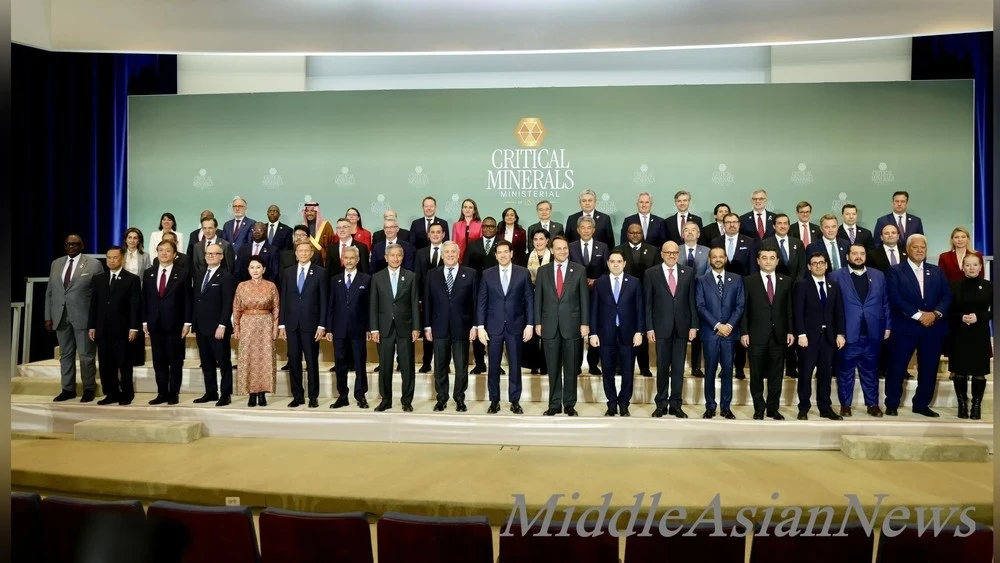
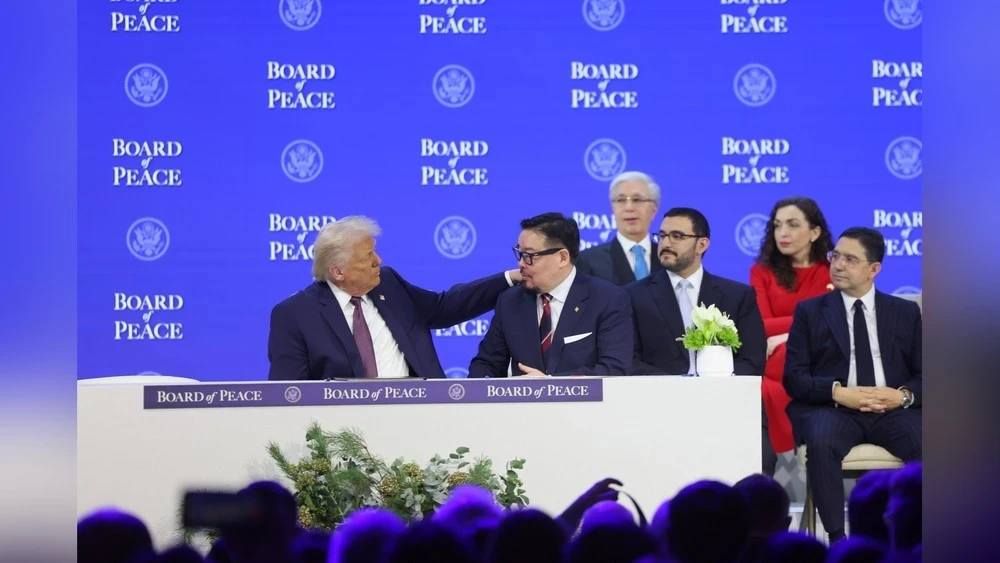
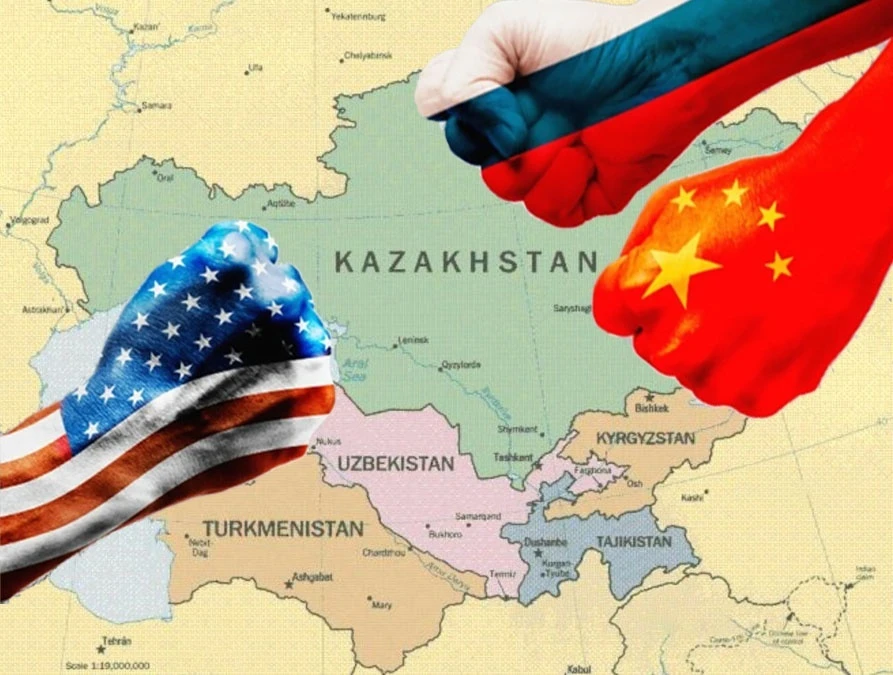
In January 2026, Mongolia, along with 50 other countries, participated in the US initiative to develop critical mineral resources by 2026, aiming to attract American investments in these sectors. In 2025, the US Geological Survey included uranium on the list of strategically important minerals. A survey of American experts conducted by the Center for Strategic and International Studies in January 2026 indicated that critical minerals would become a focal point of Sino-American economic rivalry, with Mongolia at the center of this process.
Mongolia has its reasons for focusing on critical minerals. As the global community gradually moves away from coal, the country needs to diversify its resource-oriented economy.
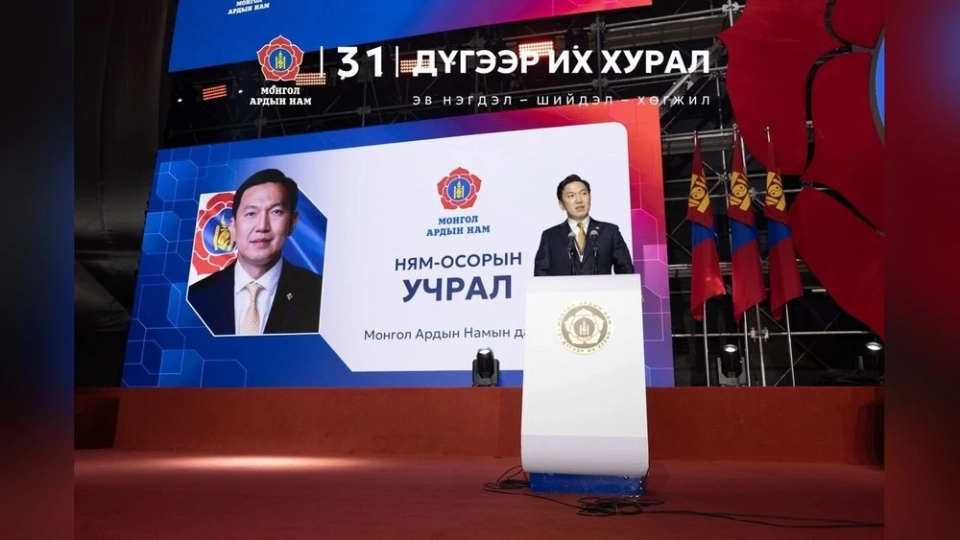
The government of Oyun-Erdene Lkhagvasuren has signed a new memorandum of understanding with four private mining companies, committing to transfer 60% of strategic profits from mining activities to the population through a new Sovereign Wealth Fund. These measures, combined with effective management and transparency, could create a solid foundation for the development of the mining sector in Mongolia and help attract investments. Stable uranium supplies could also contribute to the development of the domestic nuclear sector.
Responsible development of uranium deposits and critical minerals paves the way for sustainable economic growth, strengthens energy diplomacy, and allows Mongolia to restructure mineral supply chains, starting with its neighbors in Northeast Asia.
Author: Bolor Lkhaajav — a researcher specializing in Mongolia, China, Russia, Japan, East Asia, and America. She holds a master's degree in Asian Pacific Studies from the University of San Francisco.
Co-author: Anar Gankhuu — a senior analyst in the mining sector specializing in project efficiency management. His research interests include sustainable development, integrating sustainability principles into project planning, and long-term resource management.
Translation: MiddleAsianNews
Source: The Diplomat