In the new report by the International Labour Organization (ILO) for the Asia region, Mongolia stands out as a country with high employment levels, decent incomes, and protection of social rights in the renewable energy supply chain and key minerals.
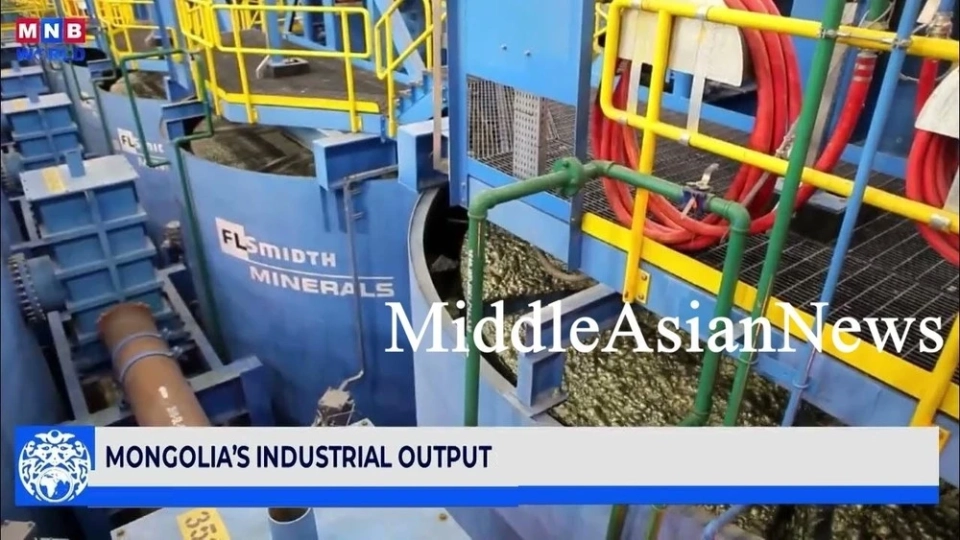
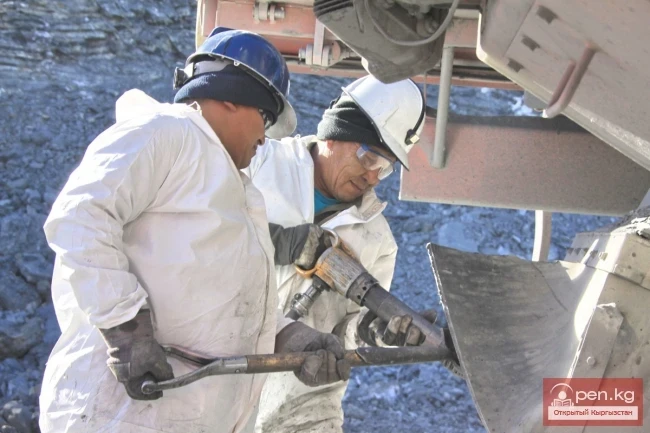
According to the report, Mongolia ranks 12th in the world for copper reserves and is expected to become the fourth largest copper producer on the planet by 2030. The mining sector currently accounts for 25% of the country's gross domestic product, about 90% of total exports, and provides over 77,000 jobs, highlighting its significance for the economy.
Major Projects in the Copper Industry
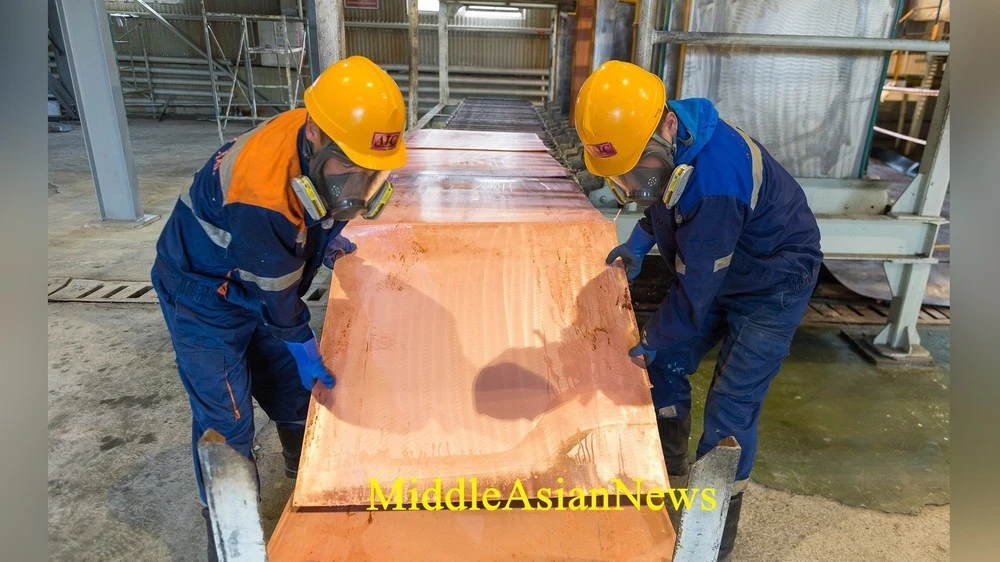
The majority of copper produced in Mongolia is exported in the form of ore and concentrate. However, large enterprises such as the Erdenet Mining Corporation and Oyu Tolgoi account for about 90% of the country's total copper production. The report also notes that companies like "Achit Ikht" and "Erdmin" are engaged in the production of copper cathodes, contributing to increased domestic processing.

Wages and Social Protection: At a High Level
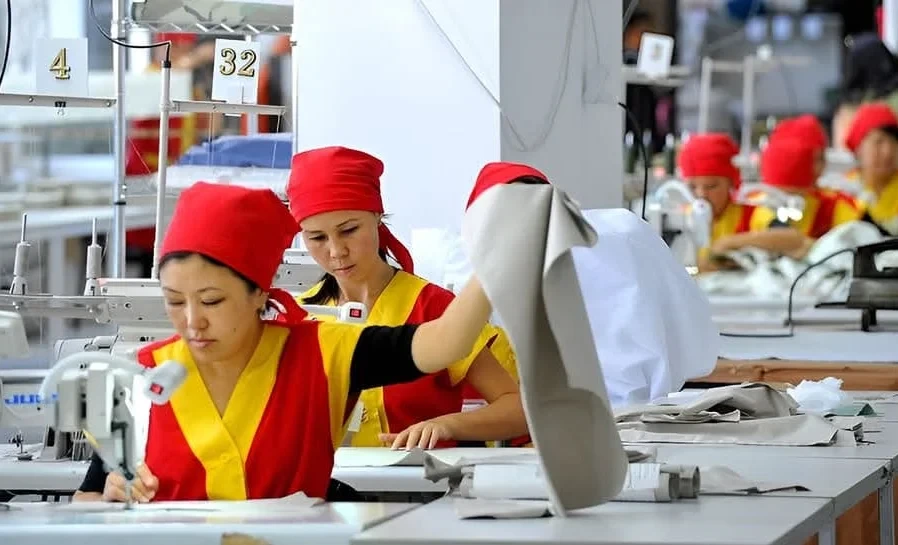
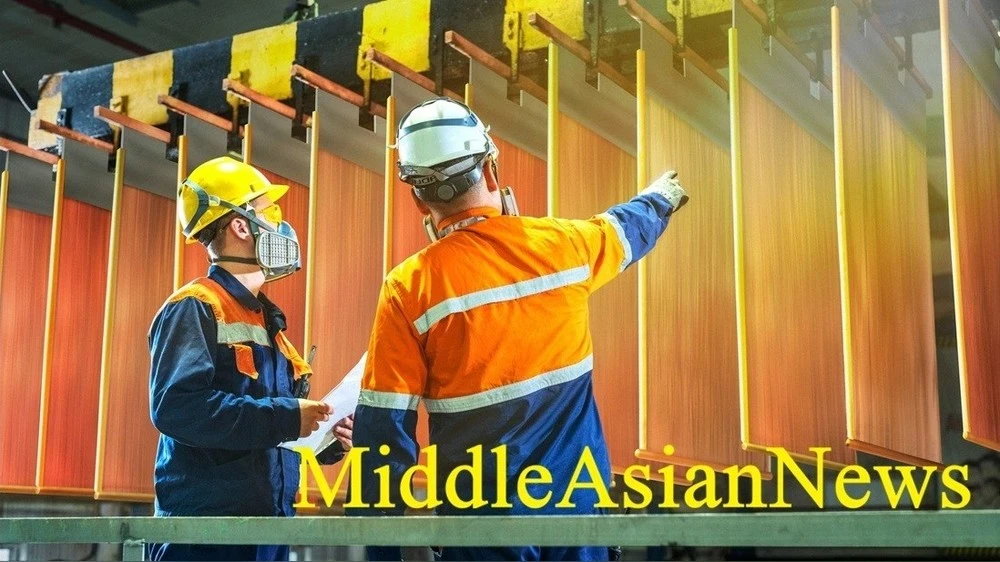
ILO research shows that the average wage of workers in Mongolia's mining sector exceeds the national average by 74%, and the level of informal employment is only 2.5%. This indicates a high level of employment compared to other countries in the region.
Moreover, most workers have permanent contracts and are fully covered by the social insurance system, indicating relatively stable working conditions in the copper industry.
In sectors experiencing growth in processing, such as nickel and battery production for electric vehicles in Mongolia and Indonesia, workers receive more favorable working conditions, including high wages, formal employment, and better protection of social rights.
“Given the growing demand for critical minerals, we must not forget the workers who enable this transition at all stages of the supply chain. It is important for governments, employers, and trade unions to work together to create decent, safe, and sustainable jobs,” said Tuomo Poutianen, Deputy Director of the ILO for Asia and the Pacific.
Employment Guarantees and Trade Union Rights at a High Level
According to the report, large copper companies in Mongolia have clear rules for occupational health and safety, specialized departments, and daily instructions. Union membership ranges from 65% to 94%, creating opportunities for effective collective bargaining. However, the study found ambiguities in the regulation of overtime pay and base salaries.
“In the context of growing demand for critical resources, we must not forget the workers who ensure this transition at all levels of the supply chain,” noted Tuomo Poutianen, Deputy Director of the ILO for Asia and the Pacific.
To ensure that the growth of renewable energy and supply chains for critical minerals contributes to decent working conditions for all, the ILO calls for strict adherence to international labor standards, active measures against informal employment, inclusive training, and improved governance to protect labor rights and working conditions across the region.
Success Stories and Political Progress
The ILO positively assessed Mongolia's actions in ratifying international conventions related to safety in the mining industry and improving labor standards, noting this as a good example. For instance, in 2024, the Supreme Court confirmed the accuracy of the calculation of overtime pay at Oyu Tolgoi, resulting in an increase of $200 in the average base salary of employees, which was a significant improvement.
The report emphasizes that Mongolia has the potential to transition from a raw material model in the copper industry to creating quality jobs and sustainable incomes through domestic processing and added value.
Nevertheless, the ILO stresses the need for further political reforms in areas such as gender equality, transparency, and labor relations.
Tatar S.Maidar
source: MiddleAsianNews