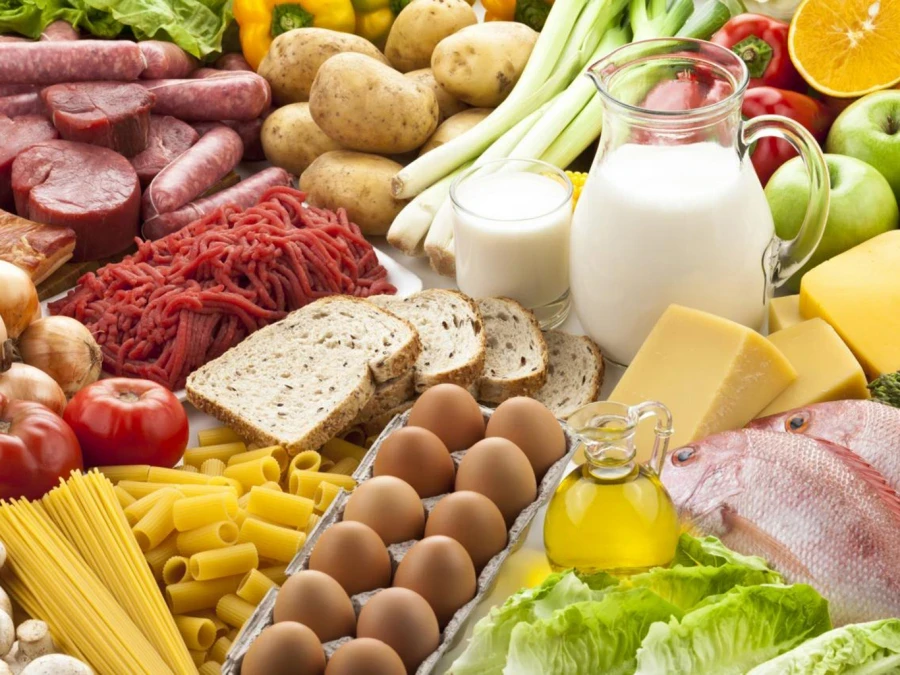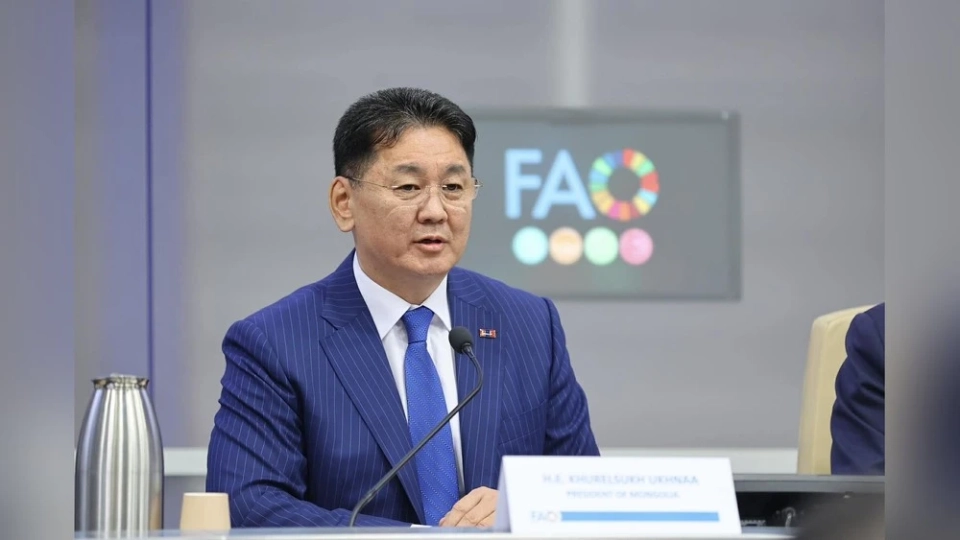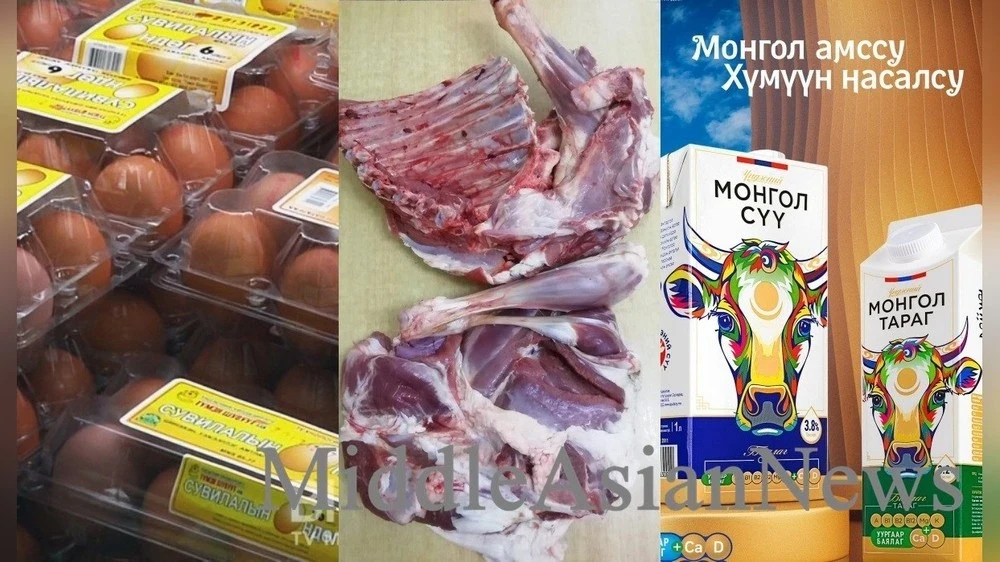
The initiative called "Food Revolution" has allowed Mongolia to launch 53 new production lines that offer more than 1000 new products.
Three years have passed since the launch of the national project "Food Supply and Security." The main goal of this movement is to meet the domestic demand for staple foods and to transform Mongolia into an exporter of food products.
From 2022 to 2025, more than 2500 companies received long-term loans totaling ₮1.3 trillion, which were offered under the "Food Revolution" program.
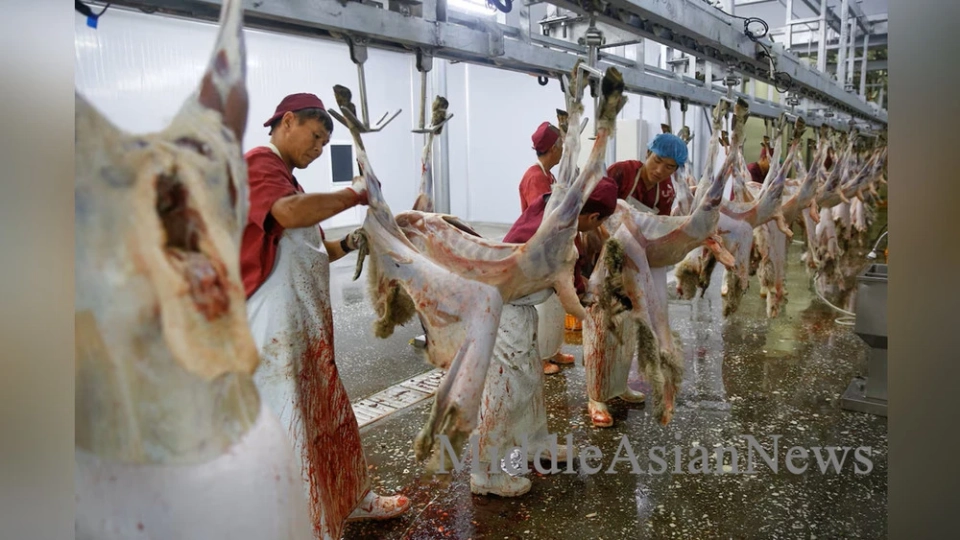
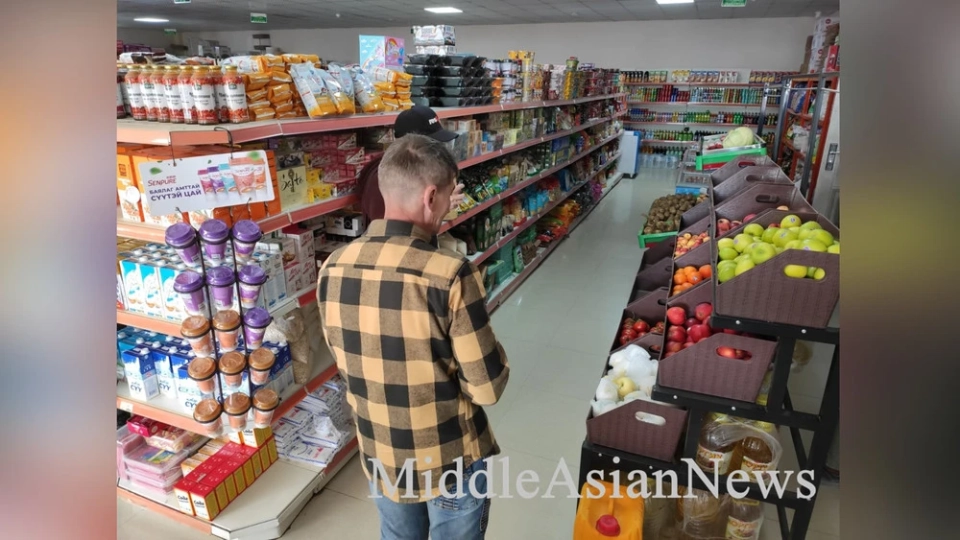
Production capacities have increased at least twofold. 53 factories have been commissioned, producing more than 1000 new types of food products.
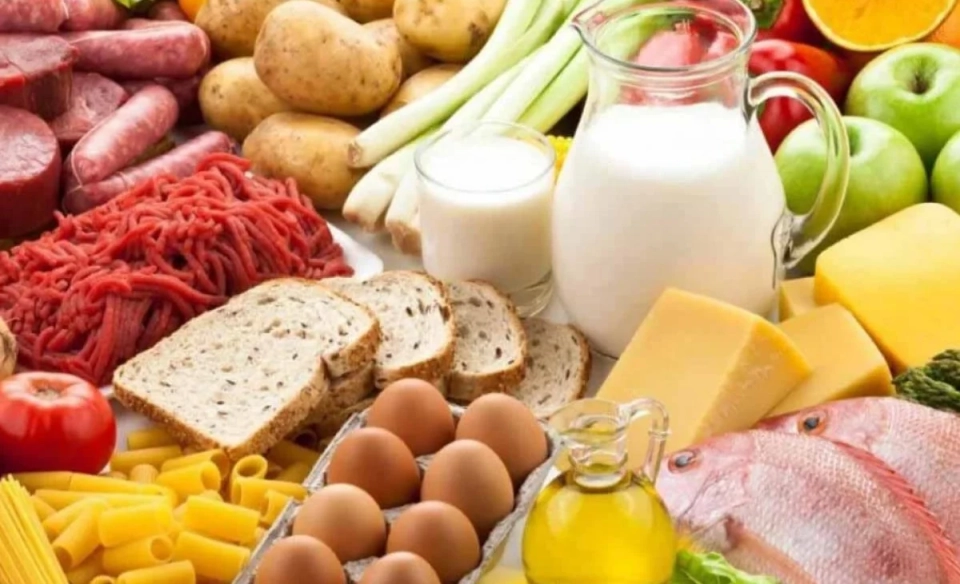
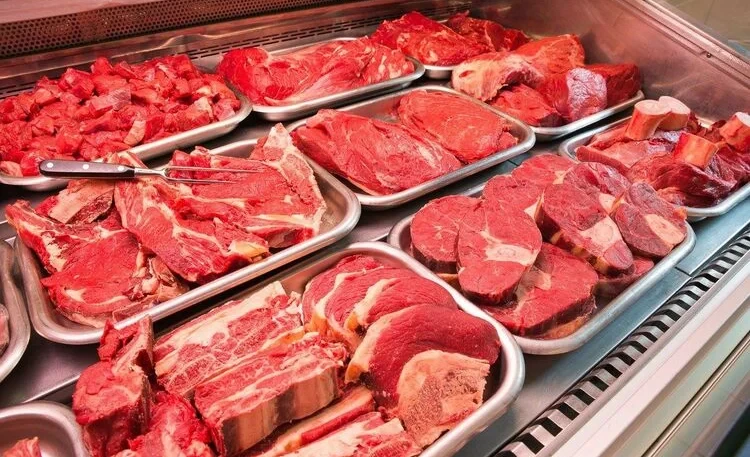
Thus, in 2022, Mongolia fully met its meat needs, and this level is maintained at 100% by 2025. Self-sufficiency in meat products was 69%, increasing to 79% by 2025; liquid milk is also 100% covered by domestic sources, and the level of self-sufficiency in dairy products rose from 84% in 2022 to 87% by 2025.
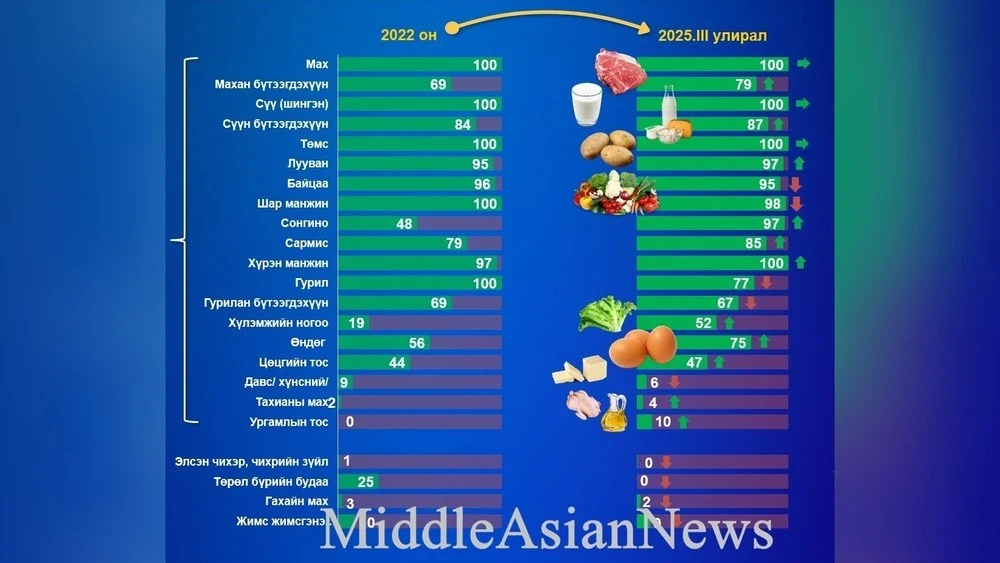
By 2025, Mongolia will achieve complete self-sufficiency in potatoes (100%), as well as 97% in carrots, 95% in cabbage, 98% in turnips, 97% in onions, 85% in garlic, and 100% in beets.
Currently, the country is 77% self-sufficient in flour and 67% in bread.
In 2022, domestic sources provided 56% of egg production, and by 2025 this figure increased to 75%. Meanwhile, annual egg consumption in the country exceeds 600 million pieces.
As a result of the implementation of the "Food Revolution," "Virgin Lands IV," "New Cooperative," and "White Gold" programs in the food, agricultural, and light industries, 44 thousand new jobs have been created. The share of the light and food industries in the gross domestic product exceeds 60%, confirming the sustainability and development of the cluster system in these sectors.
Tatar S.Maidar
source: MiddleAsianNews