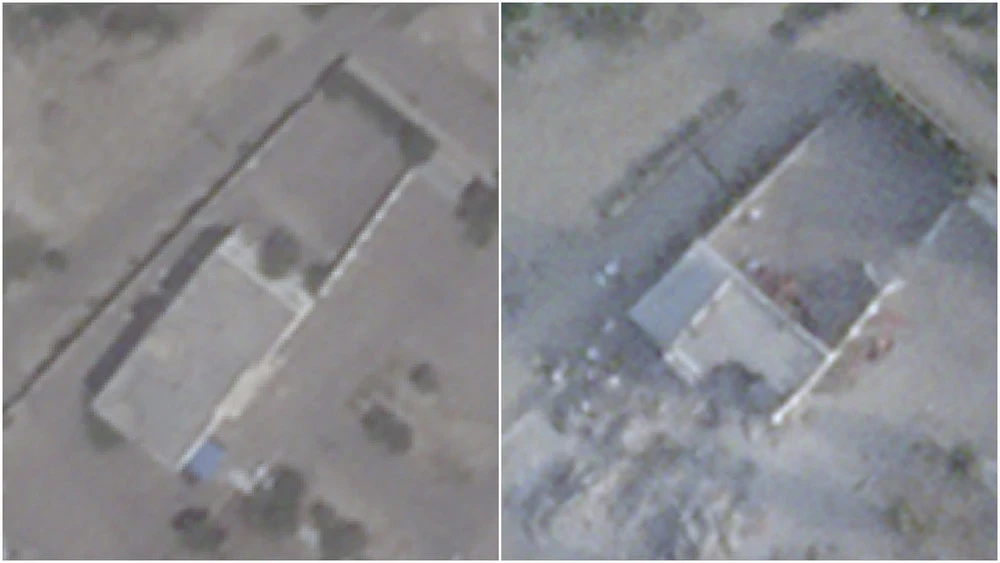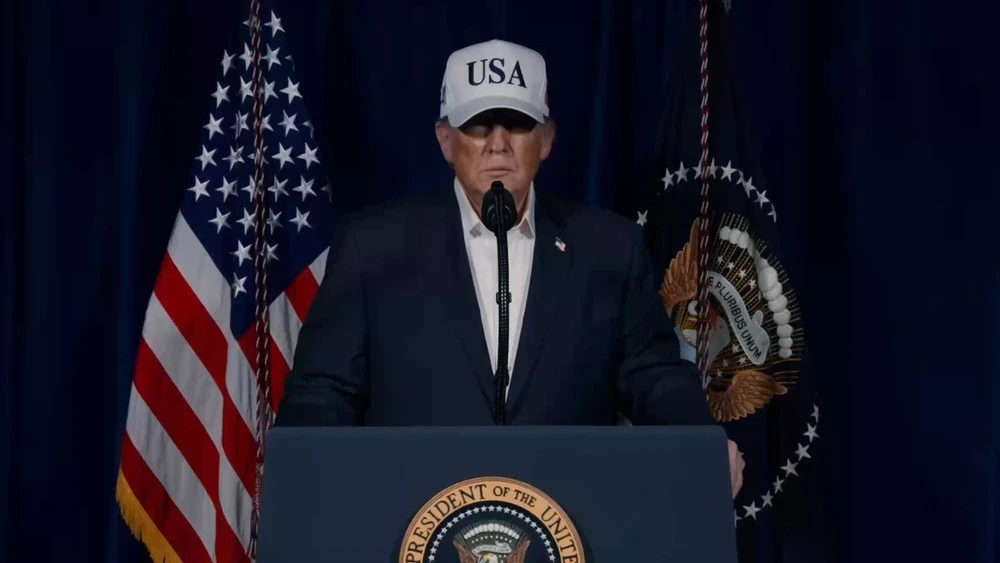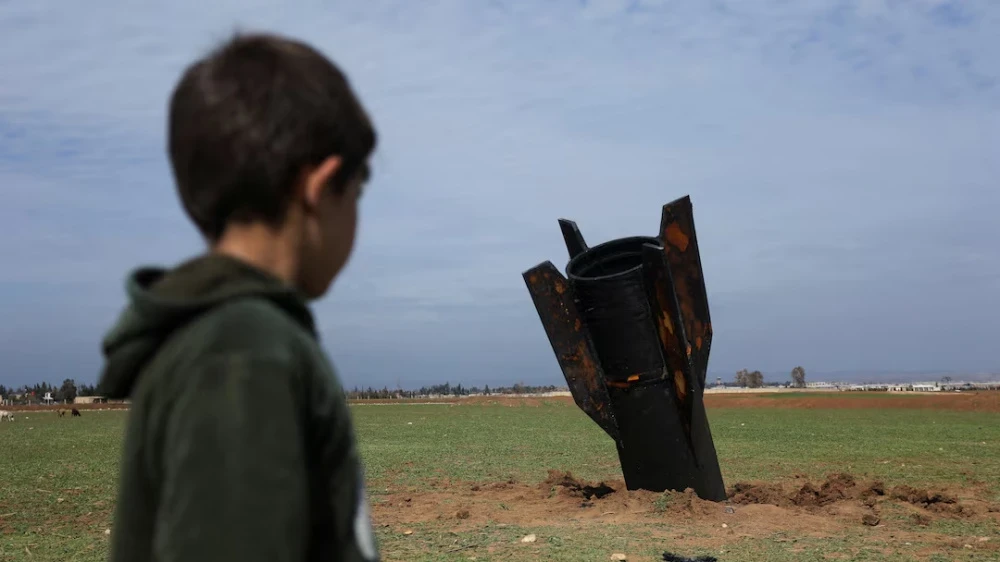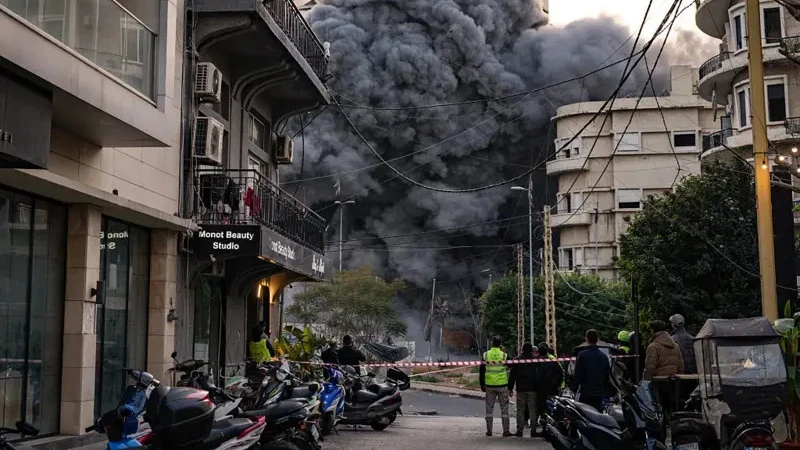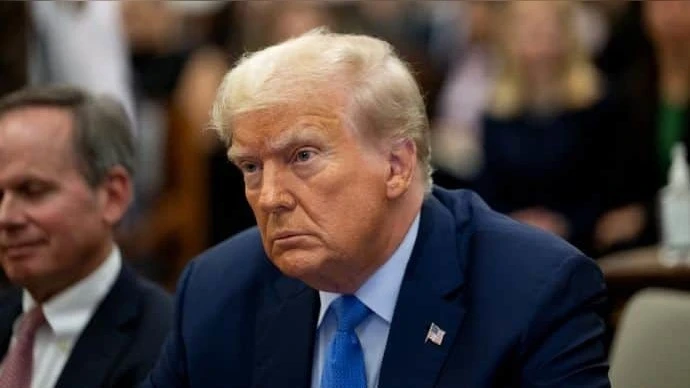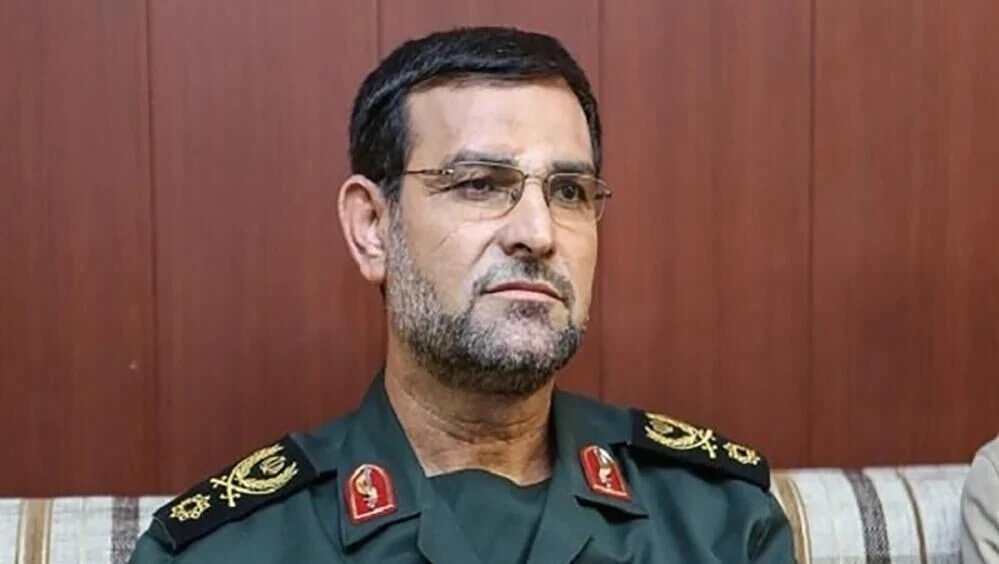
In the course of the conflict that began less than a month ago, the US and Israel launched a powerful air campaign that led to the destruction of a significant portion of Iran's political and military leadership, as well as nearly complete destruction of the Iranian fleet. However, as soon as the initial objectives were achieved, the intensity of the strikes decreased, despite claims from American politicians to the contrary. Donald Trump himself noted that there was nothing more to bomb in the region. Despite this, the Iranian regime did not collapse, and the new authorities were able to offer effective countermeasures, giving rise to a "Plan B" strategy — a war of attrition.
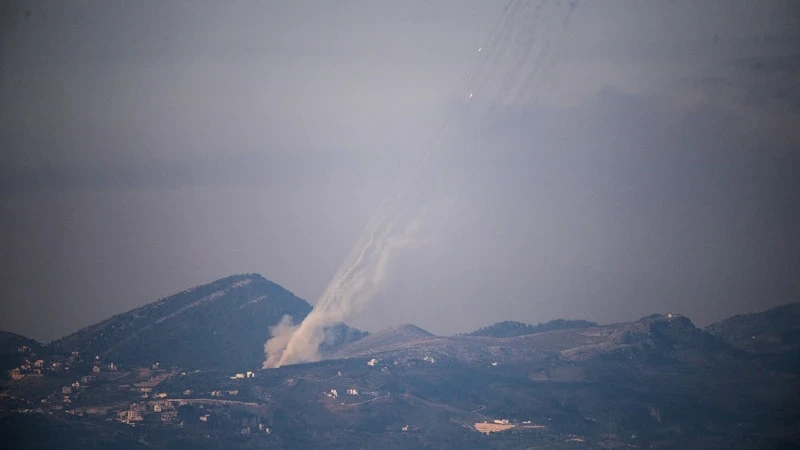
Iran, unexpectedly for Washington, began launching missile and drone strikes against its neighbors and Israel, although the intensity of these attacks has decreased. Notably, even minor strikes deplete the stocks of interceptor missiles in air defense and missile defense systems, affecting their effectiveness. It is unclear whether the decrease in the intensity of attacks is due to the depletion of Iranian stocks or if it is part of a strategy for conducting a prolonged war.
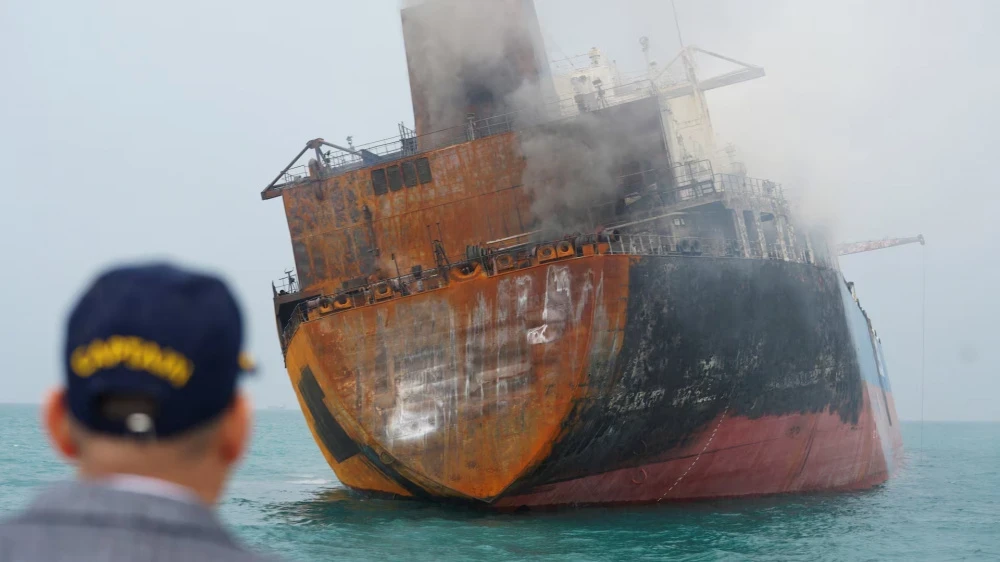
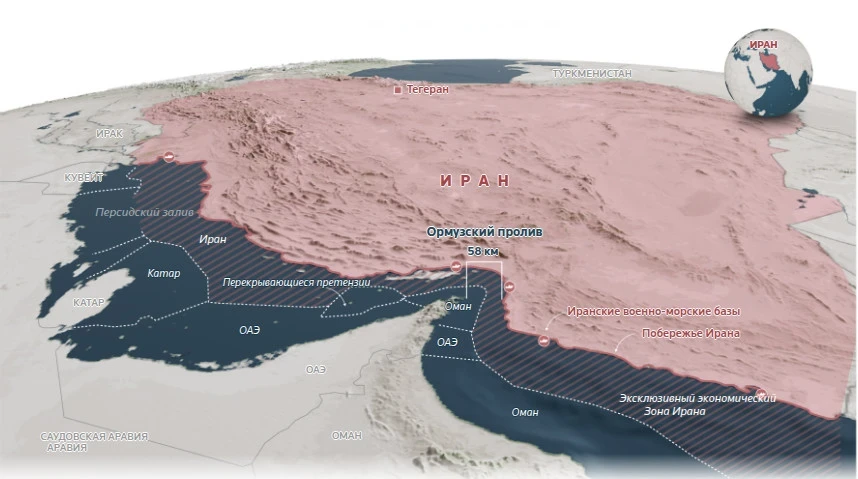
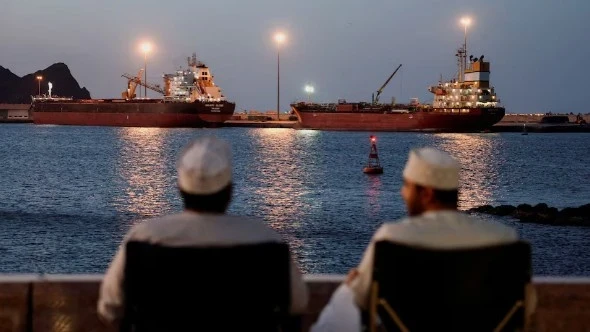
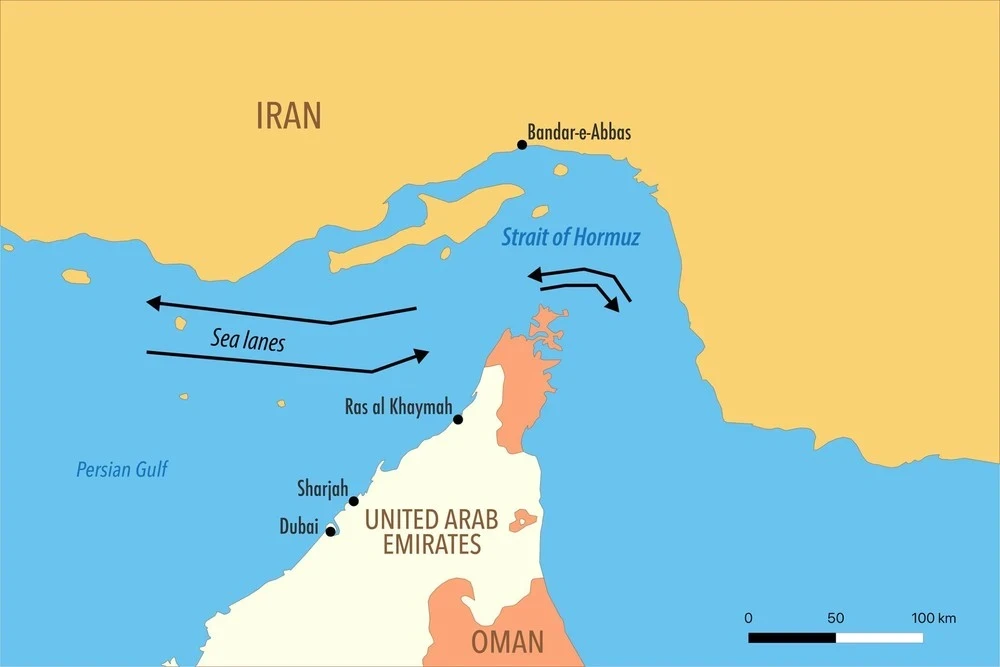
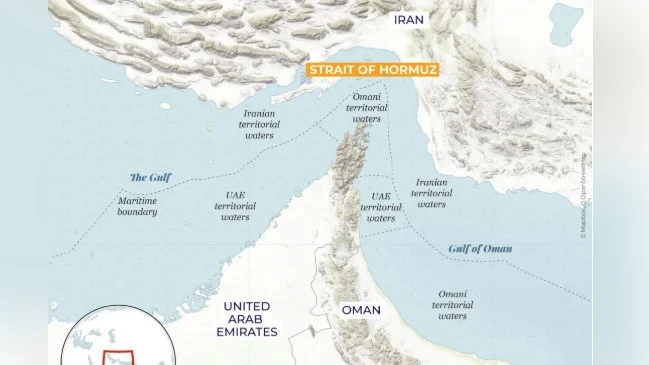
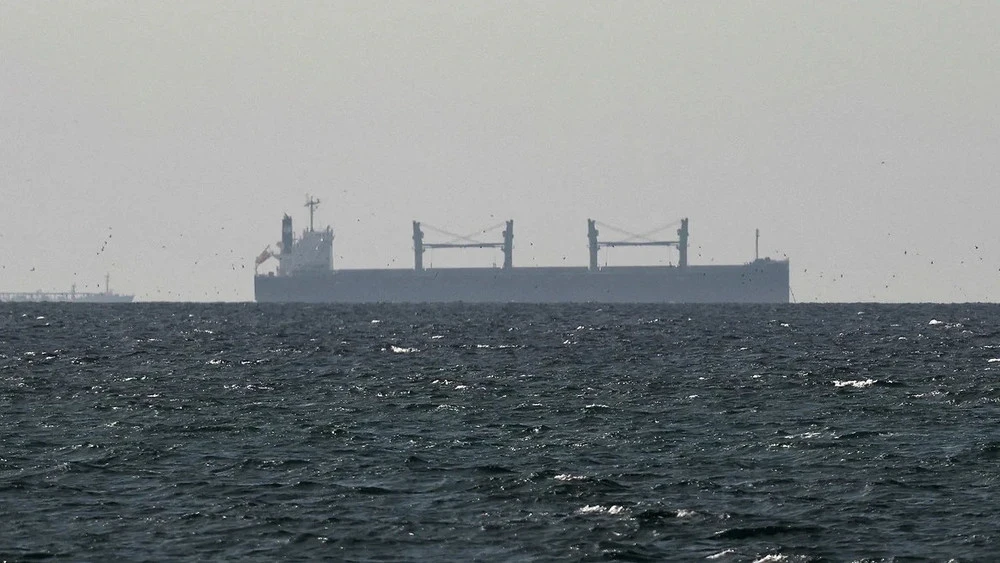
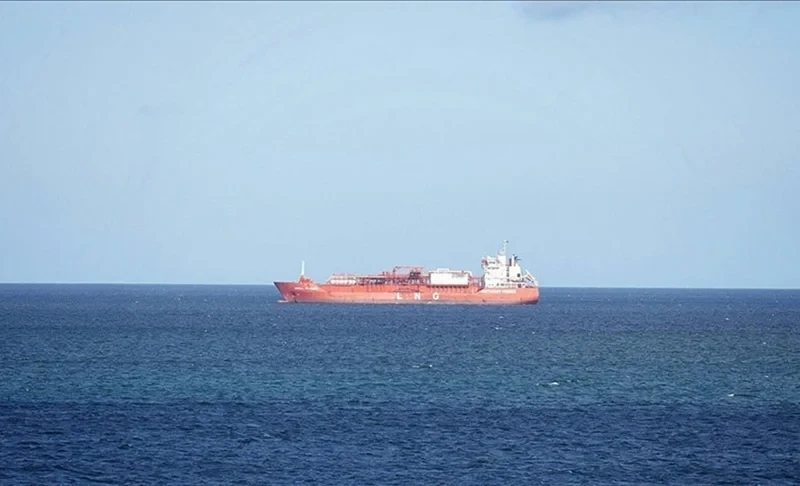
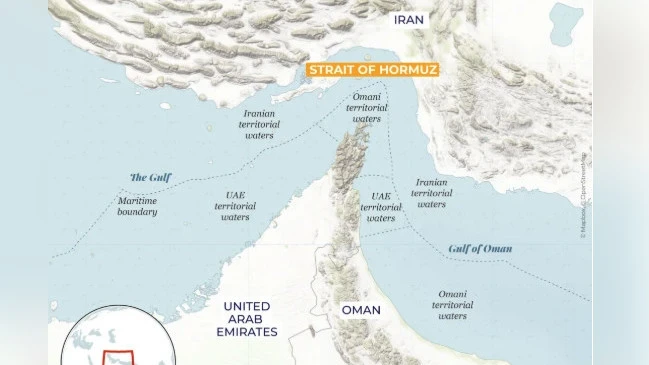
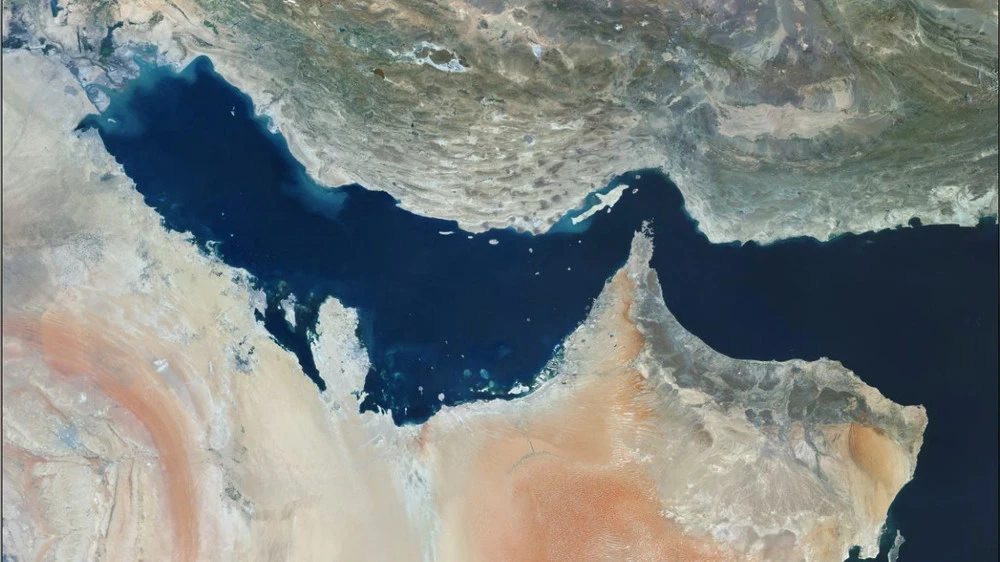
The situation is exacerbated by pressure from Arab countries in the Persian Gulf that have become involved in the conflict. However, the most pressing issue is the closure of the Strait of Hormuz to shipping, which was predictable from Tehran's side. The US has taken measures to destroy the Iranian fleet, but in fact, Iran has managed to close the strait simply by declaring it and starting drone attacks on tankers. This has led to a sharp reduction in oil and gas supplies, threatening a global energy crisis and food shortages.
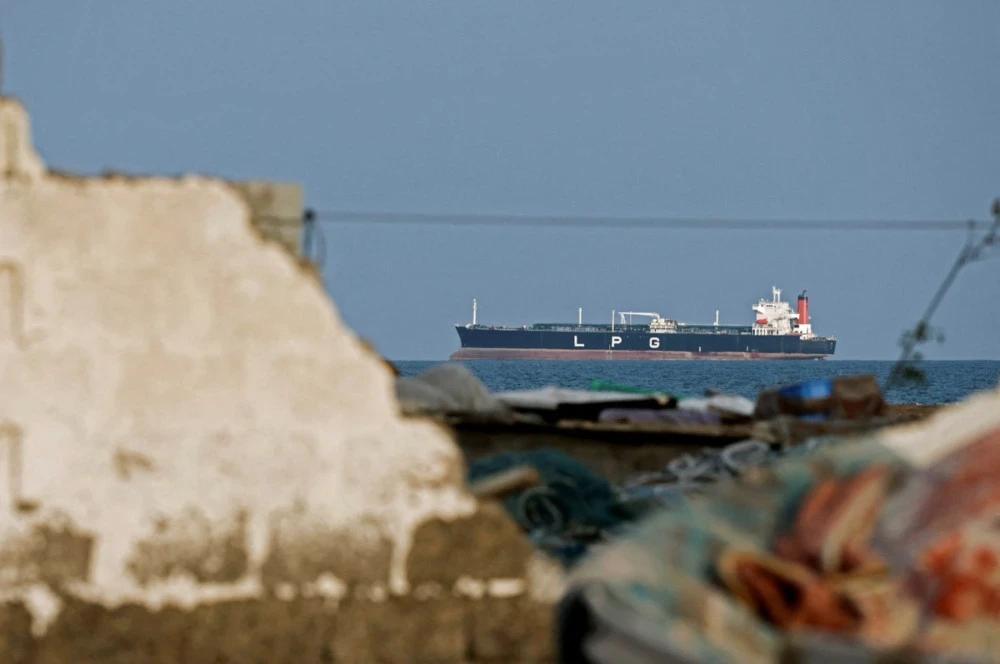
In the past two weeks, the Trump administration has been actively seeking solutions to the problem of the Strait of Hormuz, as rising fuel prices in the US are becoming increasingly palpable in light of the upcoming Congressional elections.
What options are being considered to resolve the situation in the Strait of Hormuz?
First option: compromise with Tehran
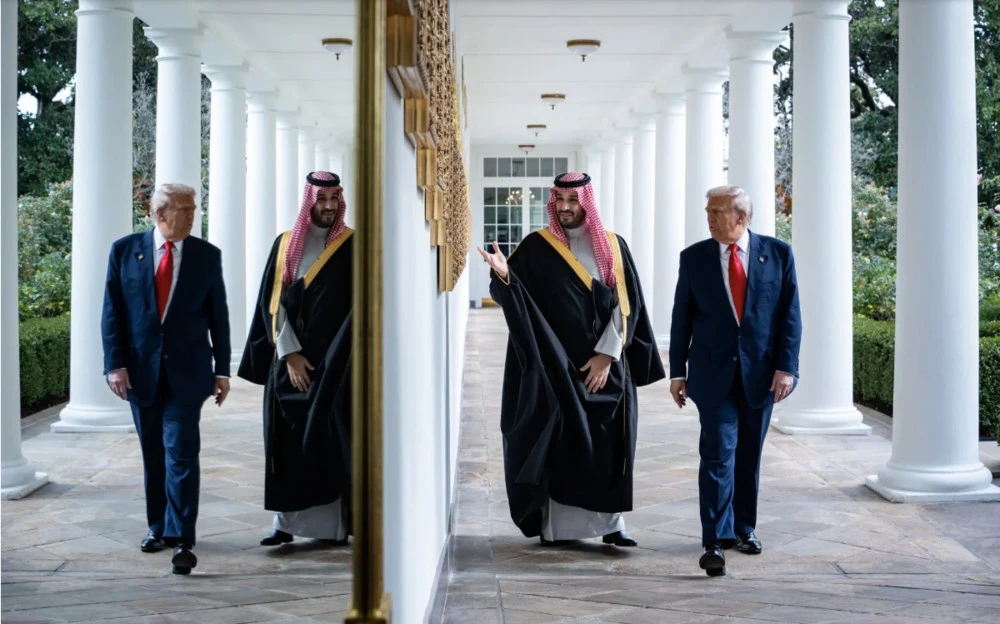
Trump has repeatedly reported progress in negotiations with some Iranian representatives through intermediaries. However, documents obtained by Western media show that the positions of the parties remain unchanged, and an agreement is unlikely. The US insists on Iran's complete abandonment of its nuclear and missile programs, while Iran offers only minor concessions on the nuclear issue and refuses any limitations on missile production. Furthermore, Tehran demands control over the Strait of Hormuz and the right to charge for passage, while the US proposes to maintain the pre-war status of the strait.
- Iran has already begun charging ships that are considered neutral.
- The US proposes to restore free navigation as it was before the war.
This approach leads shipowners to face a choice: pay Iran for passage or risk their vessel in an attempt to reach safe waters.
Second option: organizing naval convoys
According to leaks, one of the main plans of the US is to create naval convoys to protect ships. Although such an operation is possible, it carries significant risks, given Iran's military capabilities and its potential threats to US vessels.
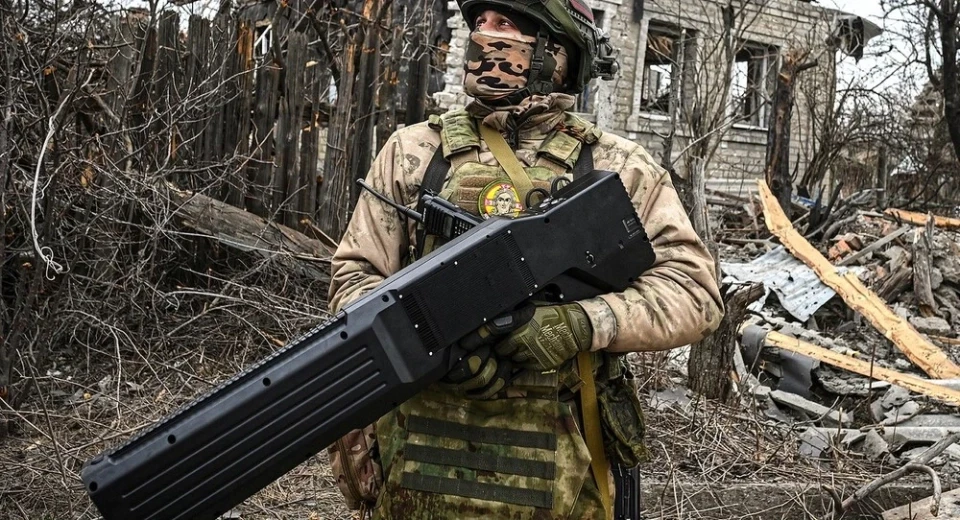
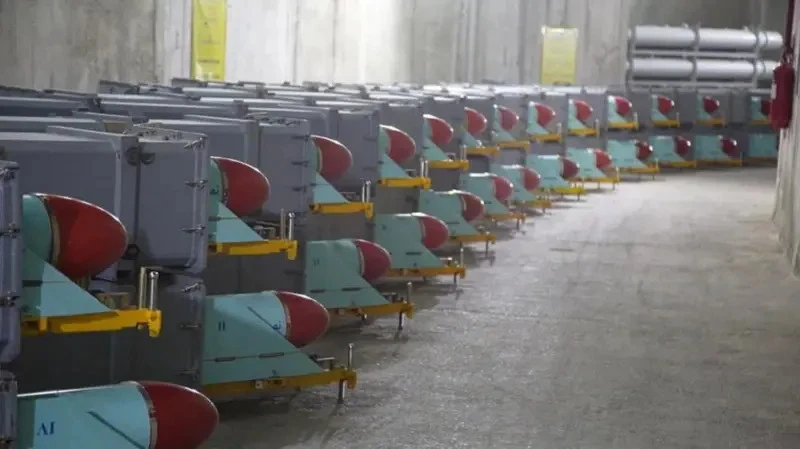
- Iran possesses a weapons system, including small boats and drones, that can attack both civilian and military vessels.
- Iran has a stock of naval mines that can be used to block passage.
- Iran also has anti-ship missiles that can threaten the US Navy.
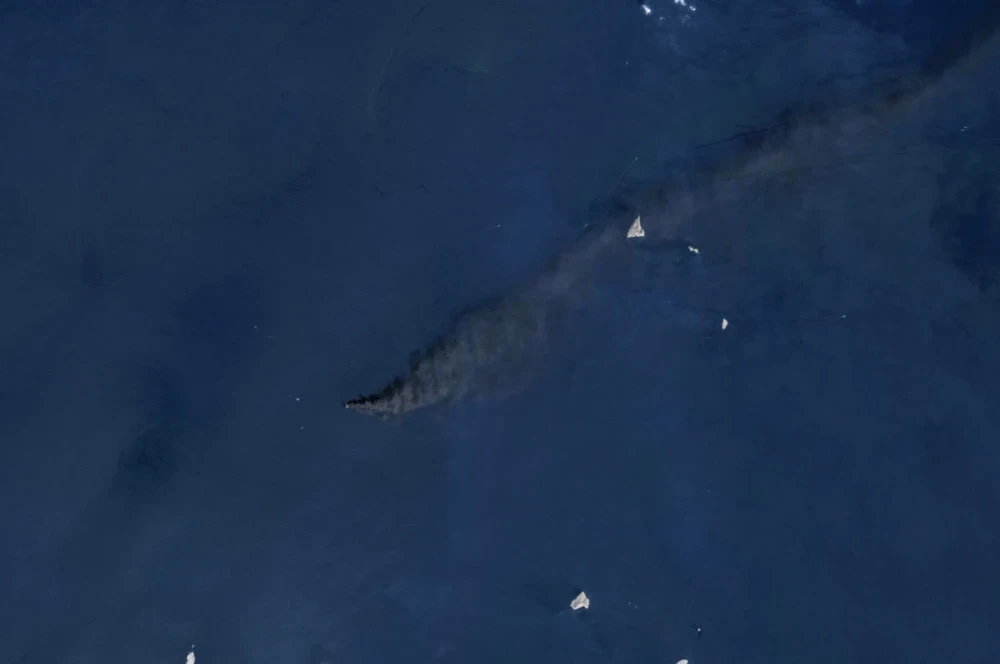
Given the military situation, the US fleet is prepared to counter these threats. However, the high risks of operational losses may lead shipowners to refuse to participate in transport along this route, further exacerbating the situation.
Third option: ground operation
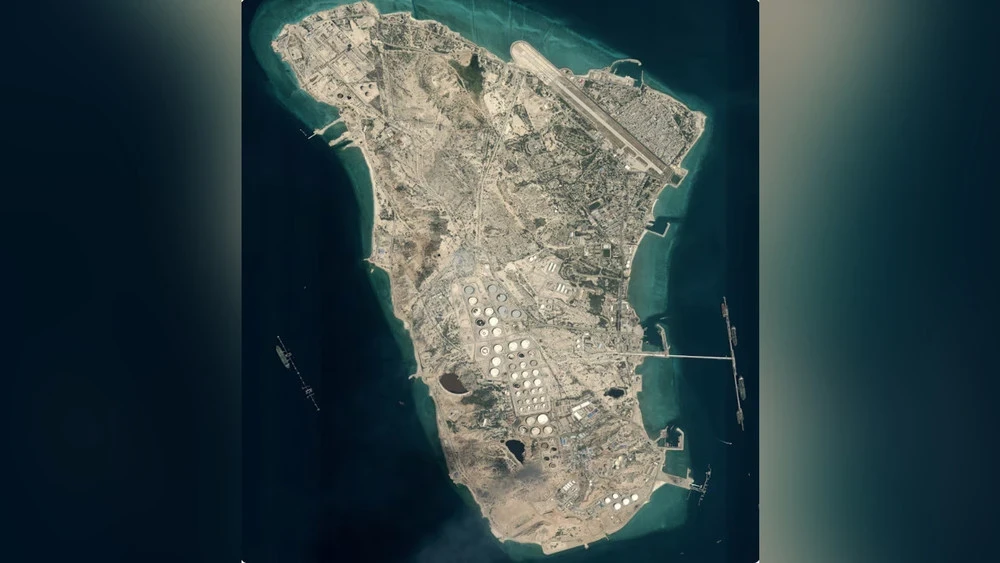
A landing of Marines or special forces in Iran will not solve the shipping problem; however, two Marine strike groups have been sent to the region with air support capabilities. This could be used to destroy Iranian military facilities that threaten shipping. However, such operations carry high risks and potential losses.
Considering all these factors, Trump will have to make difficult decisions, as the situation in the Strait of Hormuz requires immediate action, and a compromise with Iran has not yet been reached.