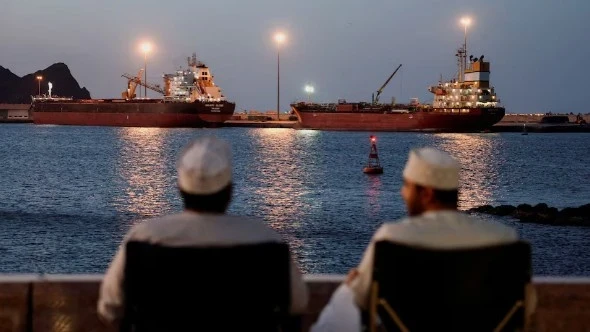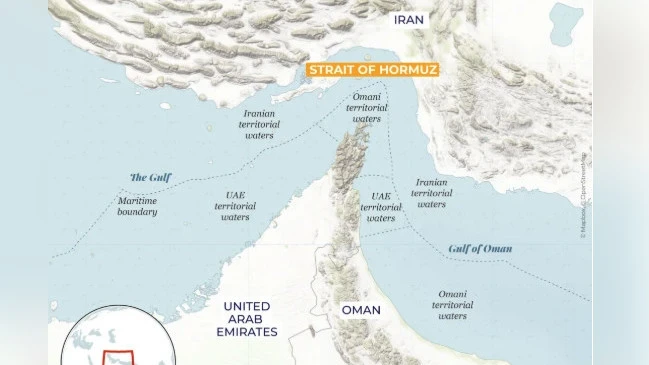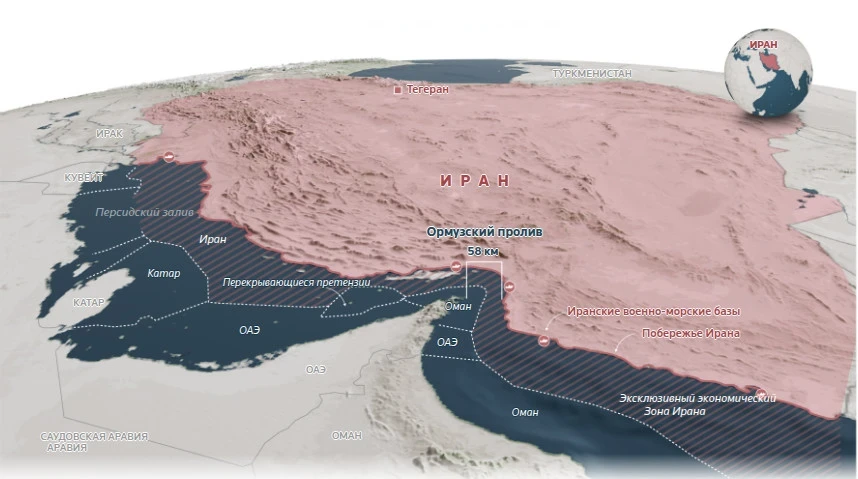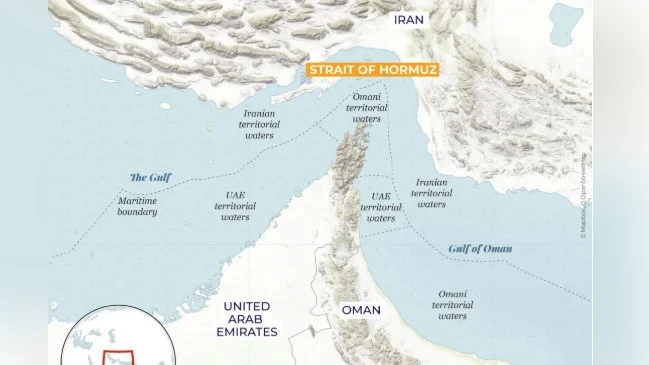
Iran has begun charging $2 million for the transit of vessels through the Strait of Hormuz, reports Iran International, citing a statement from Alaeddin Boroujerdi, a member of the republic's parliamentary commission on national security and foreign policy.
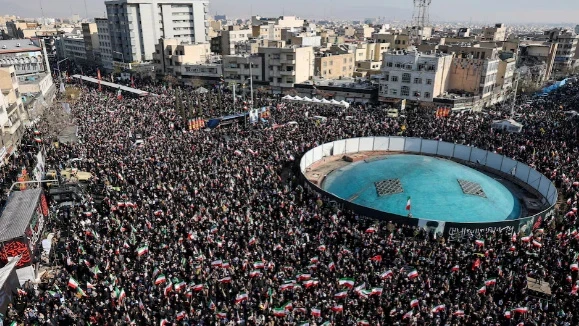
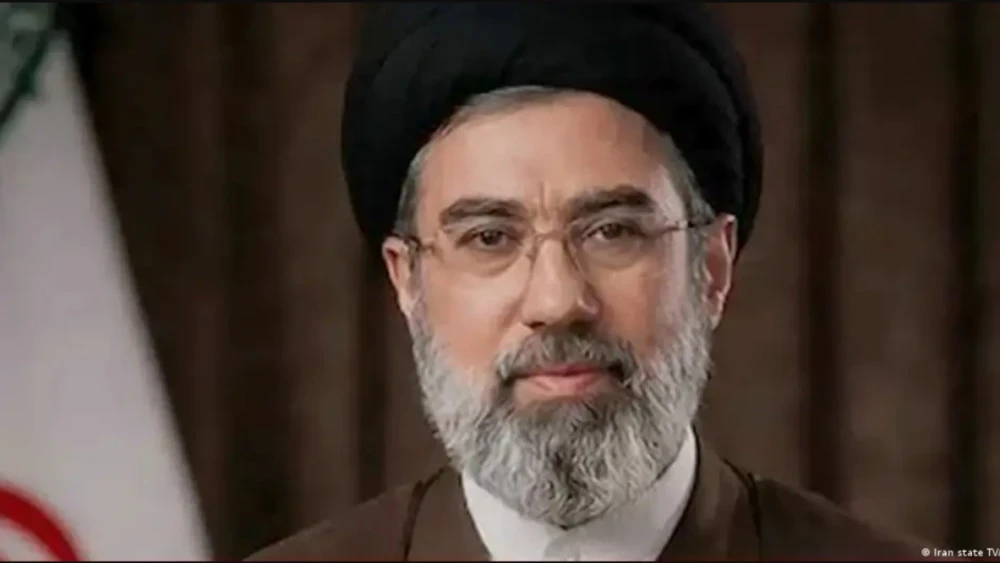
According to Boroujerdi, this initiative symbolizes the introduction of a "new sovereign regime" in the strait. He noted: "War requires funding, and therefore we must take measures to restrict the passage of vessels through the Strait of Hormuz."
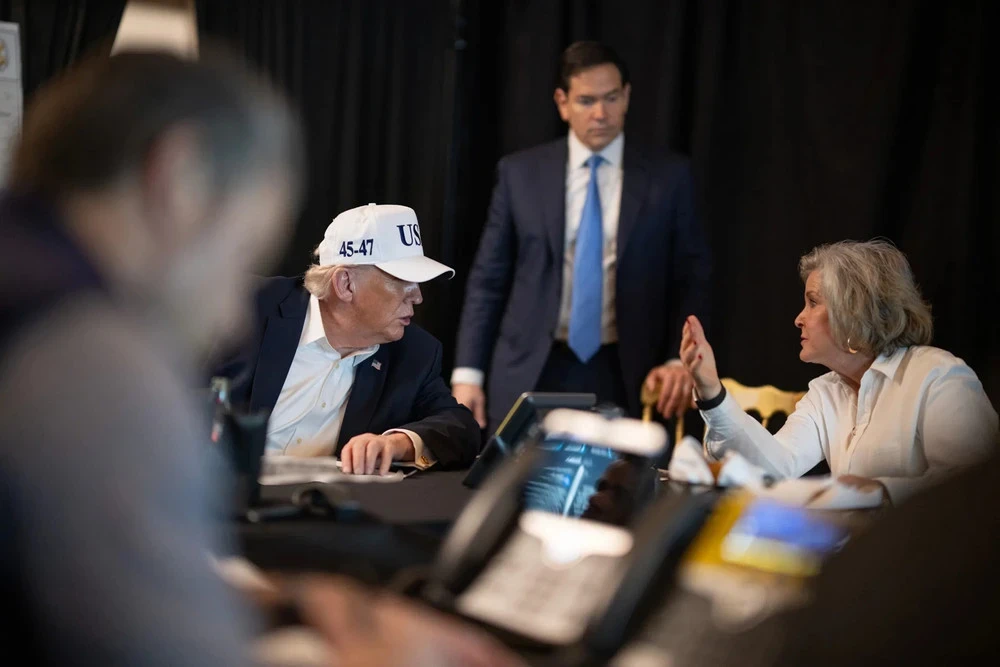
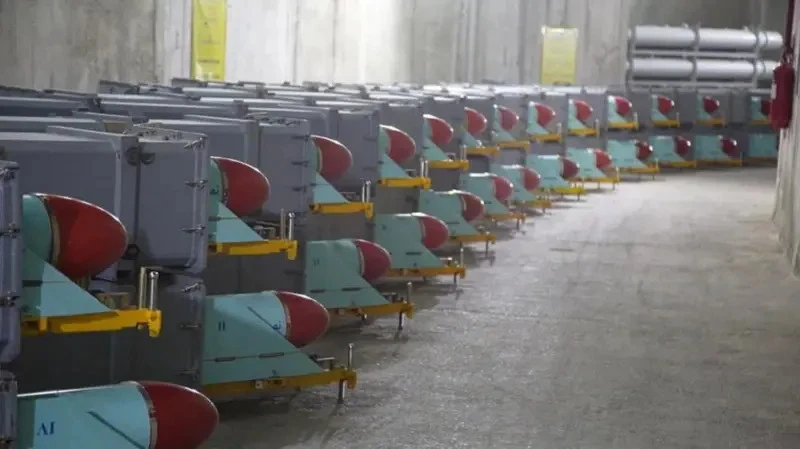
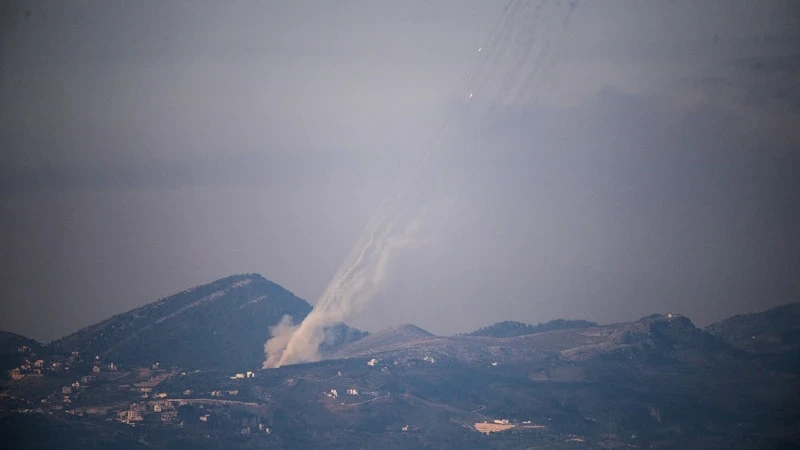
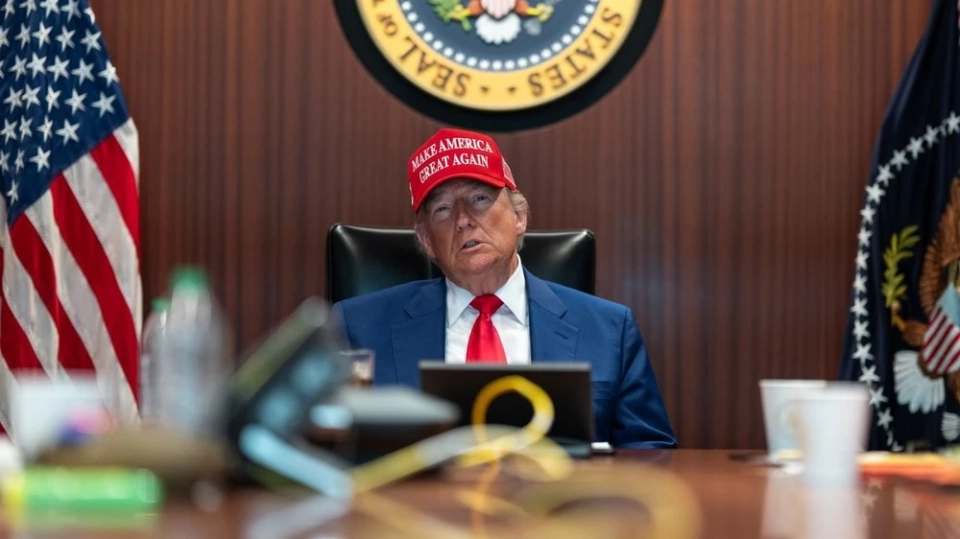
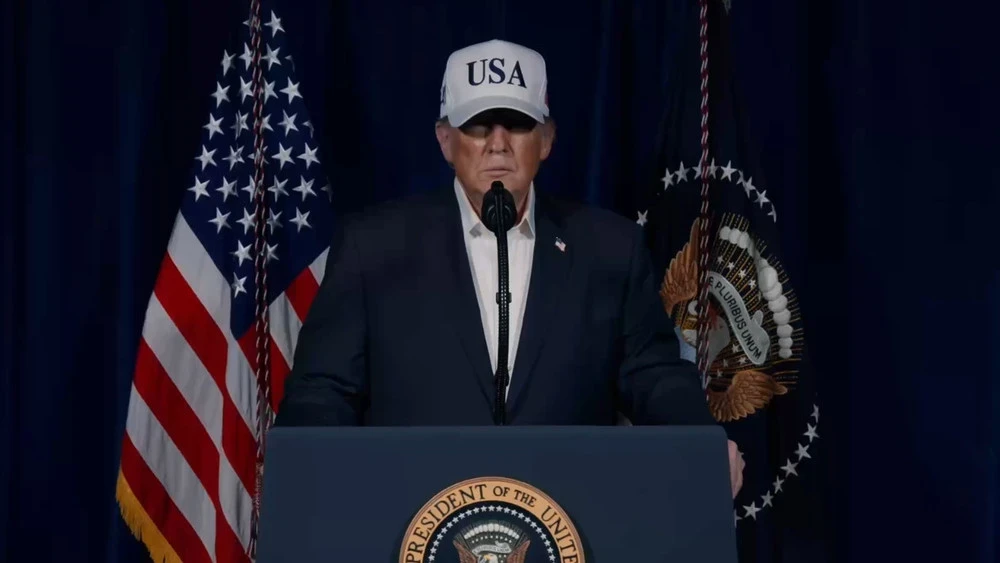
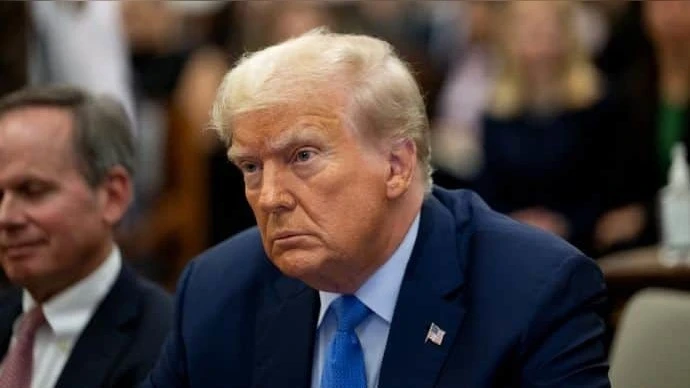
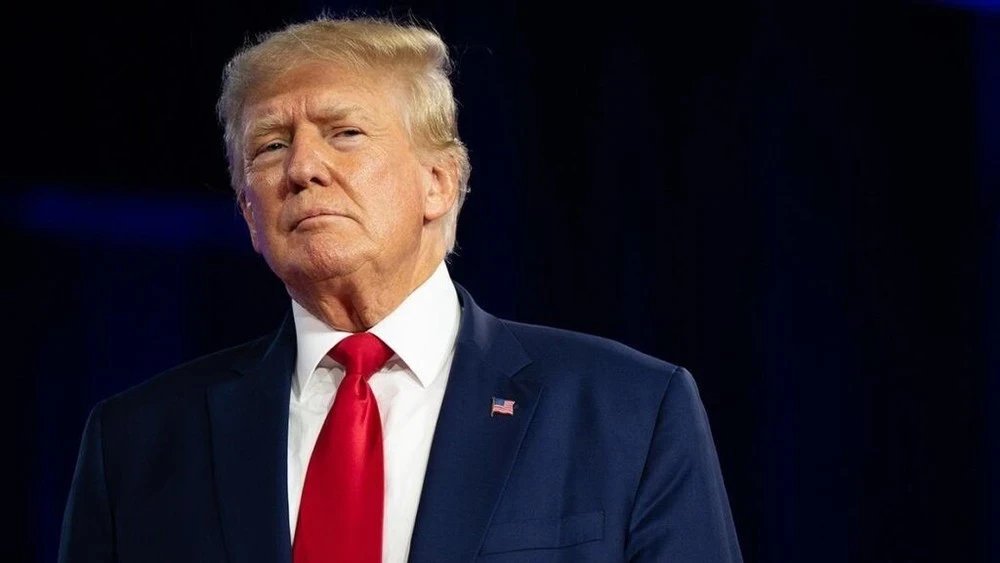
He also recalled that Donald Trump issued an ultimatum to Iran, demanding the opening of the Strait of Hormuz within 48 hours, threatening to attack the country's energy infrastructure otherwise. Boroujerdi added that in response, Tehran could strike all Israeli energy facilities within reach that could be destroyed in one day.
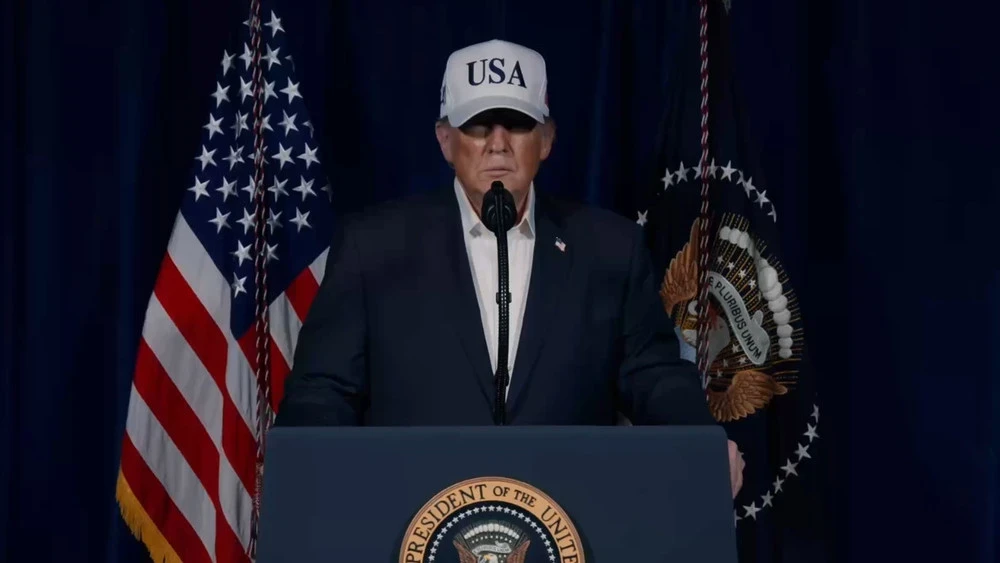
Trump outlined his demands regarding the Strait of Hormuz on the social network Truth Social, to which Tehran responded with threats to attack all American energy and information facilities in the region. Meanwhile, Axios reports that Trump's team has begun considering options for peaceful negotiations with Iran.
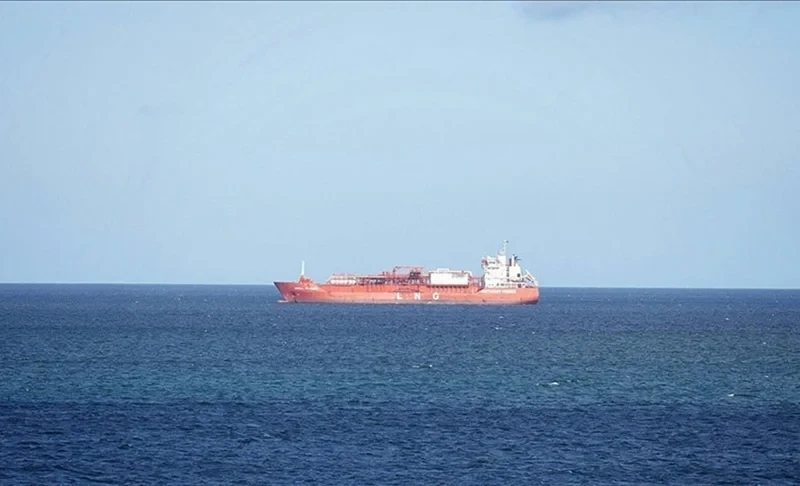
According to The Guardian, citing the Mehr agency, Iranian authorities stated that the Strait of Hormuz is open to all vessels except those belonging to "hostile" states. At the same time, Tehran has already allowed "friendly" countries such as China, India, and Pakistan to pass through the strait.
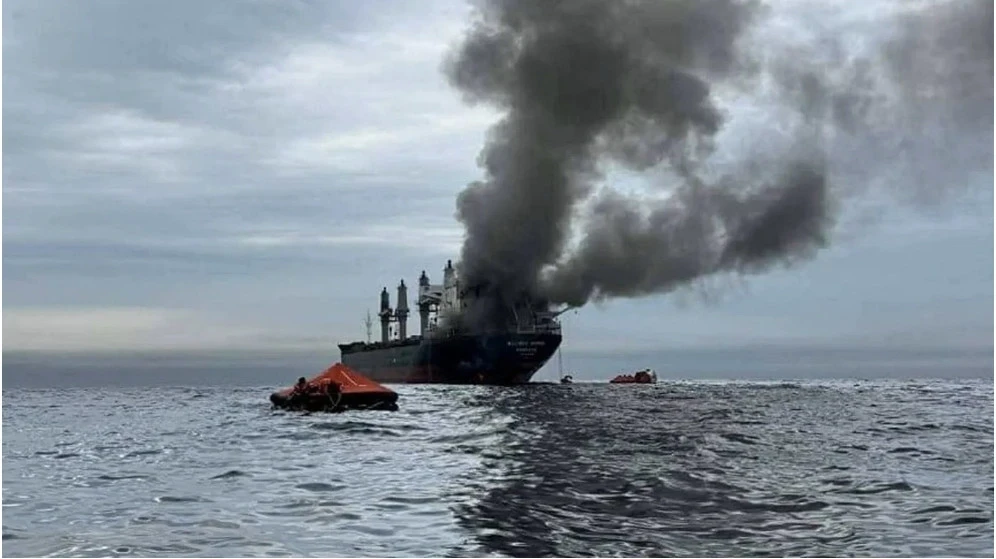
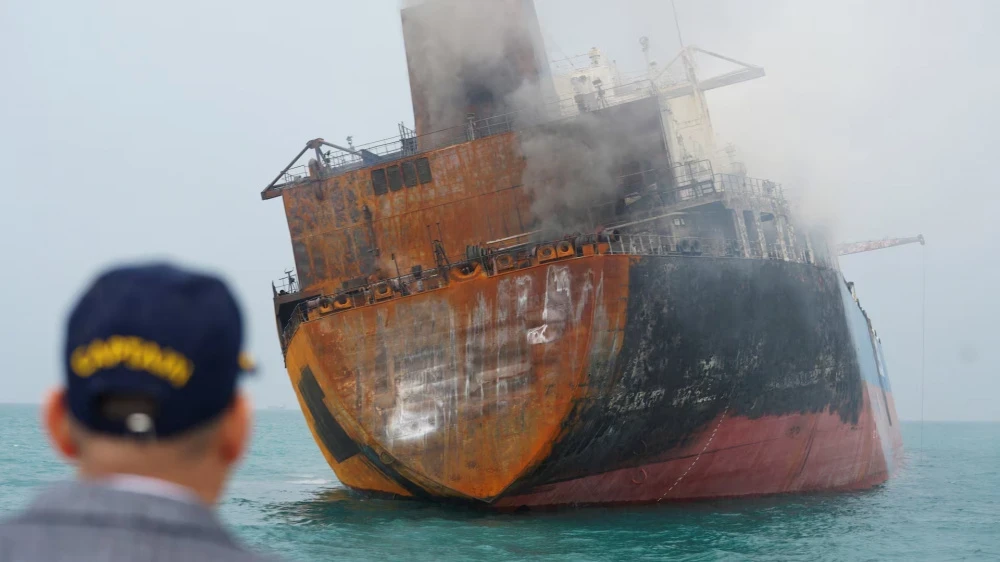
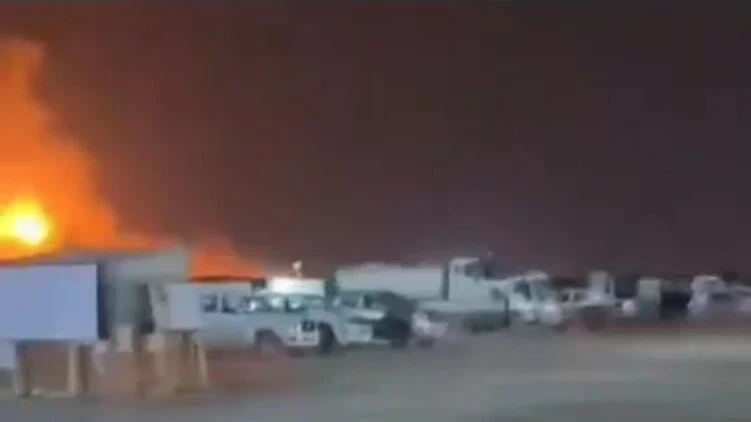
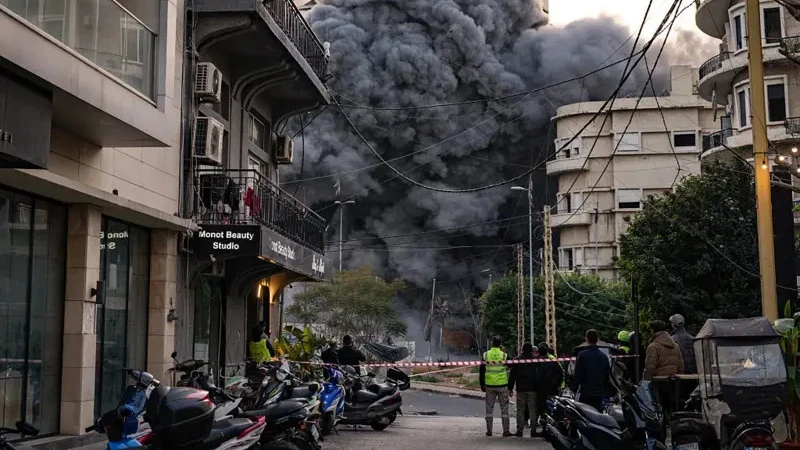
The Islamic Revolutionary Guard Corps (IRGC) of Iran announced complete control over the strait amid military activity by Israel and the U.S., and warned of possible attacks on vessels. As a result, tankers suspended the supply of energy resources from Persian Gulf countries, leading to a sharp rise in oil prices to nearly $110 per barrel.
Member states of the International Energy Agency (IEA) agreed to release a record volume of oil, 400 million barrels, to stabilize the situation. Additionally, on March 13, the U.S. eased sanctions on Russian oil, allowing the sale of hydrocarbons on tankers at sea, and later a similar license was granted for Iranian hydrocarbons. Axios emphasizes that the situation in the Strait of Hormuz creates difficulties for Trump, who cannot end the war on his terms while vessel passage is not restored, and attempts at military intervention could lead to an escalation of the conflict and pose a threat to American troops.
Yesterday, Trump also noted on his social network Truth Social that the security and control of the Strait of Hormuz should be in the hands of the countries that use it, not the U.S. He added that the U.S. could assist such states at their request, emphasizing that this would be an "easy military operation" for American forces.