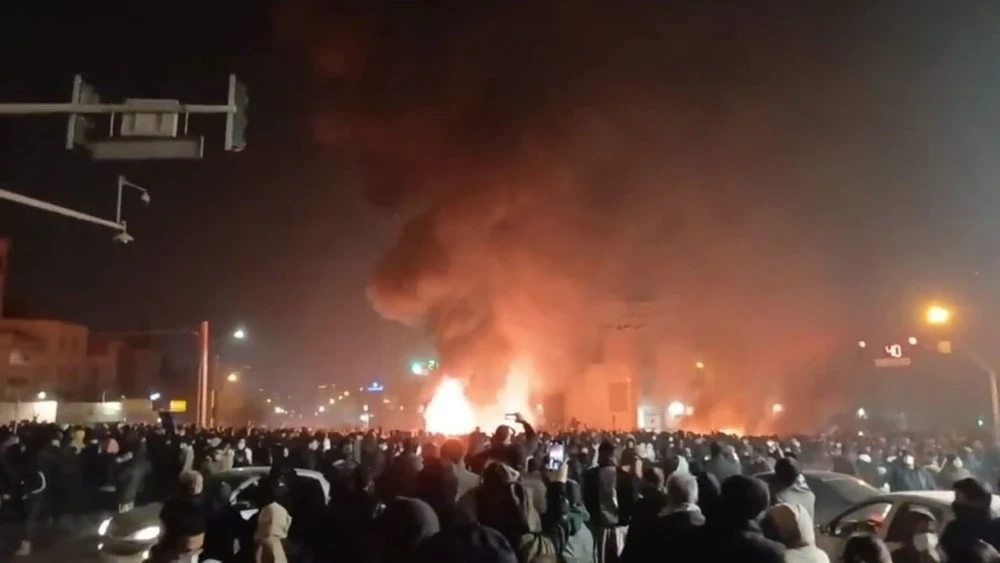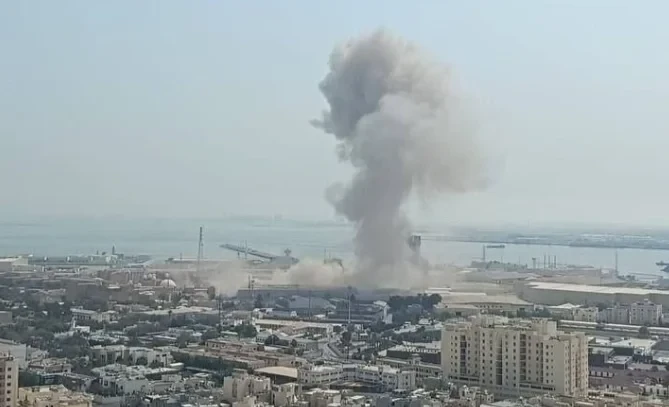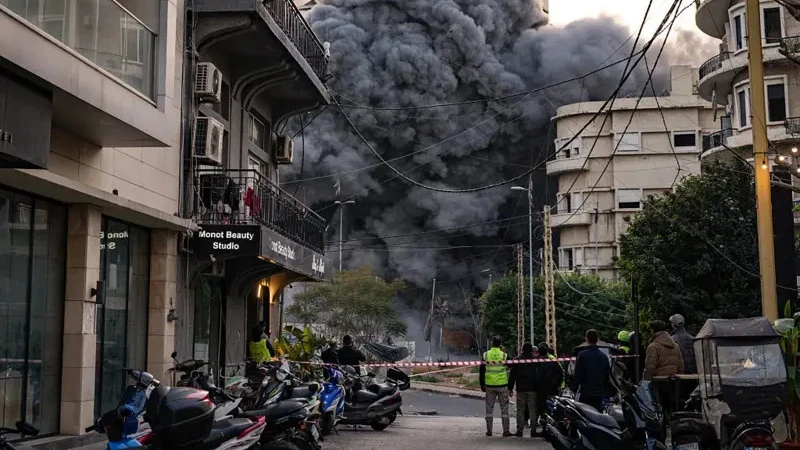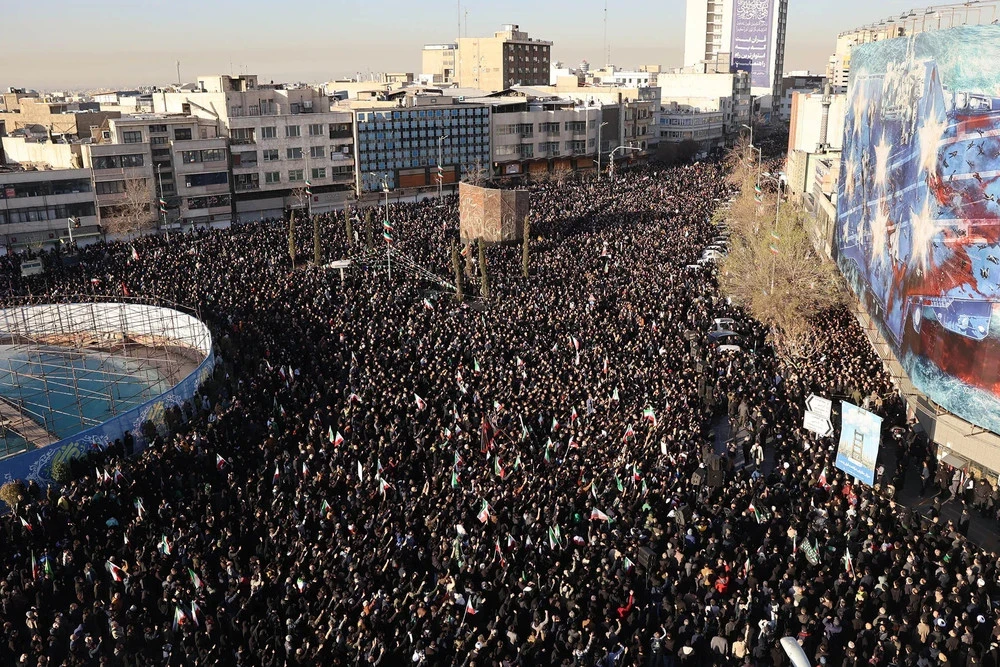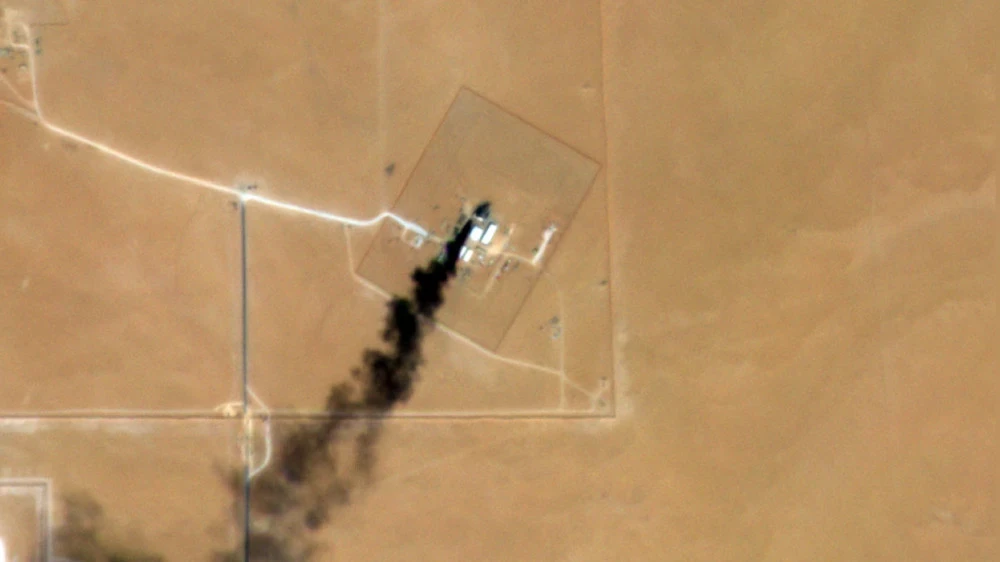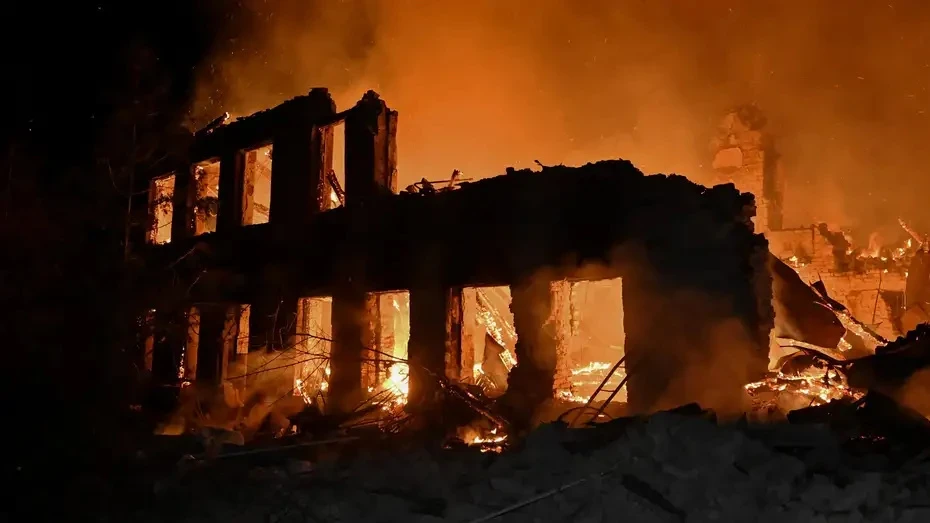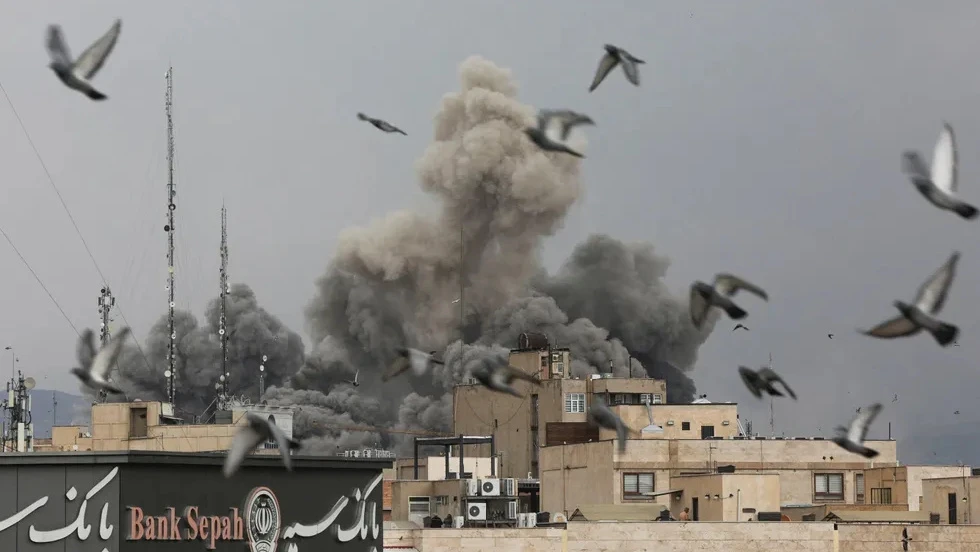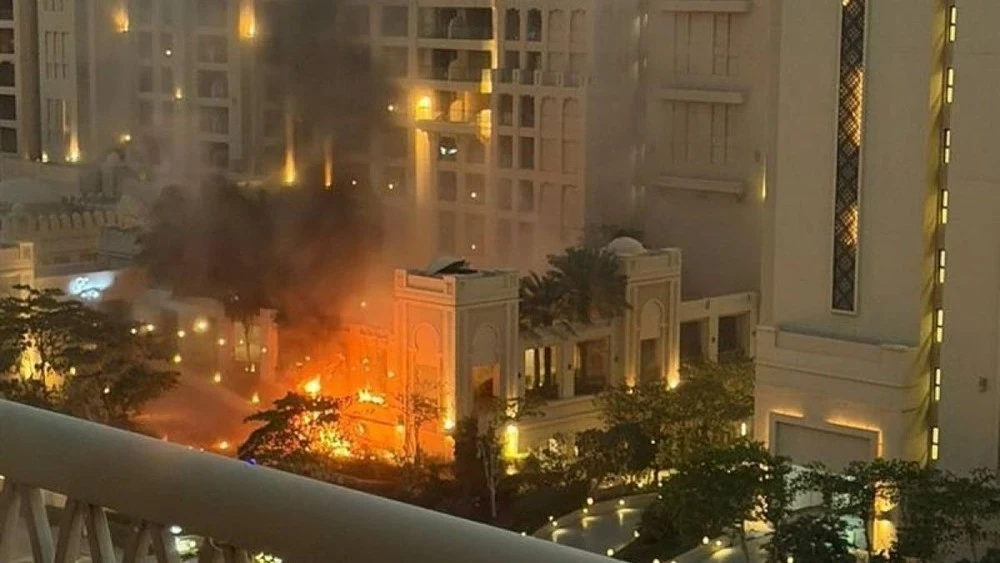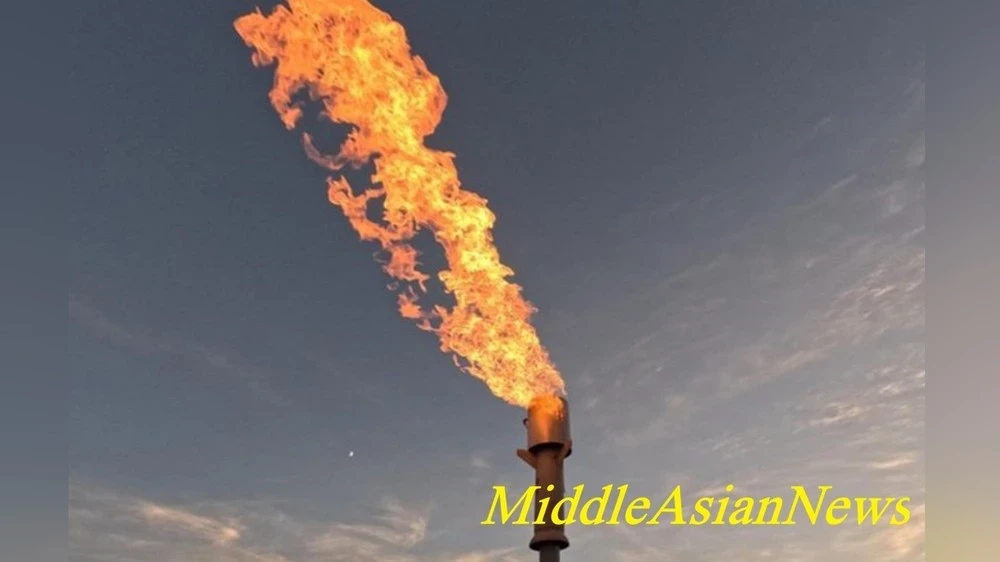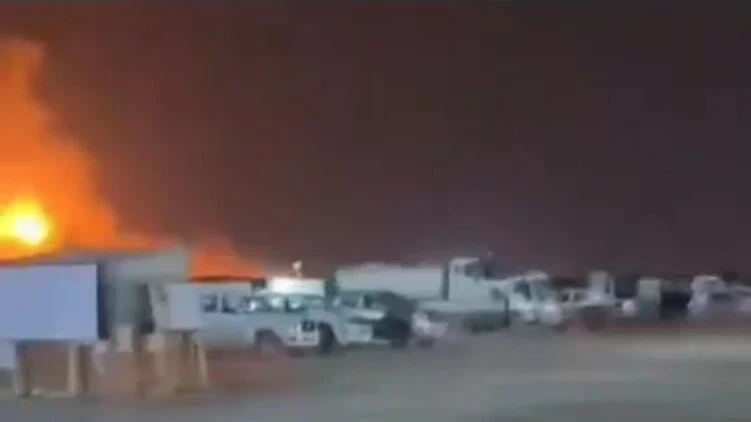
Iranian military forces launched a missile strike on the industrial city of Ras Laffan in Qatar, where the world's largest liquefied natural gas (LNG) production complex is located. As a result of the attack, the facility suffered "significant damage," Reuters reports, citing a statement from the state company QatarEnergy.
Qatari officials reported that the fire caused by the strike was quickly contained, and there were no casualties.
According to Bloomberg, the plant in Ras Laffan accounts for about 20% of global LNG supplies. Operations at the facility were suspended in early March following an attack by an Iranian drone. On March 18, after Iran published a list of potential targets in the region, including Ras Laffan, a complete evacuation of the facility was carried out.
The Qatari Ministry of Foreign Affairs condemned the attack, describing it as "a dangerous escalation and a serious violation of sovereignty," as well as "a direct threat to national security and regional stability."
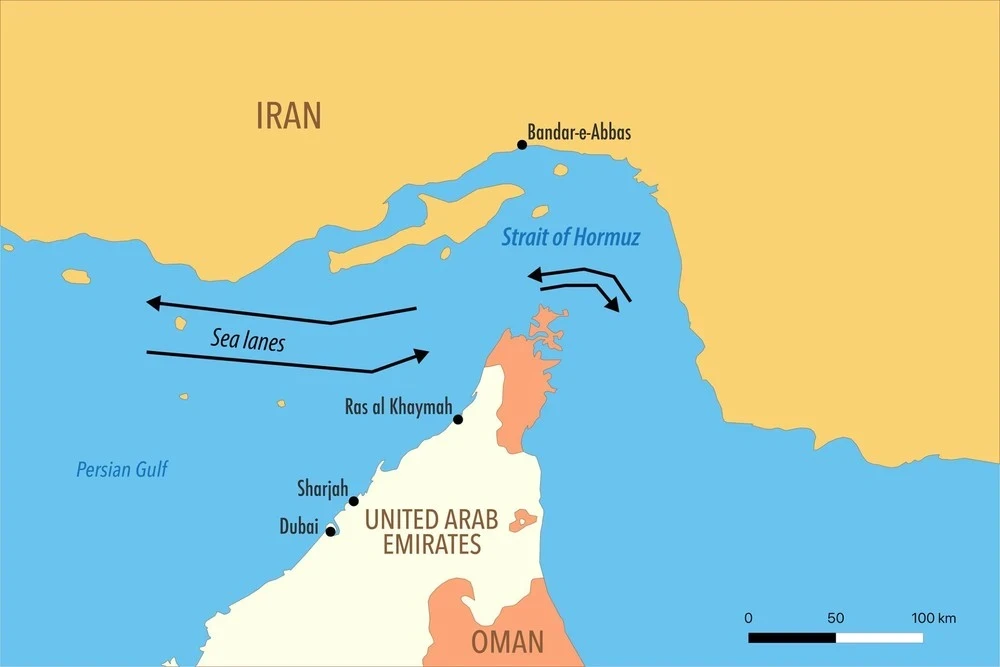
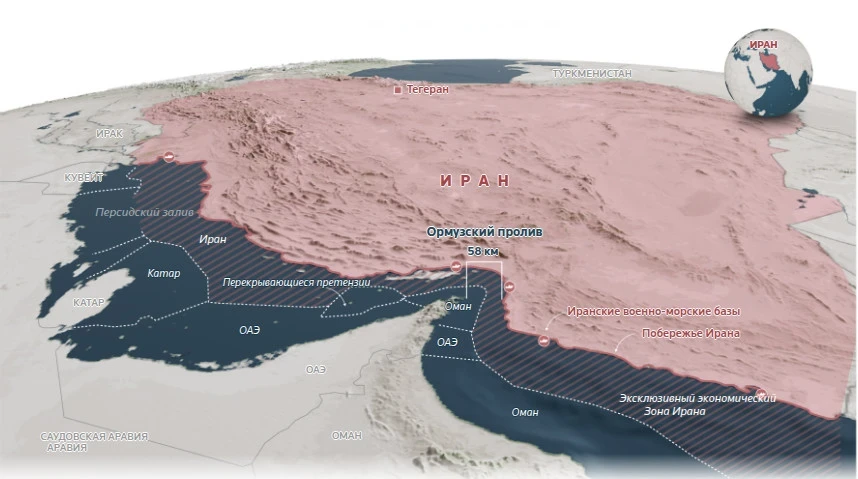
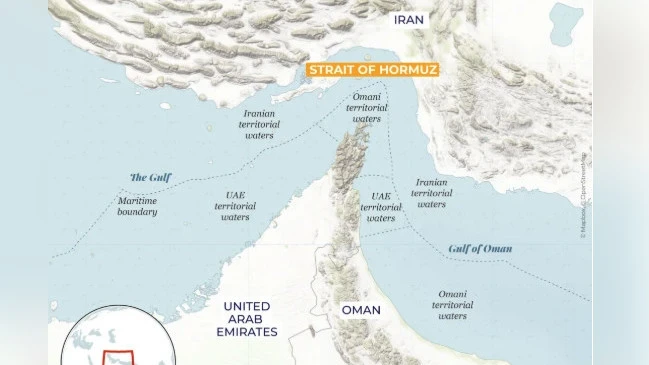
The strike on Ras Laffan marks a new phase in the escalation of the conflict affecting the critically important energy infrastructure of the Persian Gulf, Bloomberg notes. The closure of the Strait of Hormuz and attacks on industrial facilities have already led to a sharp rise in oil and gas prices and forced several producers to cut production volumes. These latest events raise doubts about the possibility of a quick recovery of supplies even after the reopening of the strait, the agency states.
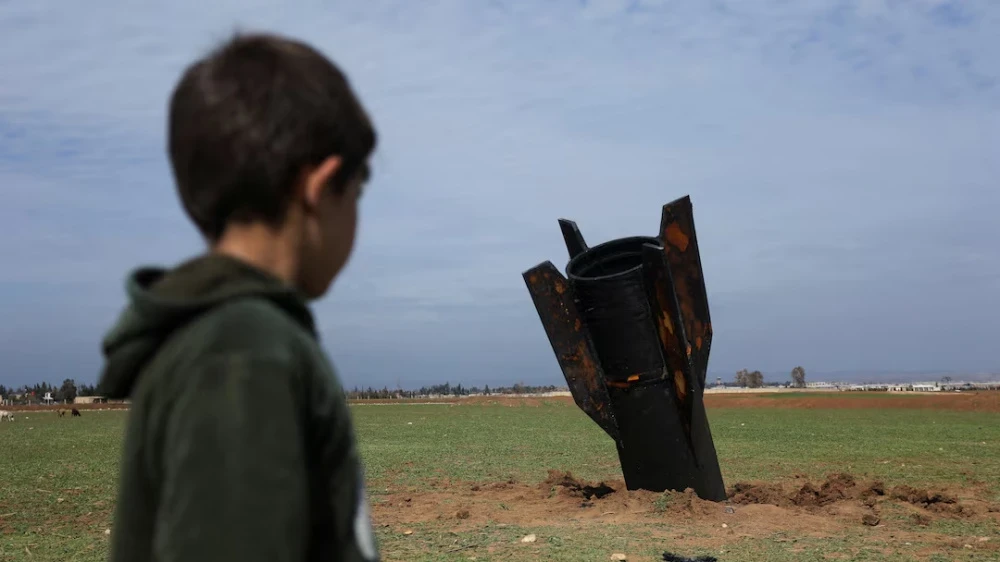
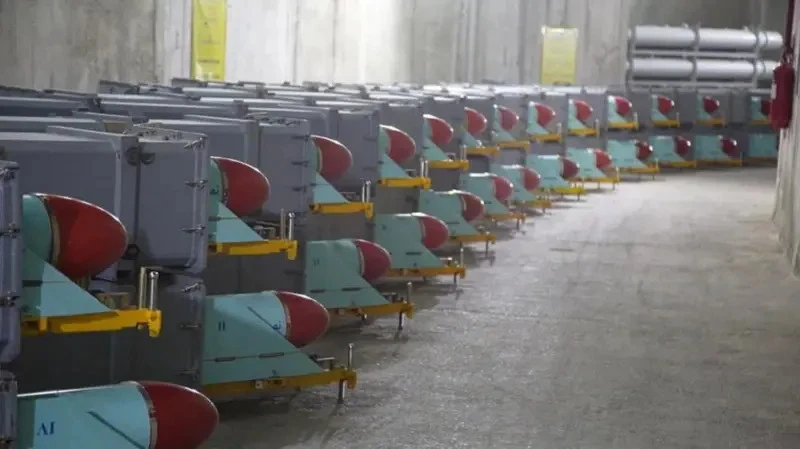
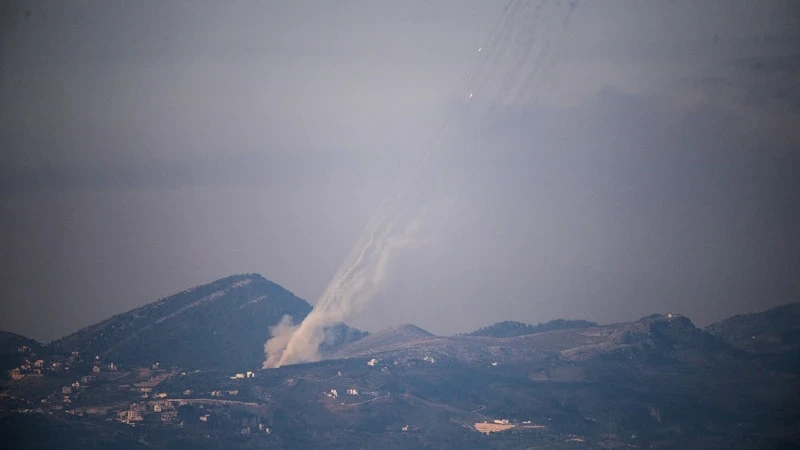
The Qatari Ministry of Defense reported that Iran launched five ballistic missiles toward the country, four of which were intercepted. The Emir of Qatar, Tamim bin Hamad Al Thani, characterized the attack as "reckless and a dangerous escalation of the conflict in one of the world's main energy hubs."
The Saudi Ministry of Defense also reported the interception of eight ballistic missiles over Riyadh, the debris of which landed in various parts of the city, including near a refinery in the south of the capital. Four people, identified as foreigners, were injured by falling debris. The ministry also reported the interception of six drones, including one heading toward a gas facility in the Eastern Province, CNN reports.
At the same time, Saudi Foreign Minister Prince Faisal bin Farhan told reporters on Thursday after a meeting with colleagues from Arab and Islamic countries that the kingdom reserves the right to take military action against Iran if necessary. He added that Saudi Arabia "will not succumb to pressure," emphasizing that such pressure could backfire on those who exert it.
“We reserve the right to military action if deemed necessary, and when the time comes, the leadership of the Kingdom will take the necessary measures. We will not shy away from defending our country and its economic resources,” he noted.
According to bin Farhan, two refineries in Riyadh were also attacked, and the industrial city of Ras Laffan in Qatar suffered "significant damage."
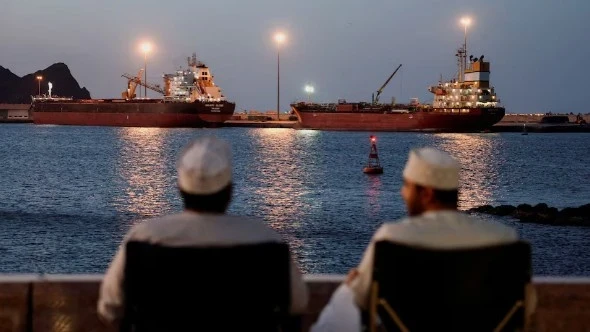
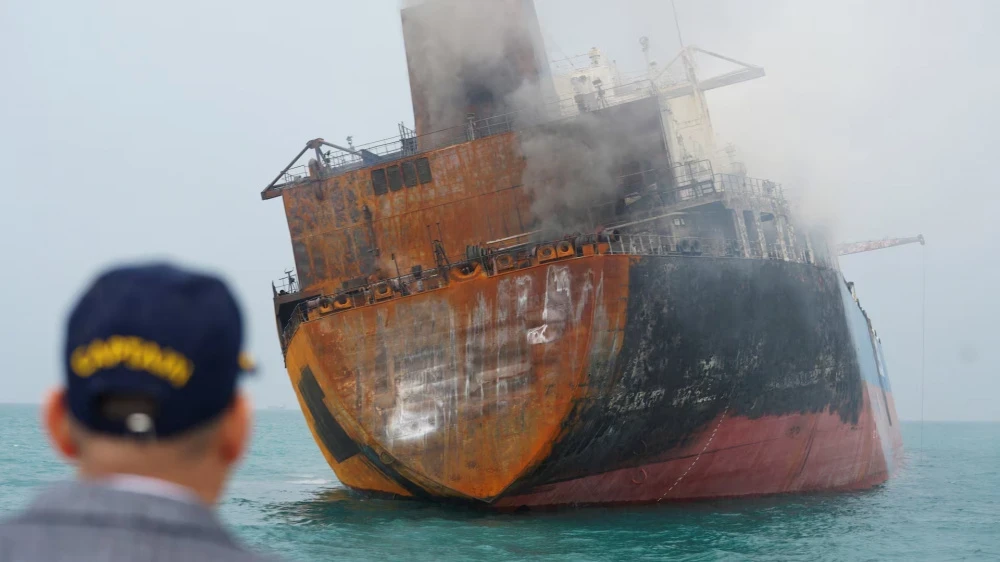
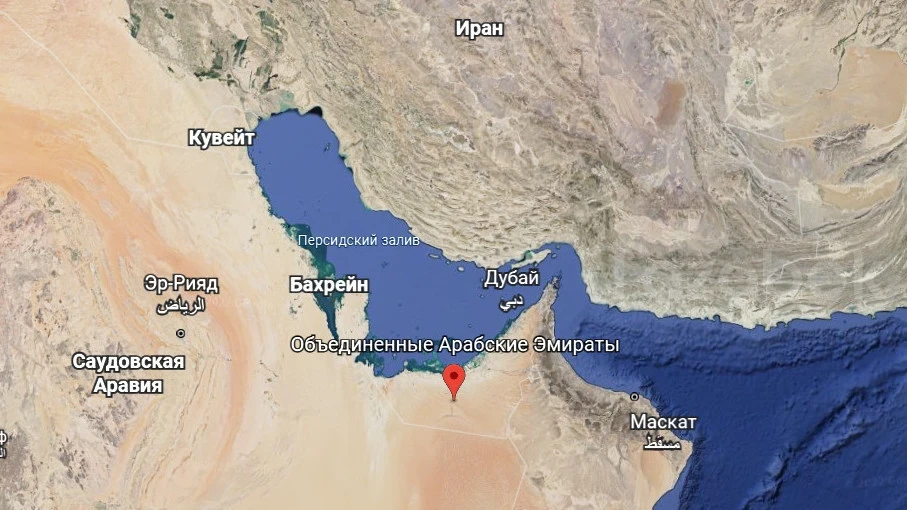
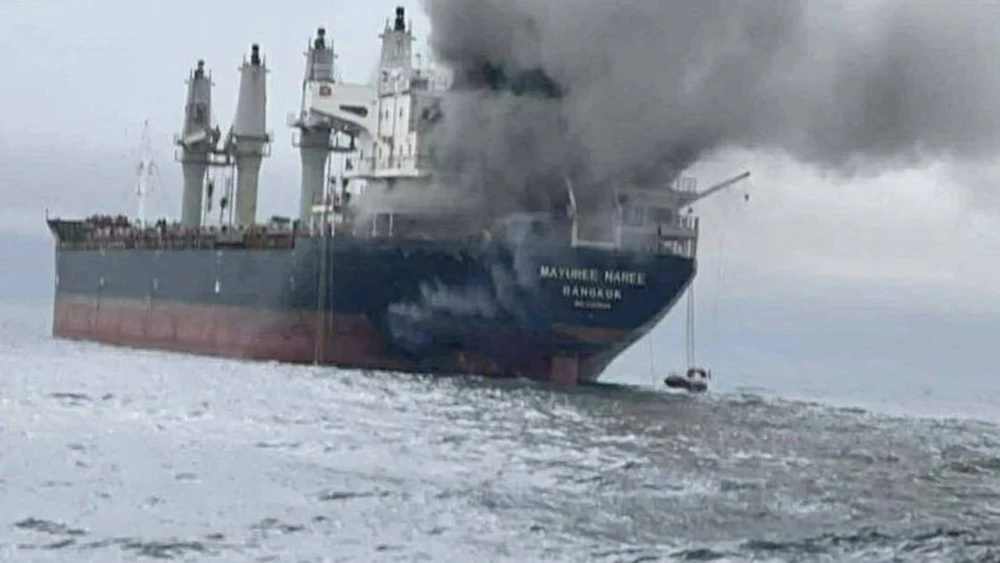
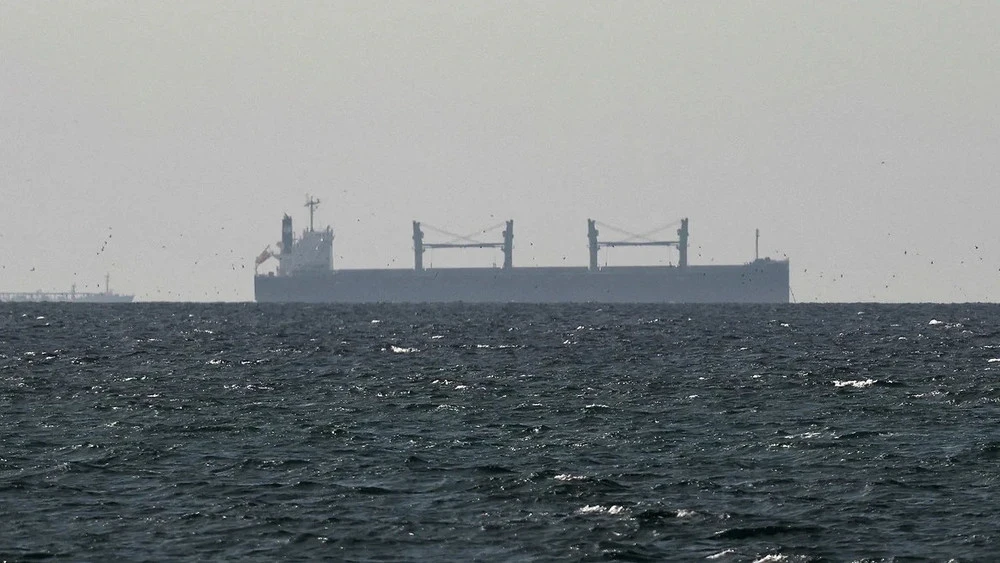
According to the UK Maritime Trade Operations (UKMTO), early Thursday morning, an "unknown projectile" struck a vessel off the eastern coast of the UAE near the Strait of Hormuz. According to the maritime authority responsible for the region, the incident occurred in the Gulf of Oman, 11 nautical miles east of Khor Fakkan, resulting in a fire on board.
In Abu Dhabi, gas production at key energy facilities was suspended following the fall of debris from intercepted missiles. Emergency services are dealing with incidents at the Bab oil field and the Habshan gas complex, which houses one of the largest onshore gas processing plants in the world.
Oil prices in global markets surged to $110 per barrel following attacks on energy infrastructure in the Middle East.
- Earlier, Tehran warned of its intention to attack energy facilities in the Gulf states in response to the strike on the Iranian South Pars field.
- “South Pars” is the largest natural gas field in the world. Qatar owns the “North” section, while Iran owns the “South Pars.” This field is a key source of energy resources for Turkey.