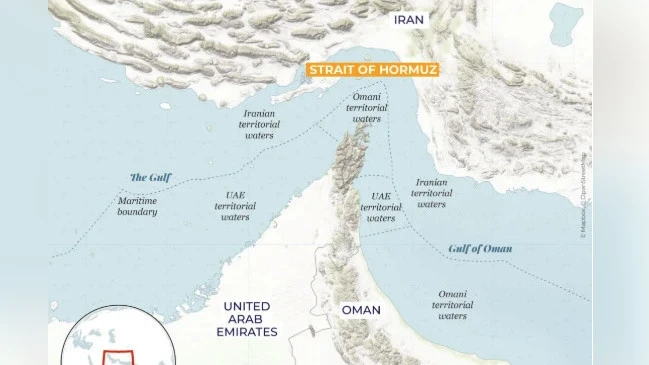
Escalation of the Situation in the Strait of Hormuz
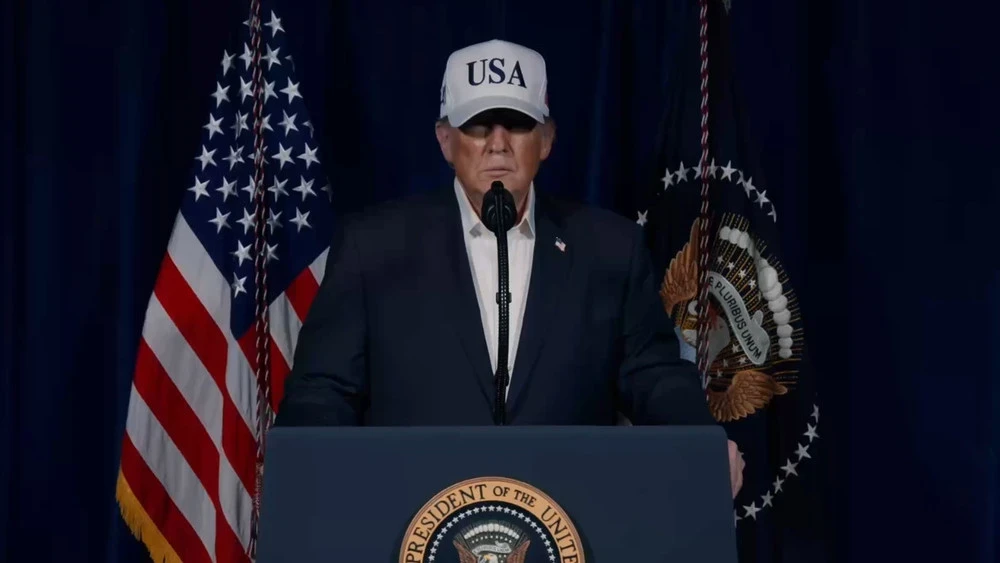
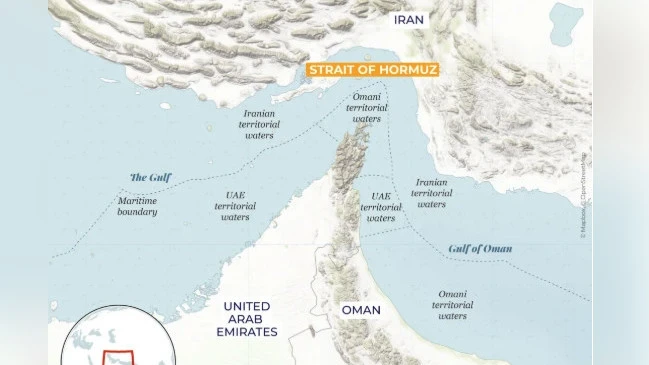
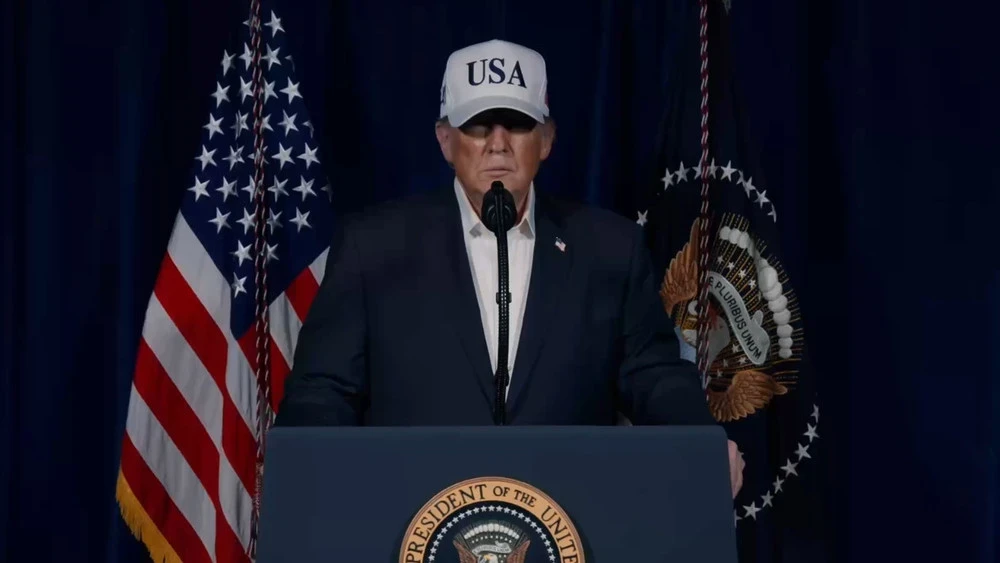
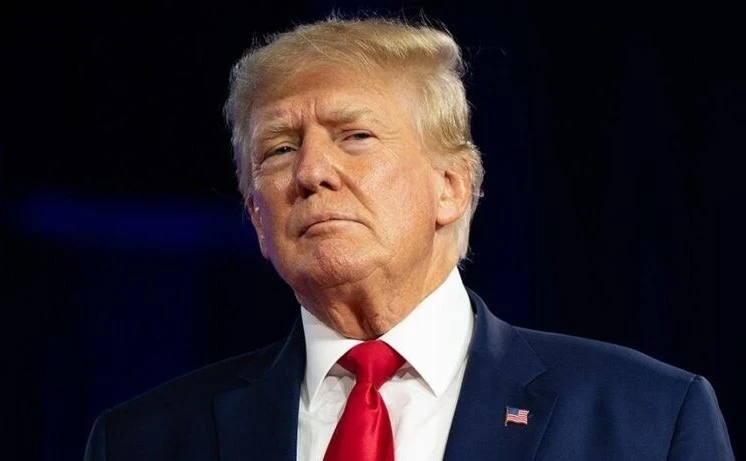
Tehran has stated its readiness to strike the energy infrastructure of neighboring countries in response to threats from U.S. President Donald Trump, who issued a 48-hour ultimatum for Iran to open the Strait of Hormuz.Trump threatens to attack key energy facilities in Iran if Tehran does not comply with the conditions. Markets have already begun to react to this conflict, showing increased uncertainty and fluctuations in oil prices.
Danger to Regional Infrastructure
Iranian authorities emphasized that in the event of attacks, not only energy facilities but also water supply systems, including desalination plants, would be at risk. This raises serious concerns for Gulf countries, where a significant portion of drinking water is produced through desalination.In particular, Bahrain and Qatar are entirely dependent on such plants, in the UAE over 80% of drinking water is also produced through desalination, and in Saudi Arabia, this figure reaches 50%. Power outages could have serious humanitarian consequences.
Mohammad Bagher Ghalibaf, the speaker of the Iranian parliament, stated that in the event of aggression against Iran, critical infrastructure in the Middle East could be "irreversibly destroyed".
Closure of a Key Oil Route
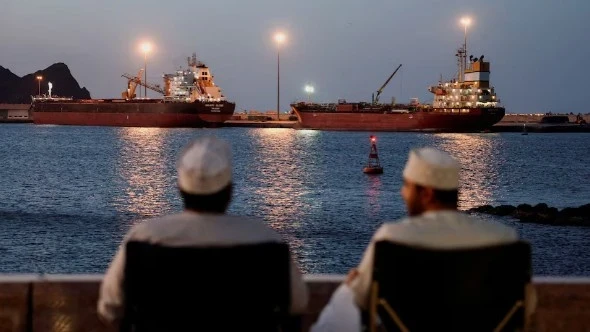
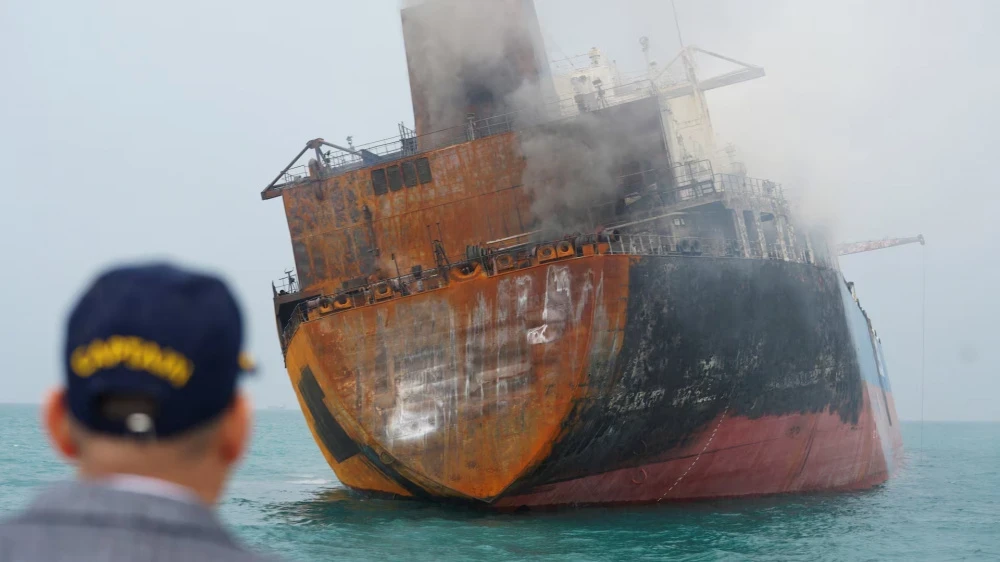
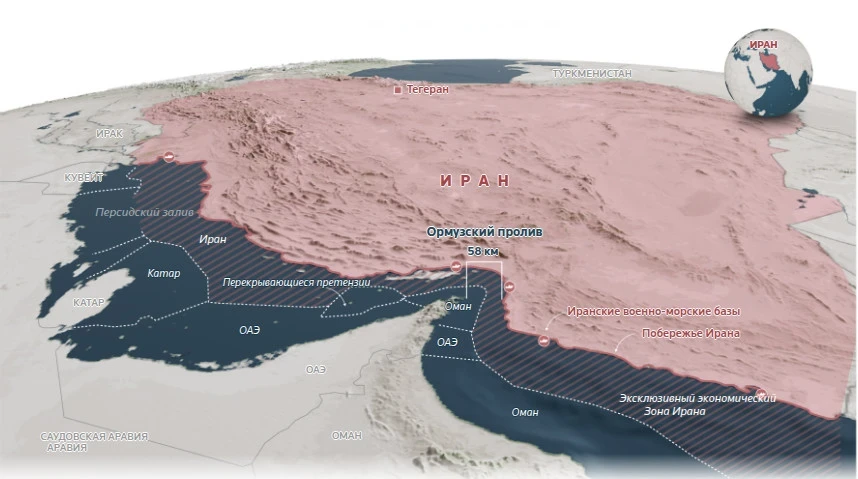
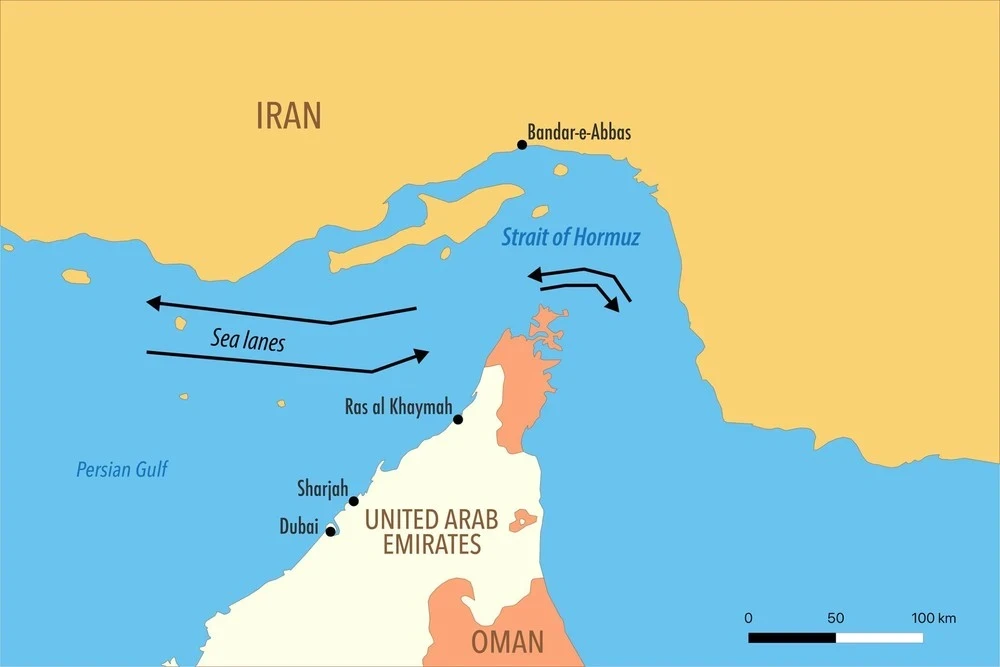
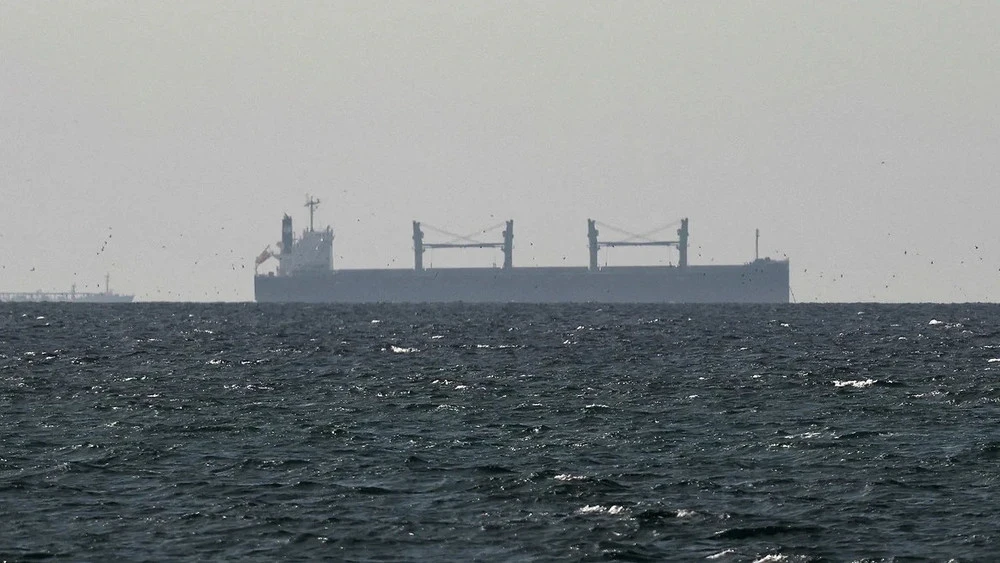
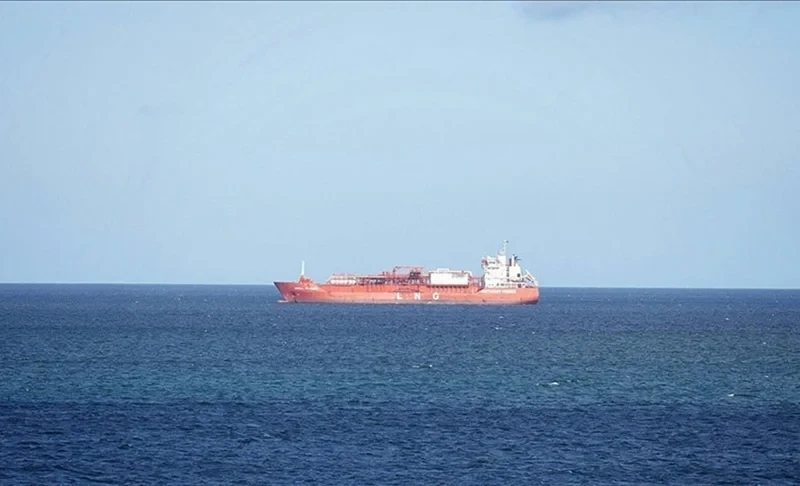
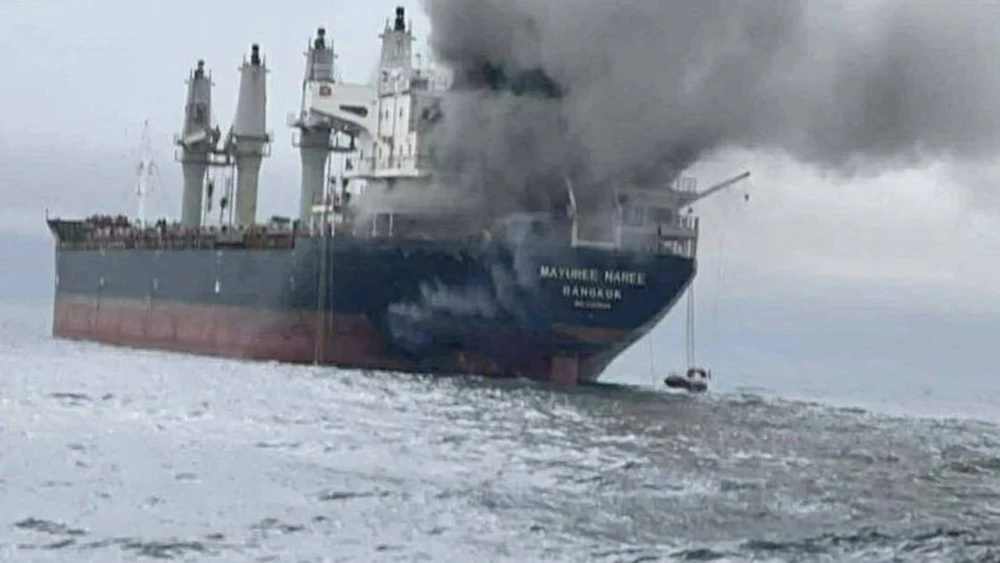
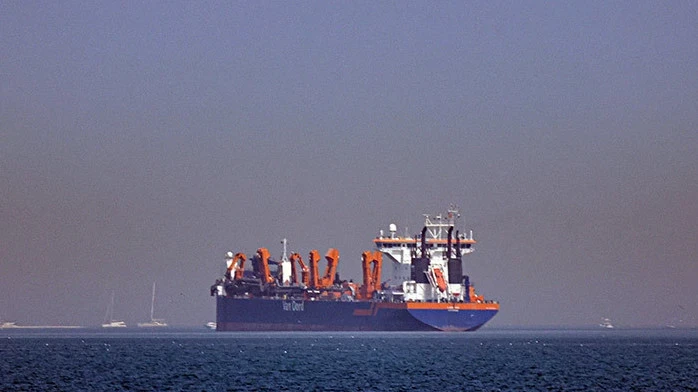
The Islamic Revolutionary Guard Corps also added that the Strait of Hormuz, through which about 20% of the world's oil and liquefied gas supplies pass, will be closed until Iranian power plants are restored.The partial closure has already led to significant disruptions in shipping: many tankers have halted movement, although some vessels continue to pass in coordination with Iranian authorities.
Ongoing Military Actions
Despite statements from the U.S. and Israel about reducing Iran's military power, Tehran continues to counterattack. Air raid sirens were heard in Tel Aviv and other Israeli cities at night.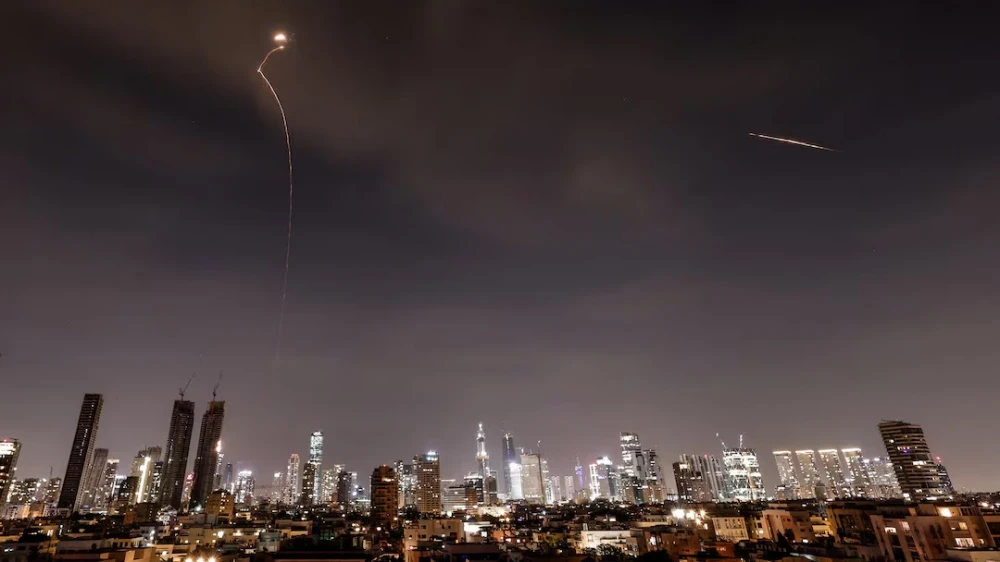
An attempt to intercept a missile over Tel Aviv. Photo Reuters / Amir Cohen.
Iran has used ballistic missiles with a range of up to 4000 km for the first time, attacking a U.S. and UK base in the Indian Ocean, expanding the geographical scope of the conflict.
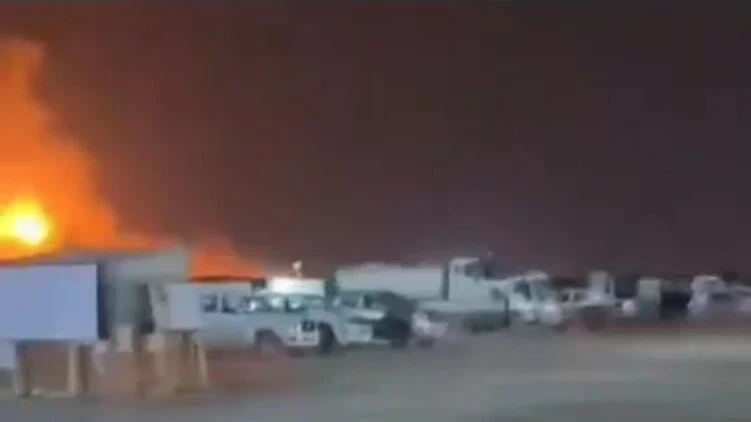
Israel continues to escalate the situation by striking Iranian targets, including military facilities and arms production sites. Casualties have been reported as a result of airstrikes on a radio station in Bandar Abbas.
Expansion of the Conflict
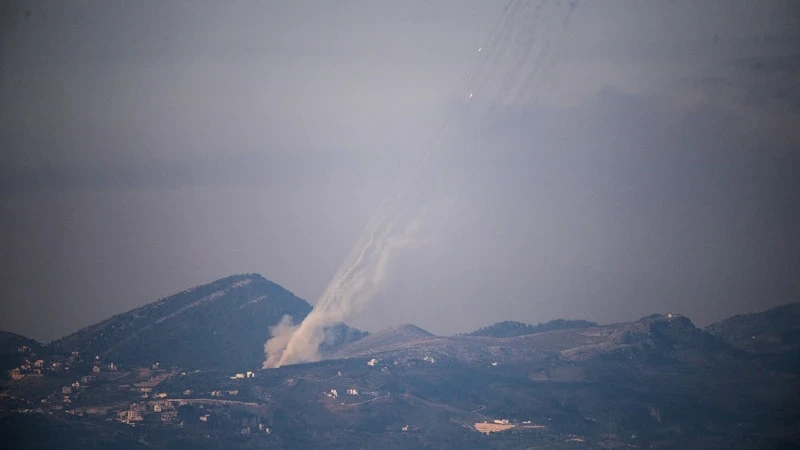
Meanwhile, the confrontation between Israel and the Iran-backed "Hezbollah" in Lebanon continues. Israeli military operations are underway in the south of the country, while "Hezbollah" responds with rocket strikes on northern Israel.Israeli experts predict that hostilities may continue for several more weeks.
Impact on Global Markets
Analysts are confident that the U.S. ultimatum has created a "48-hour bomb of uncertainty" for international markets, anticipating declines in stock indices and further volatility in energy prices.Since the beginning of the conflict, according to official data, more than 2000 people have died, significantly impacting the global economy, increasing inflation risks and tensions in energy markets.