// truthsocial.com/@realDonaldTrump
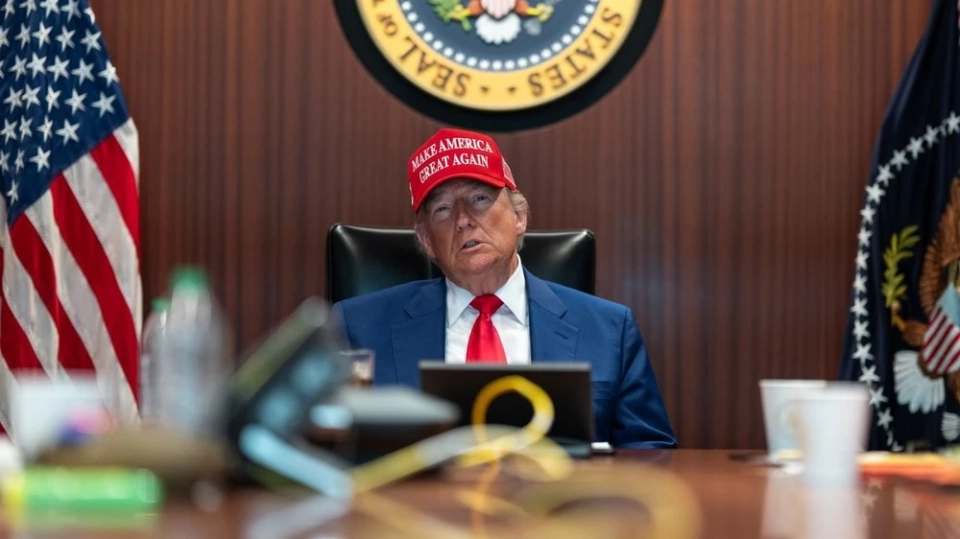
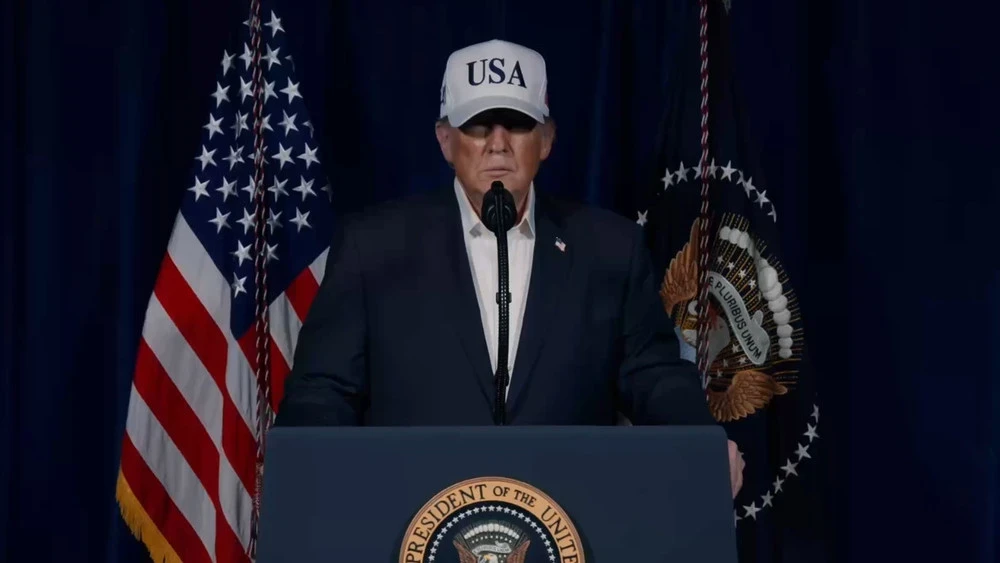
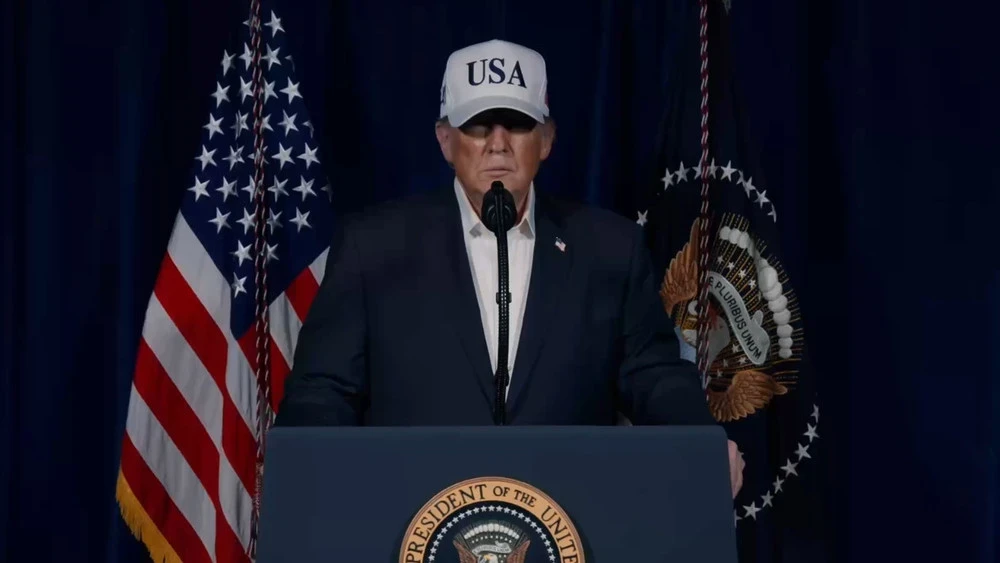
In his comments, Trump noted that reaching a truce makes no sense when one side is in the process of destroying the opponent. He added that Iran is devoid of a navy, air force, and other military resources.
These words came against the backdrop of news that the United States is sending additional troops to the region, which may indicate possible preparations for a ground operation, although Trump himself had previously ruled out such a possibility.
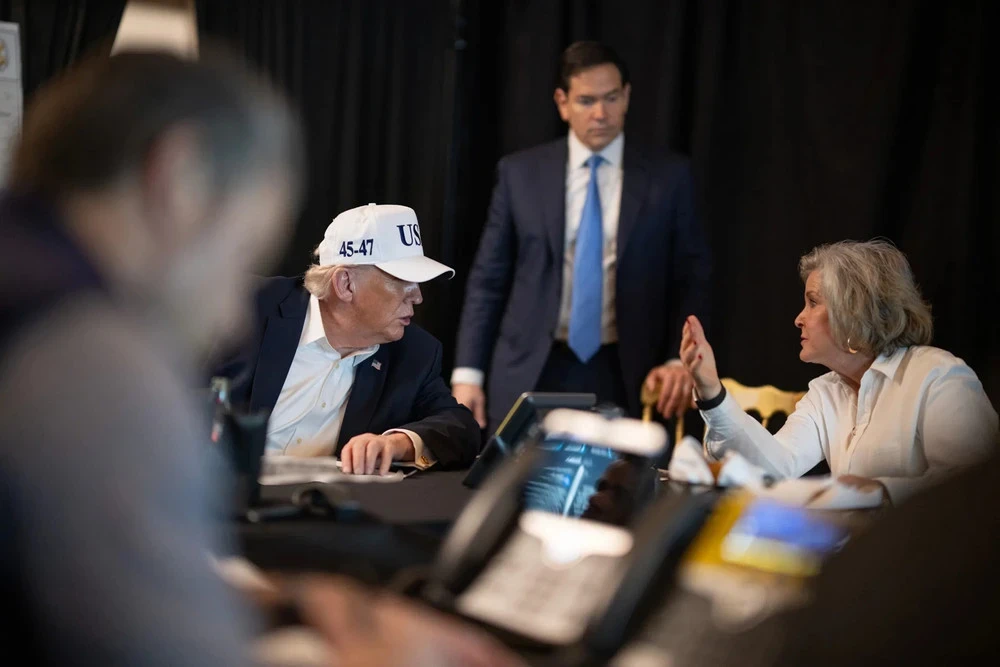
“I believe we have won,” the president said while speaking to reporters on the White House lawn alongside Secretary of State Marco Rubio.
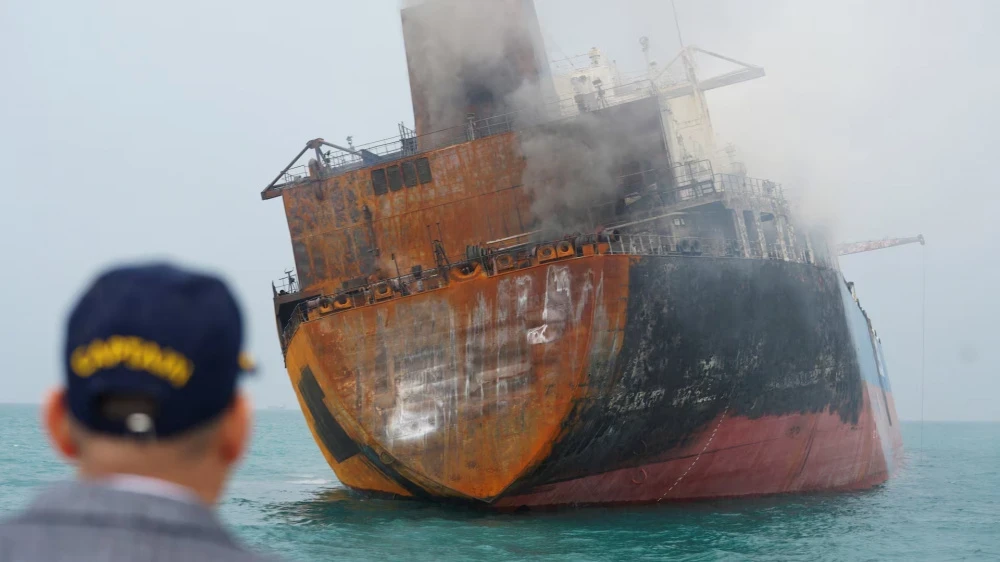
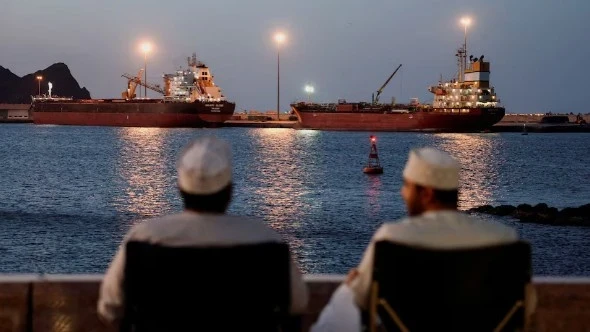
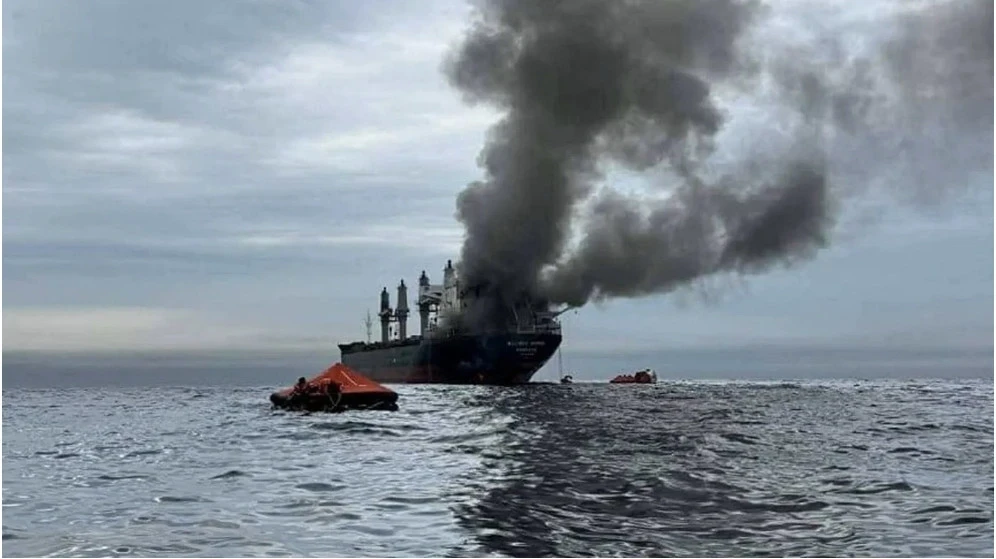
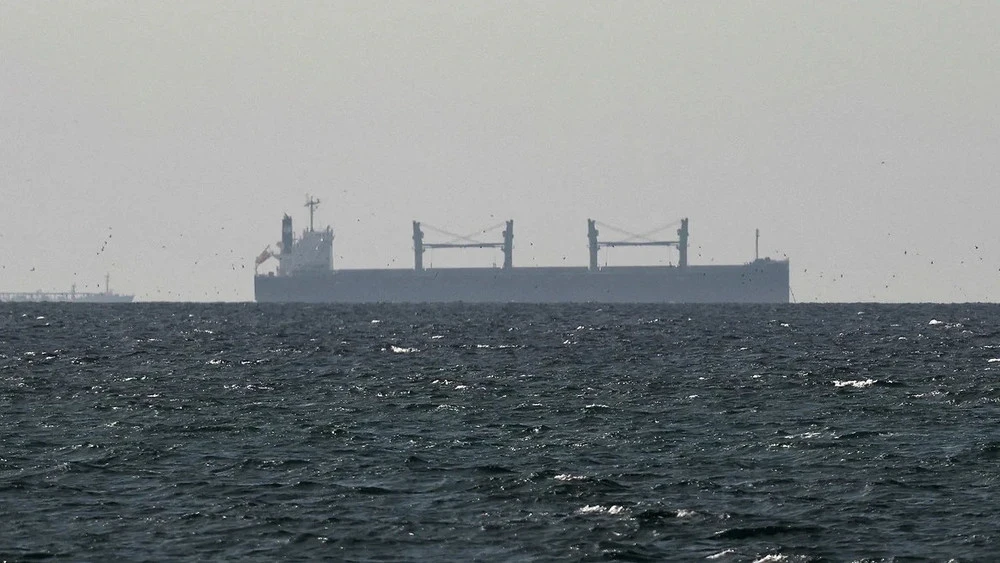
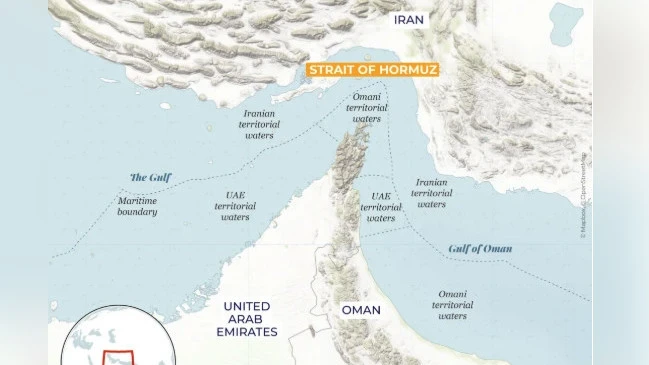
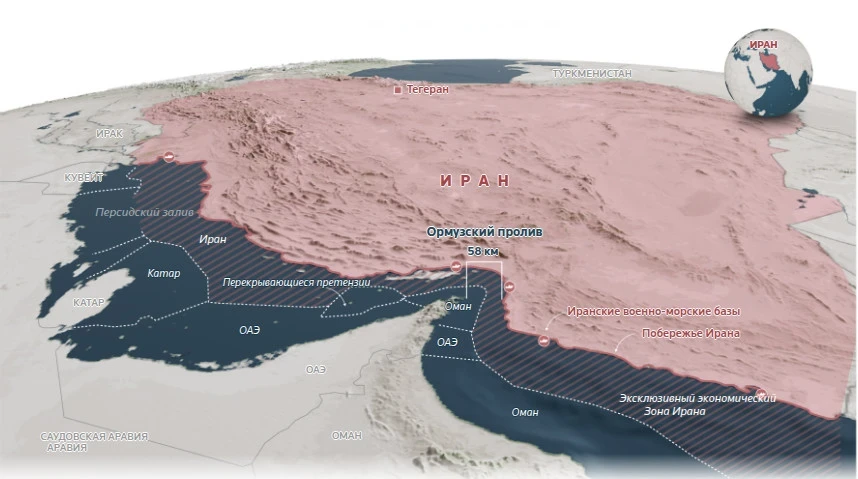
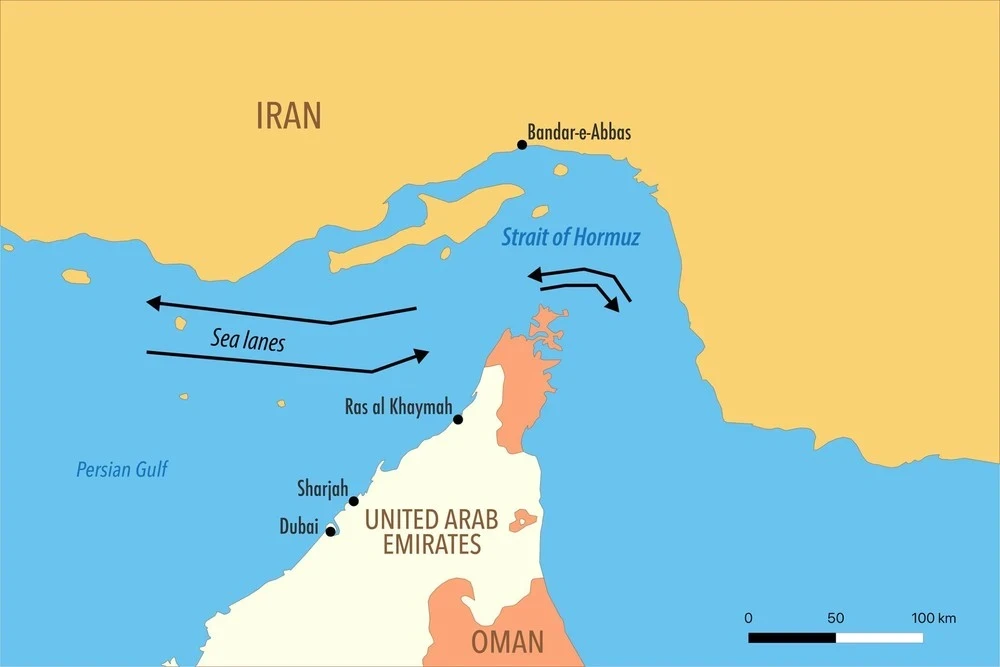
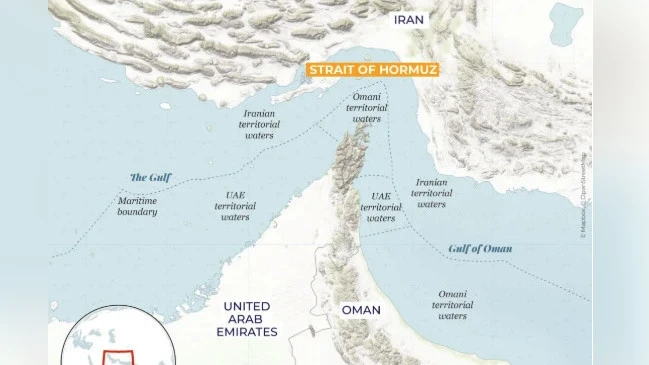
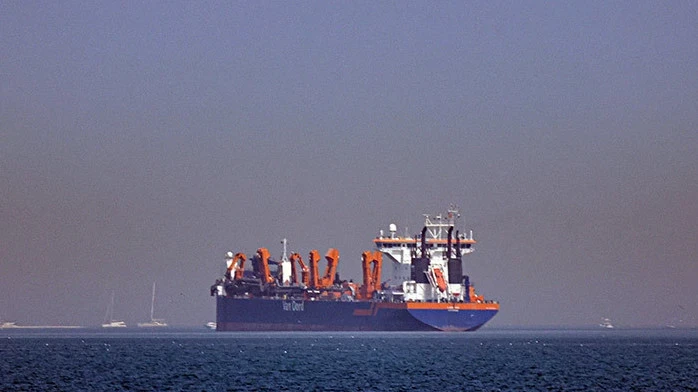
However, Iran has effectively blocked the Strait of Hormuz, contributing to rising global oil prices and delaying numerous commercial vessels in the Persian Gulf.
According to reports from American media such as NBC News and the Wall Street Journal, U.S. Marine units are heading to the Middle East, and the White House is considering increasing troop levels in the region.
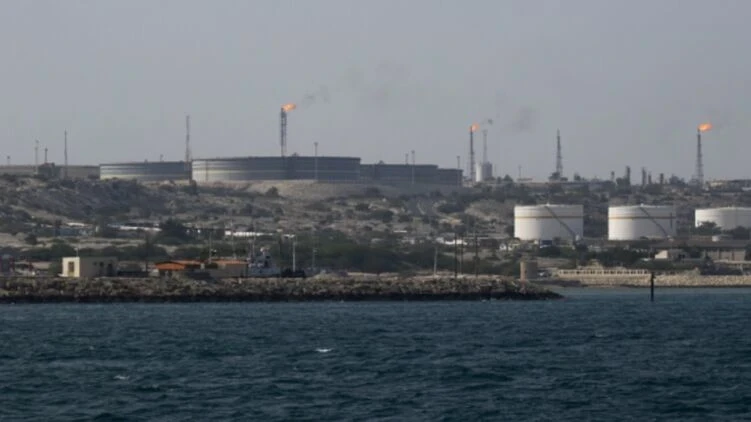
Axios also reported that the U.S. administration is considering a scenario of occupying or blockading the Iranian island of Khark, which plays a key role in Iran's oil exports. This could become a tool for pressure on Iran to unblock the Strait of Hormuz.
Previously, the U.S. struck this island, with Trump emphasizing that the attacks were aimed at military facilities, not oil infrastructure, a point confirmed by Iranian authorities.
When asked by AFP about the administration's plans, Trump replied, “I might have a plan, or I might not.” At the same time, the White House stated that if necessary, the U.S. could "destroy" the oil hub at any time.
Also on Friday, Trump criticized NATO countries for their lack of action in ensuring the security of the Strait of Hormuz, stating that without U.S. support, the alliance is a "paper tiger." He pointed out that allies are not ready to engage in conflict with nuclear-capable Iran and instead complain about high oil prices, unwilling to help open the strait.
Shortly thereafter, Britain announced that it had authorized the U.S. to use its bases for strikes against Iranian targets threatening safe passage in the Strait of Hormuz.
London had previously allowed U.S. forces to conduct operations against Iranian missiles, but at Friday's meeting, it was decided to expand this authorization to protect maritime vessels.
According to sources from Downing Street, the UK does not plan to participate directly in the strikes, and its principles regarding this conflict remain unchanged.
Trump called the UK's response belated, noting that they should have acted more quickly. He had previously criticized Prime Minister Keir Starmer for insufficient support in the early stages of the conflict.
Iranian Foreign Minister Abbas Araghchi responded to these events, stating that Starmer's decision threatens the safety of Britons and warned of Iran's right to self-defense.
“Most Britons are against participating in Israel and the U.S. war with Iran. Ignoring the people's opinion, Mr. Starmer jeopardizes British lives by allowing bases to be used for aggression against Iran,” he wrote on social media X.
The Iranian Foreign Ministry previously reported that Araghchi had a phone conversation with British Foreign Secretary Yvette Cooper, in which he expressed concerns that any assistance from Britain to the U.S. would lead to an escalation of the conflict.