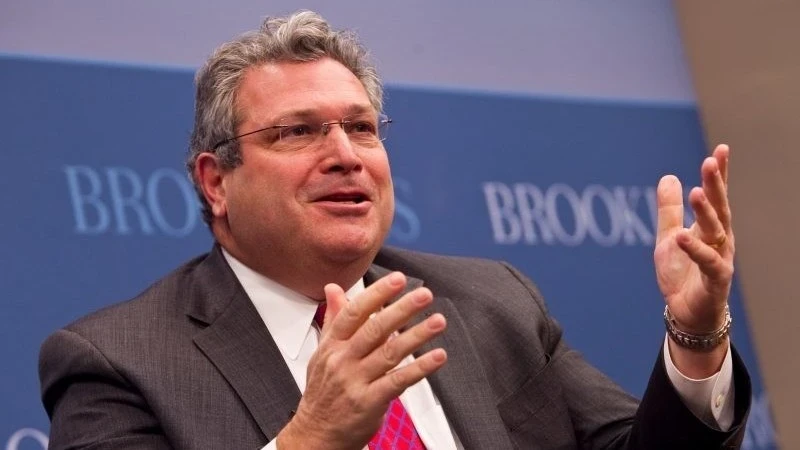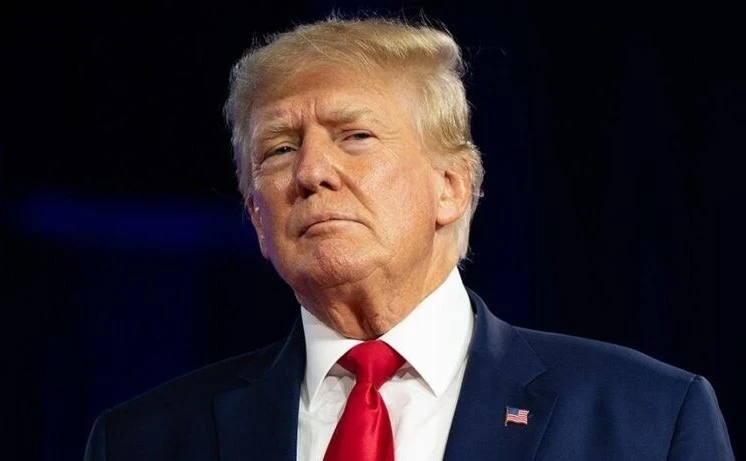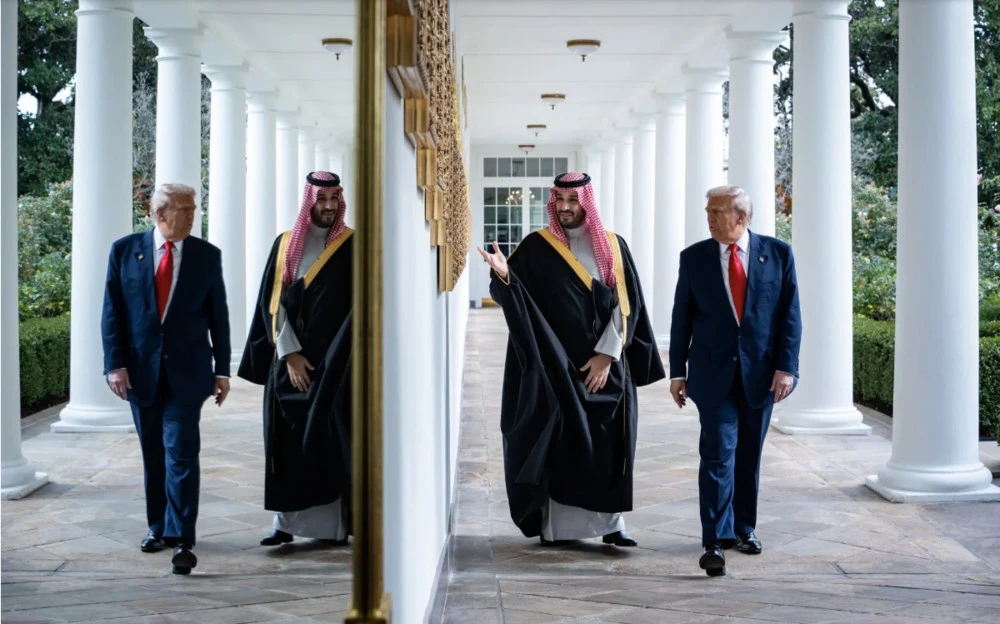
During recent negotiations with Trump, Prince Mohammed emphasized the necessity of overthrowing the Iranian regime, claiming that Iran poses a long-term threat to the Gulf countries that can only be eliminated through its removal.
Israeli Prime Minister Benjamin Netanyahu also sees Iran as a serious threat; however, analysts note that Israeli officials may perceive Iran's internal problems as a victory, while for Saudi Arabia, it remains a real security threat.
Nevertheless, both high-ranking sources from the Saudi and American governments express concerns that a protracted conflict could lead to more serious strikes on Saudi Arabia's oil facilities, which could drag the U.S. into an endless war.
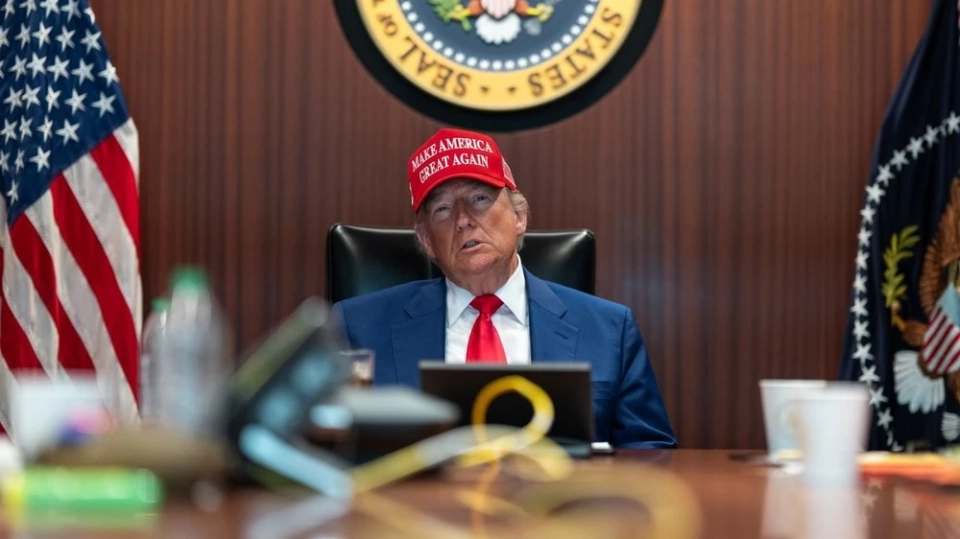
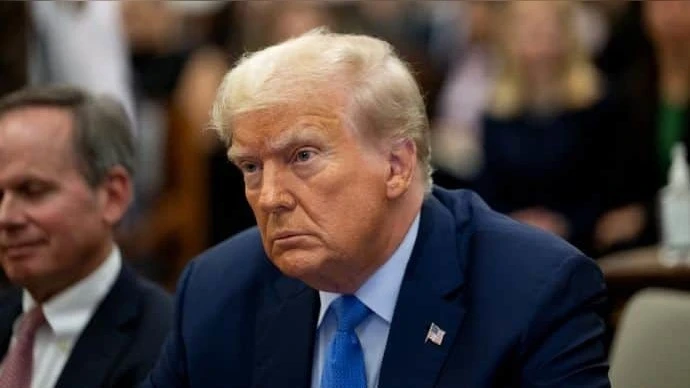
Trump, for his part, has changed his public stance: from hints at a quick end to the conflict to signals of its possible escalation. On Monday, he stated on social media about "productive negotiations" with Iran, although the latter denied this information.
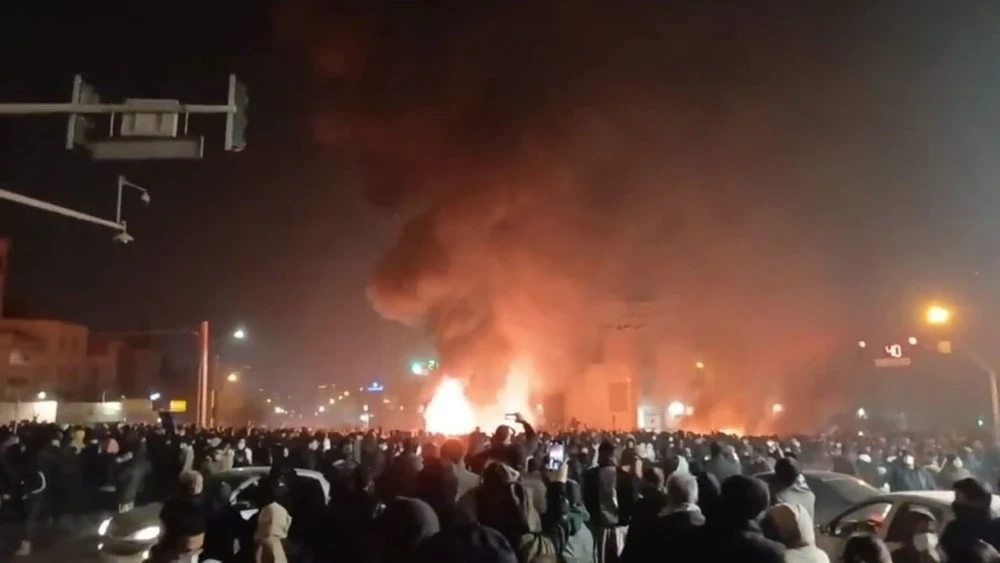
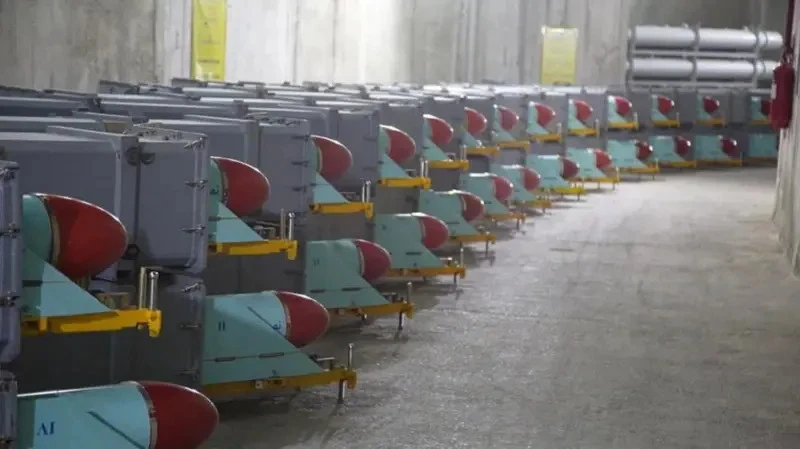
The economic and national consequences of war for Saudi Arabia are significant. Iran's retaliatory actions, including drone and missile strikes on oil facilities, have already caused disruptions in the global oil market.
Saudi authorities have denied rumors that Prince Mohammed is interested in prolonging the conflict. An official statement emphasized that the kingdom has always supported a peaceful resolution of disputes from the very beginning. "Our main task is to protect our citizens from regular attacks," they added.
Sources indicate that Trump has sometimes shown a willingness to end the war; however, Prince Mohammed insisted on the necessity of striking Iran's energy infrastructure to weaken its government.
This information is gathered based on interviews with individuals involved in the discussions, but their names remain anonymous due to the sensitivity of the topic. The New York Times surveyed individuals with various opinions regarding the continuation of the conflict and the role Prince Mohammed plays in advising Trump.
White House Press Secretary Karine Jean-Pierre stated that the administration "does not comment on private conversations of the president."
Prince Mohammed, an authoritarian member of the royal family who actively suppresses dissent, enjoys Trump's trust and has previously influenced his decisions. According to sources, he suggested that the U.S. consider deploying troops in Iran to seize energy infrastructure.
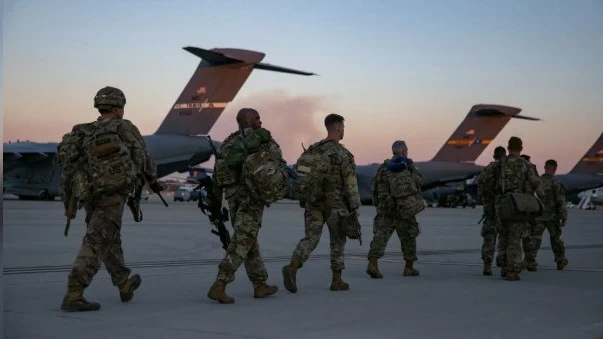
In recent days, Trump has begun to seriously consider an operation to capture the island of Kharg, an important center of the Iranian oil industry. Such an operation, involving airborne troops or marines, would be extremely risky.
However, it is known that Prince Mohammed has advocated for conducting ground operations.
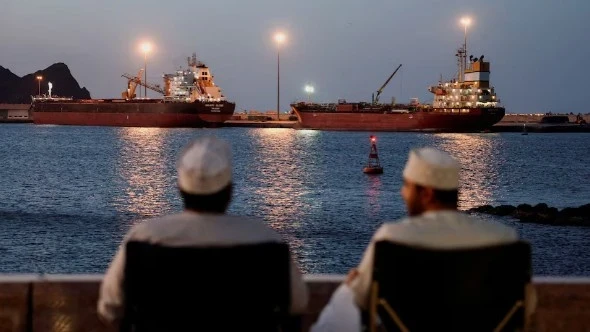
The Saudi position on the conflict is defined by both economic and political considerations. Since the beginning of the conflict, Iran has significantly restricted movement through the Strait of Hormuz, negatively impacting the region's energy sector. The majority of oil from Saudi Arabia, the UAE, and Kuwait passes through this strategically important route.
Although the kingdom and the UAE have built alternative pipelines, they have also been subjected to attacks.
Analysts familiar with the Saudi government's position note that Prince Mohammed would likely prefer to avoid war; however, he is concerned that if Trump retreats now, Saudi Arabia and the entire Middle East will be left alone with an aggressive Iran.
In their opinion, an unfinished conflict would make Saudi Arabia vulnerable to Iranian attacks, and Iran could periodically block the Strait of Hormuz.
"Saudi officials want the war to end, but it is important how it ends," says Yasmin Farouk, director of the Gulf and Arabian Peninsula project at the International Crisis Group.
The attack on Saudi oil facilities in 2019, carried out with Iranian support, forced the prince to reconsider his strategy towards the Islamic Republic.
As a result, Saudi Arabia attempted to establish diplomatic relations with Iran in 2023, realizing that an alliance with the U.S. does not provide full protection against Iranian threats.
Other countries in the region, such as the UAE, are also seeking to improve relations with Iran for similar reasons.
After Trump announced the start of the war, despite warnings from several Gulf governments, Iran responded with massive missile strikes on regions, thwarting attempts to win it over to their side, as reported by representatives of these countries.
"The trust that existed before has been completely destroyed," said Saudi Foreign Minister Prince Faisal bin Farhan last week.
The kingdom possesses a significant number of Patriot interceptors to protect against Iranian attacks on its oil facilities and cities.
However, there is a shortage of interceptors worldwide. Saudi Arabia has already faced drone and missile attacks that have damaged oil refineries and even the U.S. embassy, resulting in the deaths of two Bangladeshi workers and injuries to dozens of others.
Since the beginning of the war, Netanyahu has advocated for military actions that could lead to the fall of the Iranian government. American officials are focused on reducing Iran's missile and naval capabilities, expressing doubts about the possibility of overthrowing the hardline regime in Iran.
Despite significant losses among Iranian leaders, the hardline government still maintains control.
Analysts emphasize that Saudi officials consider a failed Iranian state a serious threat. They fear that even after the regime's fall, remaining elements of military power will continue to attack the kingdom, focusing on its oil facilities.
Some analysts argue that Prince Mohammed views the war as an opportunity to enhance Saudi Arabia's influence in the Middle East, assuring that the kingdom can protect itself even amid an ongoing conflict.
During discussions with the prince, Trump addressed the war's impact on oil prices and the economy. According to sources, Prince Mohammed assured him that this is only a temporary problem.
Nevertheless, American and regional officials express dissatisfaction that oil markets will not quickly recover after the war. Economists believe that Saudi Arabia will not be able to compensate for the shortfall, as existing pipelines can transport only a small portion of the oil that usually passes through the Strait of Hormuz.
Although Saudi Arabia is in a better position than other Gulf countries to endure the closure of the strait, it may face serious consequences if this route is not opened soon.
Before the war began, Prince Mohammed was already facing financial difficulties, approaching the set deadline of 2030 to transform the country into a global business hub. His government plans a significant budget deficit for the coming years due to ambitious projects and investments in artificial intelligence.
A prolonged conflict with Iran would jeopardize all of this. The prince's success depends on creating a safe environment for investors and tourists.
When asked whether the Saudi government prefers an immediate end to the war or a prolonged conflict to weaken Iran, Saudi Foreign Minister Prince Faisal stated that the only thing that concerns officials is the cessation of Iranian attacks on the kingdom and neighboring countries.
"We will use all available means — political, economic, and diplomatic — to end these attacks," added Prince Faisal.
The full translation of the New York Times article "Saudi Leader Is Said to Push Trump to Continue Iran War in Recent Calls".