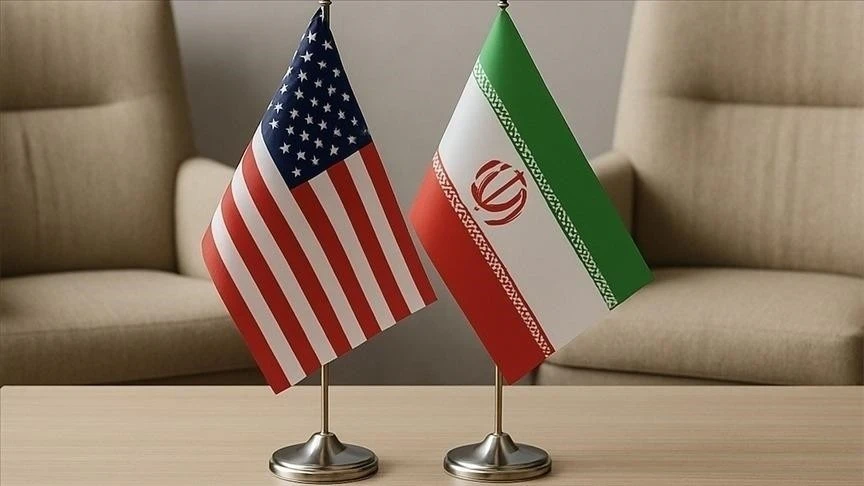
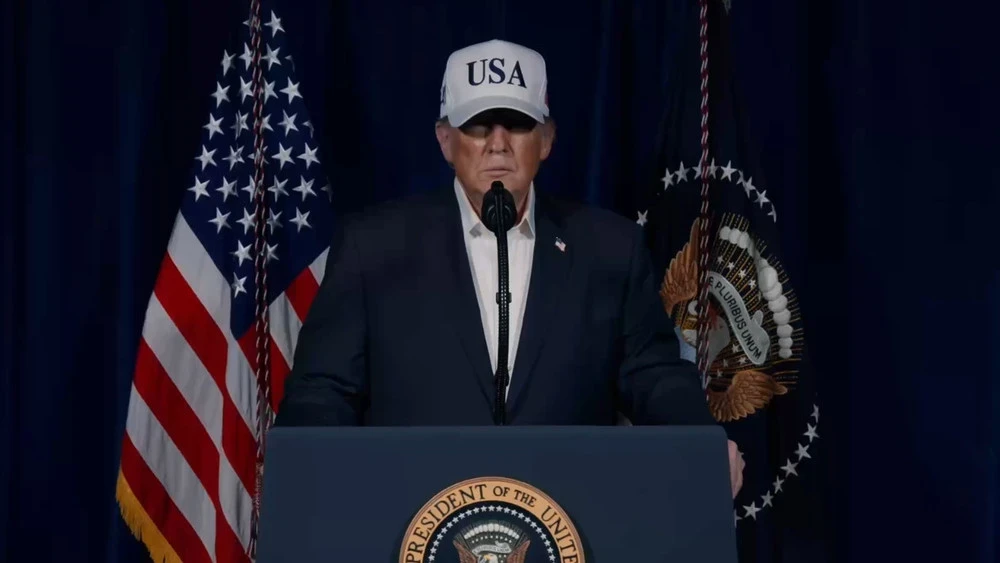
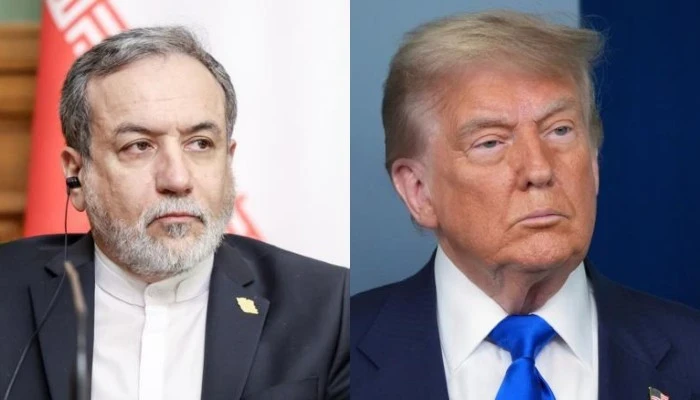
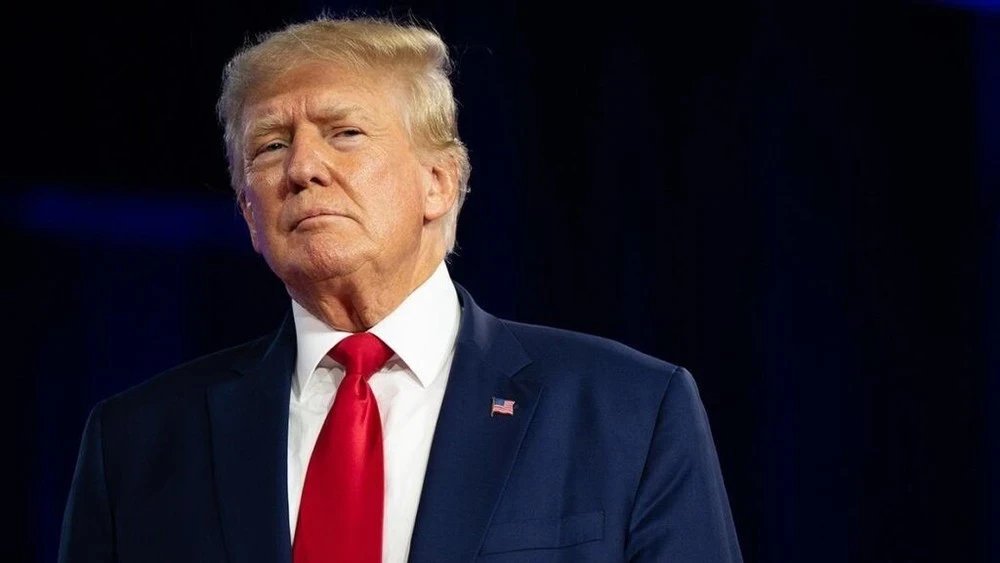
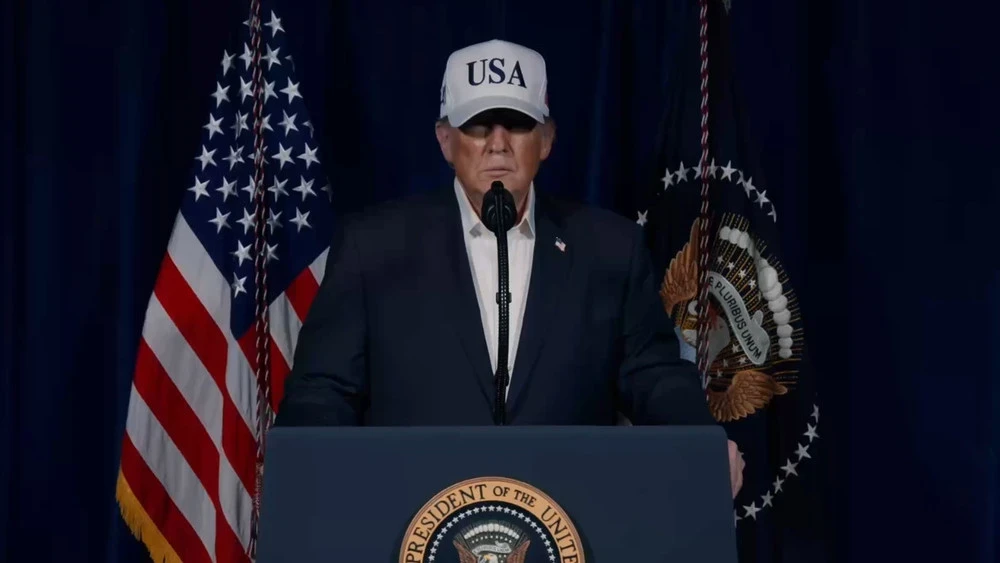
However, Iranian authorities, including Foreign Minister Mohammad Javad Zarif and Parliament Speaker Mohammad-Baqer Qalibaf, called these claims false and accused Trump of trying to manipulate oil prices. At the same time, unofficial sources in the Iranian Foreign Ministry confirmed that Tehran received proposals from the U.S. through intermediaries and is considering them.
Intermediaries and Conditions
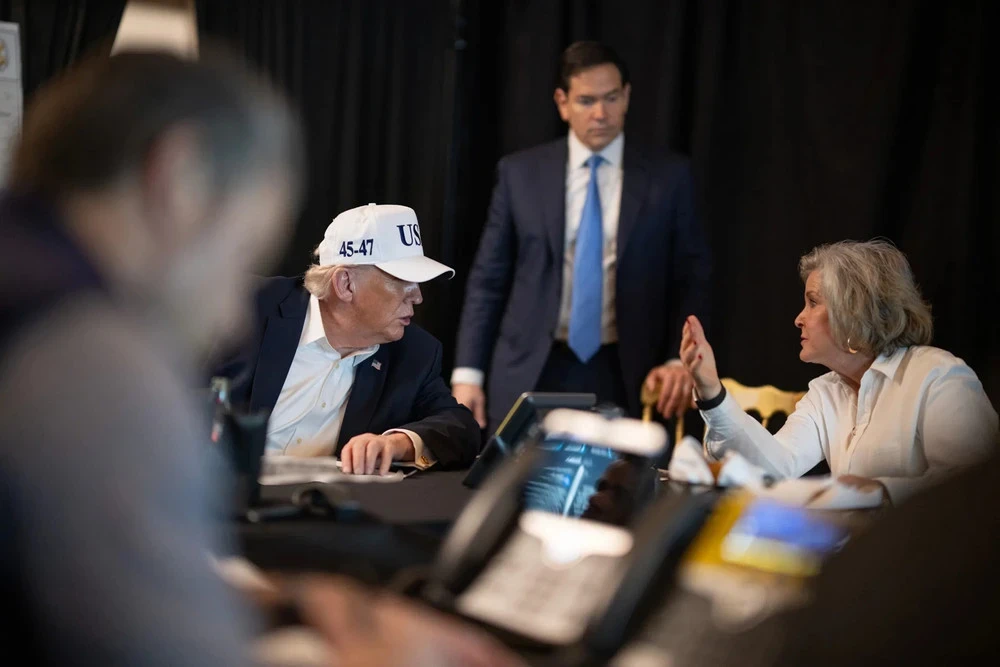
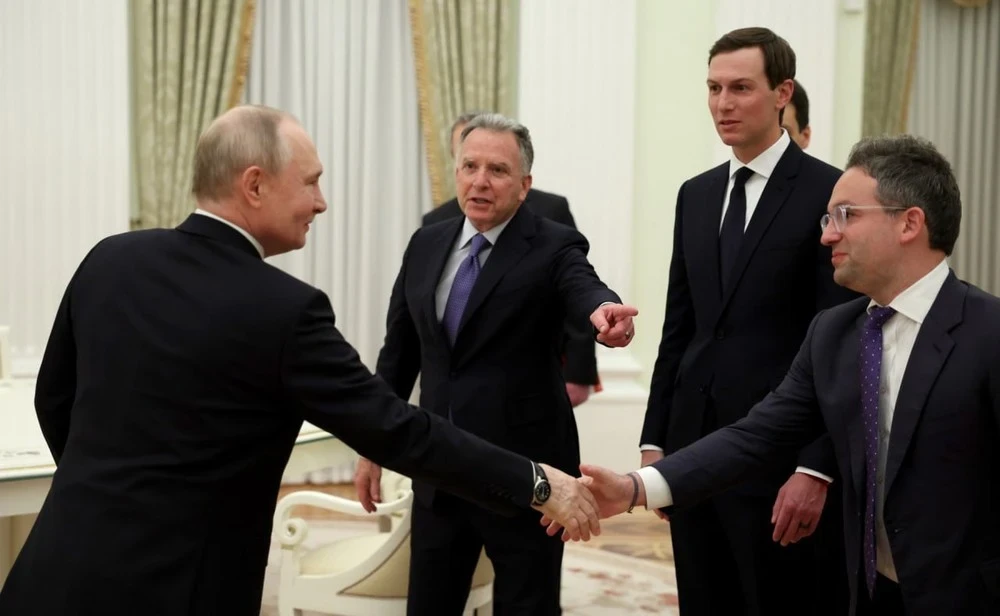
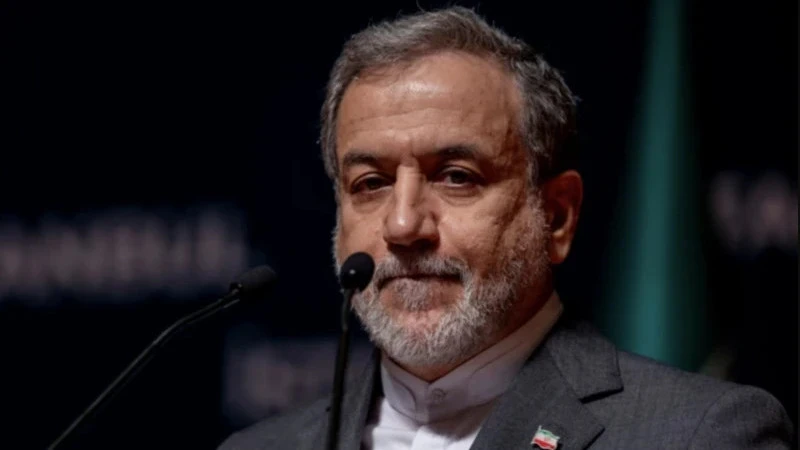
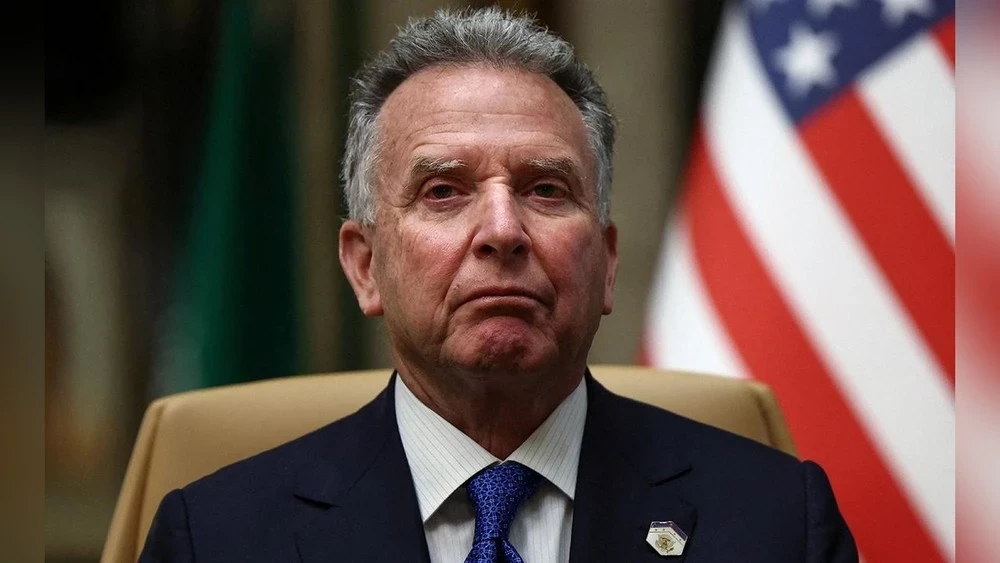
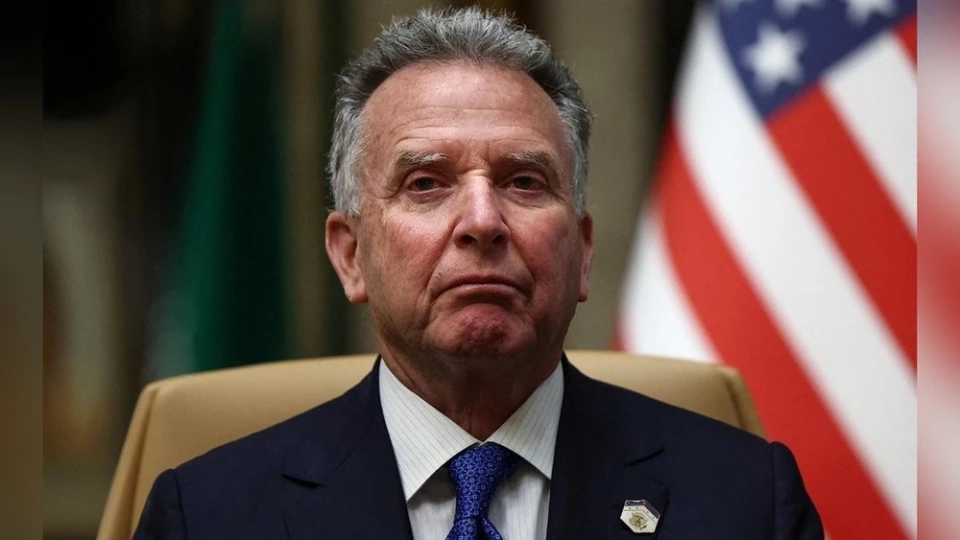
According to media reports, negotiations may take place through third countries such as Turkey, Egypt, and Pakistan. The U.S. is represented in the process by Special Envoy Steve Witkoff and Jared Kushner, while Iran is represented by Foreign Minister Abbas Araghchi.Trump claims that he is negotiating with a "key figure" in Iran, but not with the Supreme Leader. He also emphasized that Iran's abandonment of nuclear weapons would be an important condition for a possible agreement.
Five Days for a "Deal"
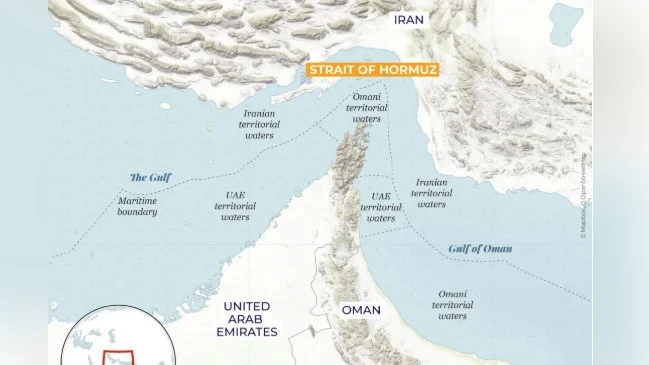
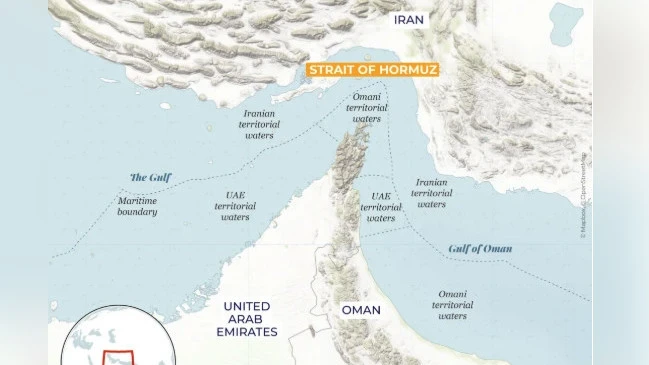
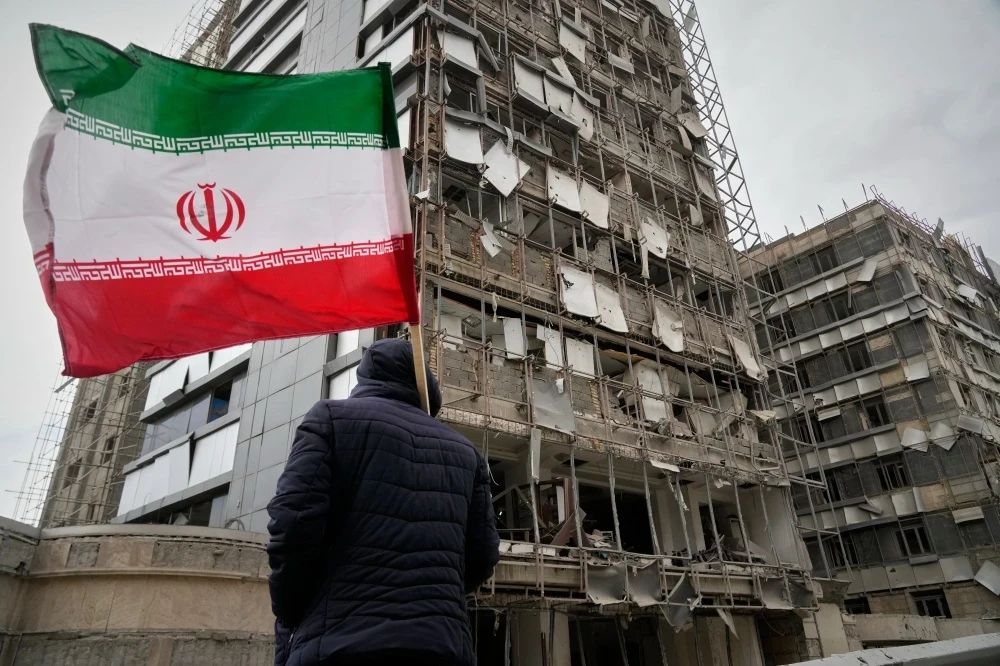
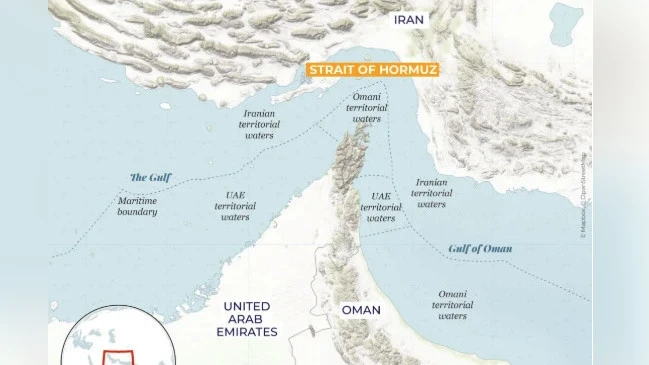
The American leader set a five-day deadline for Iran to reach an agreement, adding that otherwise, strikes could resume with renewed force. He noted that the U.S. is prepared for both a diplomatic resolution to the conflict and its escalation.Earlier, Trump threatened to attack Iranian energy if Tehran did not open the Strait of Hormuz. The Islamic Revolutionary Guard Corps responded that it was ready to close the strait until the damaged infrastructure was restored.
Hostilities Continue
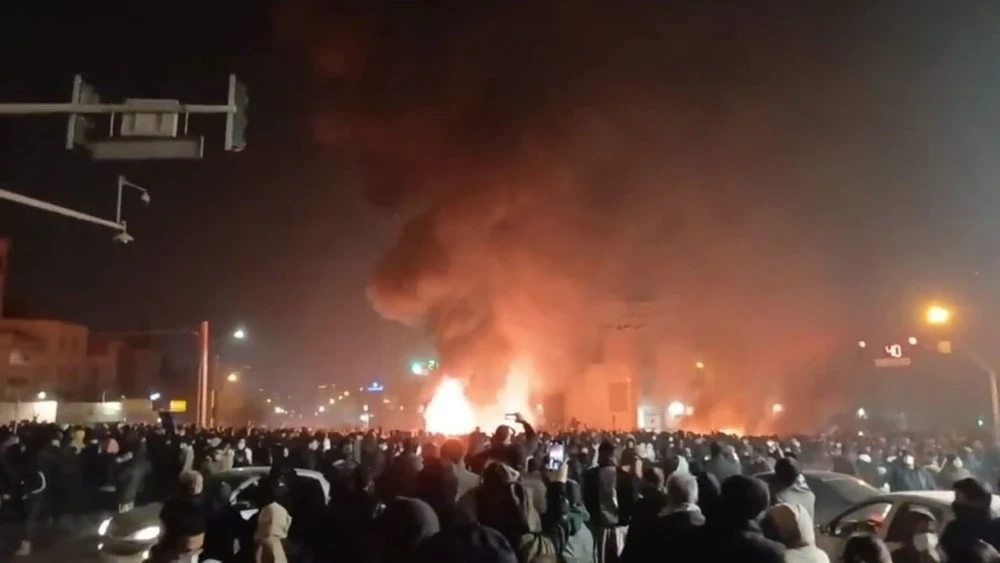
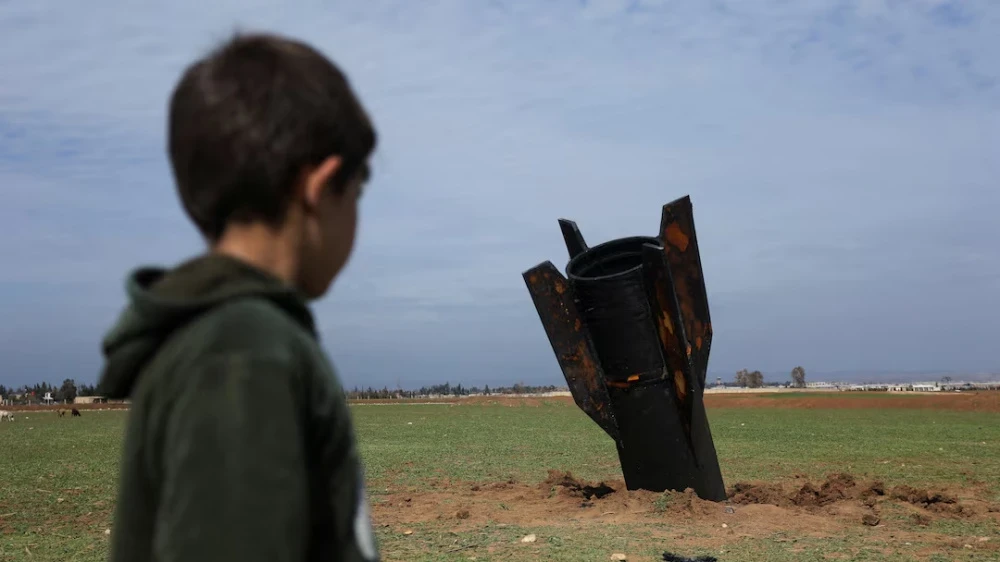
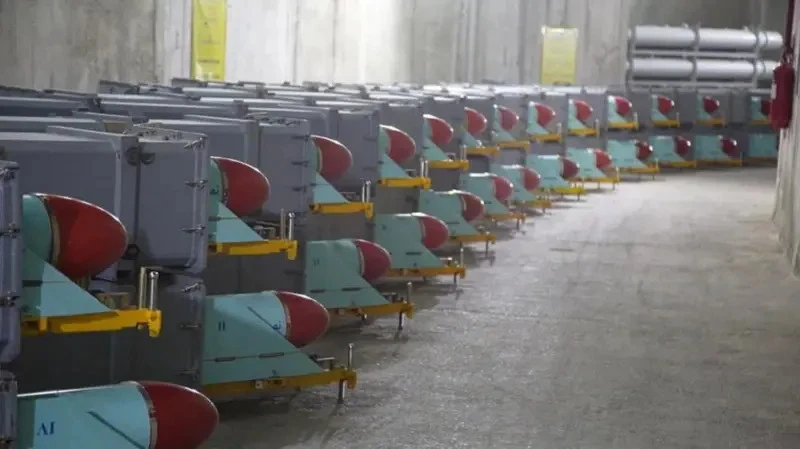
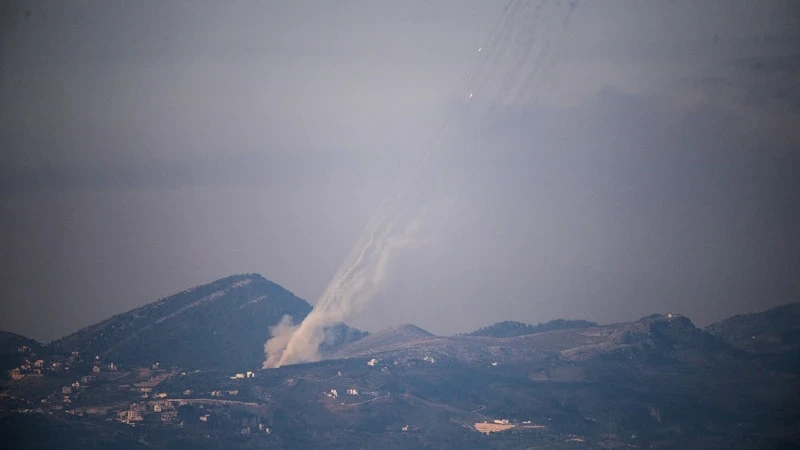
Despite the possible negotiations, hostilities in the region have not ceased. The Israel Defense Forces reported striking one of the IRGC headquarters in Tehran, from where operations of Iranian forces and "Basij" formations were coordinated.On the other hand, Iran announced drone strikes on Israel, as well as on U.S. bases in Kuwait, Saudi Arabia, and the United Arab Emirates. Official confirmations of these attacks from the mentioned countries have not been received; however, air raid alerts were recorded in the region.
Market Reaction
Trump's statements about negotiations immediately affected oil prices: the price of Brent crude oil fell from about $108 to $94 per barrel, before partially recovering to around $97.Experts note that such contradictory rhetoric—a combination of public statements about negotiations and simultaneous escalation—remains characteristic of the current stage of the crisis, and the real prospects for reaching an agreement in the near future remain unclear.
Photo on the main page: EPA / Shutterstock.