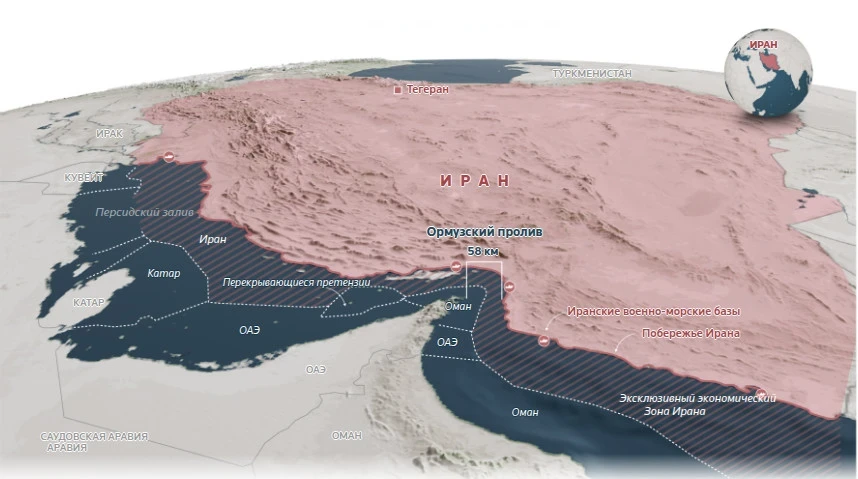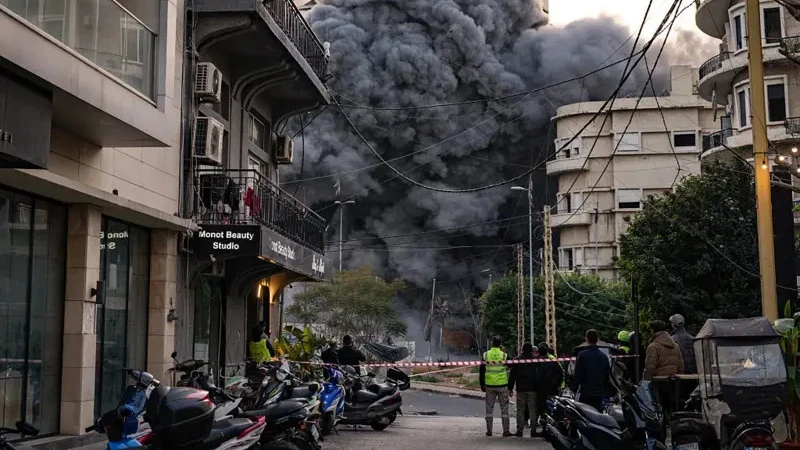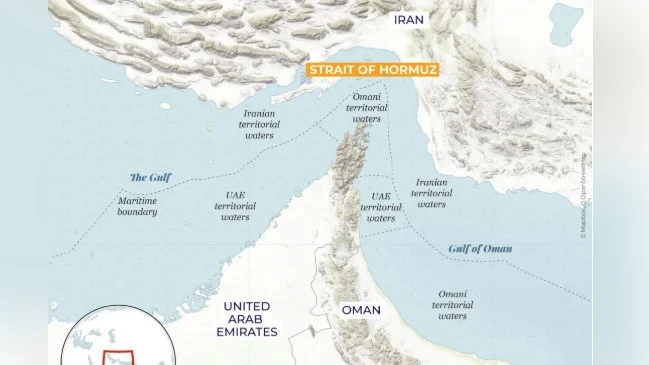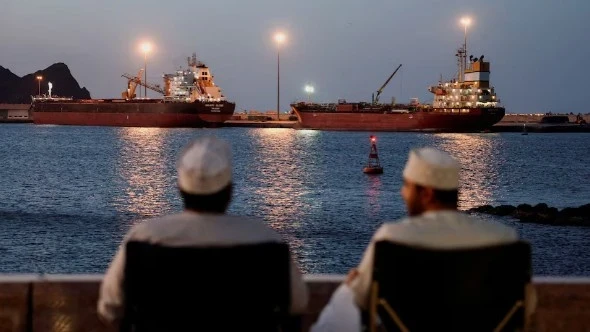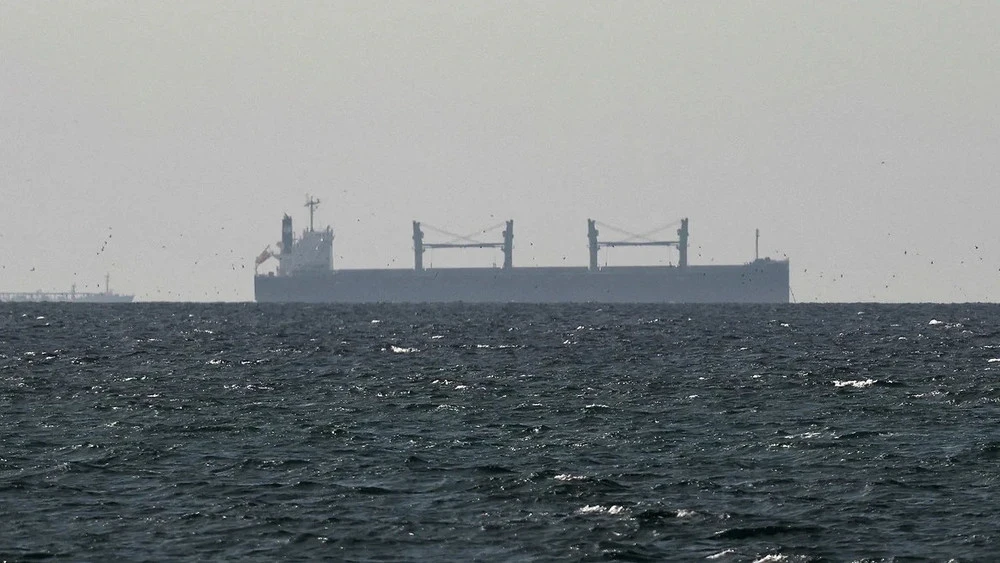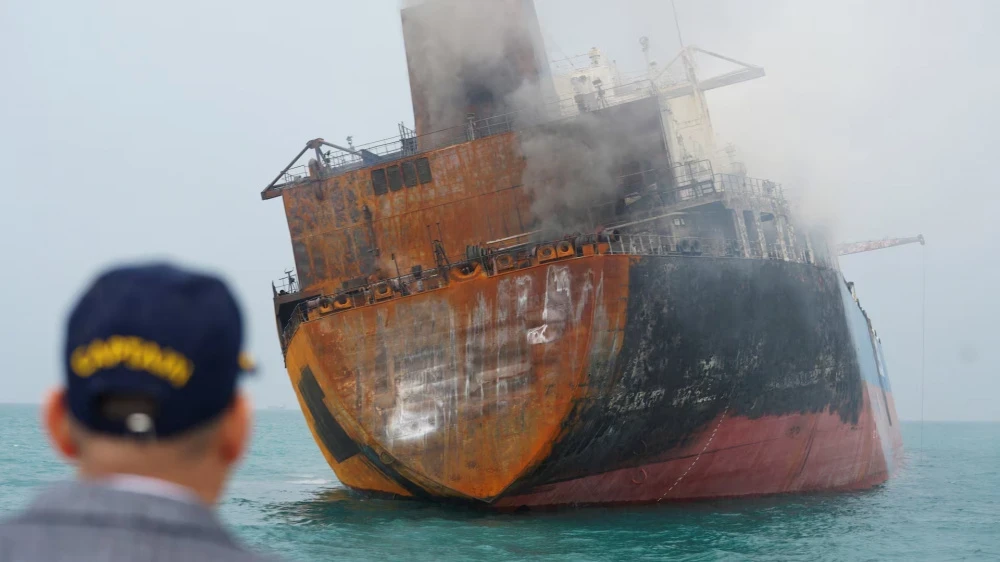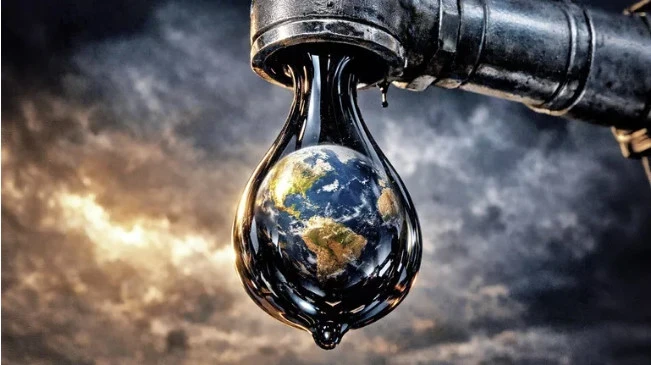
The Middle East remains in a tense state. Energy infrastructure is under threat, and the Strait of Hormuz is not open. If the situation does not change within a month, by the end of April, global oil prices could reach $180-200 per barrel, which is no longer a fantasy, as reported by "RIA Novosti".
However, the specific number becomes less significant when the price crosses a critical threshold. After that, the consequences can be catastrophic, and the price loses its meaning. Experts believe that the critical point is at $150 per barrel. Exceeding this boundary will lead to serious changes and likely to the fifth global energy crisis in history.
At the moment, Russia and the USA are benefiting from rising oil prices. However, when the price becomes too high, demand will fall, as producing and transporting goods will become economically unfeasible. Businesses may find it more profitable to halt operations and wait for better conditions. This has already happened multiple times.
The first oil shock occurred between 1973-1975 after the Arab embargo, when the price of oil increased nearly fivefold — from $3.2 to $14 per barrel. In the current situation, for the whole world to find itself in a new energy crisis, it is enough for the price to rise just 2.5 times from January's $65 per barrel.
Although the oil crisis is already underway, it only affects part of the world — specifically, countries that import oil through the Strait of Hormuz. Exporters are not yet experiencing difficulties and are making profits. The price of Brent crude oil has already reached $120. If the conflict is not resolved and the strait remains closed, oil prices will rise every week.
Saudi Aramco, the largest oil company in Saudi Arabia, is already offering its light oil through the port in the Red Sea at $125 per barrel, which is above the market price. Analysts at the company predict that the price could increase by $10-15 each week, leading to $140, then $150, and then $165 and $180 per barrel. The duration of the conflict will contribute to rising prices.
The reason for this is that with each passing week, oil reserves in countries that do not receive Middle Eastern oil will be depleted, and the shortage of raw materials will become more pronounced.
So far, the jump in prices to $150 and above has not occurred due to the market's hope for a quick resolution of the conflict. However, these expectations have repeatedly proven to be unfounded. The United States continues to intervene in the situation. This week, the market halted due to Donald Trump's ultimatum to Iran, which will be in effect until Friday. If Tehran does not open the strait, the US president promised to strike Iranian power plants, including the Bushehr nuclear power plant, which could provoke a new wave of retaliation from Iran and completely close the chances for a quick resolution of the conflict. In that case, prices could rise faster than even the Saudis expect.
What will happen if prices exceed $150 per barrel? Freight, insurance, and logistics costs will increase. Following this, prices for refined oil products — gasoline, diesel, jet fuel, as well as gas, coal, and electricity — will soar. This will lead to a sharp rise in inflation and a decline in national currencies. Factories and companies will be forced to reduce production or shut down, workers will be sent on unpaid leave, and losses will begin to be calculated. In some cases, halting production will be less costly than operating under high fuel and energy prices.
Countries with reserves, such as China, will begin to allocate funds to support their citizens and businesses. Meanwhile, those countries that heavily depend on Middle Eastern oil and have low energy resource reserves will be forced to implement strict measures: limiting access to fuel, reducing transportation, closing government institutions and educational establishments, as well as industrial enterprises, including oil refineries. The standard of living will sharply decline due to the oil shortage.
At risk are Japan, which receives up to 95% of its oil from the Middle East, and South Korea, which imports about 75%. India is initially in a difficult position, but it may cope better thanks to imports of Russian oil. The poorest countries — Pakistan, Sri Lanka, Egypt, and others — will be the most vulnerable. In these countries, a sharp currency decline, high inflation, and impoverishment of the population are expected, leading to a social crisis against the backdrop of an economic one.
Under normal circumstances, no one desires such a brutal global crisis, as it will affect everyone without exception. However, history shows that such crises arise from the inability of countries to resolve long-standing conflicts and grievances characteristic of the Middle East. Nevertheless, there are always states that can recover from a crisis faster than poorer countries.
After each crisis, recovery follows. The last oil shock occurred in 2008 when the price of oil rose to nearly $150 per barrel, causing a sharp drop in demand. As a result, the price of oil fell to $45 in January 2009. We have seen similar price and demand fluctuations during the COVID-19 pandemic at its worst manifestation.