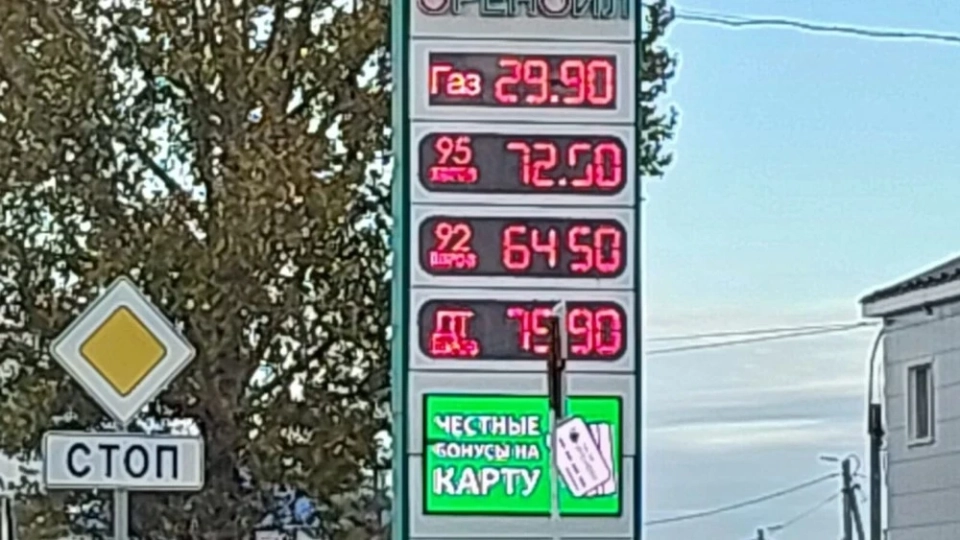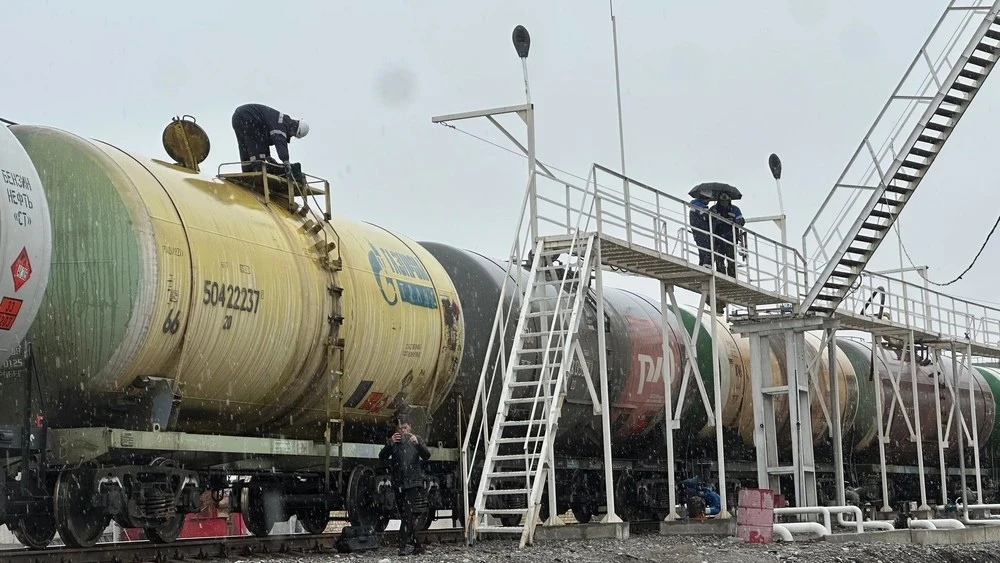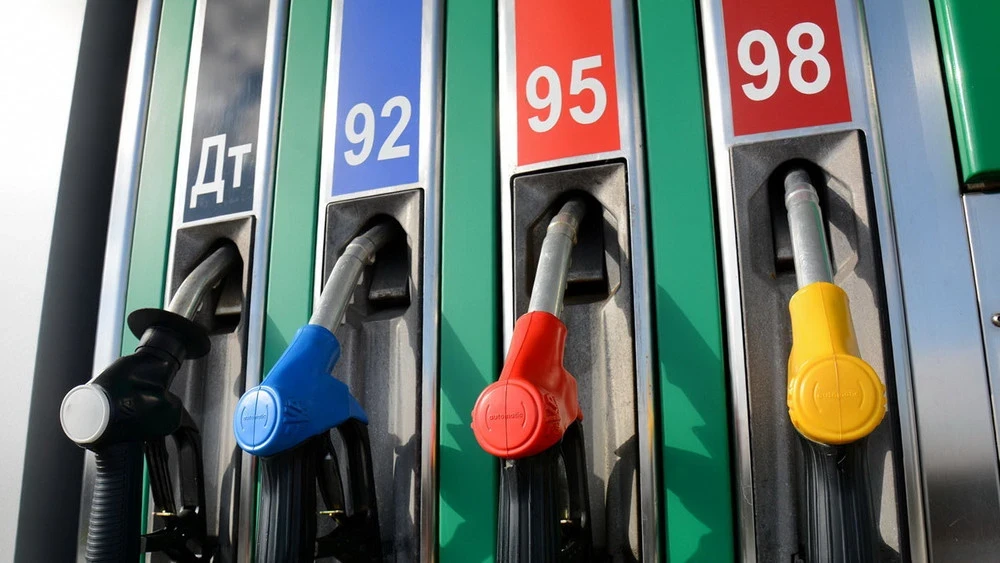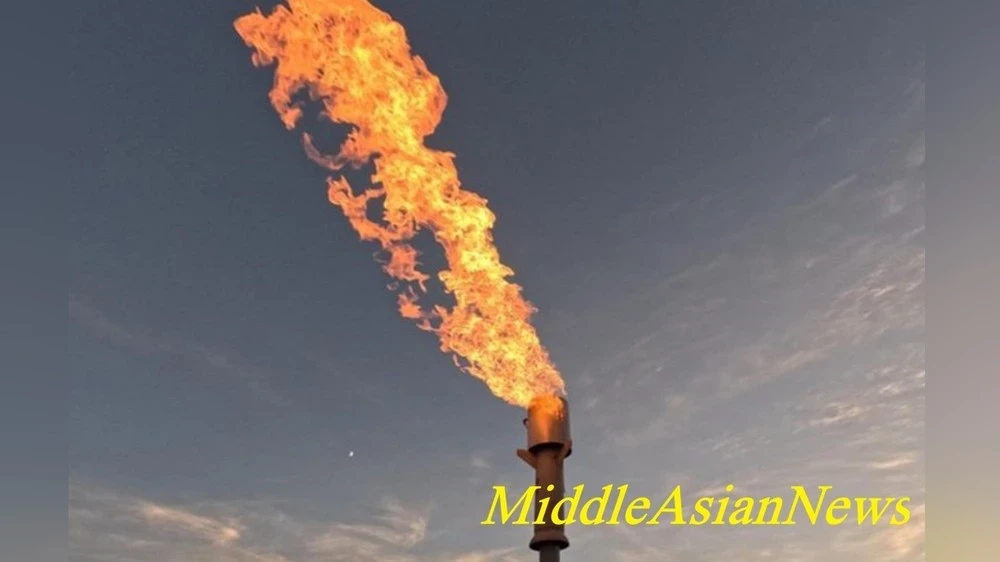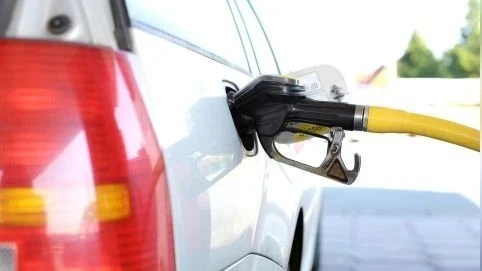
According to the latest data from the Uzbek Republican Commodity and Raw Materials Exchange (UzRTSB), the price of AI-92 gasoline has increased by 7.4% and now exceeds 12.72 million sums per ton. This price increase occurred against the backdrop of a sharp decline in sales volumes.
Shortage and its impact on prices
Data analysis shows that the volume of gasoline available for sale on the exchange has more than halved. Last Friday, 3,784 tons of gasoline were sold, while by Tuesday this figure had dropped to 1,835 tons. The reduction in supply has become the main factor contributing to the price increase.
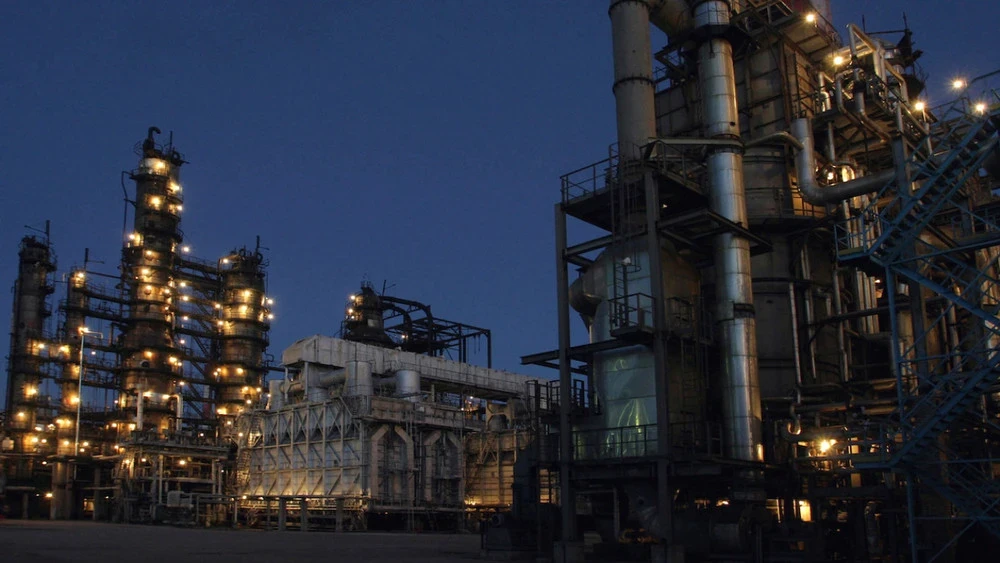
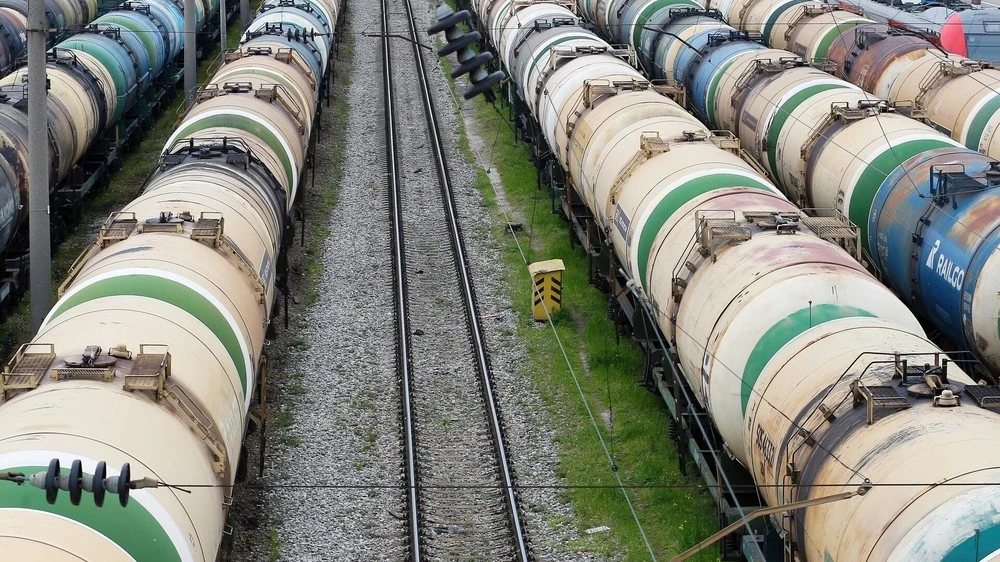
It is worth noting that since October 2024, "Uzbekneftegaz" has begun actively auctioning AI-92 gasoline produced at the Bukhara Oil Refinery. The initial price was around 11.5 million sums per ton, and in August of last year, it reached a record 13.3 million sums per ton.
Impact of external factors and gas issues
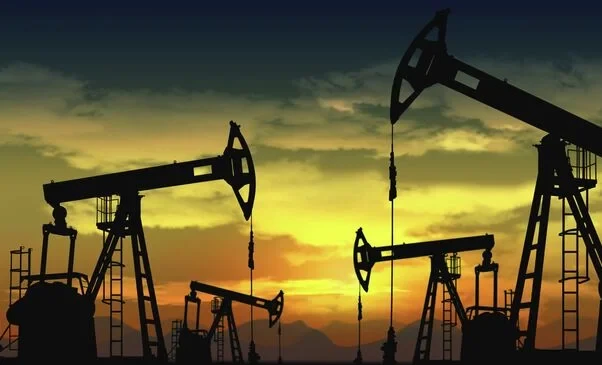
Price increases are influenced by both internal and external factors. Geopolitical tensions in the Middle East create instability in the global oil market. Last week, the world price of oil exceeded $100 per barrel for the first time since the summer of 2022.
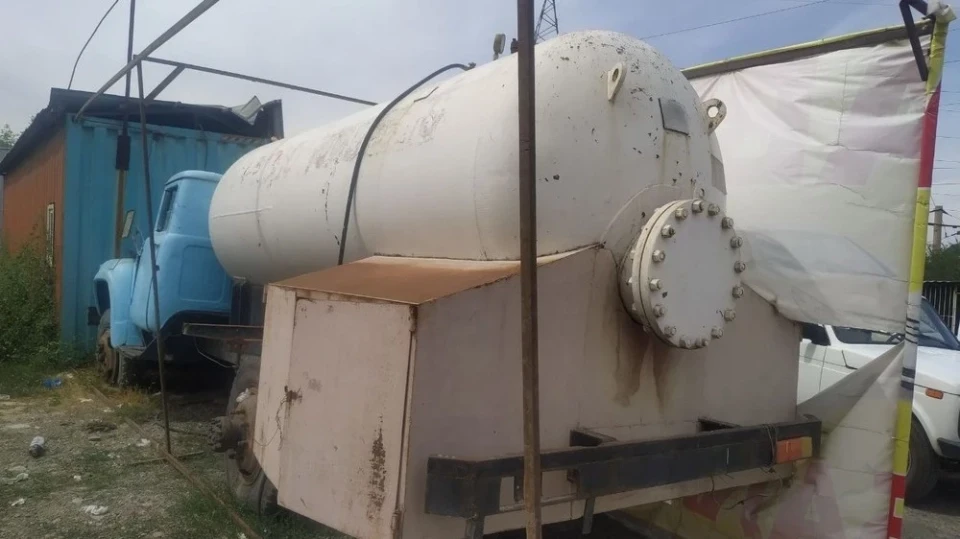
The domestic energy situation also plays an important role. Due to the drop in temperature, the government decided to temporarily restrict the operation of gas filling stations (GFS) to ensure gas supply to the population. This closure of GFS has led to an increase in demand for gasoline, as drivers have started switching to it amid gas shortages.
Discrepancy between reality and prices
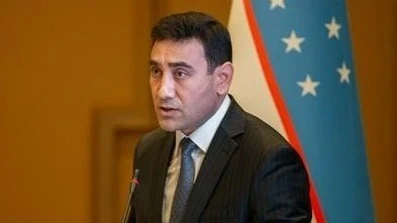
Economist Otabek Bakirov criticizes the current situation in the fuel market. He believes that the rise in global oil prices is being used as a "pretext" for unjustified price increases in the domestic market.
The expert supports his point of view with statistical data: in 2025, when global oil prices fell from $80 to $60 per barrel (by 25%), gasoline prices in Uzbekistan, on the contrary, increased by 11.9%. This indicates that pricing depends not only on global quotations but also on internal monopolies.
At the moment, the Ministry of Energy has not provided information on the timeline for lifting restrictions on gas filling stations, which means that the situation in the gasoline market may remain tense in the coming days.