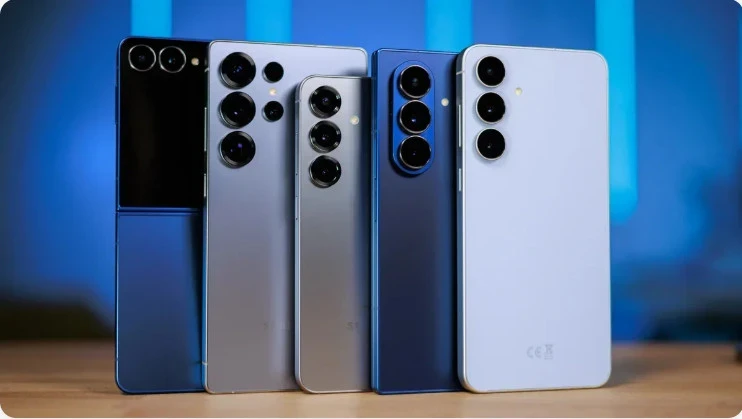
Artificial intelligence systems require significant volumes of dynamic memory (DRAM), which, in turn, limits the resources available for other segments, such as budget smartphones.
Analysts note that since the end of 2022, memory prices have increased by 80-90%, which is linked to rising prices for modules used in server systems.
The problem is exacerbated by the actions of electronics manufacturers, who, fearing shortages, begin to reserve components in advance. This leads to a further intensification of the feeling of scarcity.
Manufacturers Struggle to Meet Growing AI Demand
The three main companies controlling over 90% of the global memory market — Samsung Electronics, SK Hynix, and Micron Technology — are unable to simultaneously meet the needs of both AI infrastructure and traditional consumer electronics.For device manufacturers, this is becoming a serious problem: component prices are rising, while consumer purchasing power remains low.As a result, demand for new gadgets may start to decline.
SMIC is already noticing a decrease in orders from smartphone manufacturers in the mid and low price segments. Even if manufacturers decide to pass on the increased costs to consumers, this could lead to a drop in sales.
Temporary Shortage and Market Expectations
SMIC's management believes that the severity of the shortage may be exaggerated due to frenzied demand. However, it will take time for the market to recover: additional volumes of memory may become available in about nine months.Nevertheless, the company urges clients from the consumer electronics sector not to panic — new supplies are likely to be directed to them first. This is because memory for AI solutions, such as high-speed HBM, requires a more complex and lengthy verification process.
Cautious Forecasts and Market Reaction
SMIC expects that revenue in the first quarter of 2026 will remain at the level of the previous quarter, with a gross margin of 18-20%. Following the publication of such forecasts, the company's shares in Hong Kong fell by about 3.6%.At the same time, SMIC is expanding its production capacity to meet the growing demand for chips but warns that increasing depreciation costs may negatively affect profitability.
Conclusion
The boom in artificial intelligence is radically changing the situation in the semiconductor market. Memory is becoming a strategically important resource that data centers and electronics manufacturers are competing for. As the industry ramps up capacity, the market may face rising prices for devices and periodic supply disruptions, which will become an inevitable part of the technological race.Illustration on the main page: Umberto / Unsplash.