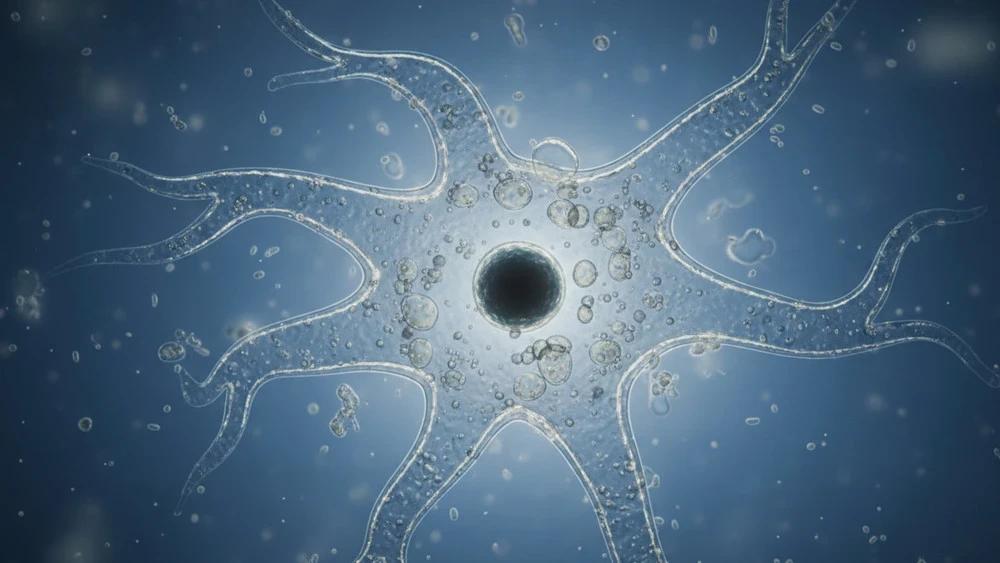
Some species of amoebas that inhabit soil and water bodies have the ability to survive in extremely unfavorable conditions, including high temperatures and chlorine, as well as in modern water supply systems that usually eliminate most microbes. The most well-known among them is Naegleria fowleri, or the "brain-eating amoeba," which can cause a rare but almost always fatal brain disease through contaminated water entering the nose during swimming.
Longfei Shu, the lead author of the study from Sun Yat-sen University, noted that these organisms are particularly dangerous due to their ability to survive in conditions that are lethal to most other microbes. They can withstand not only high temperatures and powerful disinfectants but also live in water supply systems that are considered safe.
Furthermore, the fact that free-living amoebas can serve as a refuge for dangerous bacteria and viruses is concerning, allowing them to evade disinfection and facilitating their spread. Such pathogens can survive inside amoebas, protecting them from destruction. This "Trojan horse" effect creates conditions for the preservation and dissemination of pathogens through drinking water systems, which may also contribute to the rise of antibiotic-resistant strains.
Researchers emphasize that free-living amoebas are becoming increasingly common worldwide against the backdrop of climate change, deteriorating water systems, and insufficient monitoring. Rising global temperatures may exacerbate the situation, allowing thermophilic amoebas to spread to regions where they were previously absent. Recent disease outbreaks related to water use for recreational purposes have already raised public concern in several countries.
The authors of the study call for the implementation of a coordinated "One Health" strategy that will unite efforts in public health, environmental research, and water resource management. They stress the need for improved epidemiological surveillance, the development of more effective diagnostic tools, and the application of modern water purification technologies to reduce the risks of infections.
Shu emphasized that the issue of amoebas extends beyond medicine and ecology, lying at the intersection of both fields. Addressing this challenge requires a comprehensive approach aimed at protecting public health from the very early stages.