// Turmush
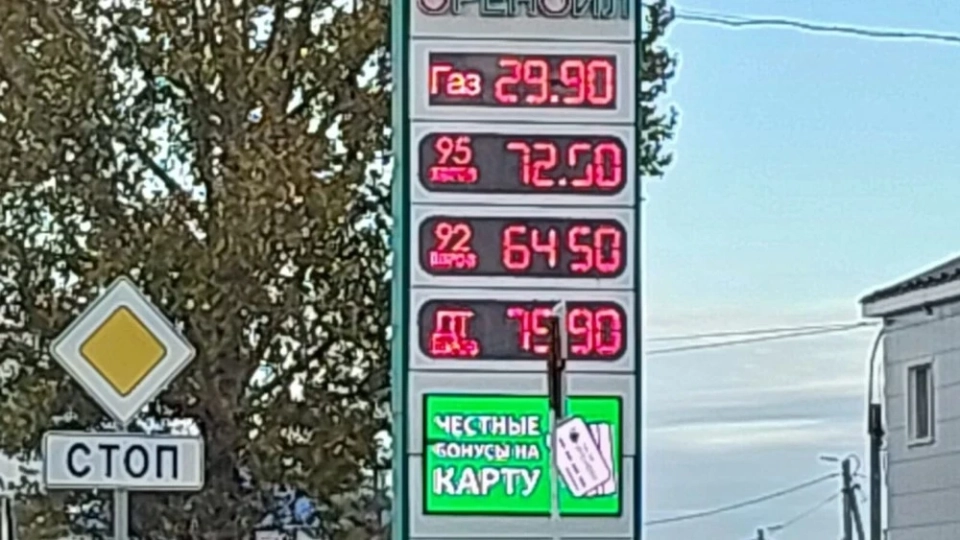
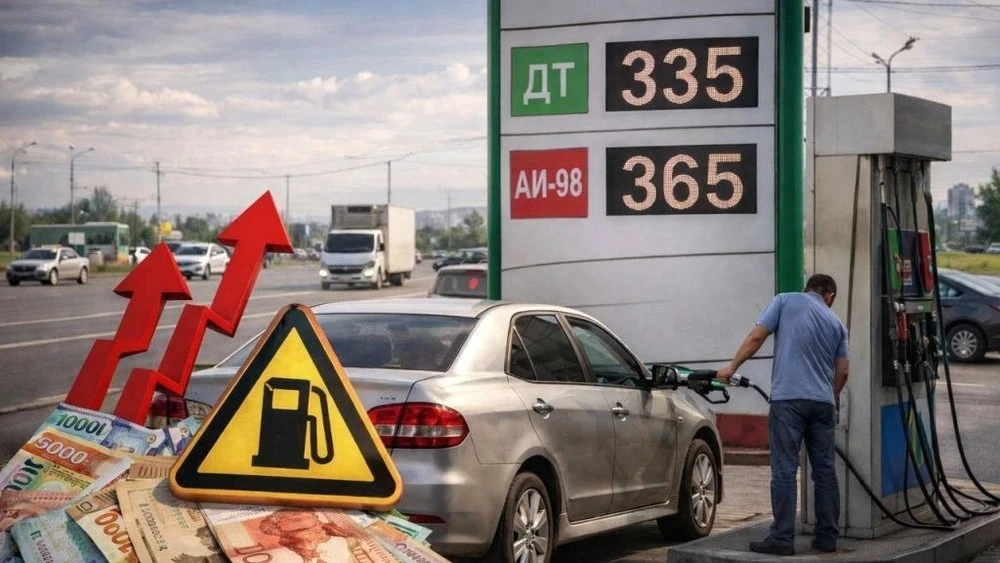
From March 2 to the 12th, fuel prices, according to data from the St. Petersburg exchange, increased: the price of Ai-92 according to the European index rose by 6.5% to 64,108 rubles/ton, while Ai-95 became 7% more expensive, reaching 67,914 rubles/ton. Summer diesel fuel during this period became 10% more expensive—up to 62,359 rubles/ton, while inter-season fuel jumped by 12%—up to 62,698 rubles/ton.
Analyzing the situation in the market, experts note that there is currently no increase in demand for petroleum products in the country. This is related to weather conditions: farmers are postponing their work due to snow cover, and the population is not showing activity in purchases at gas stations.
Thus, it can be concluded that the rise in prices on the exchange is due to overall nervousness in global energy markets, where there is an increase in prices for petroleum products and a rise in exports of Russian fuel. Soon, the spring sowing season will begin in Russia, along with scheduled repairs at refineries, which may serve as an additional stimulus for rising prices for gasoline and diesel.
At the end of February, Deputy Prime Minister Alexander Novak emphasized that the fuel situation in the country remains stable: “Production volumes allow us to meet current market demand and create reserves for increased volumes before the time of heightened summer demand.” He also reminded that on January 31, the government lifted the ban on gasoline exports for oil companies to avoid overloading capacities, while for non-producers, the ban on the export of gasoline, diesel, and other petroleum products was extended until the end of July.
In Russia, the spring increase in the consumption of petroleum products begins in late March-April, peaking in the summer. In the spring of 2025, seasonal demand for fuel on the exchange activated in the second half of March, which was associated with warm weather and the start of repairs at refineries.
The country has a mechanism for damping fuel prices, aimed at protecting domestic prices from sharp fluctuations in the global market. The budget pays subsidies to oil companies to keep domestic fuel prices stable despite high export netbacks. If the export price of fuel exceeds the indicative domestic price, oil companies receive compensation from the state. Conversely, when the difference is negative, they are required to pay into the budget.