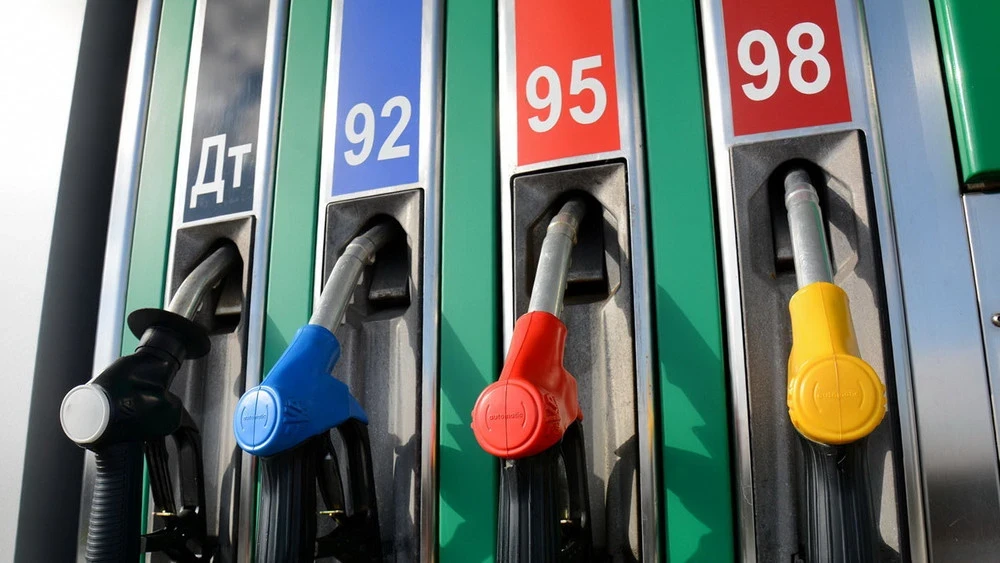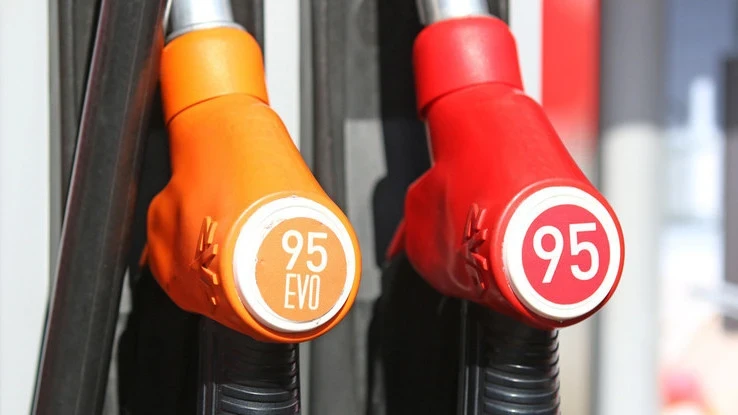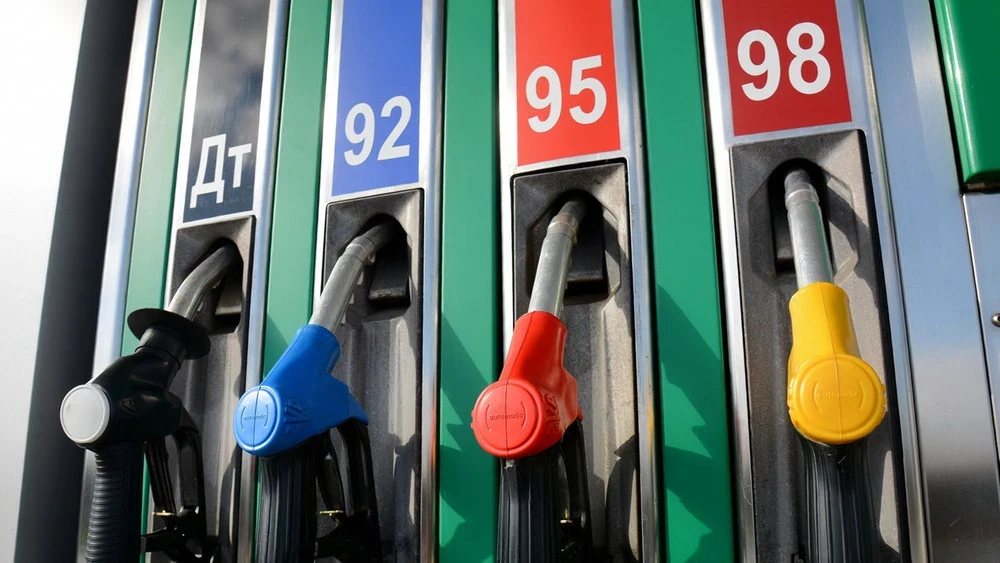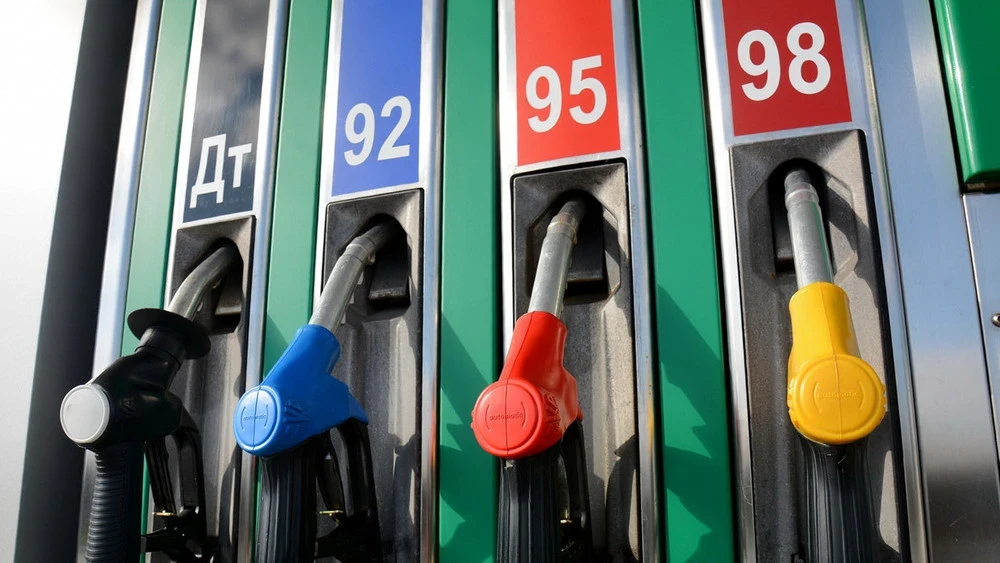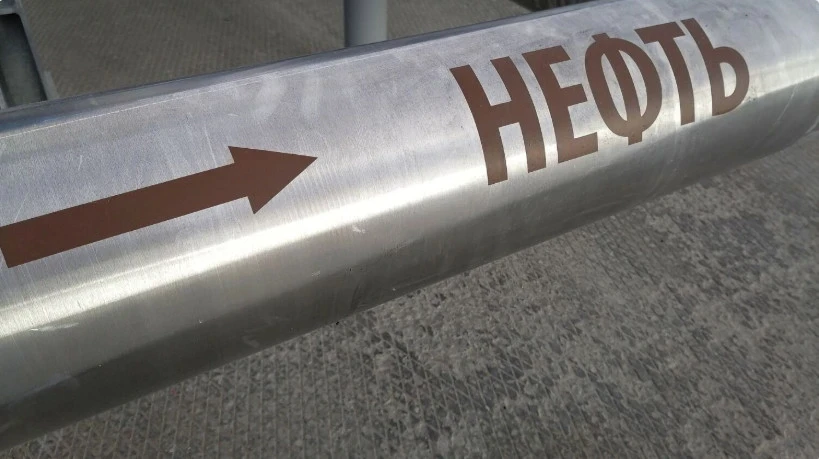
The fuel market is under pressure: a shortage of resources caused by conflicts in other countries is leading to rising gasoline prices. In Russia, authorities are discussing the possibility of limiting export supplies. Experts from "NI" have presented their forecasts regarding fuel prices in the coming months, as reported by Newizv.ru.
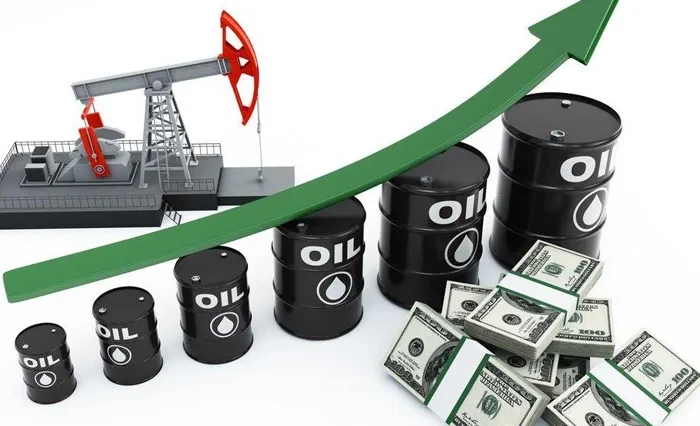
The price of oil consistently exceeds $100 per barrel, creating shock conditions for the global fuel market. In Russia, there is an increase in both exchange quotes and gasoline prices at gas stations.
Reasons for the rise in gasoline prices in Russia
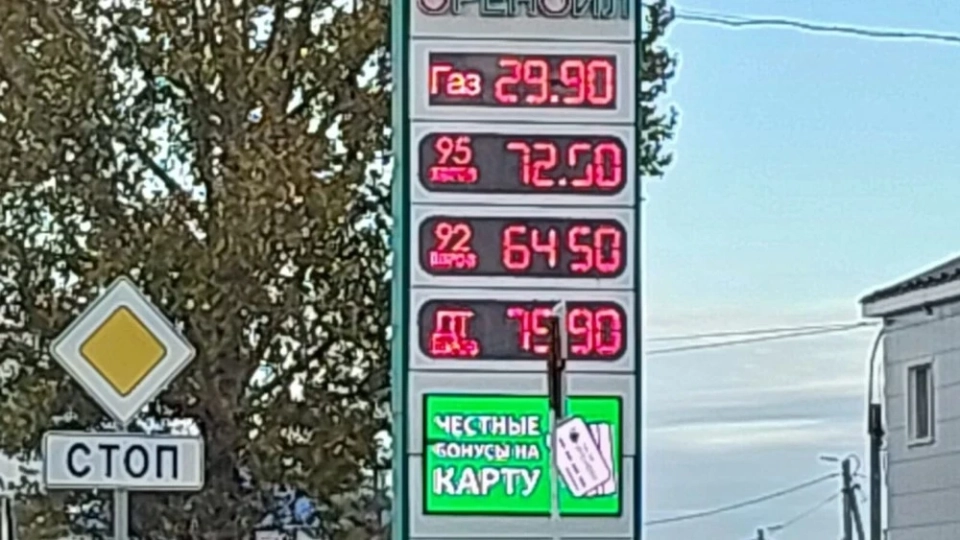
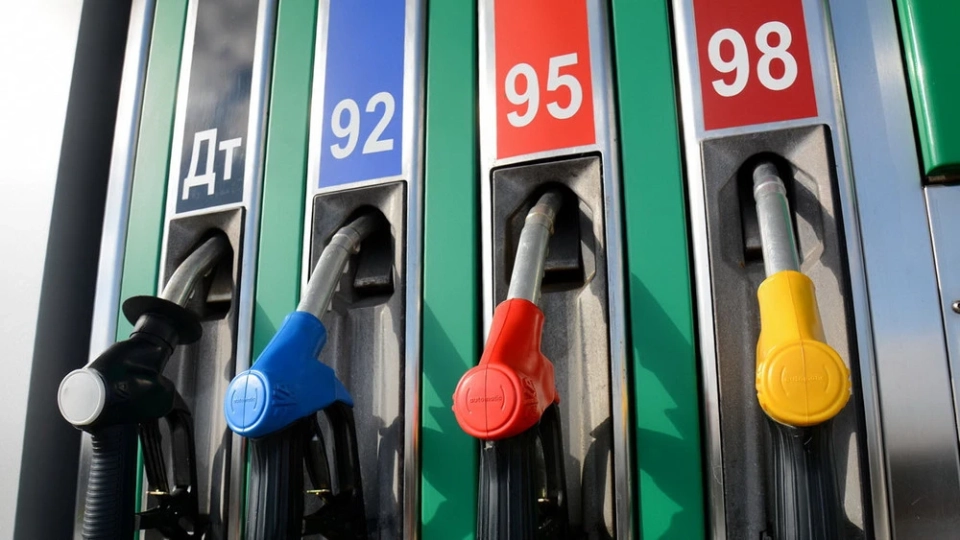
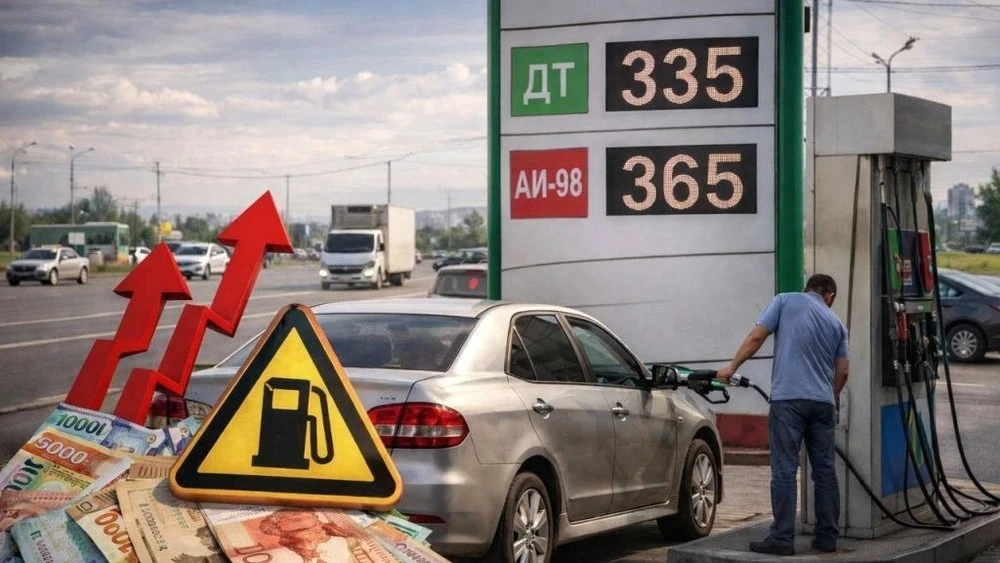
Since the beginning of March, the price of AI-95 gasoline on the St. Petersburg exchange has increased by 13%, reaching 70,345 rubles per ton. According to Rosstat, at gas stations in Russia, a liter of gasoline already costs 68.18 rubles, while in Moscow, the price for a liter of 95-octane gasoline fluctuates around 69 rubles, reaching in some cases 71 rubles.
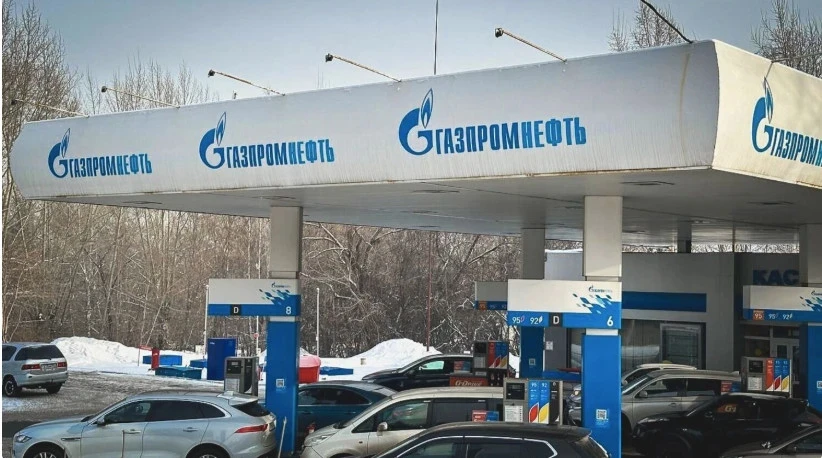
Despite the fact that Russia has its own reserves of oil and gasoline, prices continue to rise. Candidate of Economic Sciences, Associate Professor at the Financial University under the Government of the Russian Federation, Evgeny Sumarokov, believes that this is related not only to global prices.
— Russia occupies one of the leading positions in the world in energy resource exports, supplying about 17% of the total volume, including oil and petroleum products. Therefore, price fluctuations at Russian gas stations do not always depend on global changes in the oil market.
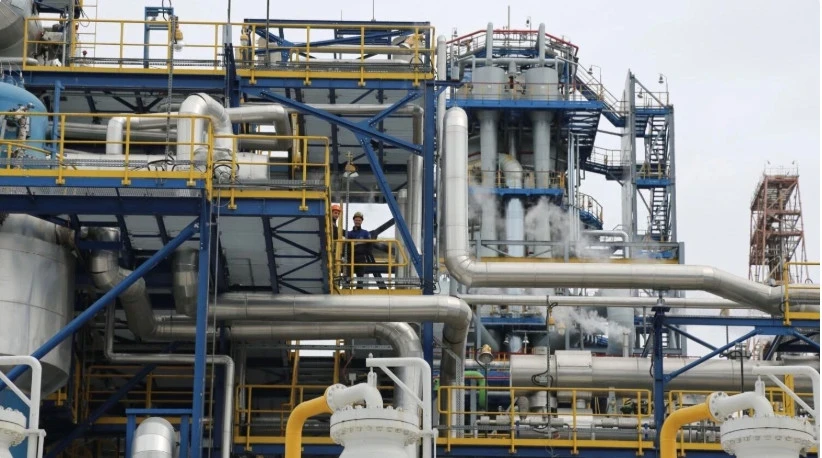
According to representatives of the "Avtodom" group, the rise in global fuel prices may lead to a shortage in Russia.
— Oil refineries (refineries) benefit from exports due to high oil prices, but they also have to optimize their supplies. With a margin of 20-30% and higher, refineries prefer to export fuel, which may cause a shortage in the domestic market.
There is a fuel damping mechanism that allows the government to compensate oil companies for losses to prevent price increases in the domestic market. However, as noted by Dmitry Skryabin, portfolio manager at "Alfa Capital," this mechanism does not always work effectively.
— Ideally, the damper should eliminate the question of where to sell fuel, but in practice, due to time delays and market inefficiencies, export may be more profitable at certain times.
An interesting fact: in February 2026, oil companies did not receive subsidies from the government; on the contrary, they paid 18.8 billion rubles into the budget. This means that domestic prices were higher than foreign prices according to government calculations. Oil companies realized that they could raise prices for consumers, and this would cover their expenses for payments to the budget.

Expected increase in gasoline prices in Russia
Motorists and transport companies are more concerned about prices at gas stations than about the internal mechanisms of fund redistribution between the government and oil companies.
Authorities claim that there is no gasoline shortage in the country. As noted by Anton Rubtsov, director of the oil and gas complex department at the Ministry of Energy of the Russian Federation, gasoline reserves amount to 2 million tons, and diesel fuel reserves are 3.3 million tons, which exceeds the level of March 2025.
Dmitry Skryabin also believes that no significant changes are expected in the fuel market. If necessary, the authorities can intervene.
— Prices will rise, but within the framework of inflation. At the same time, exchange quotes are more susceptible to fluctuations due to seasonal increases in demand and planned repairs at refineries.
The Ministry of Energy, which recently allowed fuel exports at the beginning of February, is already considering the possibility of introducing new restrictions, as noted by Anton Rubtsov.
— The question of a complete export ban is not critical, but the government can make a decision at any moment. It has all the capabilities to respond quickly to the situation and introduce a temporary ban on gasoline exports.

In this situation, price fluctuations are possible. According to forecasts from the "Avtodom" group, a significant increase in gasoline prices is expected in mid-2026.
— Currently, the average price for a liter of AI-95 gasoline is 67.65 rubles (+10.94% over the year). By the end of 2026, it is expected that the cost of AI-95 will fluctuate between 69-70 rubles, and by the end of summer, it may reach 70-73 rubles, with a possible peak of up to 76 rubles in regions experiencing shortages or accidents at refineries. Price increases may continue until autumn.

In the comments to the materials from "NI," many users express distrust in the possibility of stabilizing gasoline prices, expecting only further increases. Readers also note that the price of a liter of gasoline in Russia consistently tends towards one dollar at the current exchange rate.