A Pause as an Opportunity for Diplomacy
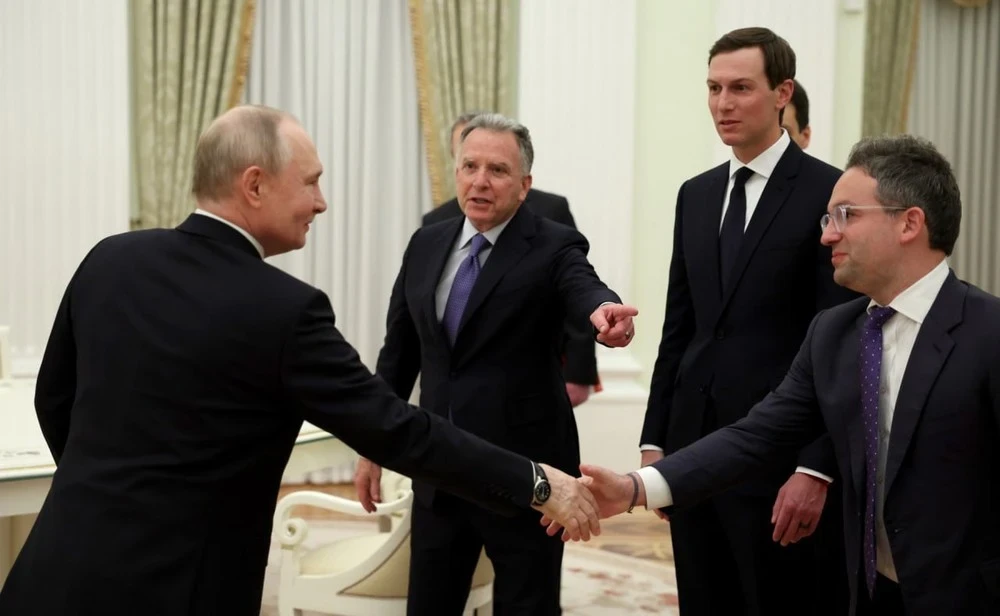
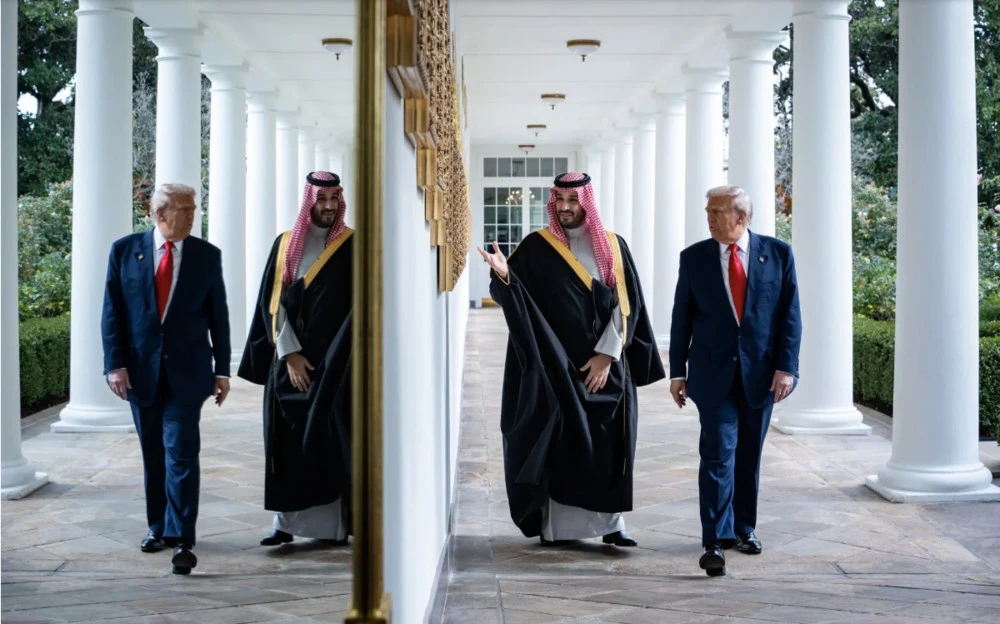
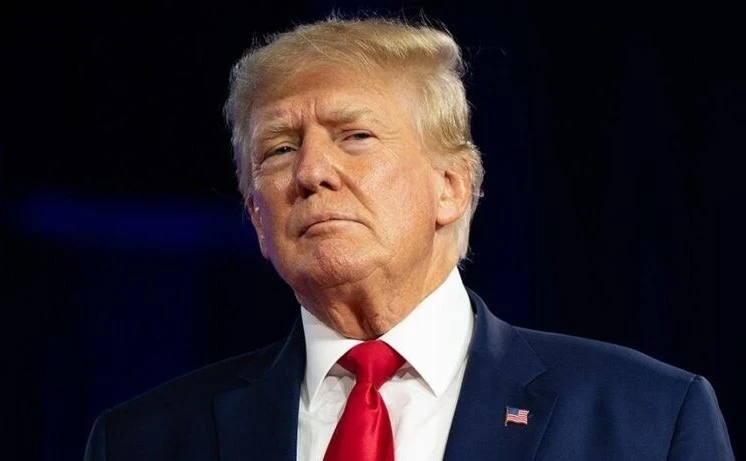
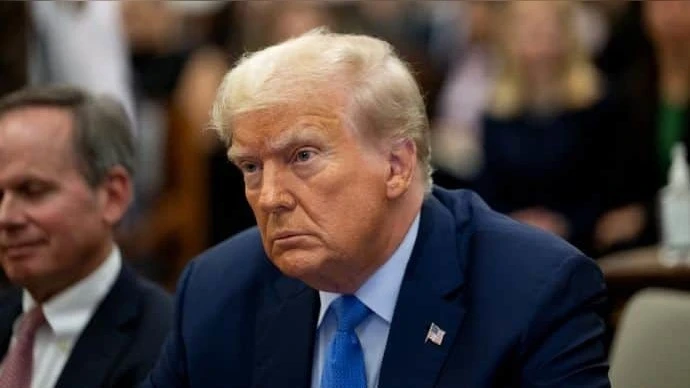
According to Trump, the United States is suspending attacks on Iran's energy facilities for ten days to provide a chance for diplomatic efforts.The American president asserts that the initiative for dialogue is coming from the Iranian side and that the negotiation process is showing some progress. However, specific details or conditions of a possible agreement have not been disclosed.
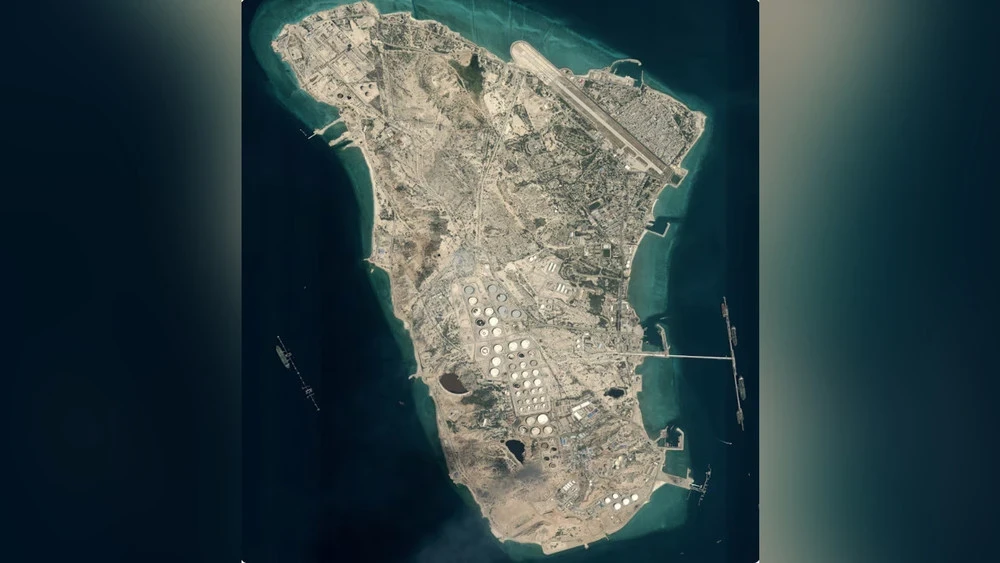
Trump also noted that if the negotiations do not yield results, the U.S. may resume strikes and consider tougher measures, including increased control over the Iranian energy sector, which is the country's main source of revenue.
Iran: No Direct Dialogue
Iranian authorities claim that there are no direct negotiations with Washington. Sources report that communication is taking place through intermediaries such as Turkey, Egypt, and Pakistan.Iran has also criticized the proposed conditions, calling them unbalanced and ignoring Tehran's interests.
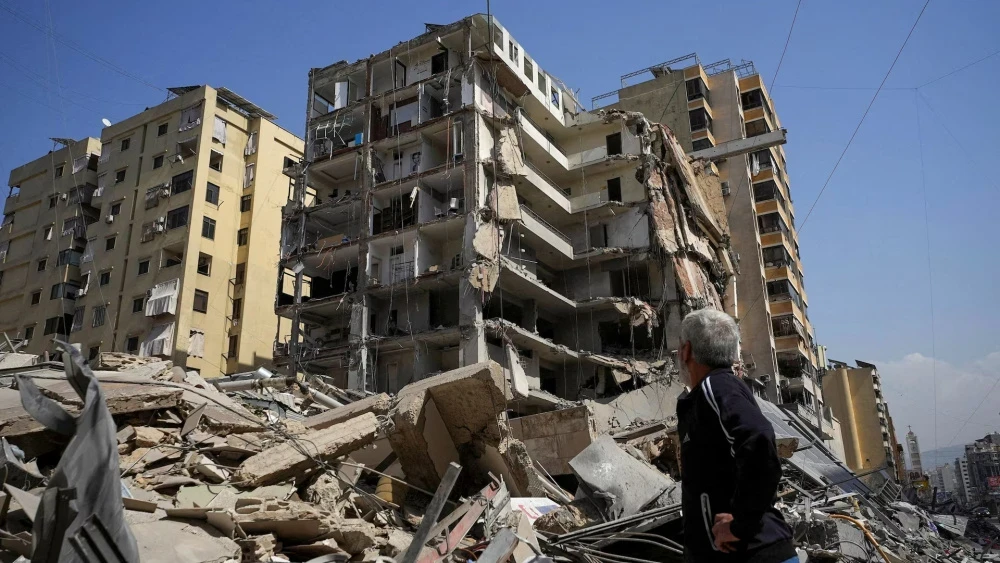
Destruction in Beirut after an Israeli airstrike. Photo Reuters.
The Conflict Continues, Tensions Rise
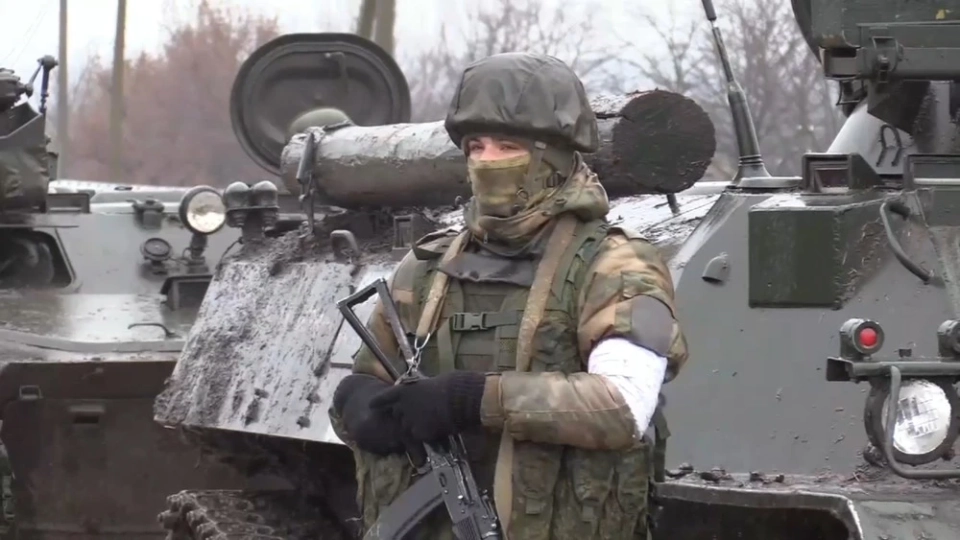
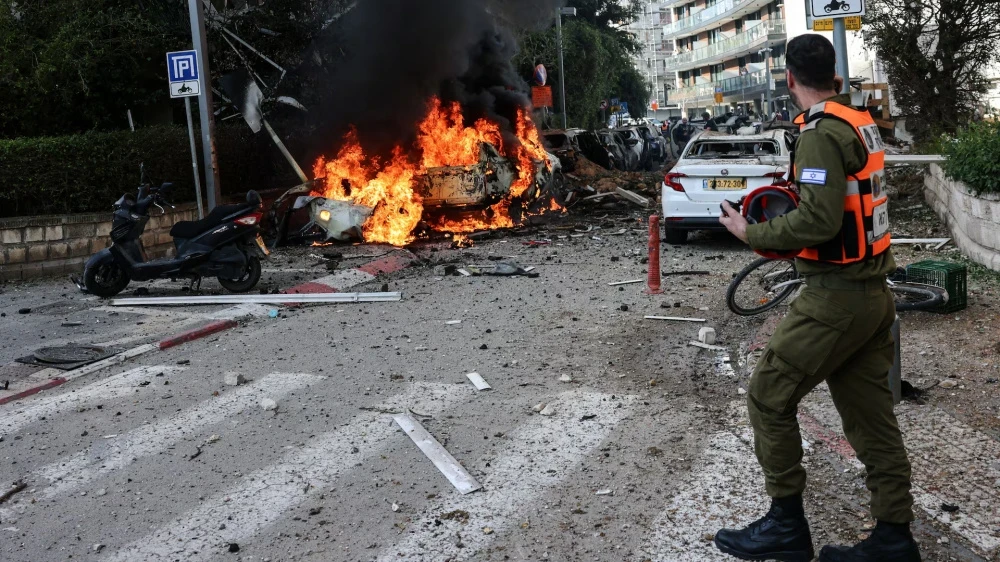
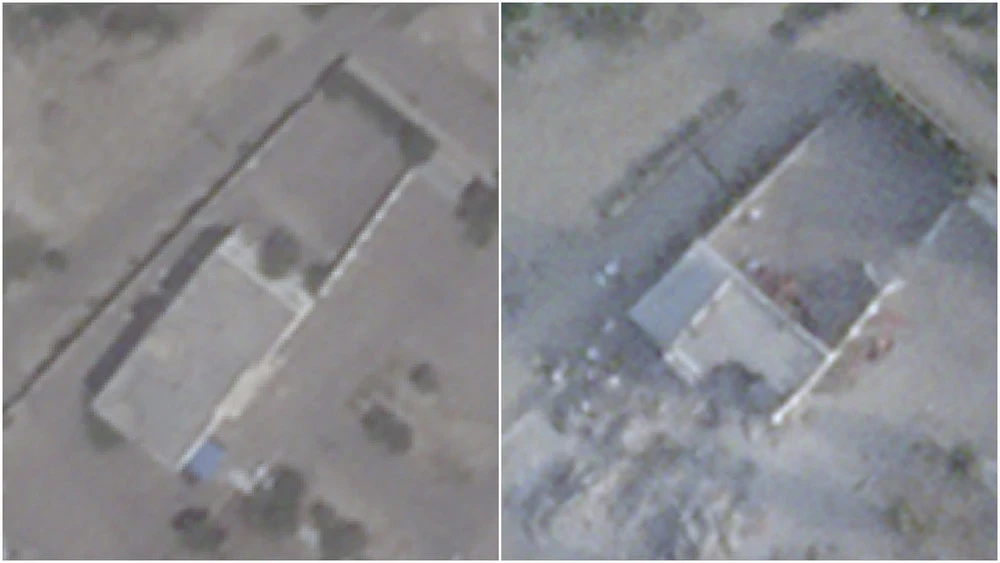
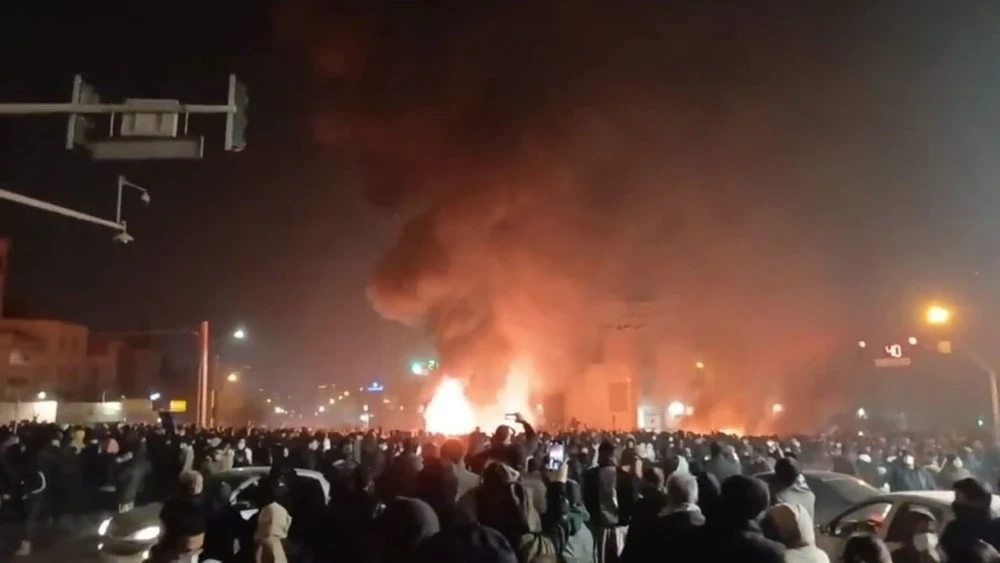
Despite reports of negotiations, the conflict in the region continues to escalate. Iran continues to attack Israeli targets, while the U.S. and its allies maintain military pressure.Israel continues to strike Iranian facilities, including military and strategic infrastructures. Explosions have been reported near key sites, and there are casualties among high-ranking Iranian military personnel.
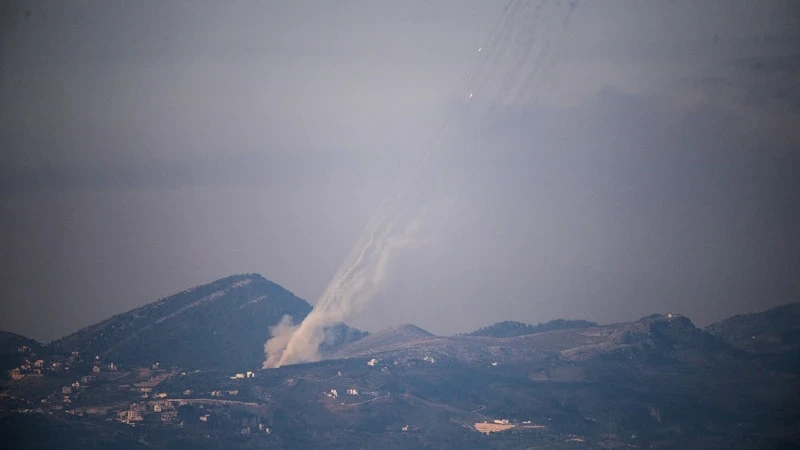
Clashes between Israel and Hezbollah are intensifying along the border with Lebanon. It is estimated that over a million people have been forced to leave their homes, while Israel is considering the establishment of a buffer zone.
Impact on the Global Economy
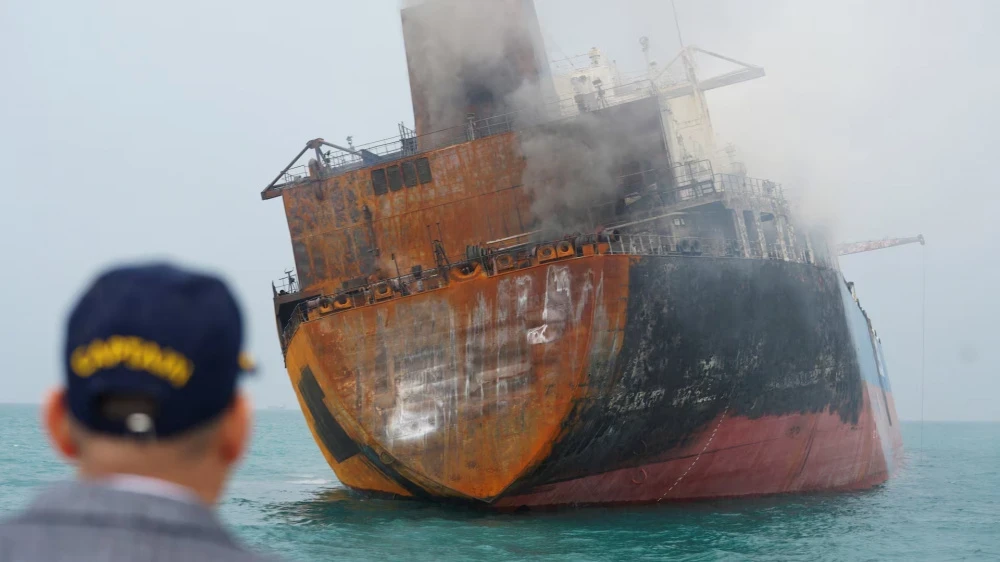
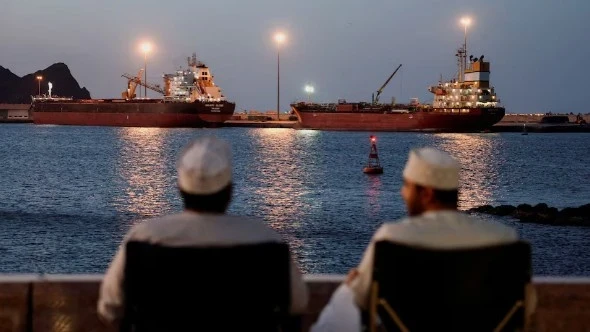
The conflict is having a significant impact on international markets. Amid threats to energy infrastructure, oil prices have increased by about 40%, and fertilizers and other raw materials have also become more expensive.Analysts warn that further escalation could intensify inflationary pressures and complicate the recovery of the global economy.
Outlook
Experts believe that the announced pause is more of a tactical maneuver than a sign of an imminent resolution to the conflict. The negotiation process remains opaque, the positions of the parties are far apart, and the situation is extremely unstable.The coming days could be decisive: the parties may either reach real agreements or the conflict may escalate to a new level.
****
On the morning of February 28, Israel and the U.S. struck Iran. Donald Trump announced intentions to destroy the nuclear program of the Islamic Republic.In response, Iran began striking Israel and other countries in the Middle East where U.S. military bases are located. Strikes were carried out against Bahrain, Qatar, Kuwait, Abu Dhabi, and Dubai (UAE), as well as Riyadh (Saudi Arabia).
As a result of the U.S.-Israeli attack, Iran's Supreme Leader Ayatollah Ali Khamenei was killed.
Donald Trump stated that the military operation in Iran would last about four weeks. In response, Iran declared jihad against the U.S. and Israel, emphasizing that there would be no negotiations.
The situation in the Middle East is affecting the entire world, including Kyrgyzstan. Currently, thousands of tourists are in the UAE due to the conflict. Contact information for embassies and consulates for Kyrgyz citizens abroad is available here.