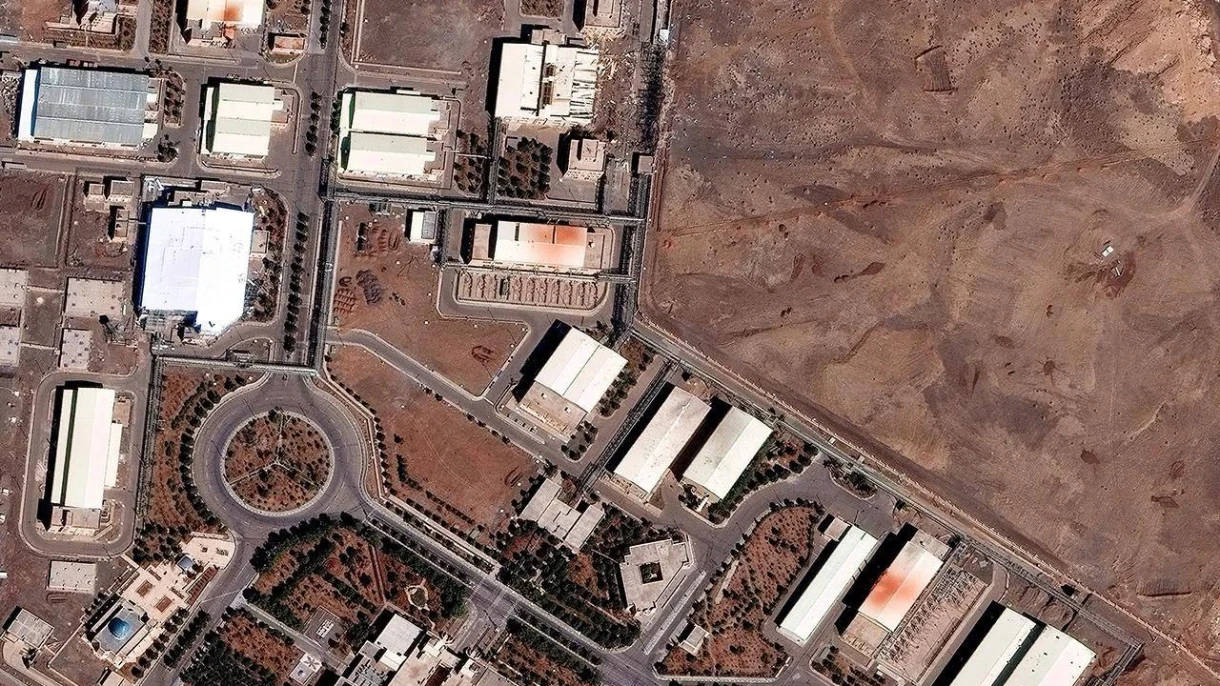
According to Bloomberg, Washington is considering the possibility of transferring uranium enrichment technologies to Saudi Arabia.
Photo Reuters
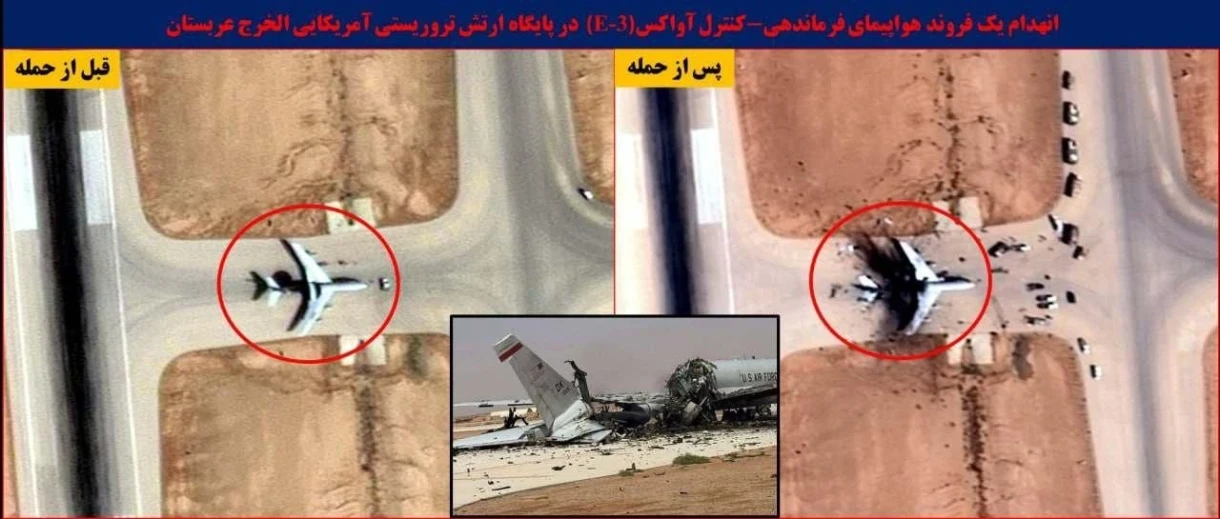
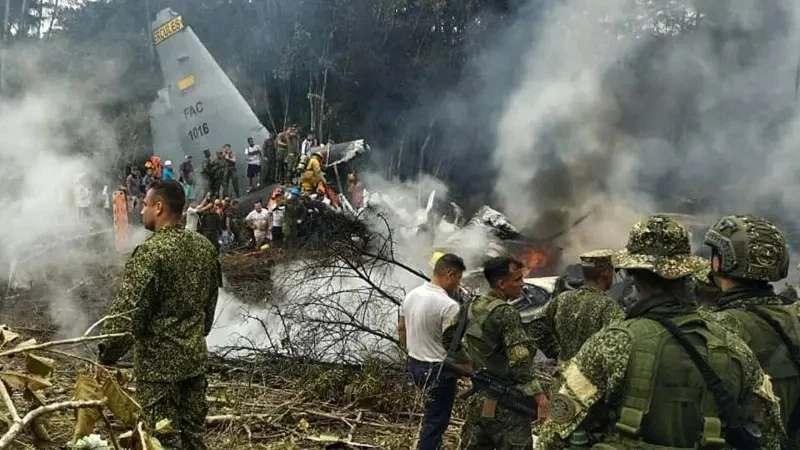
CNN is analyzing the situation related to the destruction of an American aircraft by Iranian forces, emphasizing that the loss of the "flying radar" E-3 Sentry will create additional difficulties for the Pentagon in tracking targets.
Experts noted that the attack on the base in Saudi Arabia deprived the U.S. of an important element of its early warning system, significantly complicating the monitoring of threats from Iran.
According to former U.S. Air Force Colonel Cedric Leighton, who flew the E-3 Sentry, this loss represents a "significant blow to U.S. surveillance capabilities." He added that it could affect the management of combat aircraft and protection against collisions with enemy objects.
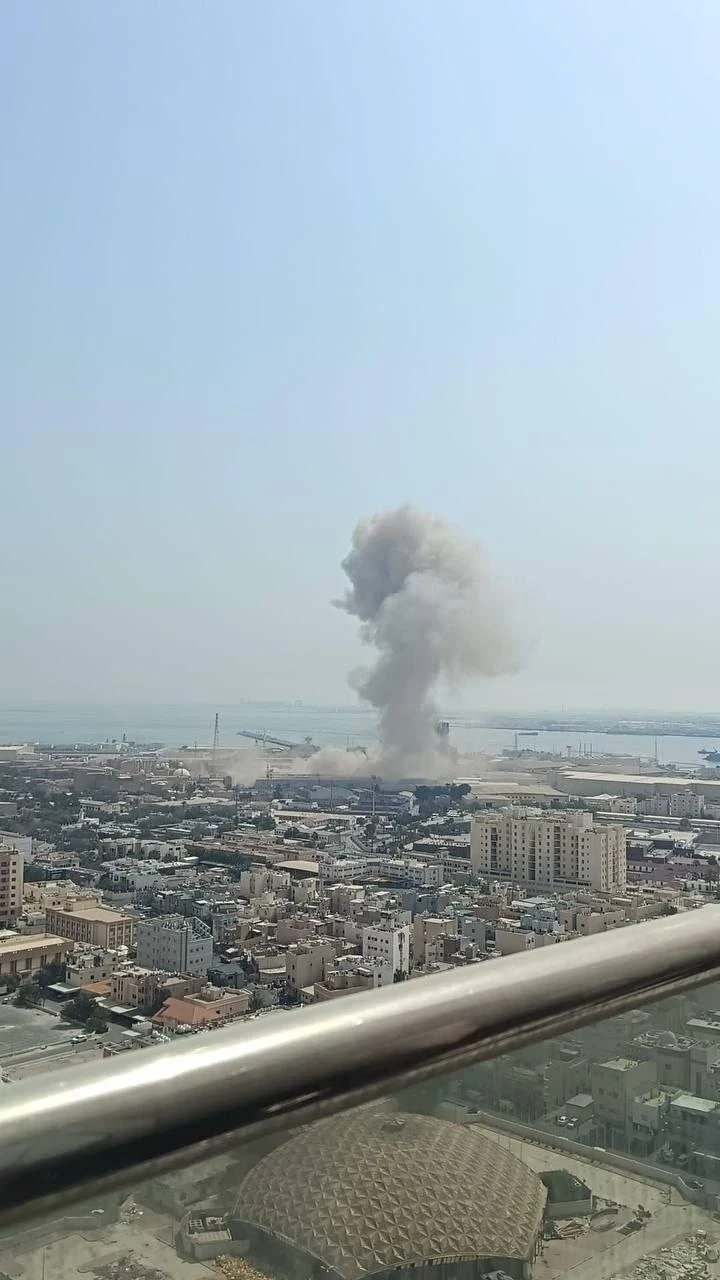
The Boeing E-3 Sentry, designed for long-range radar detection and control, was severely damaged during the attack on the American base "Prince Sultan" on March 27.
Reports indicate that 12 American servicemen were injured as a result of this incident.
The cost of the E-3 Sentry is about $500 million, making it one of the most expensive aircraft in the U.S. arsenal.
The U.S. Central Command and the White House have not yet commented on the incident.

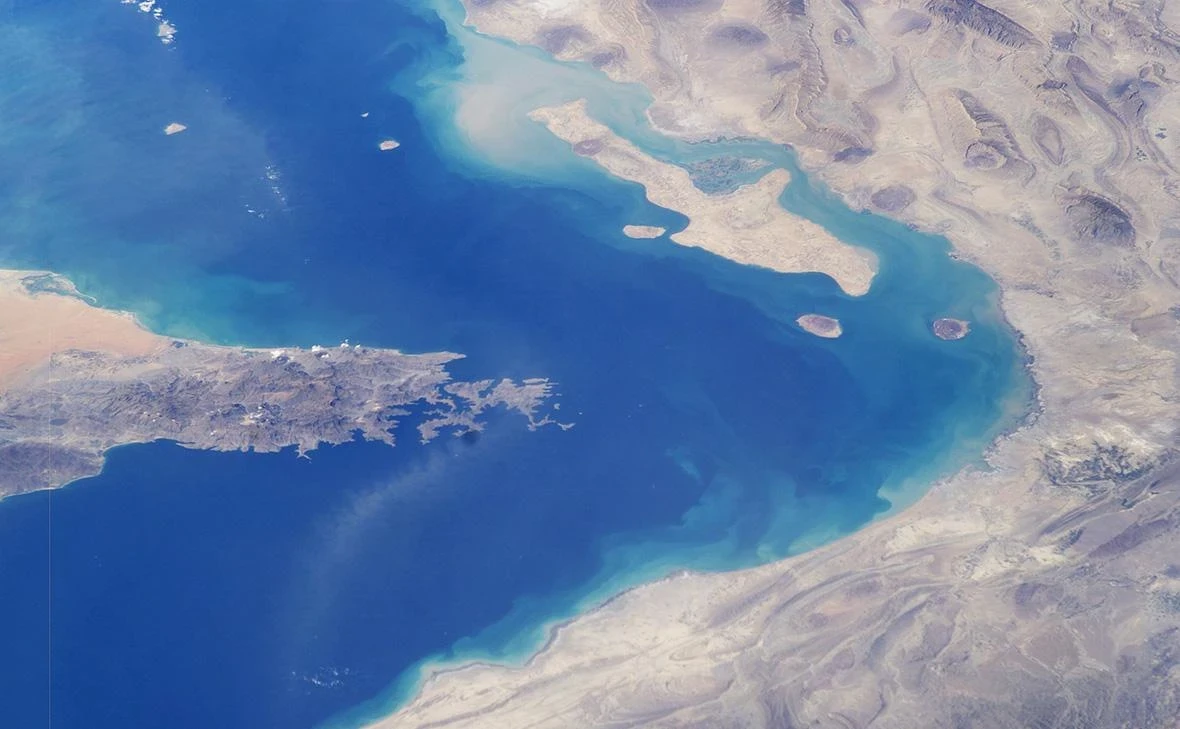
According to IRNA, Iranian air defense forces shot down a drone in the area of Qeshm Island.

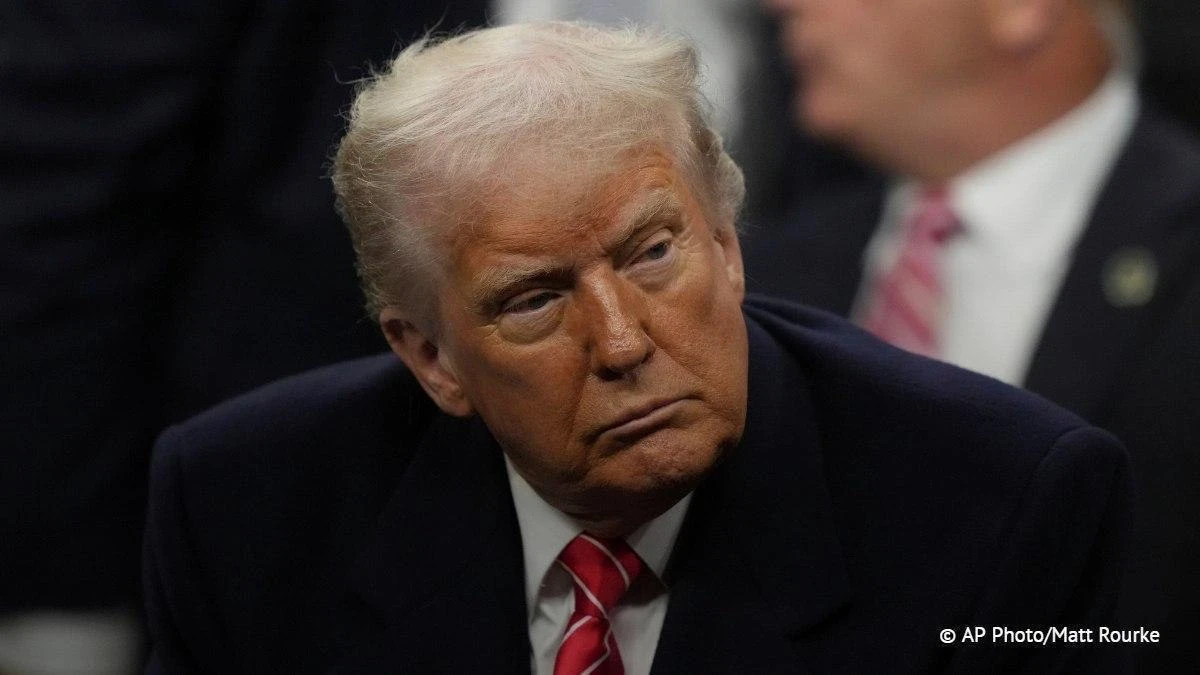
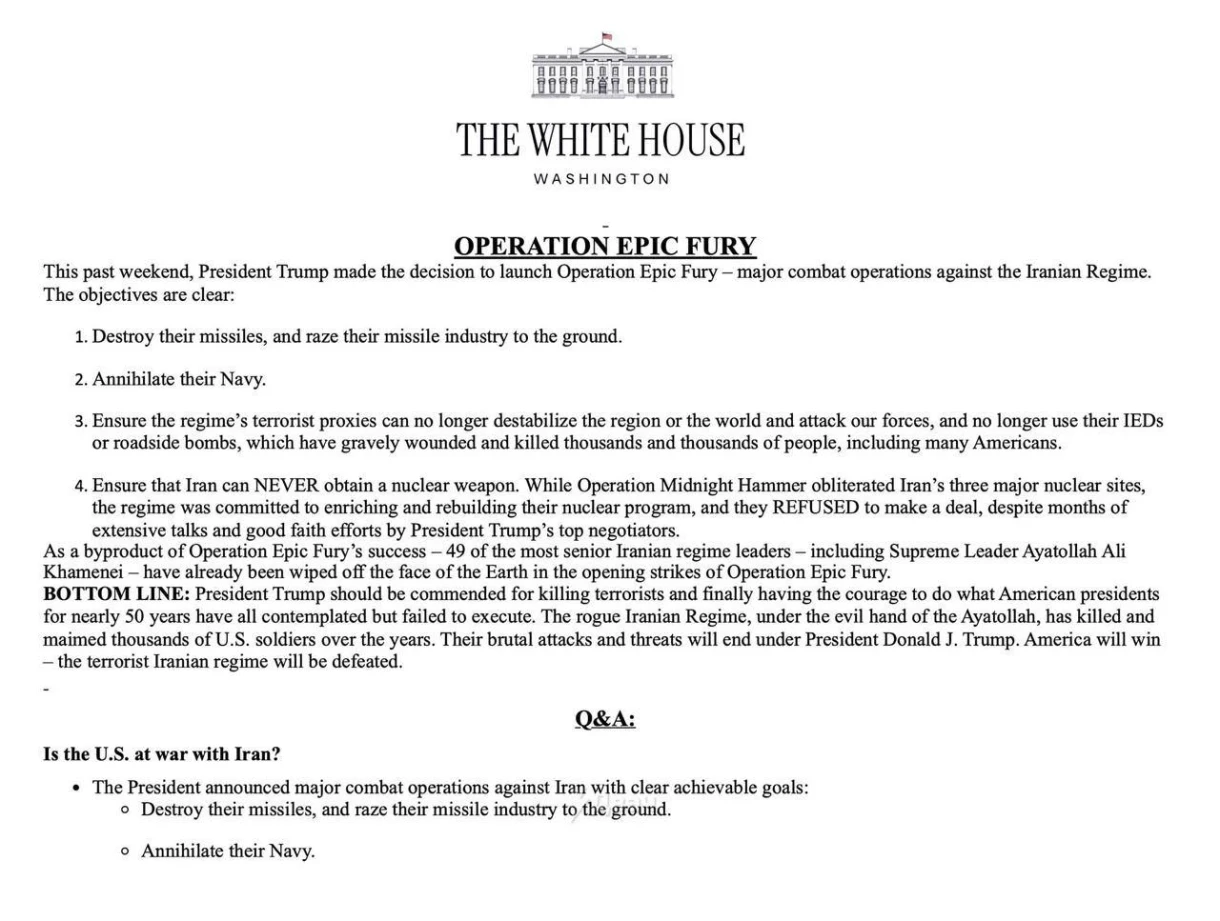
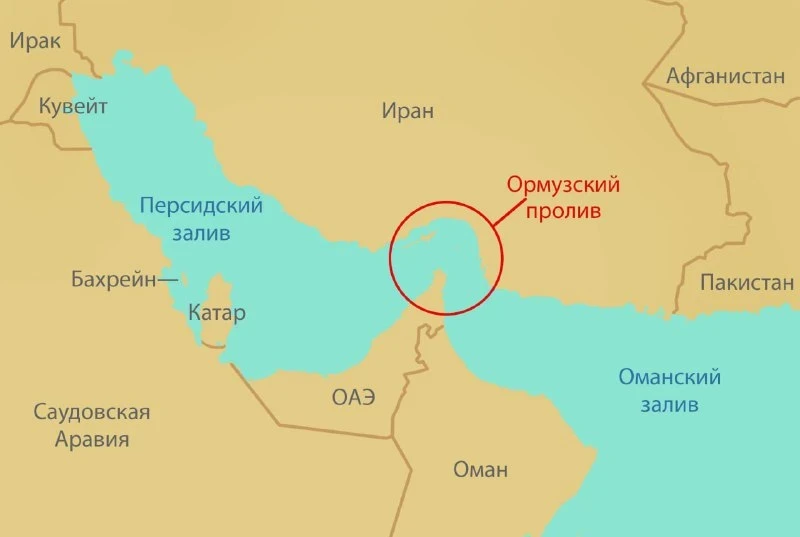
Donald Trump, according to The Wall Street Journal, is ready to end the military confrontation with Iran, even if the Strait of Hormuz remains closed. Administration officials stated that the president informed his aides of his intention to cease military actions, which could mean maintaining Tehran's control over the crucial waterway.


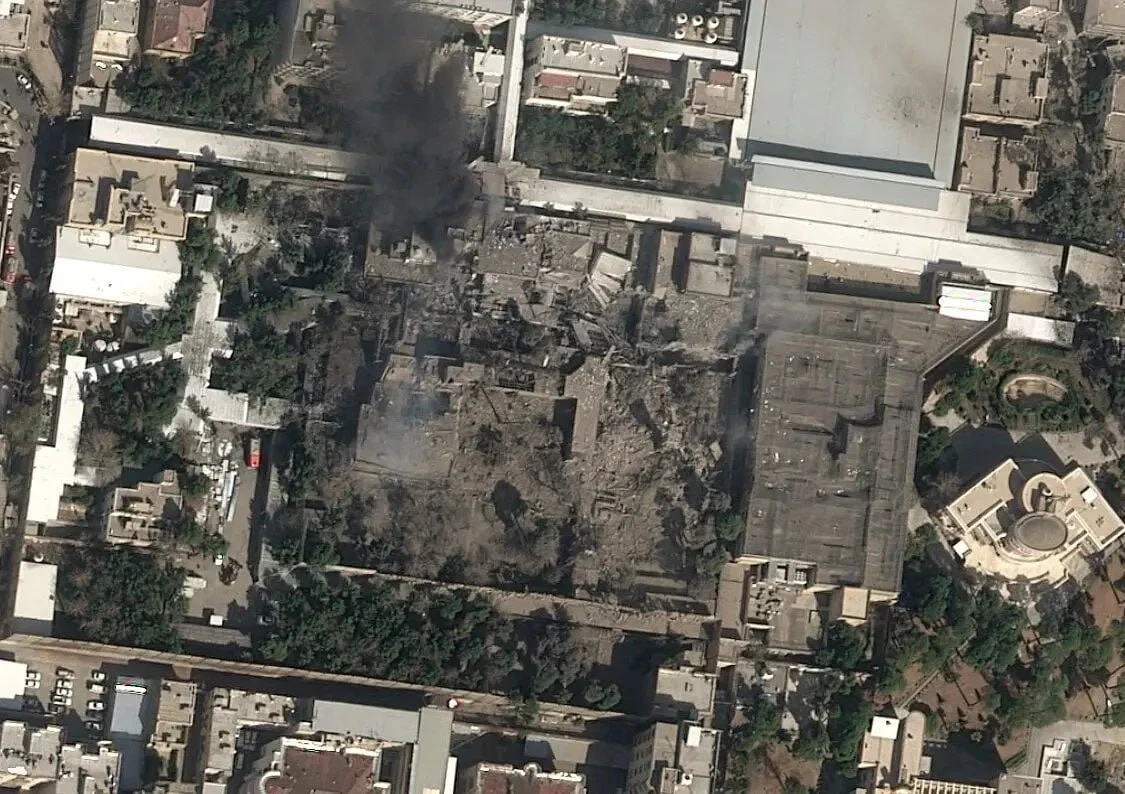
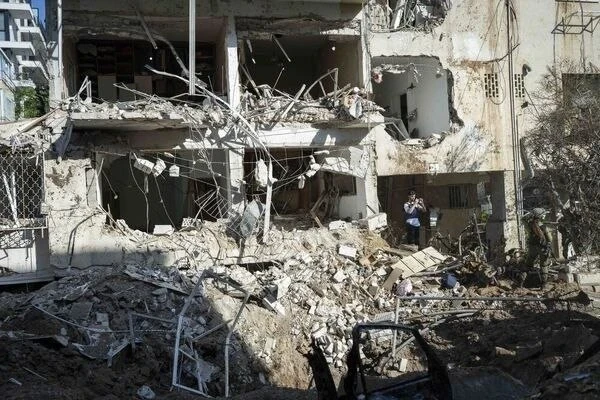
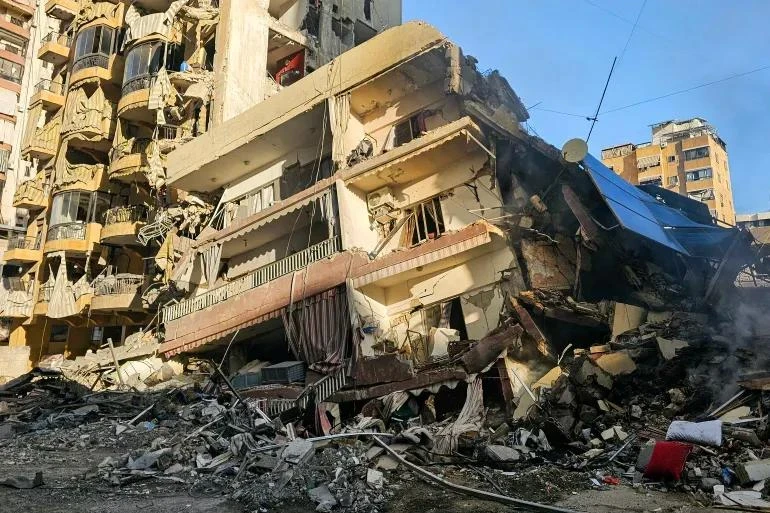
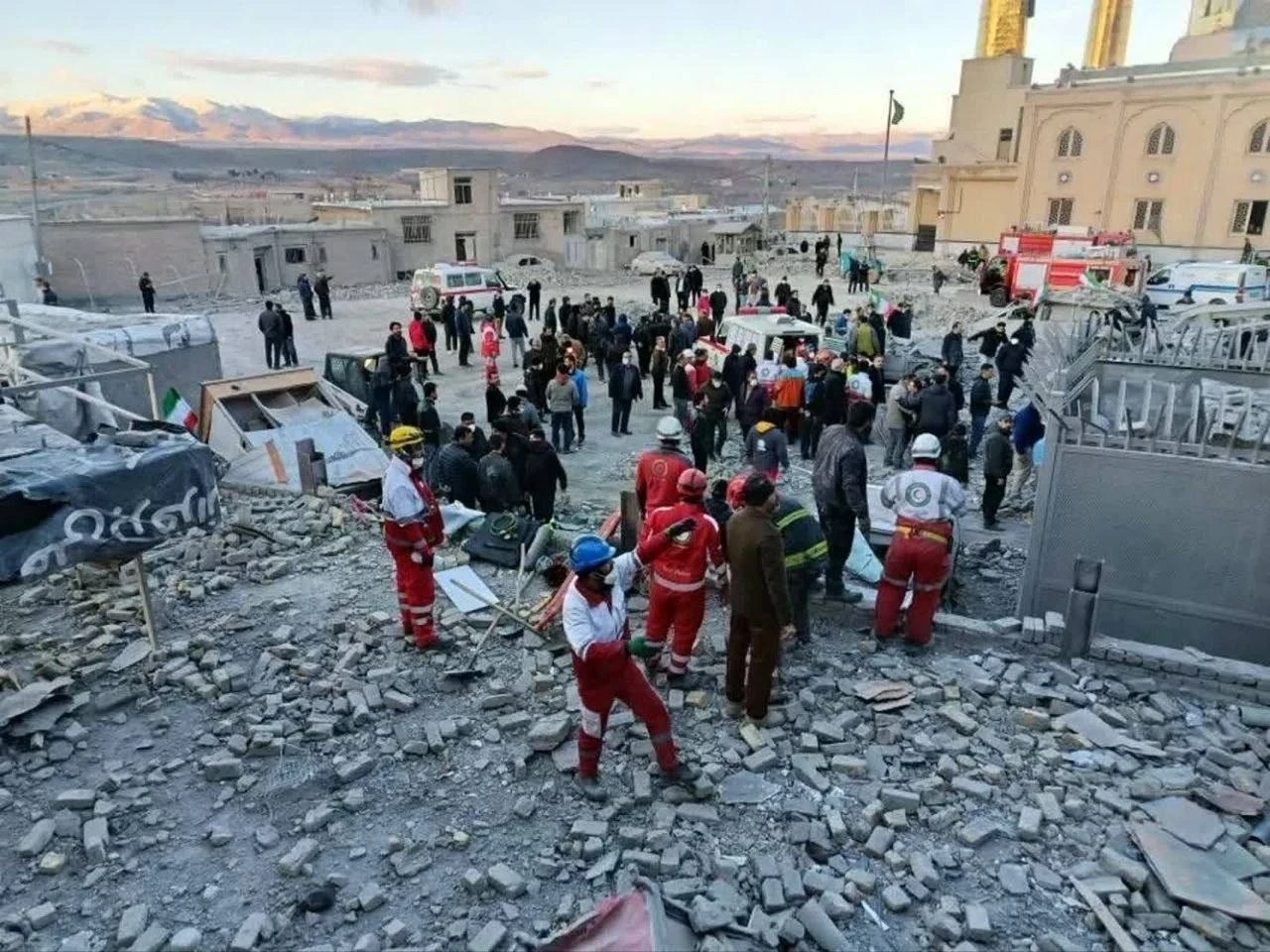
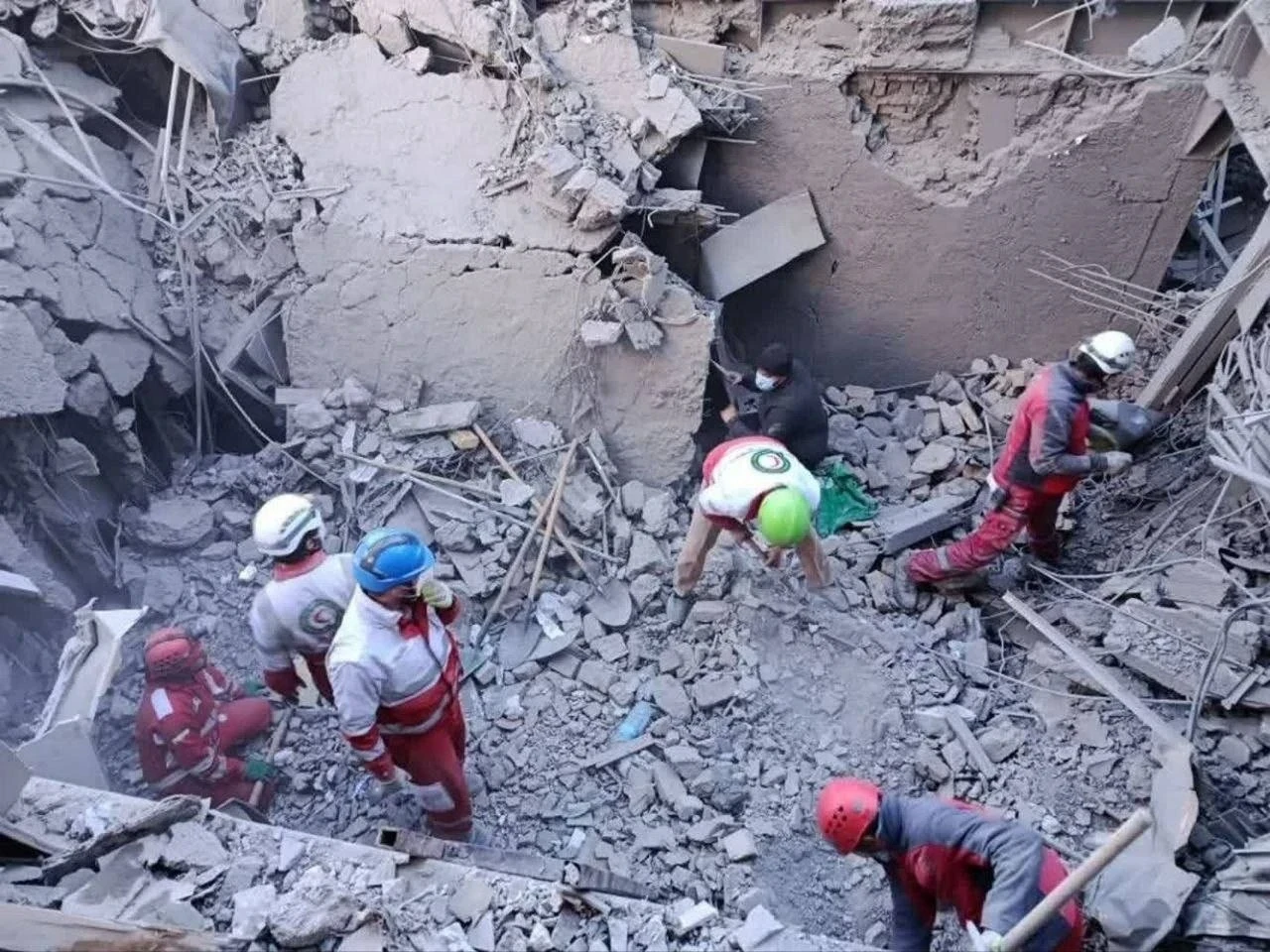
Media outlets are publishing photographs of the destruction at the University of Science and Technology in Iran following the raid.
Tehran announced that starting the evening of April 1, it will begin attacks on Microsoft, Apple, Google, and Nvidia facilities, as well as other companies in the Middle East in response to "every killing in Iran."

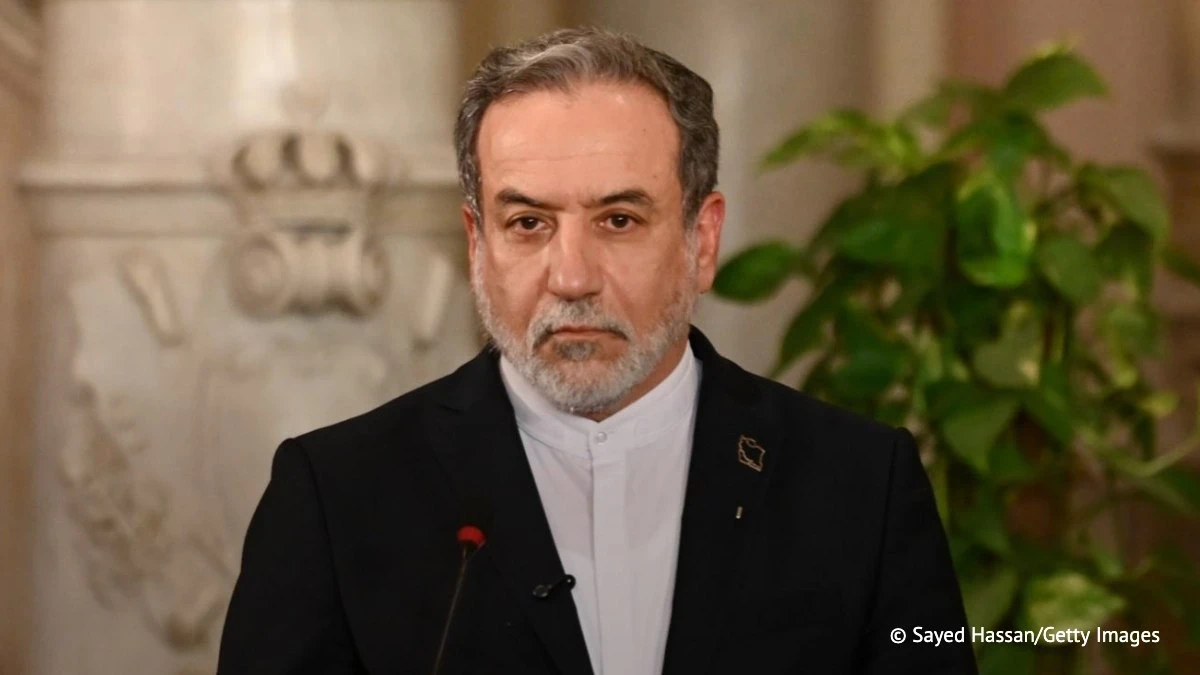
Abbas Araghchi, the Iranian Foreign Minister, commented on recent statements from the White House regarding readiness for negotiations and a ceasefire. He noted that Iran has not responded to any of the 15 proposals from the U.S. and has not presented its own conditions. "Iran is ready for any ground confrontation," he added.
According to Araghchi, official negotiations with a specific party are not being conducted, and messages are being conveyed through the Foreign Ministry in cooperation with security agencies.

Trump told reporters on Tuesday that "we will be leaving very soon," specifying that this could happen "within two weeks, maybe two weeks, maybe three."

In recent weeks, the U.S. president has claimed that Iran is negotiating with Washington to end the conflict. However, Tehran denies these rumors, asserting that interactions with the American side are limited to message exchanges through intermediaries, including Pakistan.
White House Press Secretary Caroline Levitt reported that Donald Trump will address the nation on issues related to Iran.