However, as emphasized in the study, achieving these results depends on meeting the 10-10-10 goals, which include reducing gender inequality and violence to less than 10%, as well as eliminating stigma and discrimination against women and girls living with HIV and other vulnerable groups.
Although stigma and discrimination against people with HIV are gradually decreasing, they still exist. How can this situation be changed? This question was answered by an activist living with HIV, Rano (name changed).
Rano, who has been living with HIV for over ten years and works in this field, noted: "I have seen how stigma and discrimination remain pressing issues. The main reason lies in the lack of reliable information, outdated myths, and fear. Despite medical advancements, HIV remains surrounded by stereotypes that have developed over the years. People often fear what they do not understand. This is exacerbated by rumors and misconceptions about the ways the virus is transmitted, which creates fear, rejection, and discrimination," she shared.
Last year, Rano participated in a study conducted by the "Partnership Network" association, in which she surveyed over a hundred people. "I noticed two completely different groups. Some received accurate information, communicated with peer counselors, accepted their status, and became more confident and positive," she said.
However, there were also those who have lived with HIV for over 15 years but still do not see "the light at the end of the tunnel." "This convinced me that education is a key point for people diagnosed with HIV and for society as a whole. The situation can only be changed through systematic educational work: open dialogue, stories of people living with HIV, adequate media coverage of the topic, and the formation of a culture of respect," the activist noted.
"It is important for people to understand: HIV is not transmitted in everyday life. People with HIV can lead normal lives: study, work, create families, and be part of society. This is only possible through knowledge, empathy, and human relationships. In this way, we can gradually break down stigma. Sometimes we are asked to openly share about ourselves, to show our faces, but we are afraid. Why? Because a lonely person faces society alone. My colleagues have had instances where they disclosed their status and faced negative reactions. This is personal experience. To overcome stigma, the community must act together," Rano added.
According to the activist, stigma persists not due to a lack of resources, but because "people continue to receive only dry facts and texts, rather than living, human information." "An open dialogue and support from the state are needed, as initiatives at the official level are taken more seriously. I dream of creating films about the lives of people with HIV to showcase more success stories and interactions with real people," she summarized.
Research confirms that changing the situation requires not only facts but also personal contact, training for healthcare workers, community support, and well-thought-out information campaigns.
Rano also noted: "There is a big difference between communicating with infectious disease doctors and peer counselors. When we communicate directly, it’s as if people open their 'third eye.' I always want to capture a person's state before and after the consultation. People need to hear the story of a peer. When they see that I lead a full life, look good, and want to help, it ignites hope in them," she emphasized.
Currently, HIV is increasingly being detected among migrants. "They learn about their diagnosis abroad and return home with a huge fear of disclosure. Recently, a woman contacted me who had lived with a diagnosis obtained in Russia for seven years and did not seek help due to fear of stigma until her condition became critical. This is very dangerous. Her story is a vivid example of how stigma and discrimination negatively affect health," Rano concluded.
Stigma and discrimination affect the effectiveness of programs, as well as the spread of HIV and mortality from AIDS. This is related to refusal to test, interruption of treatment, low adherence to therapy due to fear of disclosure of status, and distrust of the system. These factors affect the refusal of long-term prospects such as work, socializing, starting a family, and seeking medical help.
HIV, or human immunodeficiency virus, is a virus that attacks the immune system, remind specialists from the Republican Center for Strengthening Health.
It is important to remember that HIV is not transmitted through airborne, waterborne, or contact-household routes, nor can it be transmitted through:
- shared dishes;
- one toilet;
- transport;
- attending school;
- sports games;
- swimming in a pool;
- handshakes;
- hugs;
- kisses;
- coughing and sneezing;
- insect bites.
- blood;
- breast milk;
- semen and vaginal secretions.
The virus can also be transmitted from mother to child during pregnancy and childbirth.
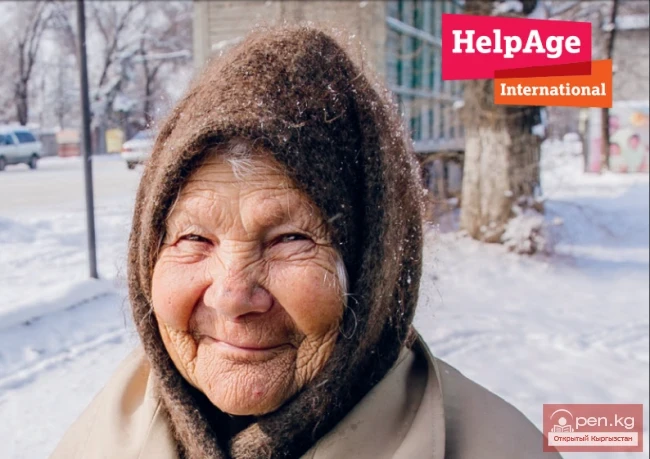
Photo on the main page is illustrative: weforum.org.