The results of weighing the backpacks of younger schoolchildren can be seen by following the link. For example, the weight of just the textbooks and notebooks for three subjects for a second grader (mathematics, Russian language, "Me and the World") is 3 kilograms. This undoubtedly affects their health.
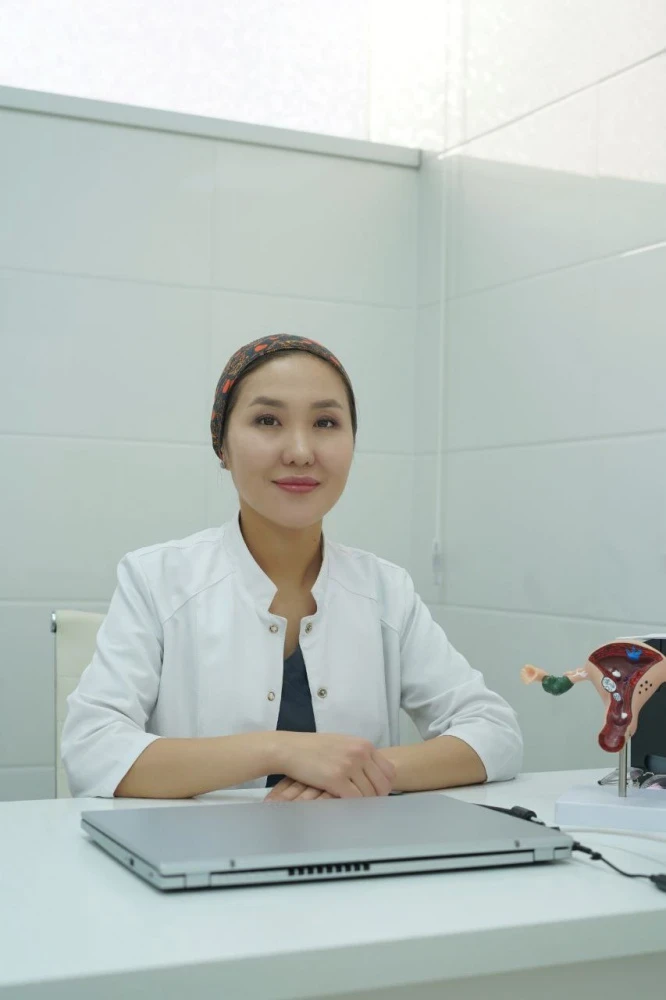
Regarding the impact of heavy backpacks on students' health, the editorial team reached out for a comment from Baktygul Jumakulova, an expert in school health.
She noted: "Unfortunately, this problem does exist. In the first grade, children usually do not have serious disorders. However, as they progress from the first to the fourth grade, the situation worsens. During medical examinations in the fifth grade, we find that about 30% of children begin to suffer from scoliosis."
According to her, the problem lies not only in the weight of the backpacks but also in the incorrect way of carrying them. "Children often carry backpacks on one shoulder, although they should be worn evenly on both straps. We constantly remind them of this, explaining that it is incorrect. Besides scoliosis, many develop poor posture. A heavy backpack pulls back and down, causing the child to lean forward, and this is what leads to posture disorders," the expert explained.
Jumakulova also pointed out the improper fit of the backpack. It should fit snugly against the back and be properly tightened. In practice, however, many backpacks hang on the lower back or even lower. Combined with the weight of the educational materials, this leads to disorders of the musculoskeletal system, including scoliosis and posture problems.
According to the specialist, if the deformation affects the cervical-thoracic region of the spine, it can impact the vessels that supply blood to the brain. This, in turn, leads to weakness, drowsiness, and deterioration of concentration and memory, as the brain receives insufficient blood supply and oxygen.
She emphasizes: "The problem is relevant. I always tell my colleagues that we need to focus not on diseases but on health. We need to visit schools, observe, and give recommendations to prevent the development of these disorders during school age. Many of them can be avoided in advance."
The expert also noted that school medicine in Kyrgyzstan remains on the periphery of the healthcare system. "This area receives very little attention. I am only heard when serious health problems arise with children or grandchildren," Jumakulova added.
As for the backpacks themselves, there used to be sanitary standards: the shape of the bag, rules for carrying, and the allowable number of books. "For example, during the Soviet era, the schedule necessarily included lessons without books - labor, physical education, music. Today, this control is practically absent. Schedules often change, and children carry all their textbooks at once to avoid forgetting anything. Parents also do not always pay attention to this," she said.
Moreover, as the expert pointed out, many children attend additional classes and sports sections, which leads to the need to carry two bags at once, further exacerbating the load on the spine.
"According to our observations, by the eighth grade, almost 60% of children suffer from scoliosis. Our medicine is mainly focused on diagnosing and treating already existing diseases. Prevention of musculoskeletal disorders starts too late - when the disease has already developed," Jumakulova stated.
She also believes that the hygiene services for children and adolescents are limited to checking schools before the start of the academic year, while the educational process itself, including the schedule, workload, and number of textbooks, remains outside their control.
Photo on the main page is illustrative: hotelaldem.com.