January 2026 became a month of sharp climate contrasts: from severe frosts and downpours to extreme heat. The World Meteorological Organization (WMO) emphasizes that this highlights the need for investments in early warning systems and accurate forecasts, it stated.
According to the WMO, natural disasters occurred worldwide, leading to significant suffering, economic losses, and ecological damage.
“Extreme weather conditions have been on the list of major threats for several years, according to the annual report of the World Economic Forum. The number of people affected by climate disasters continues to rise, and in January we witnessed their tragic consequences almost daily,” noted Celeste Saulo, head of the WMO.
She also pointed out that in countries with effective early warning systems, the death toll from natural disasters is six times lower, making the "Early Warning Systems for All" program particularly important.
Winter Cold and Storms
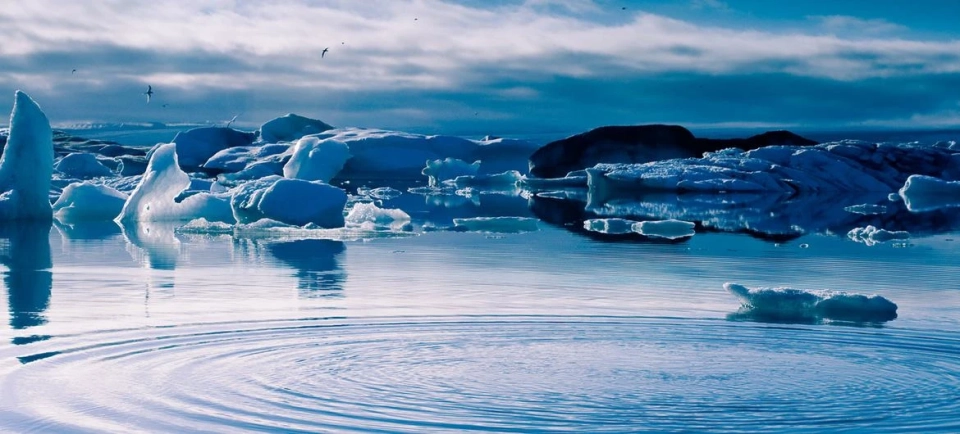
According to data from the Intergovernmental Panel on Climate Change (IPCC), since 1950, the frequency of severe cold events has been decreasing globally, but this does not exclude isolated cases of powerful cold snaps.The weakening of the polar vortex contributed to the intrusion of Arctic air into mid-latitudes, causing sharp frosts in North America, Europe, and Asia. This is associated with a large area of cold air and strong winds that usually circulate around the Arctic but sometimes weaken, allowing the cold to spread southward.
In Kamchatka, over two meters of snow fell in the first two weeks of January 2026, while 3.7 meters had already fallen in December—this is one of the snowiest periods since the 1970s. In Petropavlovsk-Kamchatsky, traffic was virtually paralyzed, and snowdrifts blocked access to various infrastructure facilities.
Also, at the end of January, a powerful winter storm hit Canada and the United States, causing widespread power outages, flight cancellations, and human casualties. The National Weather Service of the United States warned of a new wave of Arctic cold expected by January 31, which would spread to the southern plains states and eastern regions.
Some meteorological forecasts suggest that in early February, stratospheric warming over the Arctic may significantly weaken the polar vortex, creating conditions for a new intrusion of Arctic air into North America and Northern Europe in the second half of the month.
Floods and Rainfalls
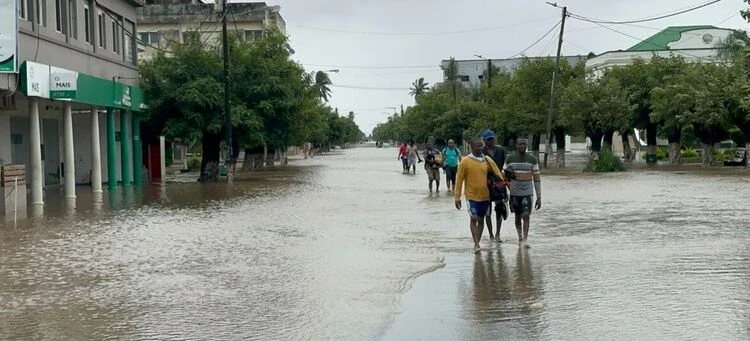
Europe faced a series of storms accompanied by heavy rains and floods affecting Ireland, the United Kingdom, and Mediterranean countries. Meteorological services warn of continued increased precipitation in Northwestern Europe and the Mediterranean.In southern Africa, the situation was particularly severe: according to Mozambican authorities, floods affected at least 650,000 people, hundreds of thousands were forced to leave their homes, and about 30,000 dwellings were damaged or destroyed. South Africa also declared a national disaster due to torrential rains that claimed many lives.
Fires and Heat
In Australia, two heatwaves were recorded in January. In the city of Ceduna, temperatures reached a record 49.5 degrees Celsius. Scientists claim that climate change has made this heat 1.6 degrees more intense.In Chile, wildfires claimed the lives of at least 21 people, and tens of thousands were evacuated. Fires also affected southern Argentina. According to the IPCC report, anthropogenic climate change has increased the frequency and intensity of heatwaves since the mid-20th century.
The WMO is ramping up its efforts to combat the consequences of extreme heat and other climate threats, including joint projects with the World Health Organization.