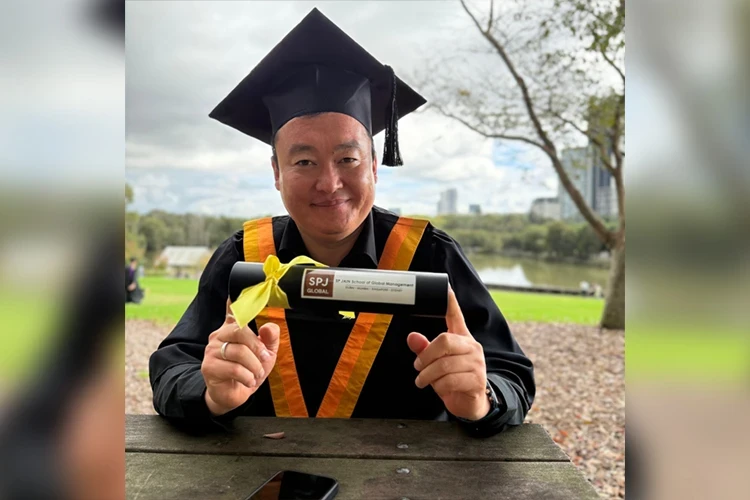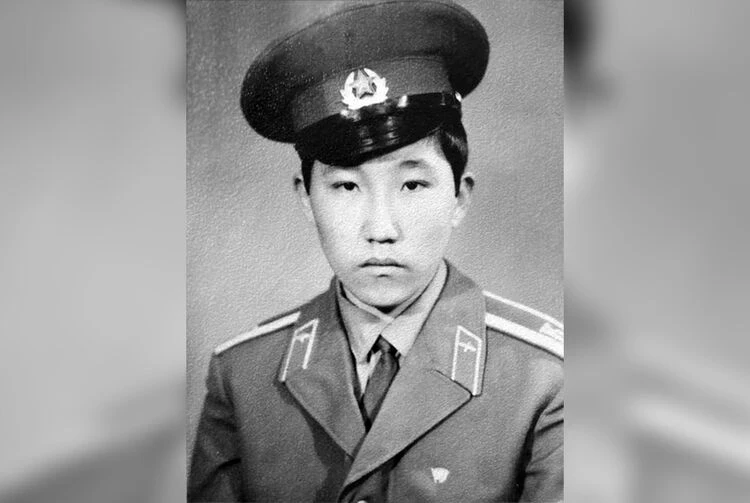
Abdygany Mamanov, who voluntarily went to Afghanistan, served in an aviation regiment and continued his career in various countries, including Europe and Africa. However, he believes that more important than geographical location and ranks are the people he met through the war, as well as the lessons he learned from it.
On the eve of the 37th anniversary of the withdrawal of Soviet troops from Afghanistan, he shared his experience with 24.kg: about why he wrote a letter to the Minister of Defense of the USSR in his youth, how he managed to obtain scarce goods in Afghanistan, and why military films are often far from reality.
Reference 24.kg
The Afghan War of 1979-1989 was a conflict between the government forces of the Democratic Republic of Afghanistan and Afghan mujahideen supported by Soviet troops.
The Soviet Union quickly occupied most of Afghanistan's territory but was unable to suppress the insurgency, which received support from the West, China, and some Islamic countries.
The introduction of Soviet troops into Afghanistan began on December 25, 1979, and the last Soviet soldier left the country on February 15, 1989. The losses of the USSR amounted to, by various estimates, over 13,000 killed, more than 53,000 wounded, and 417 missing.
How a letter to the Minister of Defense led to service in Afghanistan
I entered the Kharkov Military Aviation Technical School. As a native of Osh, it was difficult for me since I spoke Russian poorly. On weekends, when other cadets rested, I studied hard. The teachers noted my efforts and inflated my grades on exams. From the second year, I began to succeed.
When it was time for distribution, I asked the commander to send me to the Central Asian Military District. He replied that only slackers were sent there, and in the end, I ended up in the Prikarpatye Military District, which was considered one of the best.
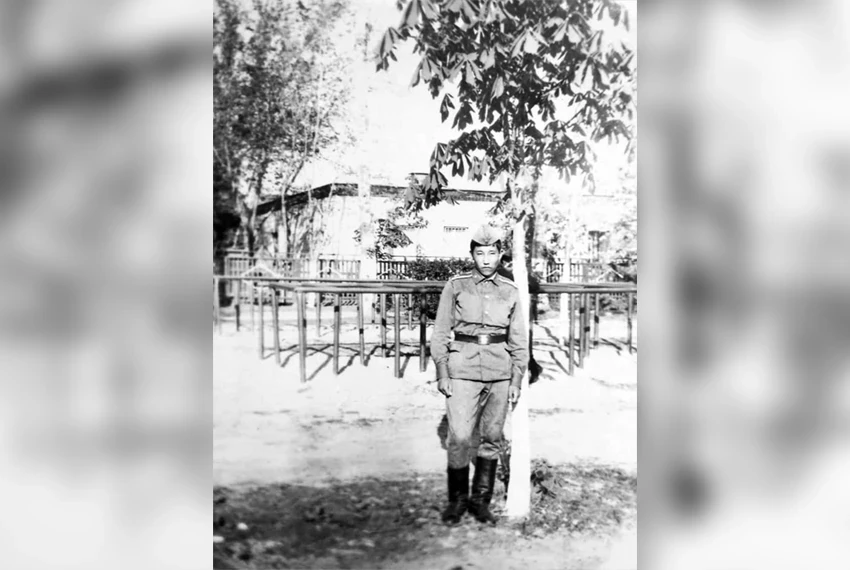
I spent several years in western Ukraine — it is a beautiful region with wonderful people. I made three friends: Valera Moiseenko from Belarus, Igor Gnoevy from Russia, and Sasha Fedorenko from Ukraine. We became inseparable.
During the May holidays of 1982, under the influence of emotions, we wrote a letter to the Minister of Defense of the USSR. At that time, it was unusual to address such officials directly, but we didn’t think about it.
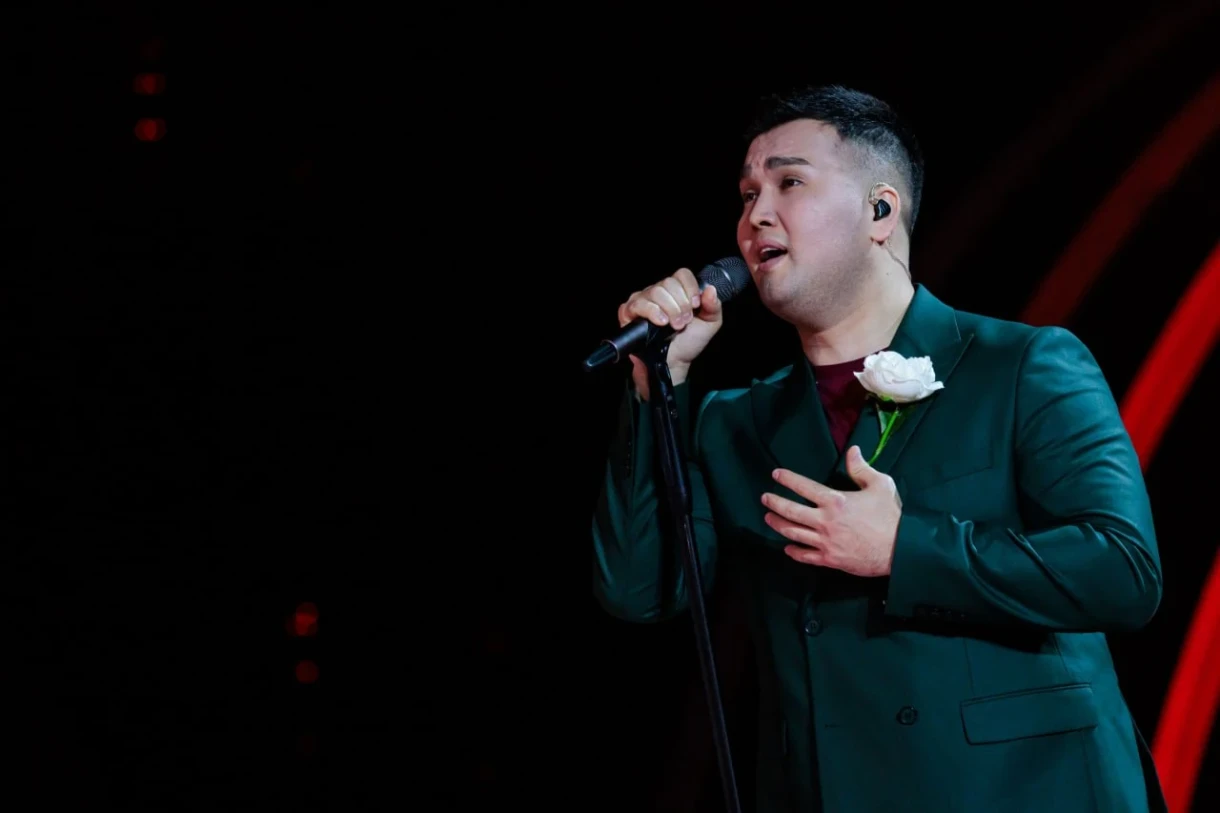
Abdygany Mamanov
We asked to send us to Afghanistan to provide international assistance. The next morning, when we decided to retrieve the letter, it turned out to be too late — it had already been approved. Thus, on September 12, 1982, I found myself in Afghanistan.
Operations in Kunduz: fighting the mujahideen
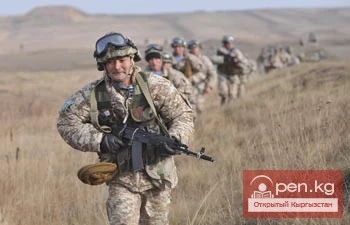
I served in an aviation regiment in Kunduz province, where I was responsible for establishing communication for aviation, using tropospheric radio communication and encrypting messages. Additionally, we corrected the strikes of Soviet troops.
Once, we received information about a meeting of enemy commanders and sent a Mi-8 helicopter with a flare bomb to them. When it exploded, the attack aircraft began their work, and the infantry approached. Everything worked smoothly; part of the mujahideen was destroyed, and the rest were captured.
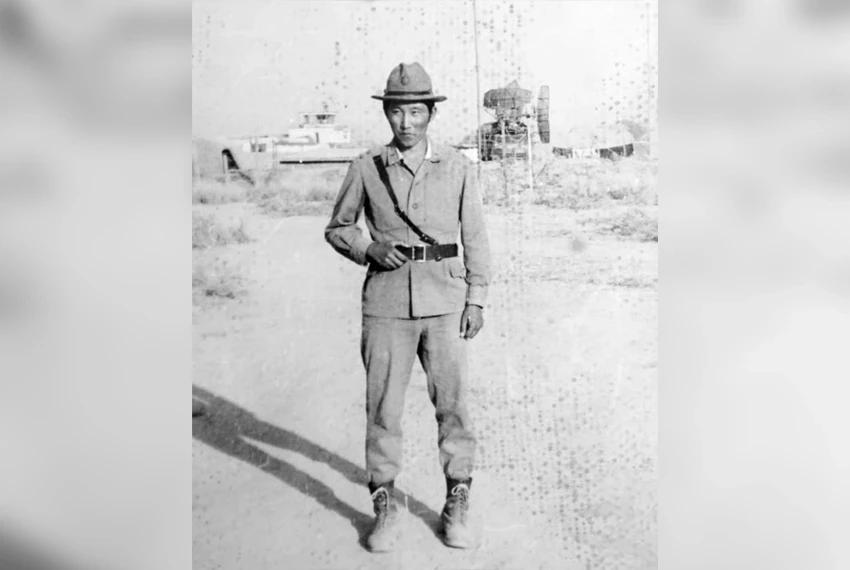
The mujahideen often wore simple clothing for camouflage, but there were no random people among them. We found detailed diagrams of Soviet helicopters indicating their vulnerable spots — they were prepared by high-class foreign instructors.
Each mujahid had documents reflecting his skills and experience, as well as the opportunity to receive bonuses for killed soldiers, officers, or destroyed equipment.
Everyday life in Afghanistan: scarcity and human stories
In our unit, there were only two Kyrgyz officers. One of them was Senior Lieutenant Saifutdin Azizov. I am glad to have met him — he is a true hero! The only sniper pilot in Kyrgyzstan, modest and courageous.
Once, a man approached the fence of our aviation town and asked us for water in Kyrgyz. It turned out he was Kyrgyz, whose family had once settled in Afghanistan.
We were issued additional rations, and sometimes food was left over. I collected two boxes and gave them to him. He cried and asked about Kyrgyzstan, saying he dreamed of visiting it at least once in his life.
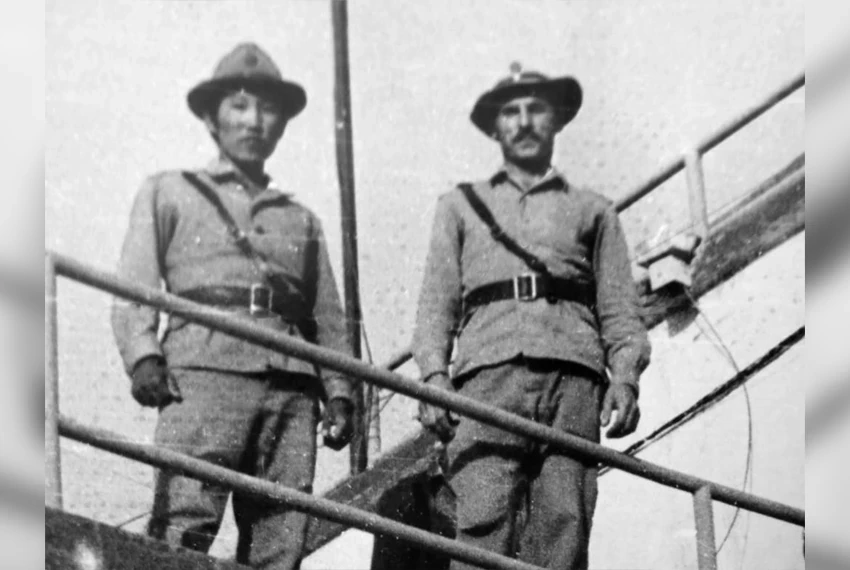
I spent just under a year and a half in Afghanistan, of which seven months were on missions. My comrades in the unit sometimes gave me money, and I bought jeans, tape recorders, and other scarce goods that were brought into Afghanistan from Japan and Hong Kong. The leadership did not approve of this.
Weapons and goods at our airfield were also for sale, but at inflated prices. I dressed in civilian clothes, hid weapons in my pockets, and went to the market. Sometimes, to relieve stress, I bought homemade grape vodka. It had a terrible smell, but it didn’t give me a headache afterward. When I had the chance, I visited friends from the academy: Sasha Fedorenko was in Bagram, and Valera Moiseenko was in Kabul.
Observing the actions of our pilots, I concluded that the most effective crew is an international one. People of different nationalities working together complement each other and achieve better results. Those who divide themselves by any criteria will never win.
The romance of war: a harsh reality
There are many films about life in the army, and viewers often get the impression that war is romantic. However, in reality, it is a terrible tragedy. In Afghanistan, I saw very young people who had lost their legs.
In the army, you are deprived of holidays and personal life. You must be ready to carry out combat missions at any time, without sparing yourself. You constantly need to learn, being responsible for complex and expensive equipment. To cope with these challenges, you need iron nerves, discipline, and complete dedication.
Nevertheless, there is one thing I am grateful to Afghanistan for — my friends. We parted ways more than 40 years ago and scattered around the world, but true friendship knows no borders. We communicate via the internet, and some of the emigrants would like to return.
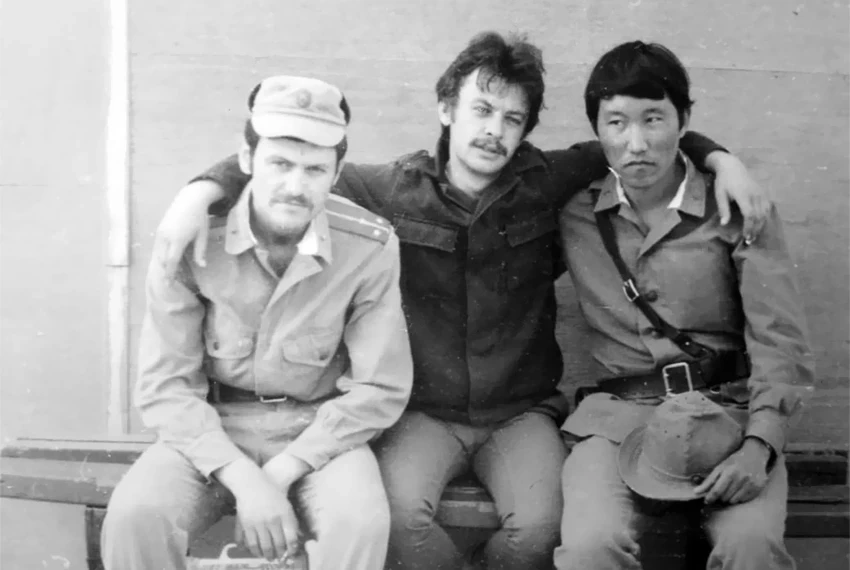
One of my good friends, a medical service major, married a German woman and moved to Germany. Many years later, after his wife passed away, he returned to Kyrgyzstan. As an experienced surgeon, he spent 10 months performing complex operations, including heart surgeries. He wanted to stay, but there was no suitable position, and he left for Germany again, where he quickly found a job.
The life of a colonel after the war: from Germany to India
After returning from Afghanistan, I got married and served in Germany from 1984 to 1989, where my eldest son was born. Then I was in Orenburg, and in 1992, at the invitation of the Kyrgyz government, I returned to my homeland and joined the National Guard.
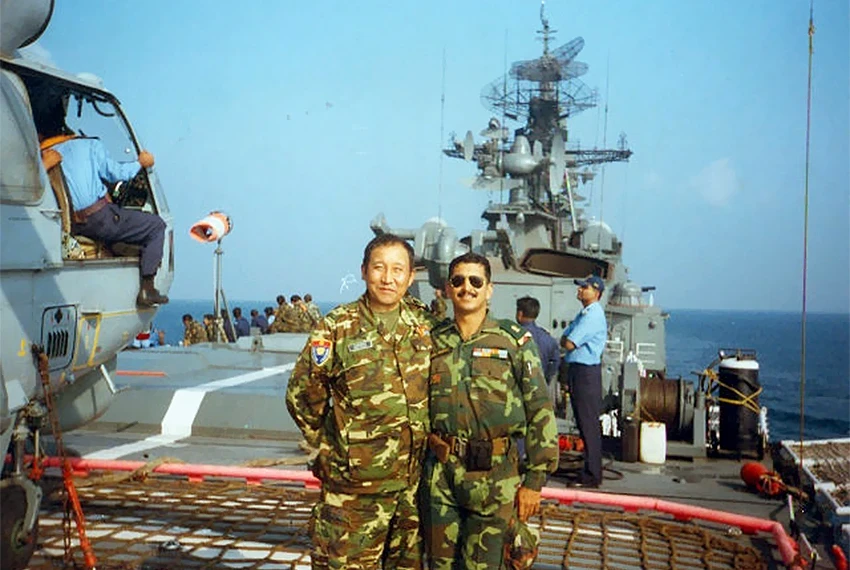
I went on missions to Russia, Belarus, Latvia, Lithuania, Poland, the Czech Republic, Hungary, Turkey, and other countries. In 2002, I was sent to India to study English, and then I entered the Military Academy of the Armed Forces.
By that time, I was already a colonel, and I was accommodated in a separate cottage, like a king. I felt at home. In India, the military are respected, and after retirement, they do not need to look for security jobs — they are offered decent positions.
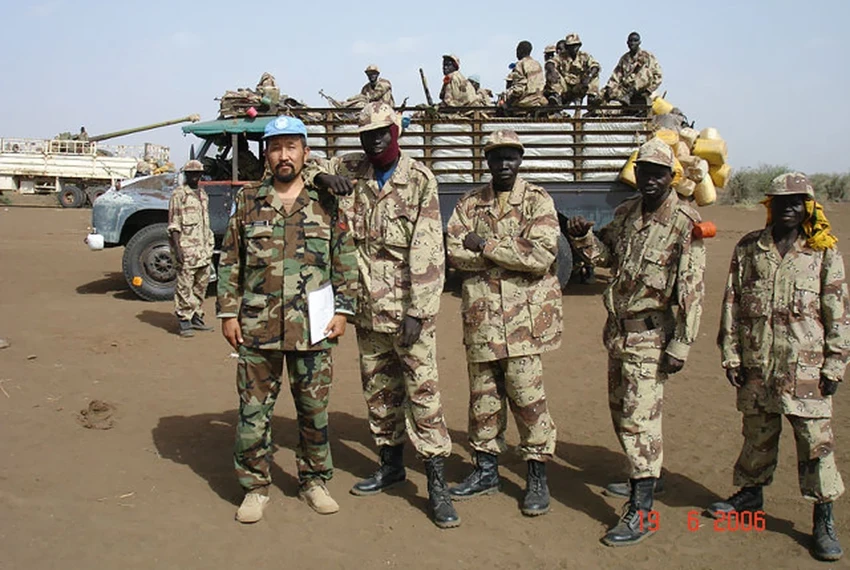
In 2006, I was sent to Sudan as a peacekeeper — a military observer. There was a civil war there, and our multinational unit played an important role in its cessation.
I served in the National Guard until 2007. I was fortunate that our commander was General Abdygul Chotbaev, who did everything to make the National Guard a full-fledged military formation capable of handling any tasks. He still shows amazing work ethic and keeps us veterans in shape.
Lessons of war
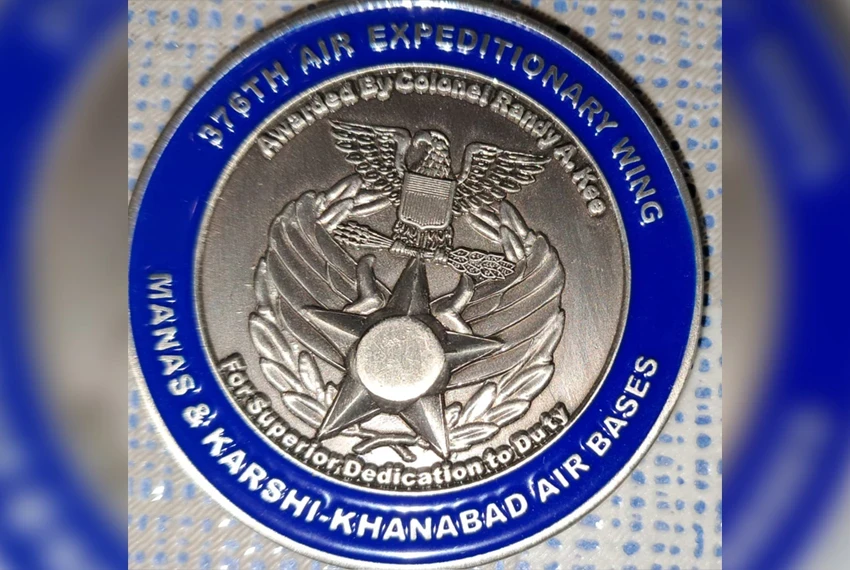
After retiring, I worked at the U.S. Air Force Transit Center at Manas Airport, where I was the senior representative of Kyrgyzstan in the engineering department. Knowledge of English played an important role in my employment.
The center provided cargo delivery to Afghanistan as part of Operation Enduring Freedom. There were only two internationalist warriors on the entire base. I remember once the commander invited us for coffee and said: “Afghans do not like America, but they speak well of the USSR.”
The Soviet Union built many multi-story buildings, hospitals, roads, and the famous Salang Tunnel in Afghanistan. Afghans came to us for education, and no one helped them more than we did. However, they realized this only too late.
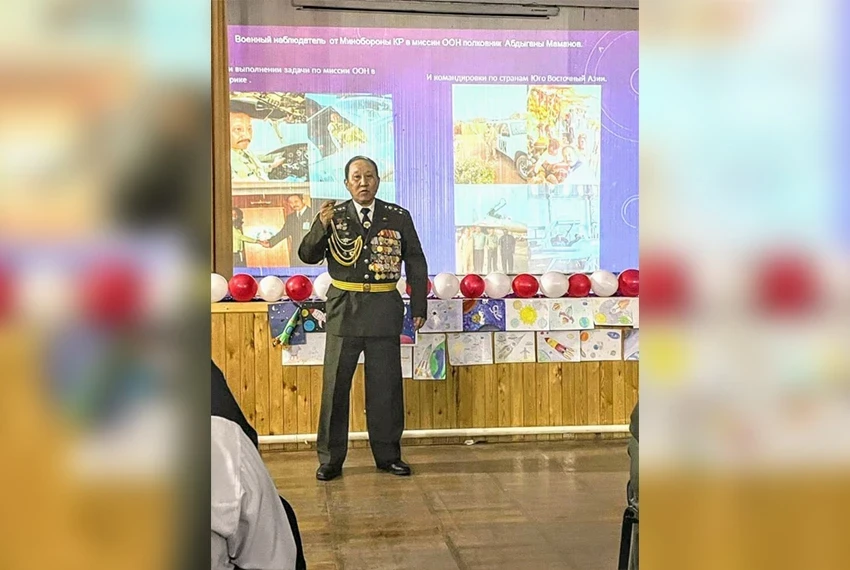
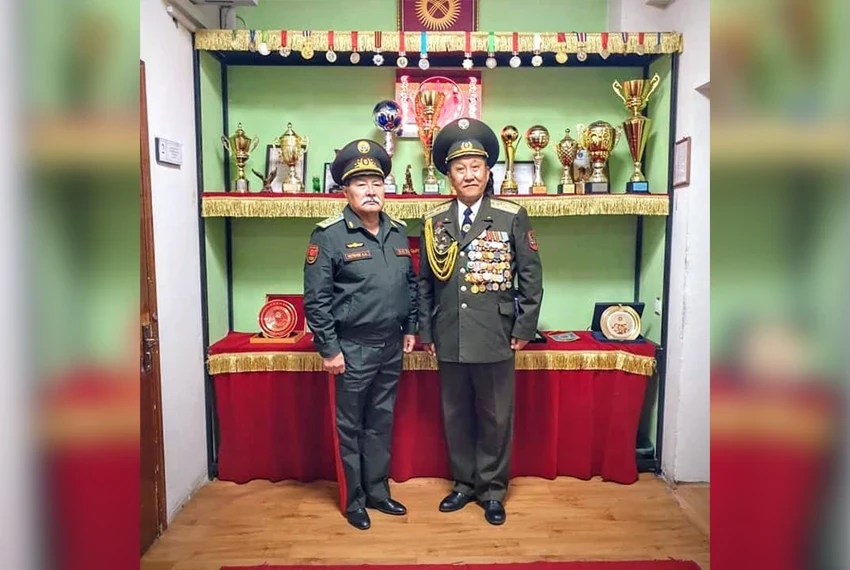
Currently, I am the chairman of the commission for patriotic and moral education of youth in the Oktyabrsky district of Bishkek. From time to time, with other veterans, we conduct lessons in schools, universities, and military units.
I have noticed that many are concerned about how to earn more while putting in less effort, and they hardly think about their homeland. This is due to shortcomings in upbringing, and we try to fill this gap.
I do not approve of wars and do not like to talk about this topic. What is the point of fighting and sacrificing people's lives if, in the end, there will still be a peace treaty? It is better to find common ground right away.