Fish farmers emphasize that the choice of feed is a technological and professional decision, dependent on many factors such as region, water quality, and cultivation specifics. Even minor changes in the formulation can lead to fish mortality and negative ecological consequences.
According to industry representatives, feed constitutes the main expense in aquaculture. The cancellation of VAT on imported feed in December of last year was perceived by many as a signal of stability. However, starting December 12, 2025, the tax will be reintroduced, which, according to fish farmers, will increase production costs and lead to higher prices for fish in the domestic market.
Producers have been tasked with increasing fish production from 20 to 100 thousand tons.
Market participants warn that without access to imported feed, it will be extremely difficult to achieve this. A ban on imports will lead to a shortage of feed, increased costs, and reduced profitability, which will negatively impact production volumes and the country's export indicators.
It is important to note that plans for import substitution have not yet yielded the expected results. Key components of local feeds, such as fish meal and fat, are still imported from abroad, maintaining dependence on foreign suppliers.
Experts warn that a complete ban on imports could lead to an increase in the illegal market and a decrease in tax revenues. Additionally, as a member of the WTO, Kyrgyzstan must consider international trade rules, and restrictions could raise questions among partners and negatively affect the investment climate.
Fish farmers also note that for trout exports, HACCP and GlobalGAP standards, which many imported feeds meet, are important. Their absence could become a barrier to entering international markets. According to market participants, in neighboring Kazakhstan, the fish industry actively receives subsidies, and there are no discussions about imposing restrictions.
If conditions in Kyrgyzstan worsen, some businesspeople may consider relocating their projects to other countries.
The association emphasizes that local feed producers need time to develop their technological base. Fish farmers are confident that support for the industry should be provided through subsidies and preferential financing, rather than through abrupt administrative measures.
The organization underscores its commitment to the development of the fish industry and maintaining a balance of interests among the state, business, and consumers.
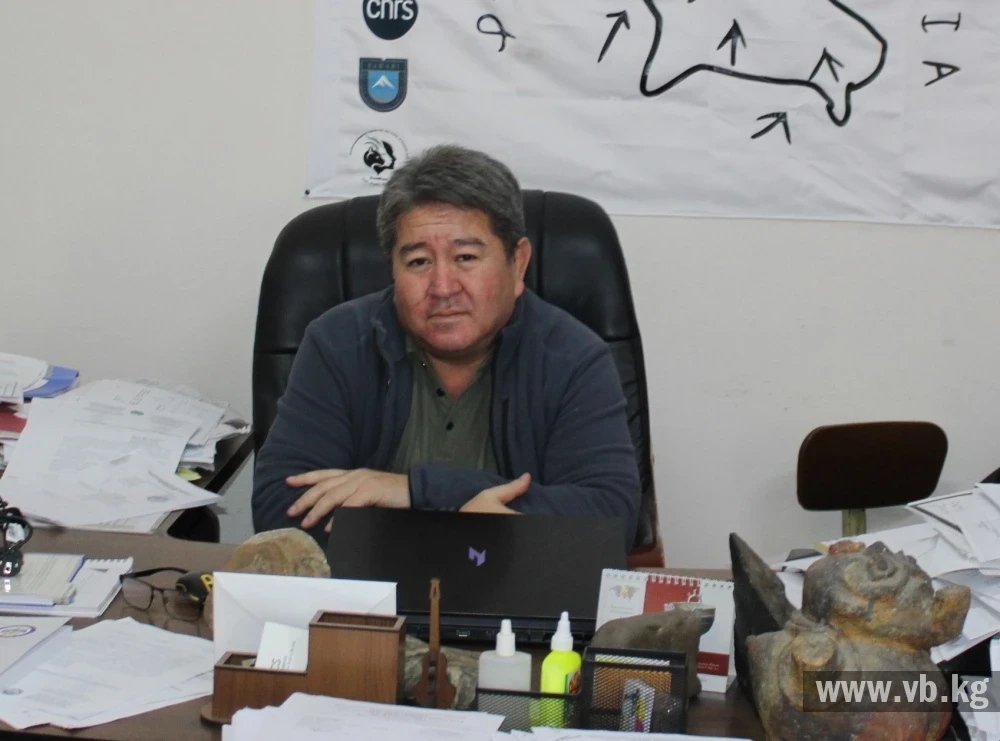
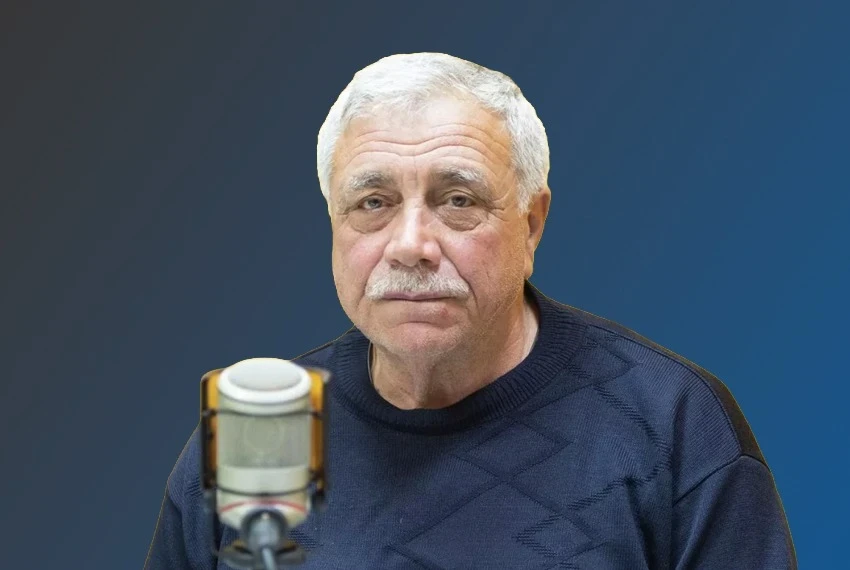
Renad Dosaev is the head of the Association of Fish Farms, a distinguished worker in agriculture with over 50 years of experience. He has implemented more than 100 projects in aquaculture both in Kyrgyzstan and abroad. For over 20 years, he has led the association and is considered one of the leading experts in fish farming.