Photo from the internet
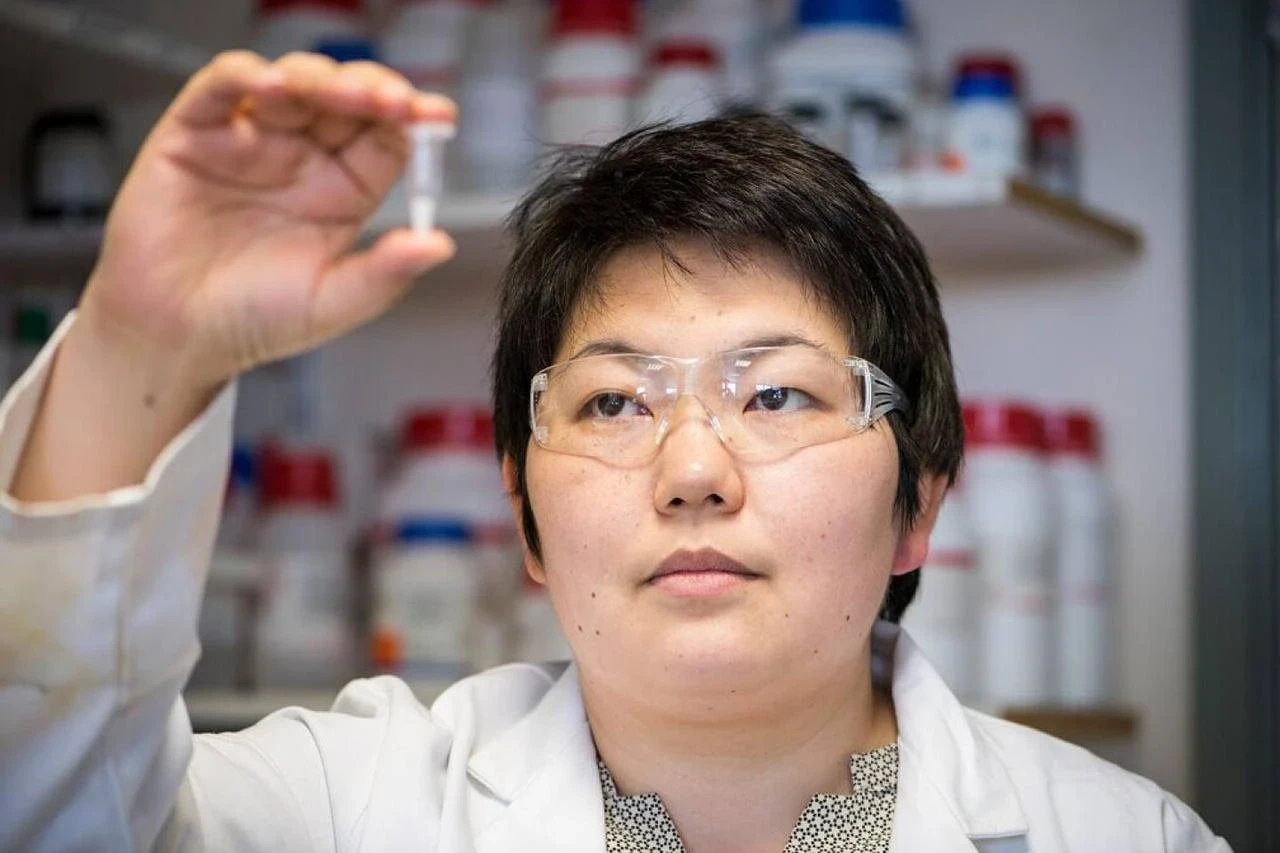
Sartbaeva, hailing from a village in Kyrgyzstan, developed a technology called "ensilication," which is a protective silicon shell. This shell significantly increases the stability of vaccines under high-temperature conditions, which can greatly reduce the loss of products during transportation and make vaccination more accessible for remote regions lacking a reliable cooling system.
Asel began her career after graduating from a university in Bishkek and obtaining a degree from Cambridge. She is currently an associate professor of chemistry at the University of Bath in the UK and the founder of EnsiliTech, a company that actively implements her developments into manufacturing processes.
The idea came to Asel when she saw a doctor taking a vaccine out of the refrigerator to vaccinate her daughter. This observation inspired her to address one of the most pressing issues in global medicine — how to help biomolecules "survive" when heated.
According to the UN, Asel Sartbaeva's work is particularly relevant for low- and middle-income countries, where vaccine delivery is complicated by the lack of electricity and adequate logistics.
In addition to her scientific work, Asel is actively involved in educational initiatives, including the UNICEF project "Girls in Science," which supports schoolgirls in Central Asia in studying STEM disciplines.
The EnsiliTech technology was successfully tested during the COVID-19 pandemic, demonstrating its immense potential for improving global health.