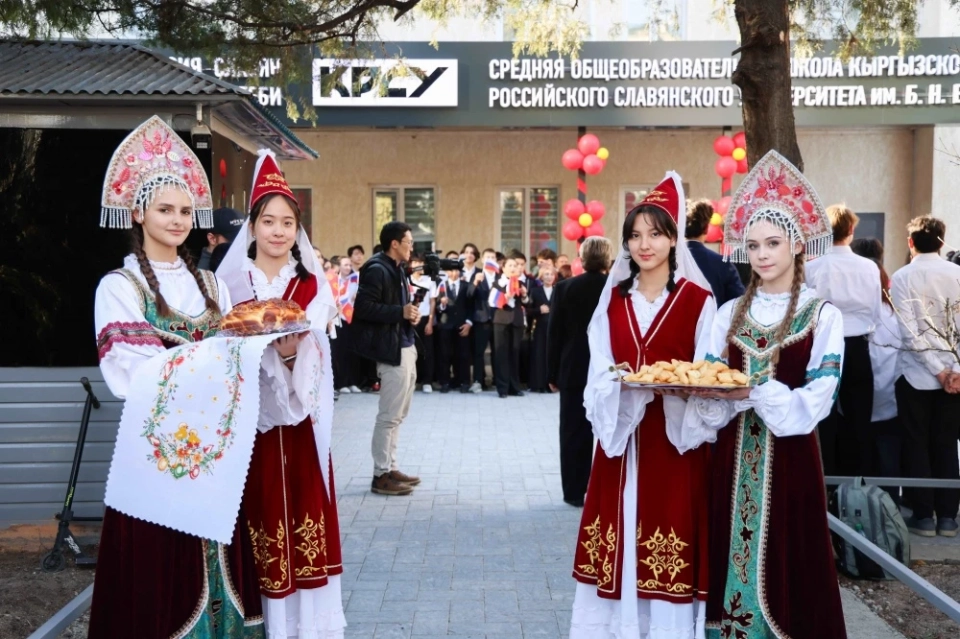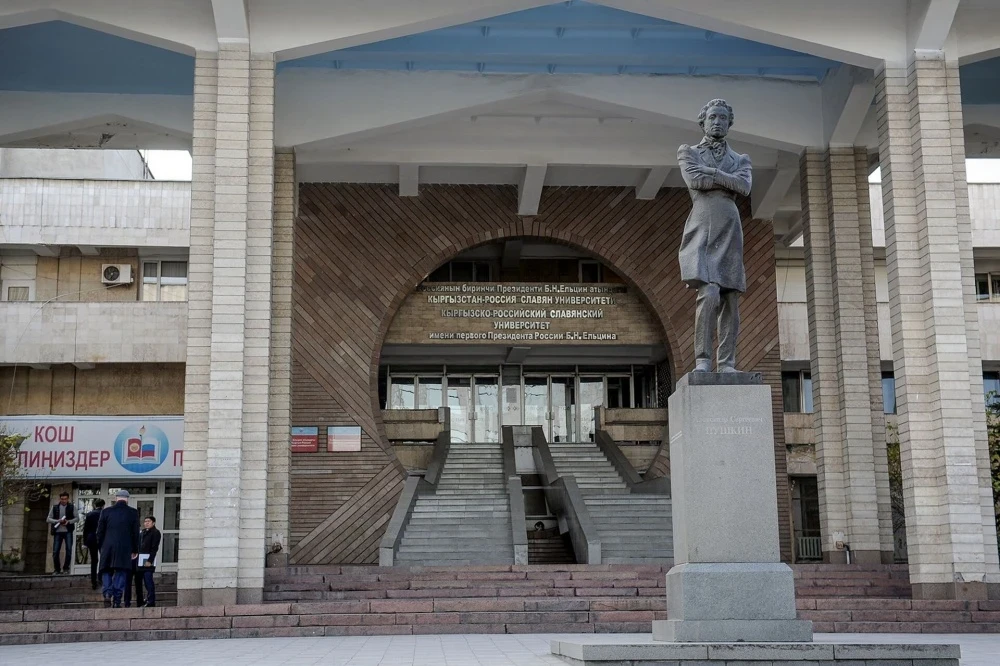
In addition, an important milestone was the opening of the KRSU School after a major renovation. Currently, it accommodates 564 students and is integrated into a unified educational trajectory "school - vocational education - university," which allows for the formation of a sustainable model for workforce training.
Also, in 2025, a Board of Trustees was established at the university, and an endowment fund was opened, marking an important step towards ensuring long-term financial stability. At the same time, the network of partnerships was expanded, new educational programs, scientific initiatives, and youth projects were developed.
Land Issue: The Foundation for the New Campus
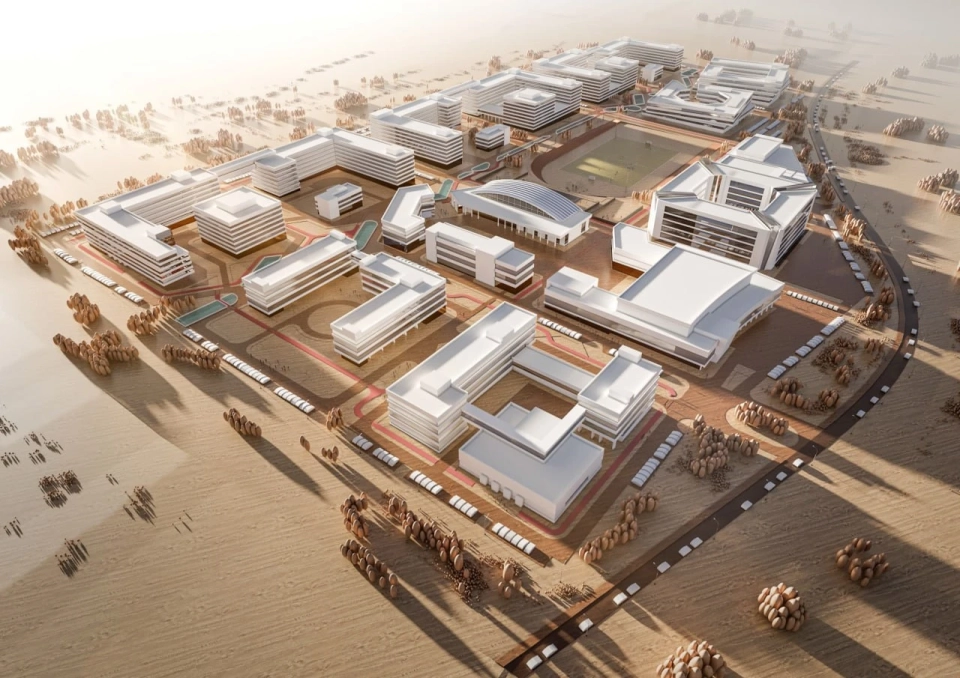
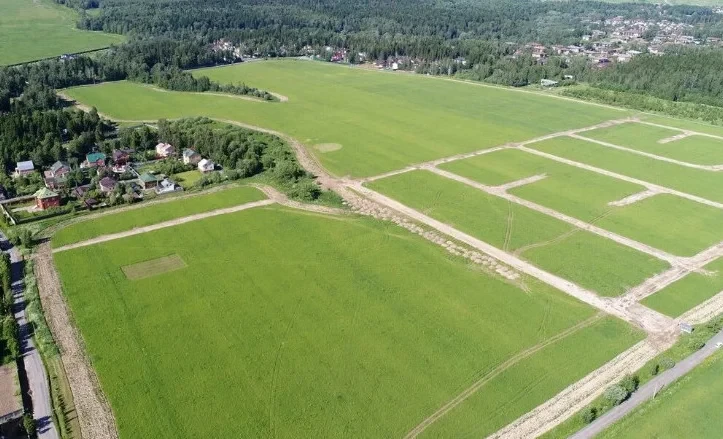
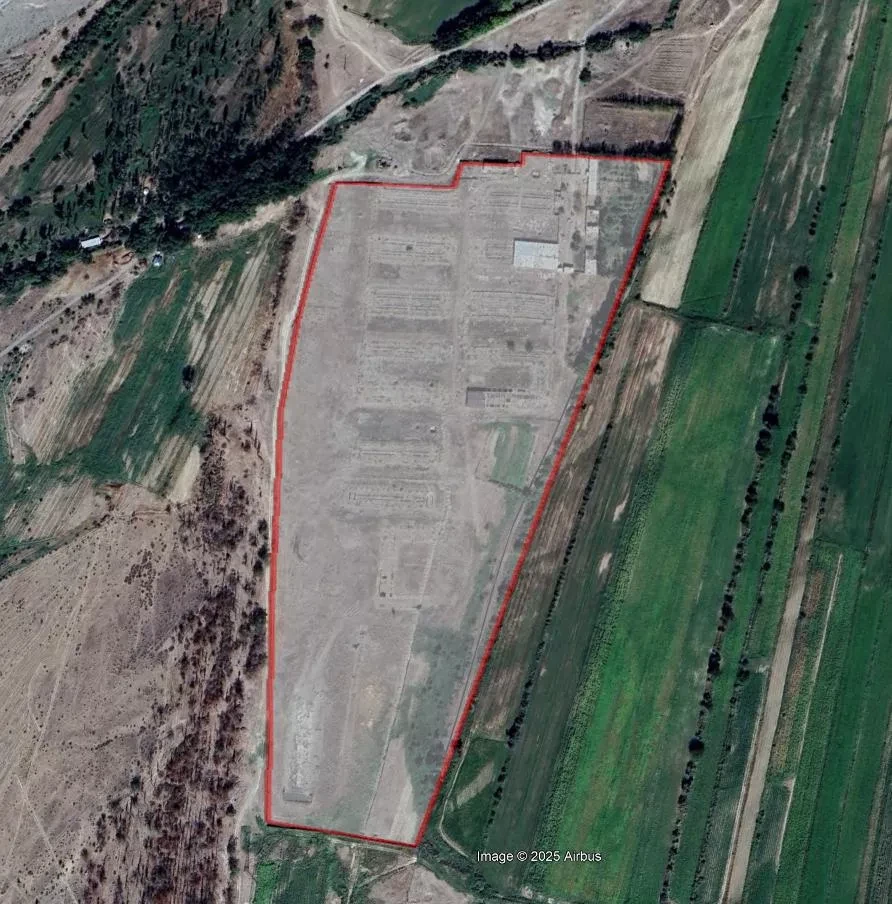
The development of the new campus project began with decisions from the government. The Cabinet of Ministers of the Kyrgyz Republic approved the transformation of a land plot in the Alamudun district of the Chui region for the construction of the campus. The plot, located in the rural district of Baytik Baatyr, occupies 27.82 hectares.
The land was reclassified from agricultural land to land for settlements. Of this, 25.38 hectares are state-owned, and 2.44 hectares are privately owned. This decision was made under the current legislation as an exception for a strategic state project.
The resolution outlines commitments to terminate third-party rights, bring cadastral documents into compliance, and adhere to urban planning, sanitary, environmental, and seismic standards. Special attention is drawn to the need to preserve soil fertility, compensate for agricultural production losses, protect cultural heritage sites, and ensure the mandatory participation of an archaeologist in the earthworks process.
"Teamwork as the Basis for Success"
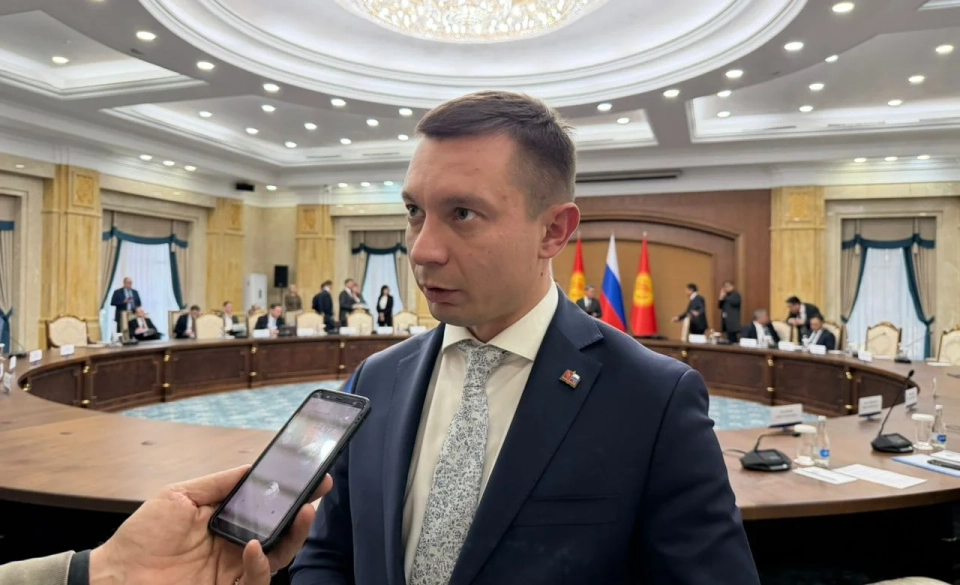
The rector of KRSU, Sergey Volkov, summarizes the year, noting that the main achievement lies not only in significant infrastructure changes but also in the internal transformation of processes.
According to him, a model of teamwork has been established at the university, allowing students to propose ideas that then go through a complete cycle — from design to implementation. This approach has helped shift from fragmented solutions to the creation of well-thought-out educational and public spaces.
Throughout 2025, the university focused on the most challenging aspects of infrastructure — engineering networks and heating, electricity, and cooling systems. This "invisible" part, as emphasized by the university leadership, is the foundation for further large-scale changes.
Education, Partnerships, and Social Initiatives
The year was also filled with events in the field of education. KRSU expanded its cooperation with businesses and leading universities, focusing on practical roadmaps with measurable results rather than formal agreements. This provided students with opportunities to participate in paid internships and study abroad.

The university is also implementing a comprehensive program to support young teachers, which includes mechanisms for assistance with initial mortgage payments and the development of social infrastructure, including plans to open a kindergarten. The system of social support for employees and non-working pensioners includes compensation and wellness programs.
Plans for 2026
For the next year, the main priorities will be bringing at least 50% of the infrastructure to regulatory standards, increasing the demand for educational programs, and boosting scientific income. The university intends to more actively attract teachers from both the regions and abroad, which will enhance its competitiveness.
According to the rector, it is more important not just to renovate buildings or launch new projects, but to build a sustainable development system focused on the needs of students, teachers, and the economy. He considers the preservation of teamwork and trusting relationships within the team to be the most important conditions for the university's further growth.