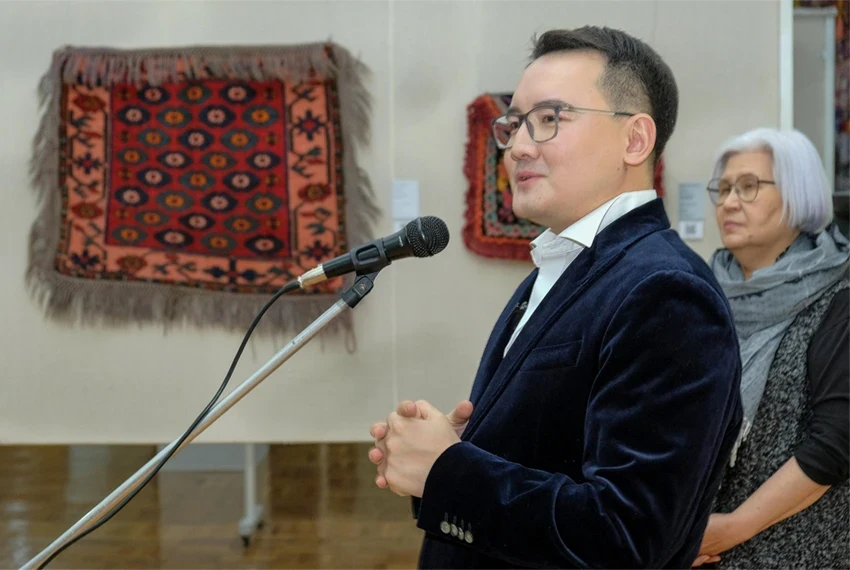
In this important initiative, the private sector plays a significant role, and one of the leading players is Freedom Holding Corp., founded by entrepreneur Timur Turlov. He has repeatedly emphasized that technology should serve people, not the interests of a narrow circle of specialists. Turlov stresses the need for long-term infrastructure solutions rather than short-term trendy fads.
Create, Not Copy
Previously, digital projects in Kazakhstan often relied on borrowing foreign experience, but there is now a shift towards unique solutions. Timur Turlov asserts that the race for the number of platforms and figures is losing its meaning — it is more important to implement meaningful changes. This means not just launching numerous services but developing them in a way that addresses real problems for people and is user-friendly.
He constantly reiterates that technology should serve people. At Freedom, products are being developed that assist in everyday life, whether in finance, education, or business.
AI as the Foundation of Future Infrastructure
One of Freedom's most ambitious initiatives is the establishment of an artificial intelligence center in Kazakhstan, created in collaboration with NVIDIA and supported by government structures. The estimated cost of the project is around 2 billion dollars, and its resources will be used to train large AI models within the country.
This center is not just a data center; it is an attempt to create a local AI node for the region. With its help, Kazakhstan will be able to reduce its dependence on foreign cloud services and server farms. Additionally, laboratories and educational institutions are planned to be opened near the center to train specialists locally rather than abroad.
AI in Education: Supporting Teachers
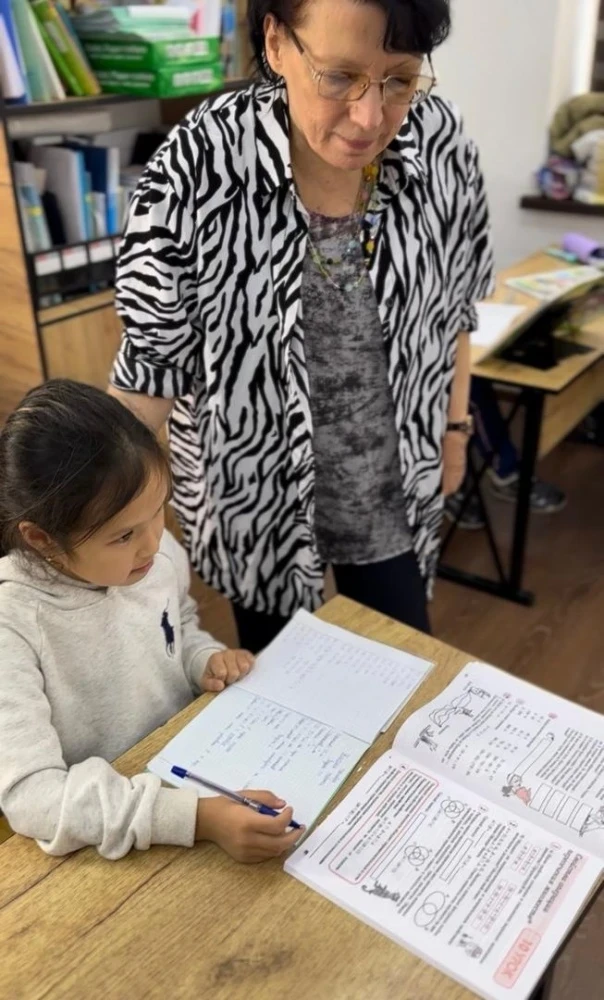
Technology is necessary not only for large corporations but also for ordinary citizens. Based on this, Freedom, together with partners, invests in educational initiatives. One of the main projects has been providing access to ChatGPT Edu for more than 160,000 teachers. This adapted version of AI, designed for educational needs, is offered for free. It allows educators to prepare lessons, create materials, and analyze results, freeing up time for interaction with students.
The core idea is that AI should assist teachers, not replace them. This approach resonates with many educators who note that technology indeed simplifies their work. Timur Turlov emphasizes that the goal is not to implement a trendy tool but to make it useful in real practice.
SuperApp - A Digital Assistant in Everyday Life
If AI supports teachers, then the Freedom SuperApp takes on the functions of digital tools in everyday life. It is not just a banking app or an investment platform; it is a universal space where users can manage finances, purchase tickets, book services, and even invest. According to the latest data, more than 4 million people are already using the app, and the number of transactions is growing to millions monthly.
In this app, Freedom intends to develop personal AI assistants that will not only analyze expenses but also provide personalized recommendations on finances and investments, as well as assist with loans and other issues. Previously, digital products were fragmented functions, but now they are integrated into a single ecosystem where everything is interconnected and functions as a whole.
Technology Without Unnecessary Overload
Timur Turlov has a principle: technology should be so intuitive that users do not even notice how it works. It is enough to simply voice a need, and the system will offer a solution. There is no need to learn numerous buttons and menus — the system will guide the way out.
At the same time, Freedom does not limit itself to financial technologies. The holding's ecosystem encompasses insurance, telecommunications, and lifestyle services, all of which are interconnected. This shows that technology is becoming a tool for solving real problems for people, not an end in itself.
The "Kazakh Dream" - A Reality, Not Just Words
Timur Turlov often speaks about how high-quality products can be created not only in Silicon Valley or New York but also in cities like Astana, Almaty, and Shymkent. He calls this the "Kazakh Dream" — the idea that Kazakhstan can also develop technologies that will be in demand on the international stage.
This concept is rooted in respect for people and the desire to provide them with tools to solve problems, rather than complicating their lives. It reflects both the internal principles of the holding and the strategy on the international stage — to adapt products to different markets considering their specifics, rather than simply exporting ready-made solutions. In this context, Timur Turlov emphasizes the importance of combining technological ambitions with an understanding of the cultural peculiarities of each market.
Conclusion: Digital Sovereignty as a Path to Development
The actions of Freedom, together with government and international partners, are not just trendy words about technology. They represent a commitment to offer Kazakhstan a path where digitalization and artificial intelligence become real tools for people, businesses, and the state.
Investments in infrastructure, education, and everyday digital products create conditions in which the country ceases to be merely a consumer of technology and begins to act as a creator and driving force. The story of Timur Turlov and Freedom is not just about technology but about how it can transform people's lives here and now.