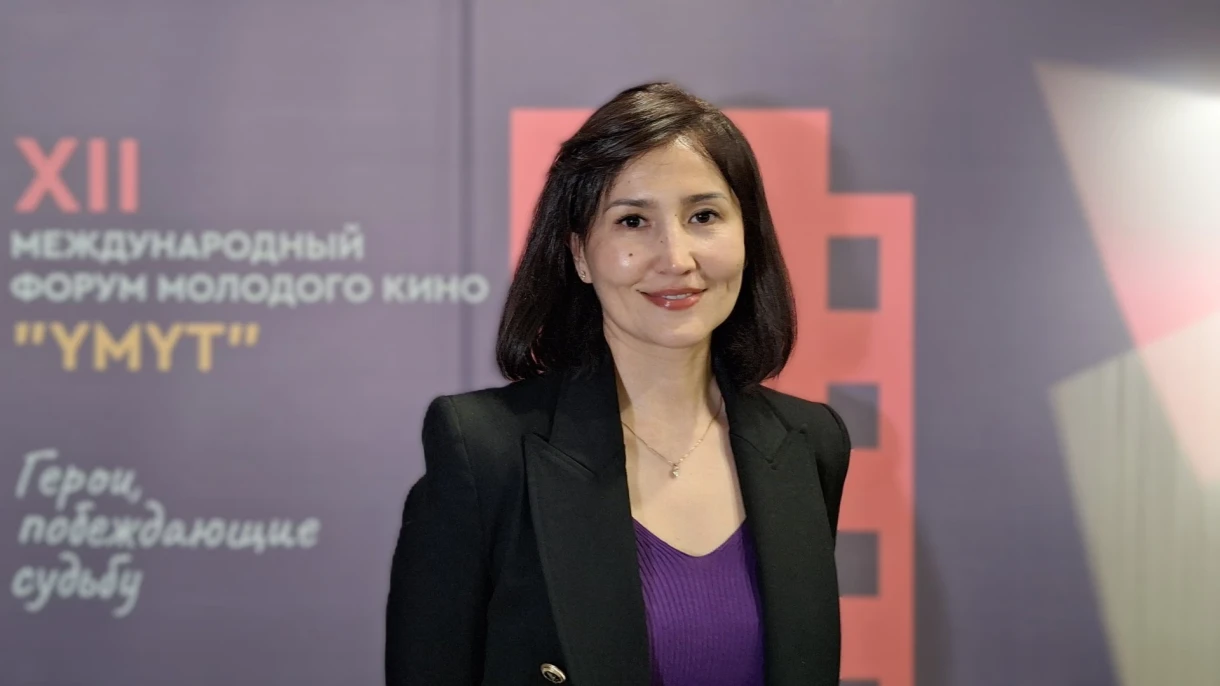
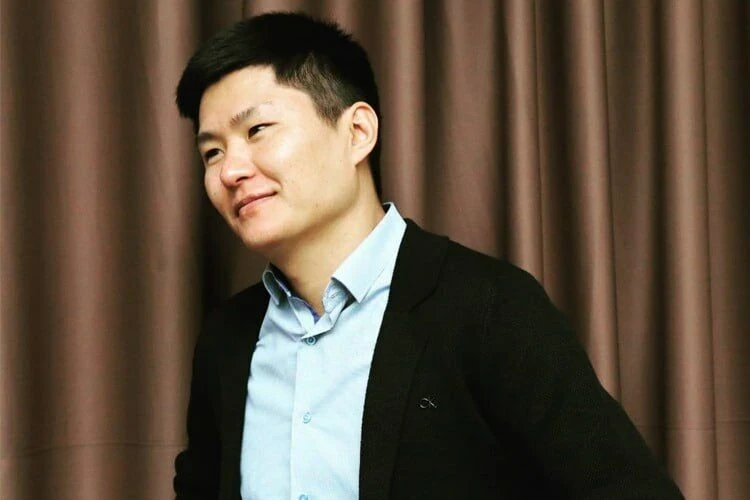
Asel Umarova, producer and executive director of the IV Bishkek Film Festival (BKF), emphasizes that young filmmakers should consider not only the creative aspects of their projects but also how they will be perceived in the professional environment. In an interview, she shares advice for emerging authors, discusses their common mistakes, and how to maintain the originality of their projects.
The loss of an author's voice occurs not because of strategy, but due to uncertainty. When a director clearly understands what they want to convey and to whom, the strategy becomes a logical continuation of their idea. The viability of a film is determined not only by its financial success but also by whether it can find its audience and take a worthy place in the industry.

– What are the current conditions for debut films in Central Asia?
- Our region is currently experiencing stages of growth. Interest in our stories is increasing, and films are becoming more visible on the international stage. However, we lack infrastructure such as reliable distribution channels, approaches to project development, and stable funding sources. We are in the process of market formation, which creates both challenges and opportunities.
Participation in festivals and forums is critically important for young authors; such events allow them to establish connections, meet like-minded individuals, and gain new knowledge for their future projects.
– What is the benefit of festivals for emerging filmmakers?
- Festivals are not just film screenings. They are also an opportunity to enter the professional environment. They promote visibility, create connections, and open access to experts and potential partners. Industry platforms are especially useful, where authors can think strategically about their projects, receive feedback, refine their ideas, and better understand the market. This is an important stage in project development.
– What is the significance of professional meetings and pitchings?
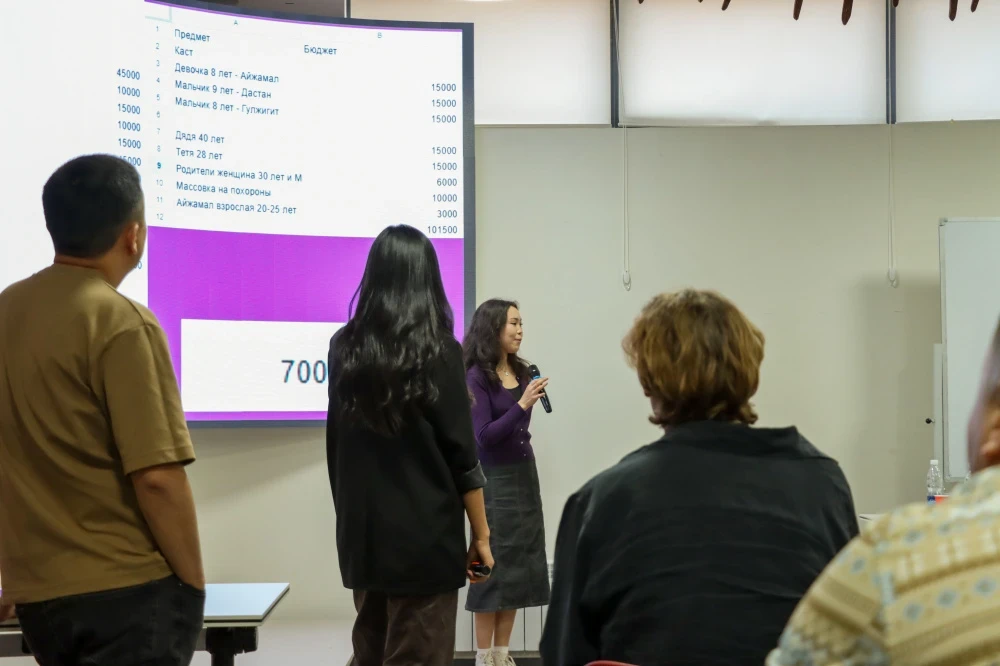
- Pitching is not just a competition; it is a tool for clearly articulating an idea. When an author can clearly present their project and its significance, they better understand its essence. Such formats often lead to partnerships, co-productions, and interest from producers or platforms. It serves as a bridge between the emerging author and the world of cinema.
– What changes have occurred in industry demands in recent years?
- The industry has become more pragmatic. There is now a search for strong local stories that have a universal appeal, as well as projects with a clear audience and teams ready to see them through to successful completion. Creativity is important, but so is the ability to manage the process.
– What main advice would you give to young directors?
- It is necessary to think not only about the film but also about your career as a whole. Each project is a step forward. It is important to ask yourself questions about who your audience is, where this film will be shown, and what it can lead to next. You should structure your thoughts and approach, and then success will be inevitable.
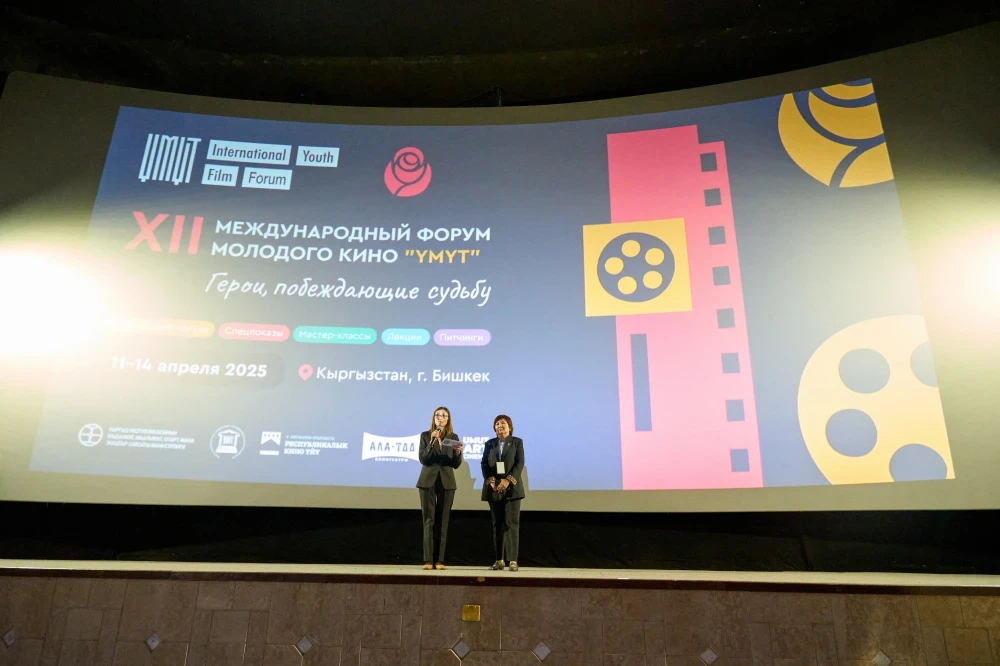
– At the XIII International Forum of Young Cinema "Umут," you will give a presentation on "Idea and Strategy: How to Connect Creativity and the Market." Why is this topic so relevant for young authors?
- In our time, it is not enough to just make a good film. The volume of content is increasing, while viewers' attention is decreasing. An idea alone does not guarantee that a project will reach its audience. Without understanding how the film will exist beyond its completion, it may remain just an event within a narrow professional circle. I often see talented directors who lack a systematic approach—an understanding of what will happen to the project after its completion. This is an indicator of industry maturity and the ability to think not only about the film but also about its future. Connecting idea and strategy from the very beginning helps to create not just a film, but a sustainable presence in the film industry.