The Bishkek Health Strengthening Center has released recommendations for Muslims on proper nutrition during fasting.
Medical experts shared tips on how to maintain health while fasting during daylight hours and during iftar after sunset.
By following simple recommendations, one can significantly improve overall health.
An important aspect is maintaining water balance. It is necessary to drink plenty of water after iftar and during suhoor to avoid dehydration and keep the body in good condition.
It is advisable to avoid foods that contribute to thirst, such as salty snacks, canned goods, pickled dishes, and smoked foods. Instead, it is better to enrich the diet with fruits and vegetables that help replenish fluids.
Doctors recommend starting iftar gradually. A sudden transition to abundant food after prolonged fasting can negatively affect digestion and cause stomach discomfort. It is best to start with water, dates, and light foods such as soup or salad, and then move on to the main dish.
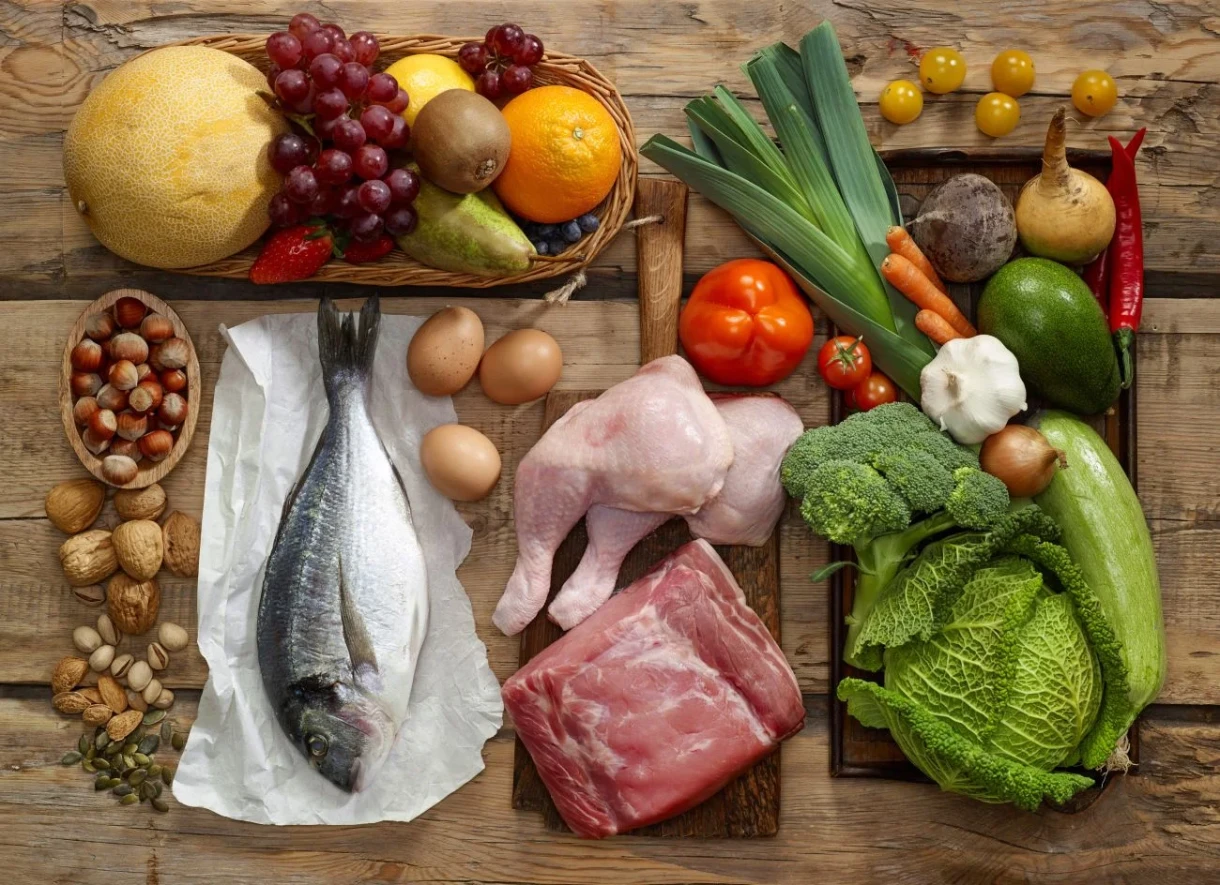
Balanced nutrition also plays a key role. The diet should include all major food groups: proteins, vegetables, grains, fruits, and healthy oils.
It is important to reduce the amount of sweets, as excess sugar can lead to bloating and worsen digestion, as well as cause sharp fluctuations in blood glucose levels. Instead, it is recommended to eat dates, dried fruits, and candied fruits.
Experts believe that the optimal eating schedule during Ramadan includes three meals: iftar, a light snack, and suhoor. Iftar should not turn into a continuous meal from evening until morning.
Adelya Klycheva