Photo from the internet. How to Get Back on Track After the New Year?
24.kg reached out to cardiologist Samara Sulaymanova for recommendations on how to return to an active life without much effort and harm to health.
According to the specialist, many underestimate the consequences that a routine of going to bed late, overeating, moving little, and experiencing emotional tension for several days in a row can have on health. It is important to gradually restore the usual rhythm to give the body a chance to adapt.
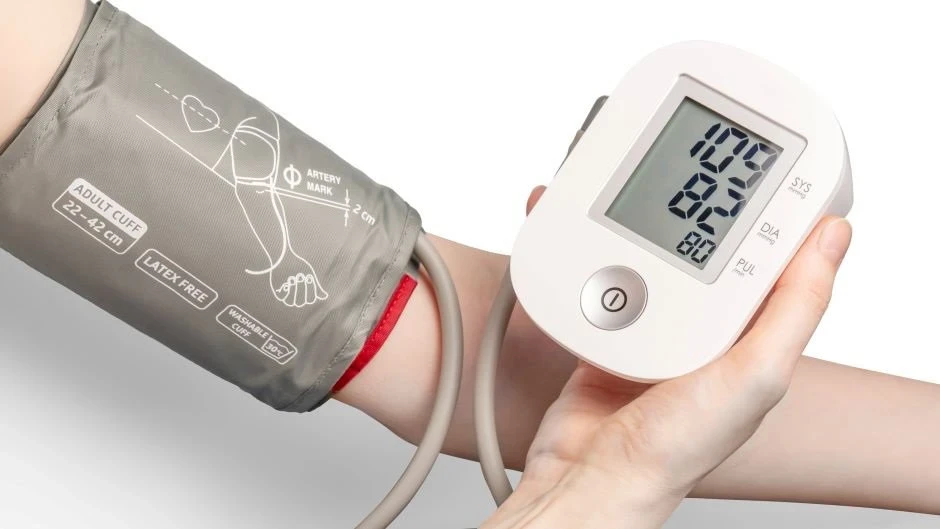
First, attention should be paid to sleep patterns. Disruptions in this aspect often lead to lethargy, irritability, and even problems with blood pressure.
The doctor advises sticking to the same time for going to bed and waking up, avoiding heavy meals at night, and ensuring proper ventilation of the room before sleep.
“At first, it may be difficult to fall asleep,” she notes, “but the nervous system will quickly adjust, and within a few days the body will begin to recover.”
Additionally, the specialist emphasizes the importance of physical activity. A sudden shift to intense workouts after the holidays is not recommended. It’s better to start with light activities like calm walks or morning warm-ups and stretches. This will help activate the muscles and boost metabolism.
Moderate walking is particularly beneficial—it is suitable for people of all ages and is recommended for those with cardiovascular and endocrine diseases.
The doctor also advises paying attention to nutrition. In her opinion, drastic diets after the holidays are one of the common mistakes. The body is already under stress from the change in routine, and strict restrictions will only worsen the situation. Instead, it is recommended to drink more warm water, reduce the intake of fried and fatty foods, and temporarily exclude alcohol.
Include more vegetables, fruits, cereals, and lean protein in your diet—this will help gradually restore the functioning of the gastrointestinal tract.
Samara Sulaymanova also warns against getting carried away with trendy “detox programs”: “Fasting days can only be beneficial for those who approach this issue with regard to their health.”
She adds that experiments with nutrition are best discussed with a doctor, especially for people with chronic diseases.
And most importantly—pay close attention to the signals from your body.
In the doctor's opinion, January is a great time to slowly return to a healthy lifestyle: restore sleep patterns, improve nutrition, and add physical activity.
“Holidays are a true joy,” she says. “But it is much more important how we take care of ourselves afterward. A proper routine in the first weeks of January can set a positive tone for the entire year.”