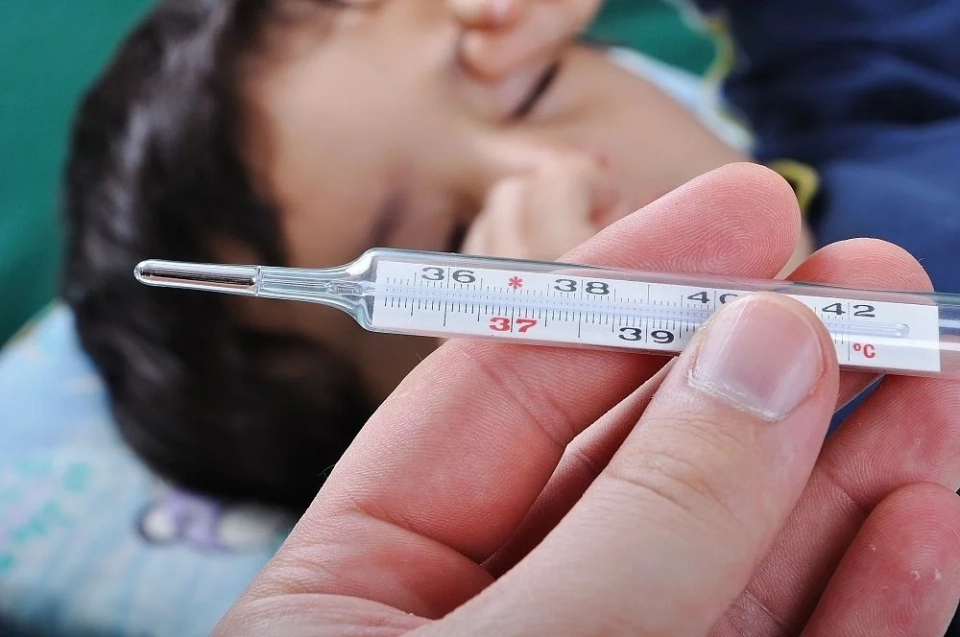
In Kyrgyzstan, there is an increase in cases of ARVI and influenza, which particularly affects children. In conditions of elevated temperature and poor health, many parents strive to give their child various medications and vitamins in hopes of a quick recovery. However, not all of these remedies prove to be beneficial.
A pediatrician at Health Center No. 8, Zarina Damirova, explained in an interview with the "Kabar" agency when antiviral medications, antibiotics, and vitamins are truly necessary.
According to her, most antiviral agents available in pharmacies do not show adequate effectiveness.
“In 90% of cases, antiviral medications do not yield results. I strongly recommend that parents instead purchase a kilogram of meat or fresh fruits, which will bring much more benefit. The main treatment is rest, plenty of fluids, and comfortable humid air. Antiviral medications are prescribed only for strict indications and in confirmed cases of influenza,” the doctor noted.
Antibiotics, according to Damirova, should not be taken “just in case.” They are prescribed only in the presence of bacterial complications, such as otitis, pneumonia, sinusitis, or bacterial tonsillitis, and only after consulting a doctor.
“Antibiotics are ineffective for regular ARVI and can be harmful,” she added.
The specialist also spoke about vitamins. Their prescription is possible only in the case of established deficiency or insufficient nutrition.
“First, it is necessary to take tests, and only in the presence of deficiency do we select the appropriate medications. Many parents are looking for 'magic' vitamins to ensure their child does not get sick or eats better. But such remedies do not exist. What matters is a variety of nutrition, regular walks in the fresh air, ventilation, and hardening. Sometimes giving a child ice cream is also part of hardening,” the pediatrician explained.
According to her, multivitamins are prescribed very rarely, as a large number of components in one preparation can hinder their absorption. Immunomodulators are also not recommended for use without clear indications.
In response to a question about vitamins D3, C, and iodine-containing preparations, Damirova noted that vitamin C and D3 can be taken in preventive doses and without tests. Other vitamins and iodine-containing preparations should only be used after appropriate tests are conducted.
“Unfortunately, many parents give their children multivitamins and polyvitamins without supervision. Excess vitamins can be harmful and even toxic. Even vitamin D3 is calculated strictly based on age,” she emphasized.