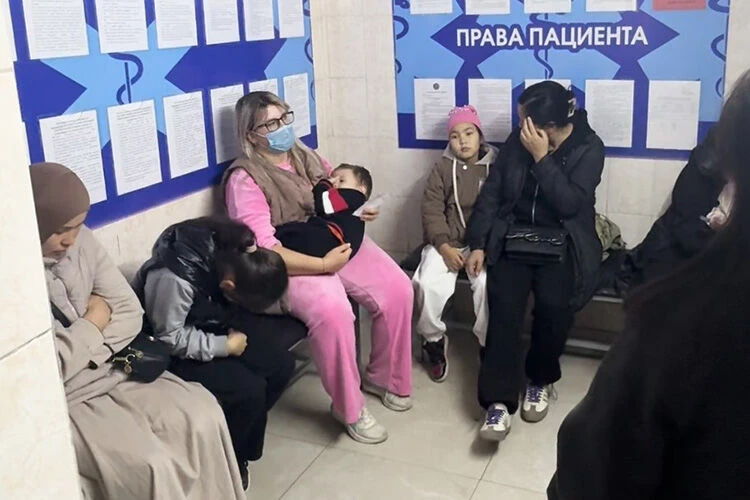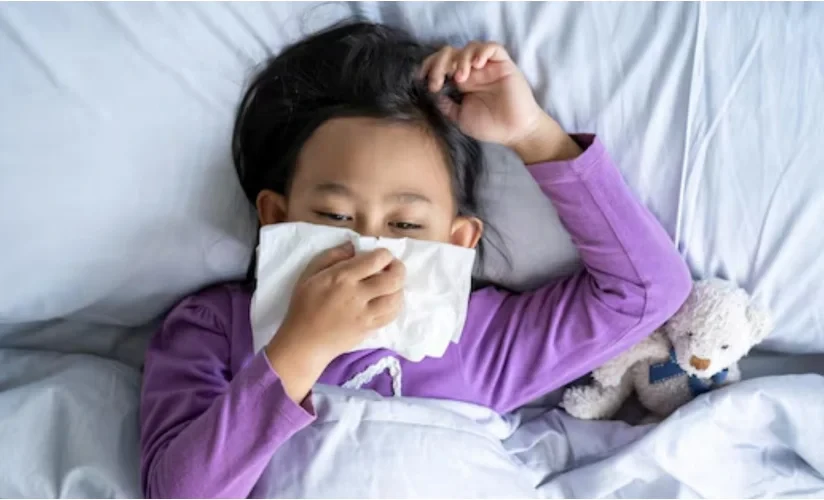
In Kyrgyzstan, there is a growing incidence of flu and ARVI, especially among children, who remain the most vulnerable during this period. In an interview with the "Kabar" agency, pediatrician Zarina Damirova from the Central Medical Center No. 8 explained how to identify these infections at early stages and why self-medication should be avoided.
According to Damirova, flu manifests suddenly: the temperature can reach 39-40 degrees Celsius, accompanied by severe chills, body aches, and pronounced weakness. In contrast, ARVI develops gradually — first, a runny nose, a scratchy throat, and moderate fever appear. A doctor's examination is necessary for an accurate diagnosis.
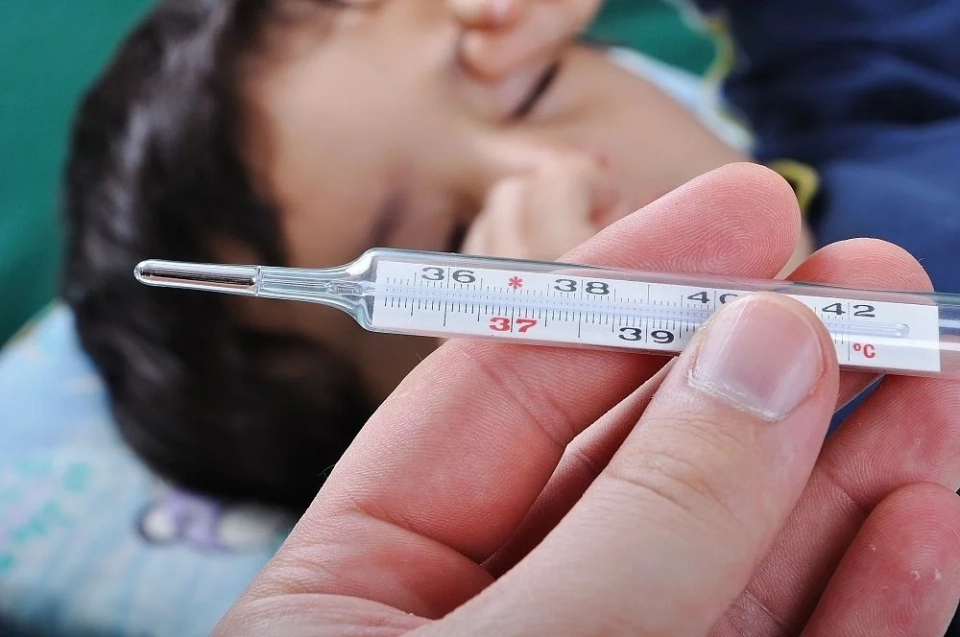
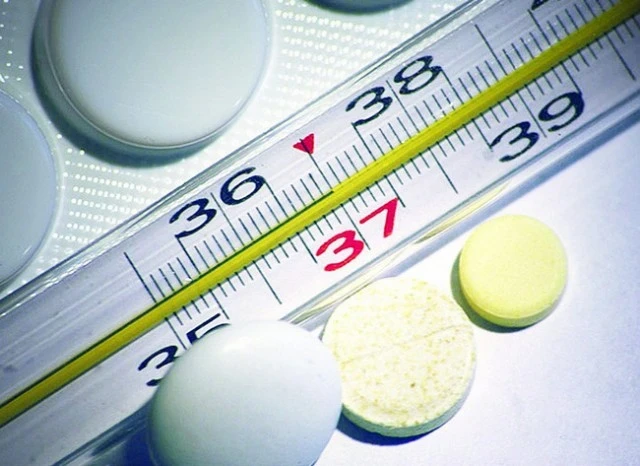
The pediatrician noted that one of the common mistakes parents make is panicking when the temperature exceeds 39 degrees. "Some start giving excessively large doses of paracetamol or do so too frequently. As a result, the temperature can drop to dangerous levels — 34-35 degrees," explained Damirova.
Parents sometimes prescribe intramuscular antibiotics for their children, which is an unacceptable and dangerous approach.
The doctor emphasized that during treatment, it is essential to maintain proper hydration, regularly ventilate the room, and keep the air cool and humid. Temperature should be assessed not only by numbers but also by the child's condition. "Some children remain active at 39 degrees, while others may feel unwell even at 38. Antipyretic medications should be given strictly in the correct doses and at the necessary intervals," added the specialist.
Damirova also warned against giving antibiotics "just in case," using alcohol or vinegar to rub the child, performing hot inhalations at high temperatures, and using potent medications without a doctor's prescription. All of this can worsen the child's condition and even lead to seizures.