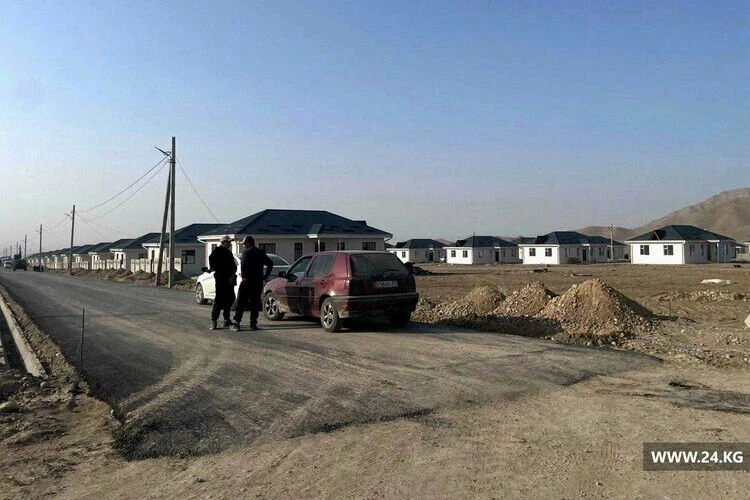
Initially, it was planned that the route would pass through a number of populated areas; however, local residents expressed their protest. As a result, to avoid conflict, it became necessary to bypass a section approximately 3.5 kilometers long.
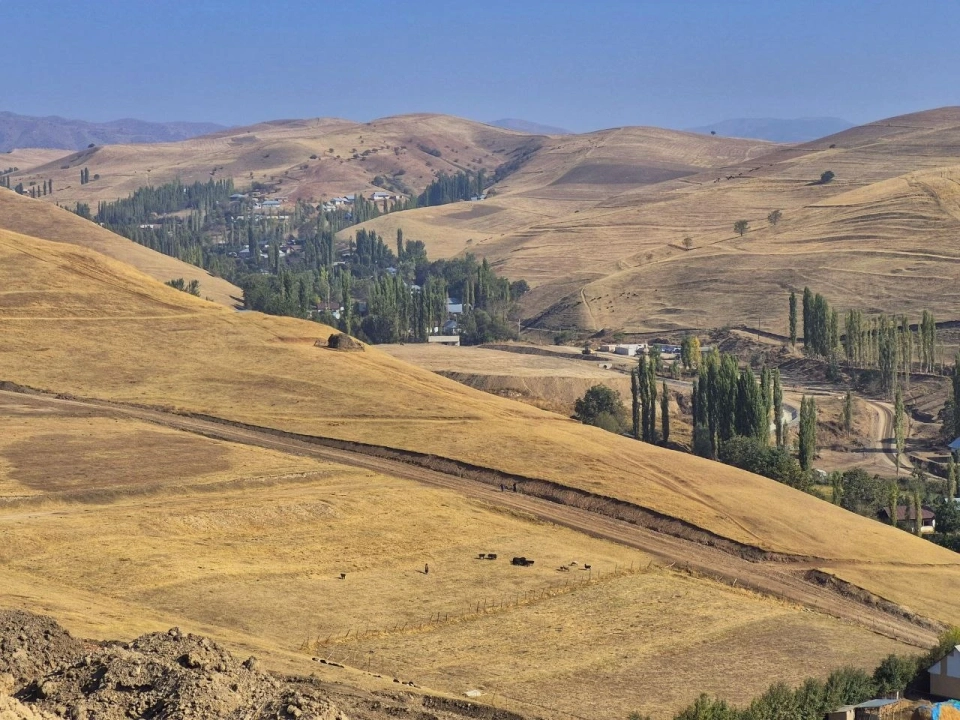
“In the end, up to 10 houses were included in the compensation. We faced many misunderstandings, but thanks to active explanatory work and adherence to sanitary norms in the design, we managed to find common ground with the population. Some areas were challenging due to landslides and rocks, where blasting work was required to lay the foundations. For example, in Suluktu, we laid 15 foundations, but this led to ground shifts, and we had to bypass about 7 kilometers,” Moldokerimov said.
He also emphasized that during the implementation of the project, attention was paid not only to social aspects but also to environmental factors.
“During the environmental survey in the Batken region, rare plant species were discovered along the route — red-listed tulips and acantholimon. This led to the need for transplanting acantholimon and their subsequent care, which became possible thanks to the assistance of the staff of the Academy of Sciences,” he added.
CASA-1000 is a regional project aimed at exporting electricity, connecting the energy systems of Central and South Asia, providing supplies from Kyrgyzstan and Tajikistan to Afghanistan and Pakistan.
The project started in 2016 and aims to transmit 1300 megawatts of excess electricity from the countries of the region to markets with high demand in South Asia through the construction of new energy infrastructure.