The politician cited the case of Hunter Biden as an example
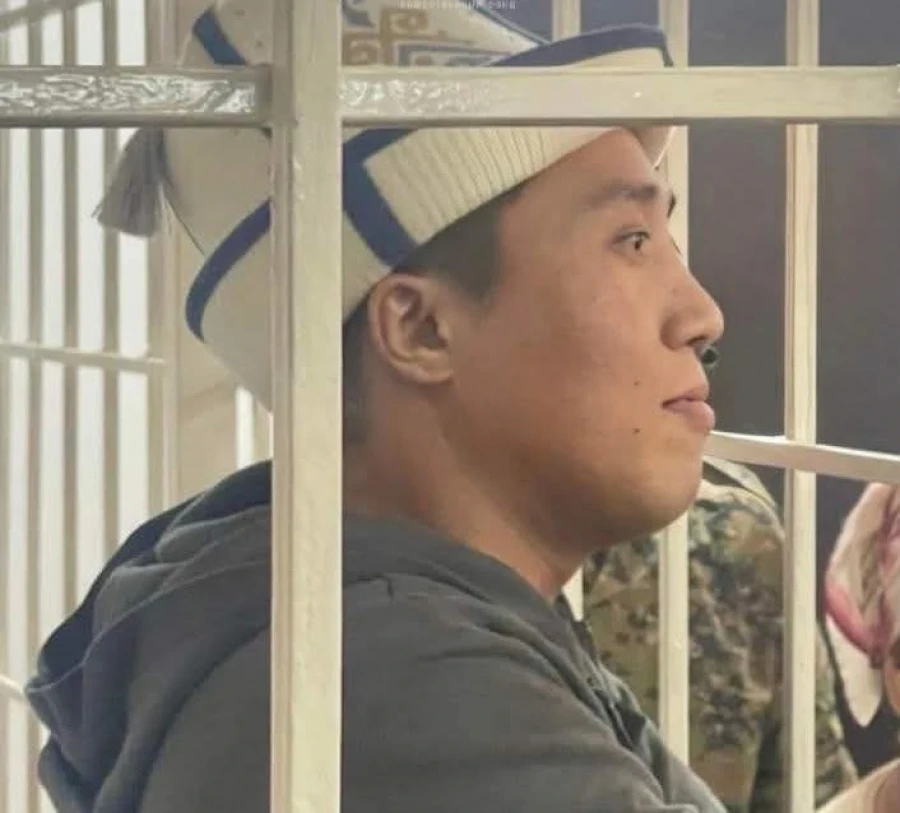
Irina Karamushkina, a former deputy of the Jogorku Kenesh, has appealed to President Sadyr Japarov for clemency.
She is serving her sentence in the women's colony No. 2, located in the village of Stepnoye in the Chui region, where she was transferred in November 2025. Karamushkina was found guilty in a case related to the events in Koi-Tash and voter bribery, and was sentenced to eight years in prison.
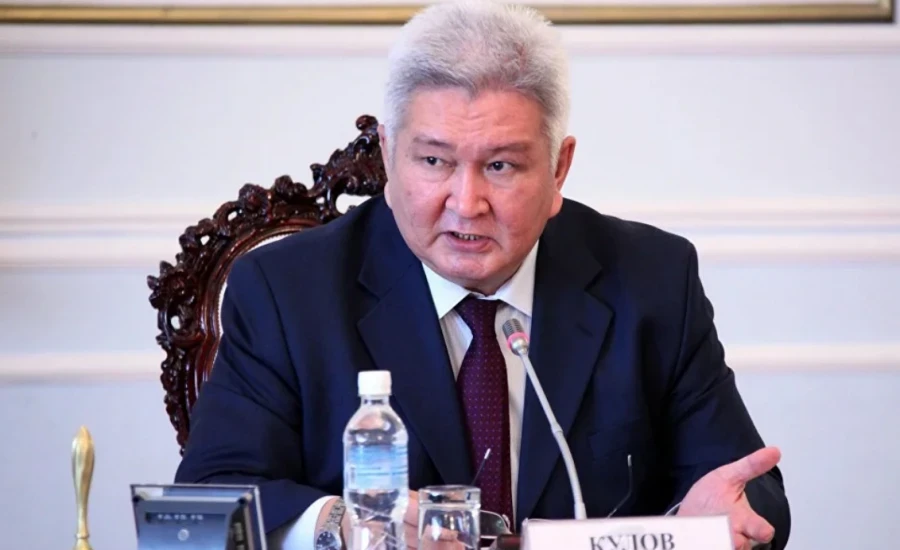
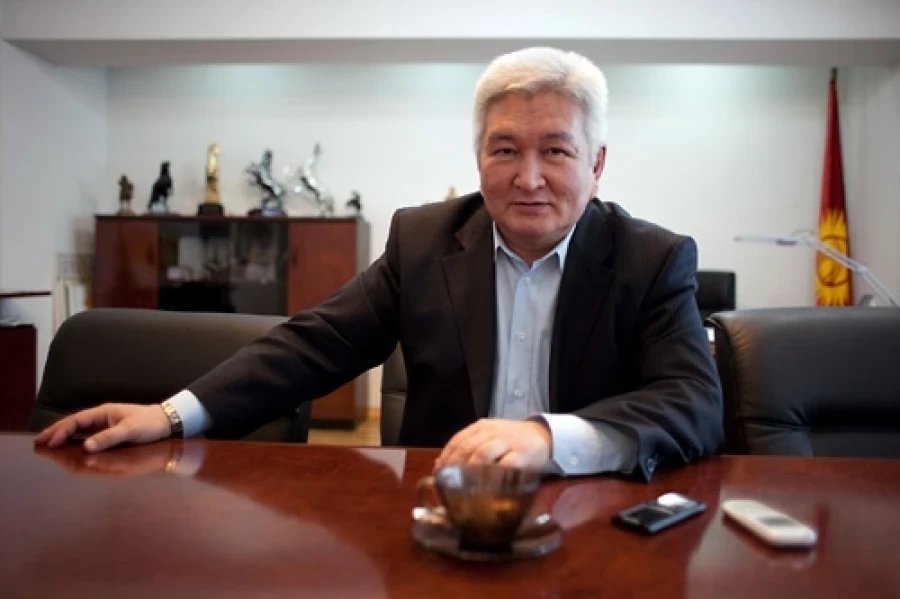
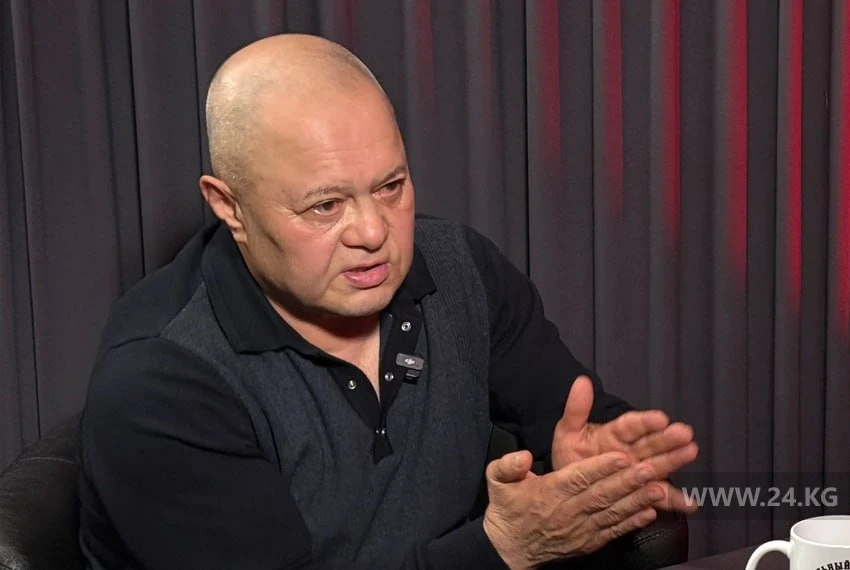
Former Prime Minister Felix Kulov shared his opinion on this matter on his Facebook page.
"In connection with Irina Karamushkina's request for clemency, I was asked to express my opinion. Interestingly, in her appeal, she did not admit guilt, and this became an obstacle to a positive decision," Kulov noted.
He also emphasized that neither the law regulating the clemency process nor Article 94 of the Criminal Code of the Kyrgyz Republic requires mandatory admission of guilt or remorse from the convicted person. The law mentions factors such as health status, severity of the crime, and behavior in the colony, but does not state the necessity of admitting guilt.
Kulov had previously expressed his position on the issue of clemency in December 2024 and reiterated his thoughts:
"Two days ago (December 2, 2024), the President of the United States pardoned his son Hunter Biden, explaining that the legal proceedings against him were 'infected by politics,' and therefore their decisions could not be considered just.
It is noteworthy that the sentences for Hunter Biden were not to be issued before December 12 and 16. Thus, the president made the decision to grant clemency without waiting for the court's decisions.
Nevertheless, Joe Biden acted within the law, as the President of the United States has a right known as 'absolution,' which is part of the broader concept of clemency. For example, Gerald Ford applied absolution to Richard Nixon even before the trial, at the investigation stage of the Watergate case.
In Kyrgyzstan, the situation is somewhat different. According to Article 94 of the Criminal Code of the Kyrgyz Republic, the clemency process is vague and is applied only after the sentence has entered into legal force and after a written appeal from the convicted person to the president.
However, according to paragraph 10 of Article 70 of the Constitution of the Kyrgyz Republic, the president has the right to grant clemency.
“The president: grants clemency.” And that’s it! There are no additional norms!
This provision implies that it has direct effect and does not depend on any laws.
In other words, the president can issue decrees on clemency without waiting for appeals from convicts at any stage of the criminal process.
I emphasize that this constitutional provision takes precedence over Article 94 of the Criminal Code. It can be used at any stage of pre-trial and trial proceedings, including, as in the USA, with the application of absolution.
I raise this issue not by chance. I have already appealed to the president with a proposal to apply absolution to some journalists and politicians even at the investigation stage, as an act of humanity. However, it seems that the legal advisors in his administration did not understand the essence and took no action.
For example, in the case of "Kempir-Abad," it was evident that there were serious problems with the evidence, which was later confirmed by an acquittal. But the right of absolution could have been applied to pardon politicians at the investigation stage. A similar decision could have been made regarding former President Almazbek Atambayev, whose case has been in an uncertain state for over a year.
It is important to note that absolution (clemency) is not a rehabilitative act and does not entail legal consequences. The court will not be able to consider the cases of those pardoned, as challenging the decisions of the president made in accordance with Article 70 of the Constitution is not within the jurisdiction of the judicial authorities.
Nevertheless, a presidential act of clemency removes questions about his personal position and attitude towards the accused individuals. Such a humanitarian step can help reduce tension in society and improve the political atmosphere, as well as lessen negative feedback from international organizations.
Of course, clemency, including absolution, should be applied judiciously, taking into account various factors and individual characteristics of people," Kulov concluded.
photo www