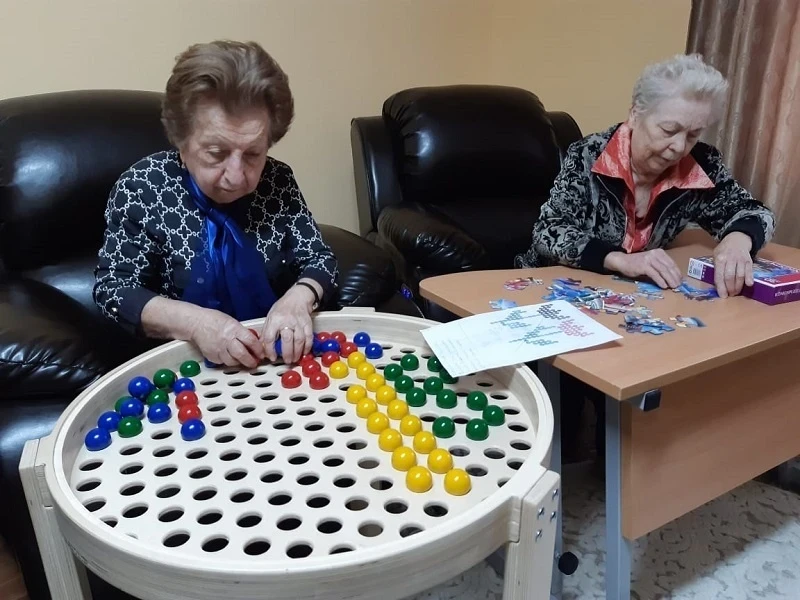
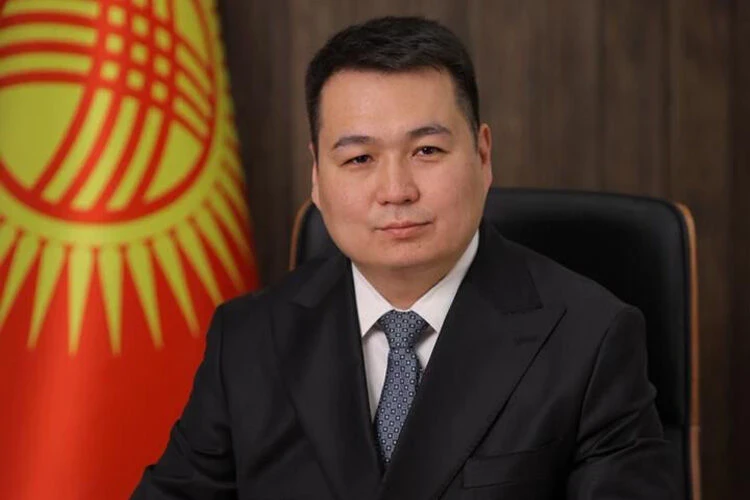
According to the initiator, there is a growing trend of fraudulent schemes involving real estate in the country, where offenders use manipulation, psychological pressure, and deception to force people, especially elderly citizens, to engage in property transactions that may lead to the loss of their rights to it.
Bekeshev emphasizes that particularly concerning are cases where lonely elderly individuals become victims, as their age, health condition, or lack of legal awareness makes them more vulnerable to such actions.The deputy notes that existing laws often do not provide adequate protection and do not allow for timely prevention of housing loss. Restoring rights after fraudulent transactions requires lengthy legal proceedings and can be costly, and it does not always lead to the complete restoration of what was lost.
In this regard, Bekeshev proposes to introduce a mechanism that allows citizens to establish a self-ban on the registration of their real estate. This means that the rights holder will be able to use this option for free to protect their property.
After registering such a self-ban in the Unified State Register, it will serve as the basis for refusing state registration of the transfer of rights, encumbrances, or termination of rights, unless otherwise provided by law.
Thus, the rights holder will have time to analyze their actions and consult with relatives or a lawyer, as well as to identify possible fraud.It should be noted that the self-ban will not prevent registration in the following cases:
- by a court decision that has entered into legal force;
- by the enforcement of a judicial document in cases provided for by the legislation of the Kyrgyz Republic;
- in the case of inheritance of rights;
- in the case of correcting technical errors;
- in other cases clearly provided for by the legislation of the Kyrgyz Republic.