In cases of conflict, breakups, or instances of violence, these women often remain without legal protection. They are not recognized as legal spouses, which makes them vulnerable and fearful of seeking help from law enforcement. Additionally, they face economic dependency and threats, complicating their situation. Issues of domestic violence, property disputes, and the fate of children in such relationships remain in legal uncertainty.
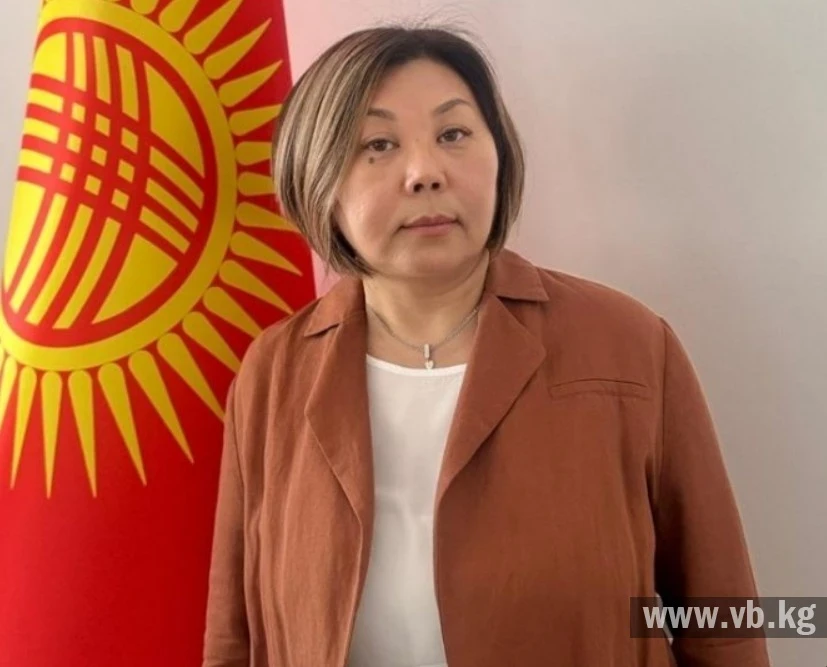
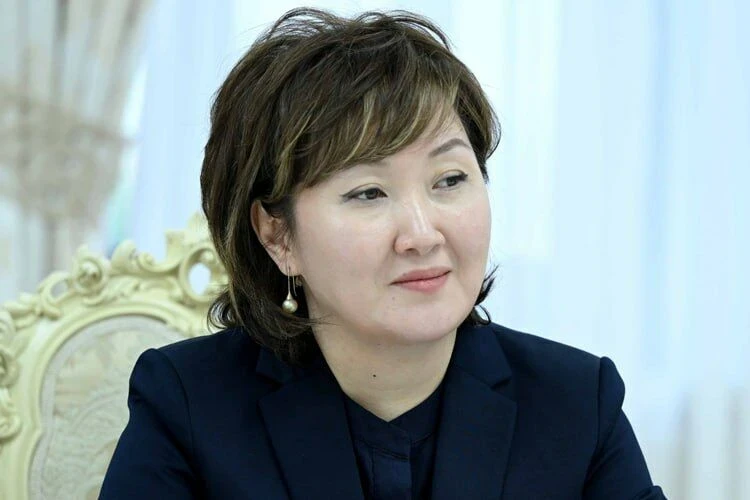
To understand how courts consider the rights of women in unregistered marriages, a correspondent from 24.kg interviewed Gulzat Absatarova, a judge at the Bishkek City Court.
— Gulzat Absatarovna, why have unregistered marriages become such a relevant topic today?
— Yes, de facto marital relationships are becoming an increasingly common practice. People live together, manage a household, and raise children while ignoring the need for legal registration. The problem is that when conflicts arise, many women find that they are effectively unprotected from a legal standpoint. Therefore, raising legal awareness and access to justice remain extremely important.
— Is cohabitation considered equal to a registered marriage from a legal perspective?
— This is a common misconception. According to the family legislation of the Kyrgyz Republic, the rights and obligations of spouses arise only after the state registration of marriage. Even long-term cohabitation with the birth of children does not create joint property and does not grant the rights that official spouses have.
— What property difficulties do women most often face after the breakdown of such relationships?
— First and foremost, they encounter the impossibility of dividing jointly acquired property. A woman is not recognized as a spouse and cannot claim half of the assets. To protect her interests, she will need to prove her contribution to the acquisition of property, which is quite a complicated process. The burden of proof falls on her, significantly complicating the protection of her rights.
— What happens to inheritance if one partner dies?
— This situation is even more critical. A woman in a de facto relationship is not considered a legal heir. She can only claim property if there is a will. If there is no will, all assets pass to legal heirs, leaving the woman without resources, regardless of the duration of cohabitation.
— What are the challenges in obtaining child support?
— If the marriage is not registered and paternity is not established voluntarily, the mother cannot immediately file for child support. First, paternity must be legally established through the court, which requires gathering evidence such as cohabitation, correspondence, and witness testimonies. In some cases, a judicial genetic examination may be required. After that, it is possible to claim child support, highlighting the dependency of the child's legal status on financial support.
— Is there a possibility for a woman to claim alimony for herself while caring for a child?
— No, such a possibility does not exist. Family legislation provides the right to alimony for women caring for children under three years old only to registered spouses. In unregistered relationships, this right is not provided, further emphasizing the vulnerability of women.
— Thus, a woman's contribution to the family often goes unnoticed by the law?
— Unfortunately, yes. Participation in household management, caring for children, and supporting a partner has immense social value, but without official marriage registration, this contribution has no legal force. In a registered marriage, such contributions are considered equal to financial contributions and grant rights to joint property.
— What are the main problems that women in unregistered marriages may face?
— In practice, these include:
— What advice do you have for women in de facto marital relationships?
— First and foremost, it is recommended to register the marriage if the relationship is stable. If this is not possible, it is important to register property in both partners' names and keep documents proving their contribution to its acquisition. It is also advisable to establish paternity regarding children as soon as possible. In case of disputes, it is important not to delay seeking legal assistance.
— Why do you think legal awareness is so important for protecting women's rights?
— Access to justice includes not only the ability to file a lawsuit but also understanding one’s rights and the consequences of one’s actions. Practice shows that women who receive legal consultations have a better chance of protecting their property and alimony rights. Only a combination of legal knowledge, effective judicial protection, and the development of law enforcement practices can ensure real equality in family and property matters.