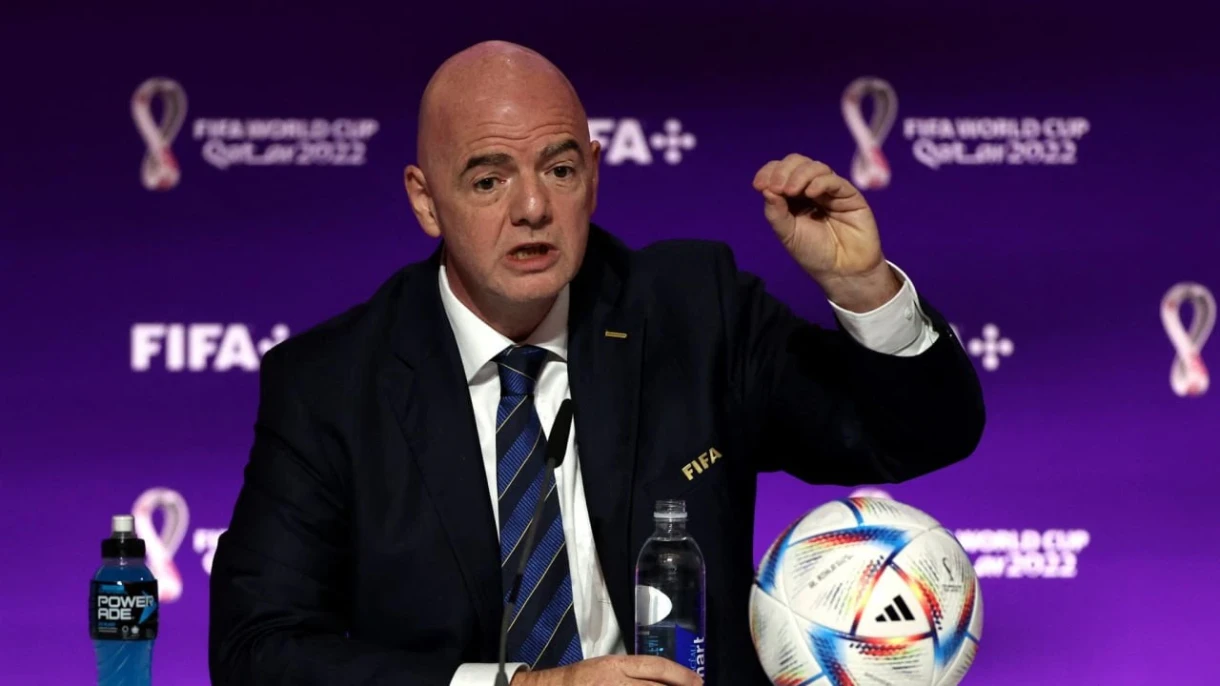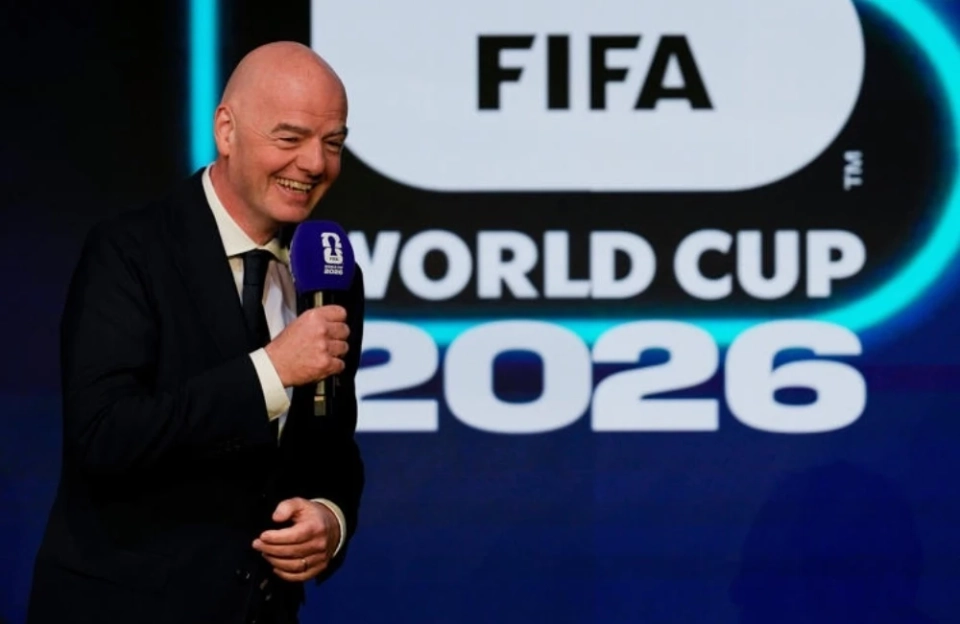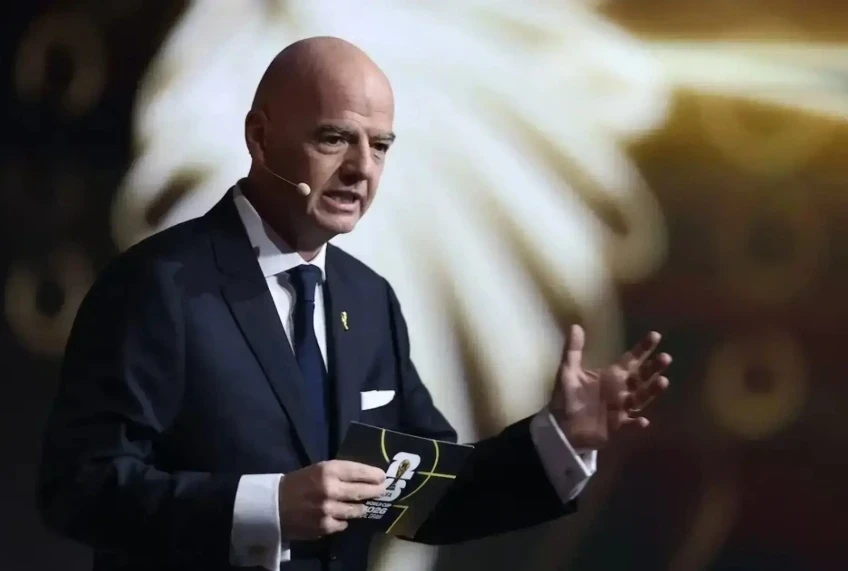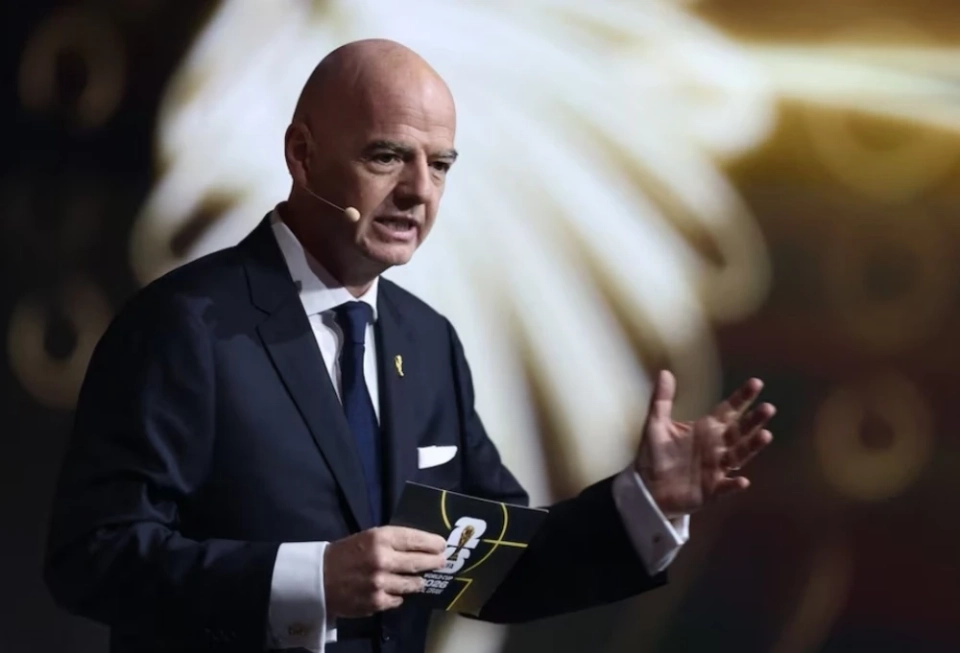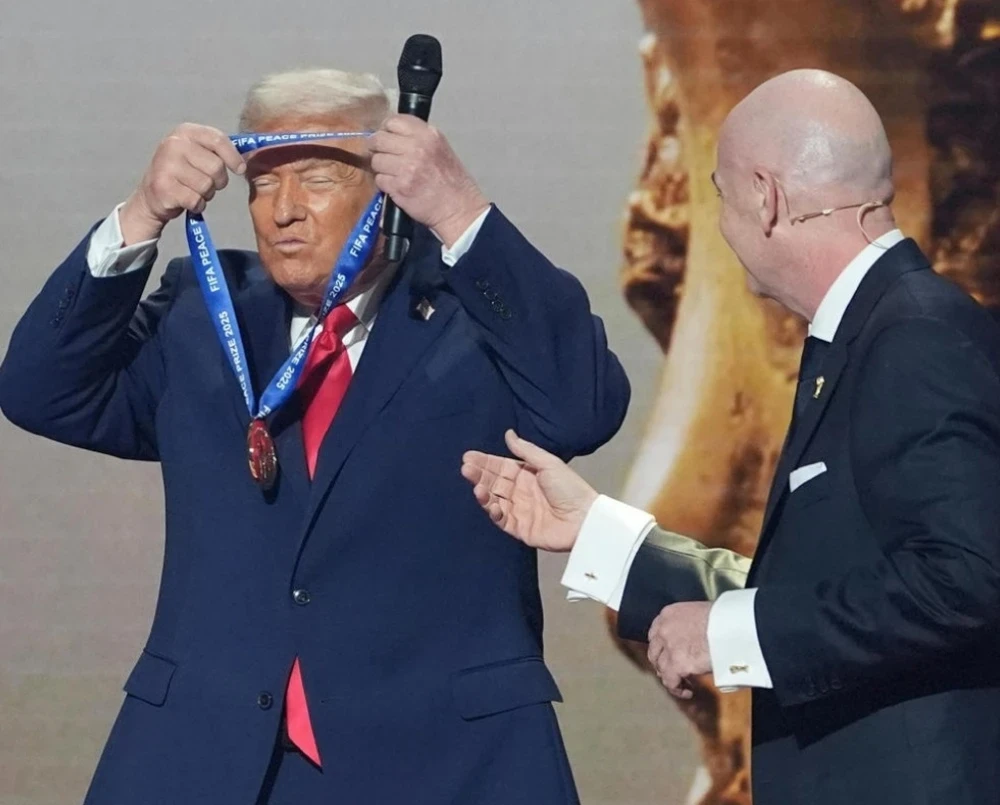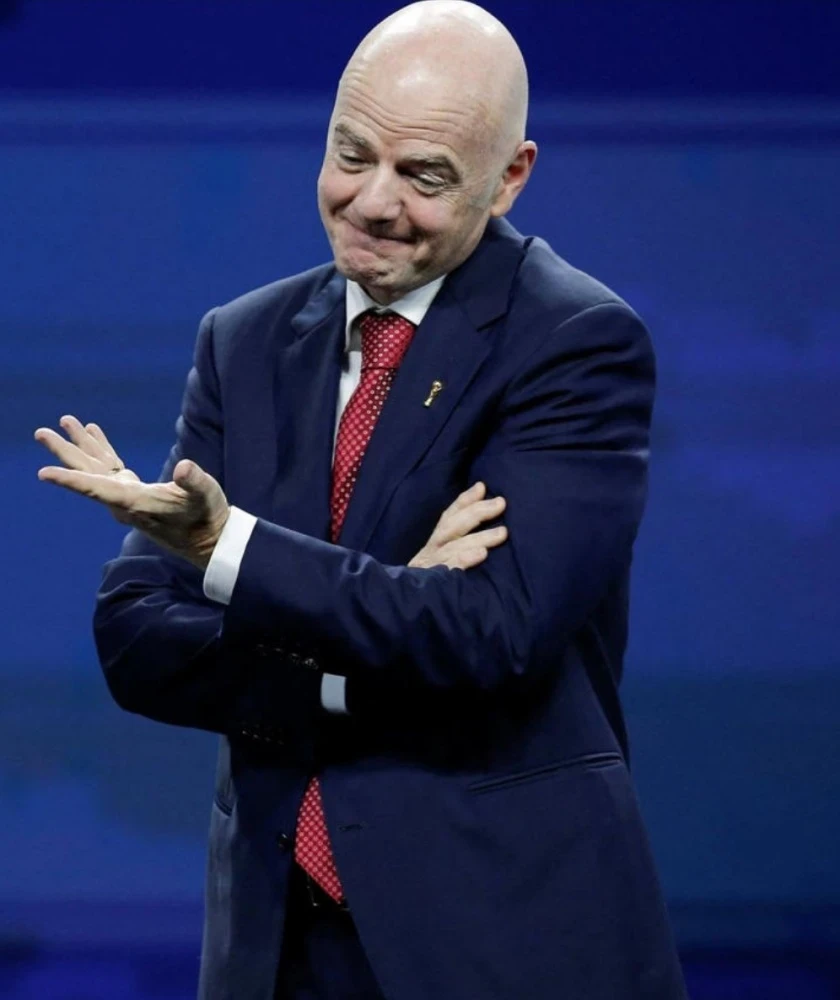
In his recent interview with Sky News, Infantino stated that the sanctions imposed not only failed to achieve the desired results but also contributed to the growth of "disappointment and hatred" within the football community.
The FIFA president emphasized that sports should remain outside of political conflicts. He added that excluding Russia from international competitions did not foster the rapprochement of peoples and did not yield positive results.
Since the imposition of restrictions in February 2022, Russian clubs and national teams have been banned from participating in tournaments organized by FIFA and UEFA. This means that the Russian national team missed the qualifying matches and the final of the 2022 World Cup, and will also be unable to participate in Euro 2024 and the qualification for the 2026 World Cup. The ban also applies to women's and youth teams.
Infantino particularly noted that it is important to allow young footballers to participate in international matches, as this can promote dialogue and strengthen connections between people in Europe. This position has been voiced multiple times by the FIFA president, including at UEFA congresses.
These statements come against the backdrop of the upcoming meeting of the UEFA Executive Committee, which will take place later this month. This body may consider the possibility of returning Russia to the international football context. However, UEFA President Aleksander Čeferin has previously emphasized that the return of Russian teams is only possible after the conflict ends.
Despite the ongoing ban, Russian national teams continue to hold international friendly matches that do not fall under the regulations of FIFA and UEFA.