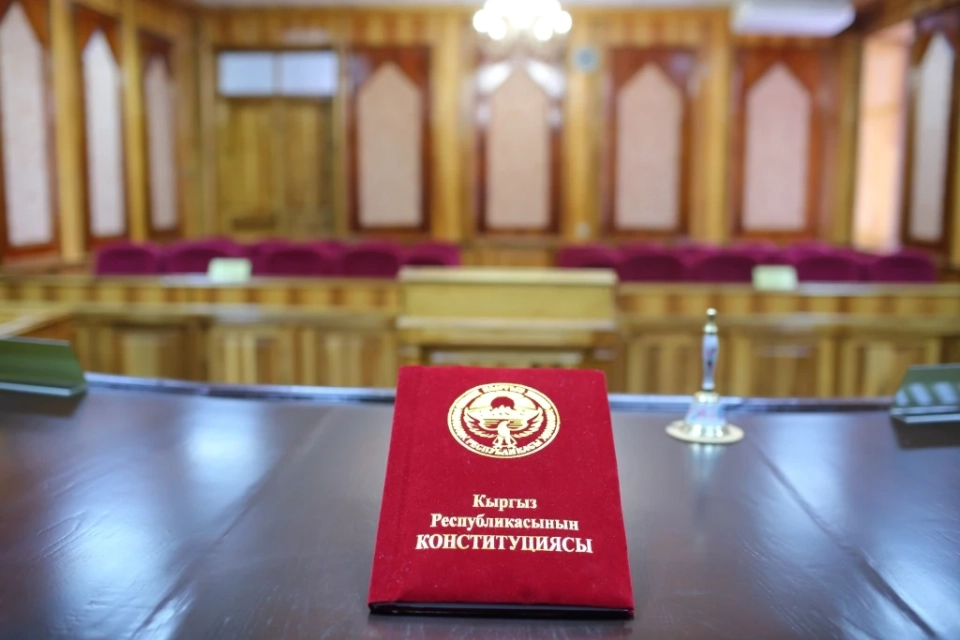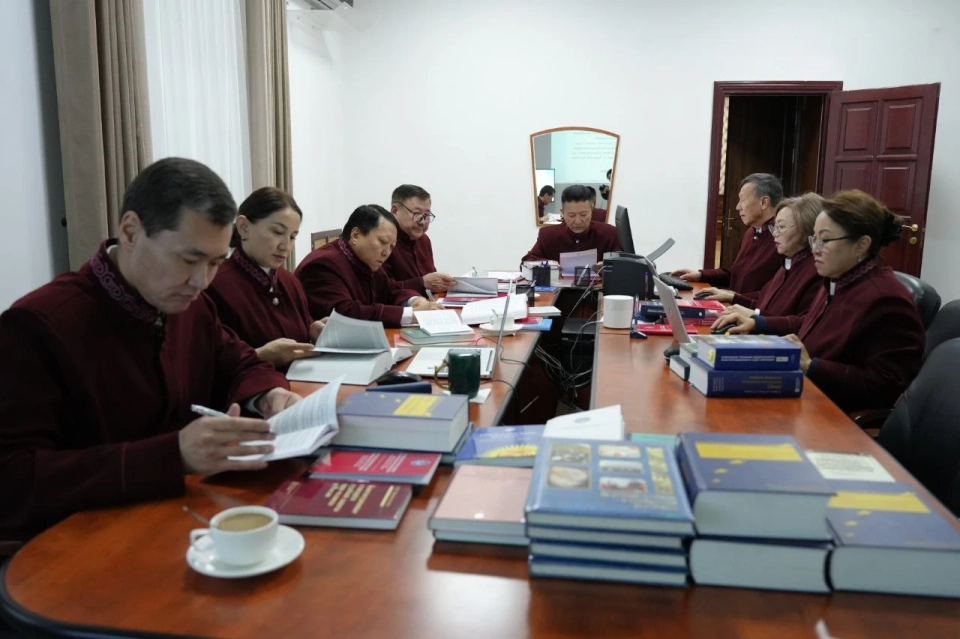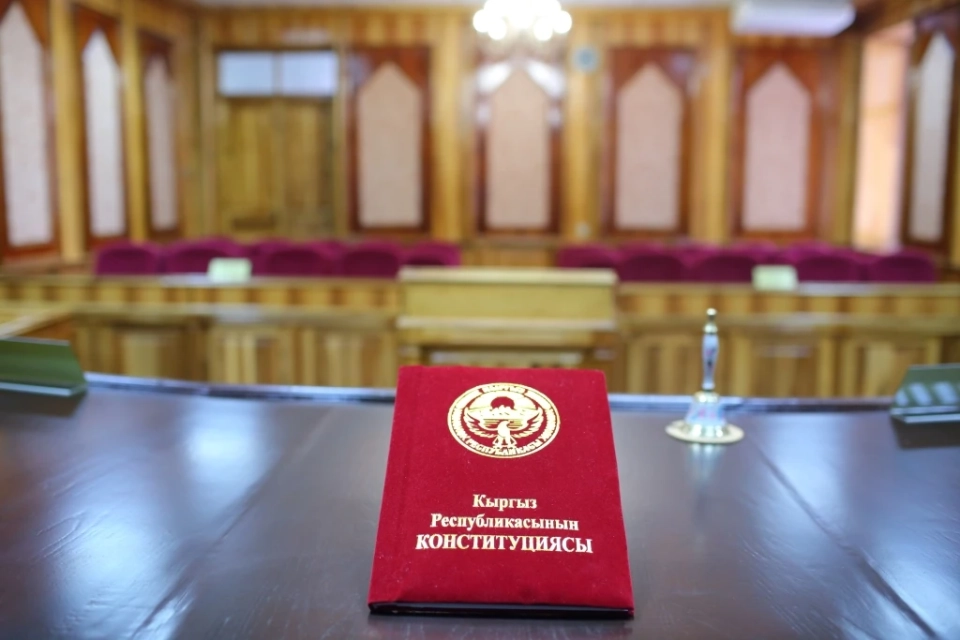
In its decision, the court emphasized the importance of aligning such changes with the Constitution, which should protect human rights and freedoms and uphold democratic principles. The court also highlighted that the amendments must comply with international obligations arising from ratified treaties.
The Constitutional Court stressed that the prohibition of the death penalty and the priority of the right to life hold not only legal but also moral significance. They demonstrate the choice of the people and the state in favor of a legal order that excludes this punishment. The right to life and the ban on the death penalty form the foundations of criminal policy and the justice system.
Restoring the death penalty through constitutional amendments would mean a rejection of these principles, which could lead to a rupture in legal development and a departure from the constitutional choice oriented towards respect for human dignity and the protection of rights.Furthermore, the court noted the international legal significance of this issue. According to the Constitution, international norms and principles are part of the country's legal system, which requires their observance at the national level.
Under the Vienna Convention, states cannot use their domestic laws as an excuse for non-compliance with international obligations, and the termination of treaties is only possible in strictly defined cases. The Second Optional Protocol to the International Covenant on Civil and Political Rights, of which Kyrgyzstan is a part, aims for the final abolition of the death penalty and does not allow for its restoration.
Introducing the death penalty under such obligations would place Kyrgyzstan in the position of a country violating international agreements, which contradicts the recognition of international law and the principle of good faith in treaty performance enshrined in the Constitution.
Based on constitutional and international legal arguments, the Constitutional Court concluded that restoring the death penalty through amendments to the Constitution does not comply with the current Constitution and is unacceptable.Thus, the draft Law "On Amendments to the Constitution of the Kyrgyz Republic" is not subject to a referendum, and all actions for its implementation must cease from the moment the Constitutional Court's conclusion is published.
The resolution is already available on the official website and is mandatory for all state bodies.
It is worth noting that earlier, President Sadyr Japarov proposed to reinstate the death penalty for serious crimes against women and children, prompted by the tragedy involving 17-year-old Aysulu Mukasheva, who was abducted and raped on September 27 in the Issyk-Kul region. This case caused significant public outcry. However, in mid-October, a number of international human rights organizations condemned this proposal, pointing out that restoring the death penalty contradicts the Constitution and the country's international obligations and would not lead to a reduction in violence.